Yucatan Miniswine Model of Atrial Fibrillation: Clinical Relevance
Pouria Mostafizi, Eli Lefkowitz, Jacob Ref, Fox Bravo, Daniel Benson, Deirdre O’Donnell, Kenneth Fox, Adrian Grijalva, Mary Kaye Pierce, Grace Gorman, Alice McArthur, Sherry Daugherty, Anil Shendge, Amitabh C. Pandey, Jordan Lancaster, Jen Watson Koevary, Steven Goldman

TL;DR
This study creates a Yucatan miniswine model of persistent atrial fibrillation to better understand and develop new treatments for this chronic heart condition.
Contribution
The novel contribution is the development of a reproducible large-animal model of persistent AFib in Yucatan miniswine with clinical and histopathological relevance.
Findings
Persistent AFib was successfully induced in 4 of 6 Yucatan miniswine.
Induced AFib led to decreased activity levels and increased fibrosis and cardiomyocyte loss.
Customized surgical strategies enabled successful model development despite anatomical challenges.
Abstract
Persistent atrial fibrillation (AFib) is the most common chronic arrhythmia in adults in the United States and is associated with significant morbidity, including thromboembolic events, stroke, and heart failure. Despite available therapies such as catheter ablation and antiarrhythmic drugs, AFib remains incurable for many patients. Our study aims to develop a large-animal model of AFib in Yucatan miniswine to support investigation of new therapeutic approaches for this disease. Yucatan miniswine were selected for their physiological similarity to humans and suitable size for long-term studies. Each animal was initially fitted with an external FitBark 2.0 collar to track activity as a surrogate for quality of life. Animals then underwent implantation of an atrial pacing lead in the right atrial appendage, a pacing generator, and an insertable cardiac monitor (ICM Reveal LINQ™)…
Genes, proteins, chemicals, diseases, species, mutations and cell lines named across the full text — each resolved to its canonical identifier and authoritative record.
Click any figure to enlarge with its caption.
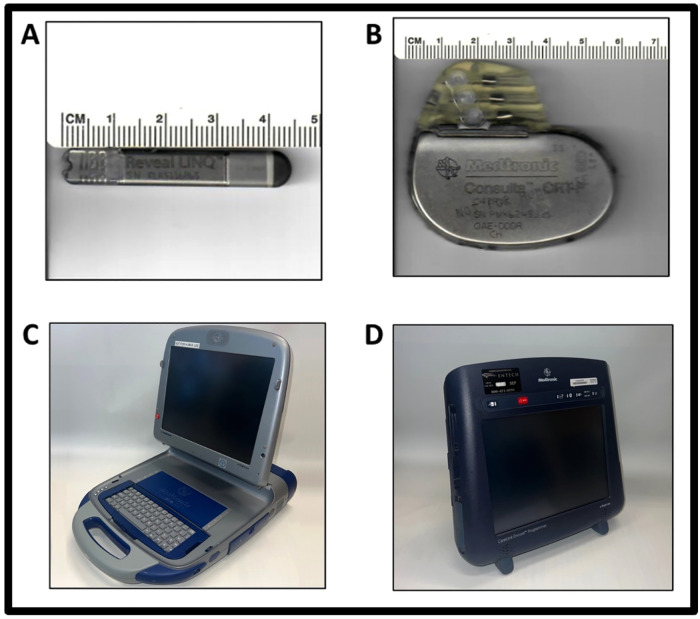 Figure 1
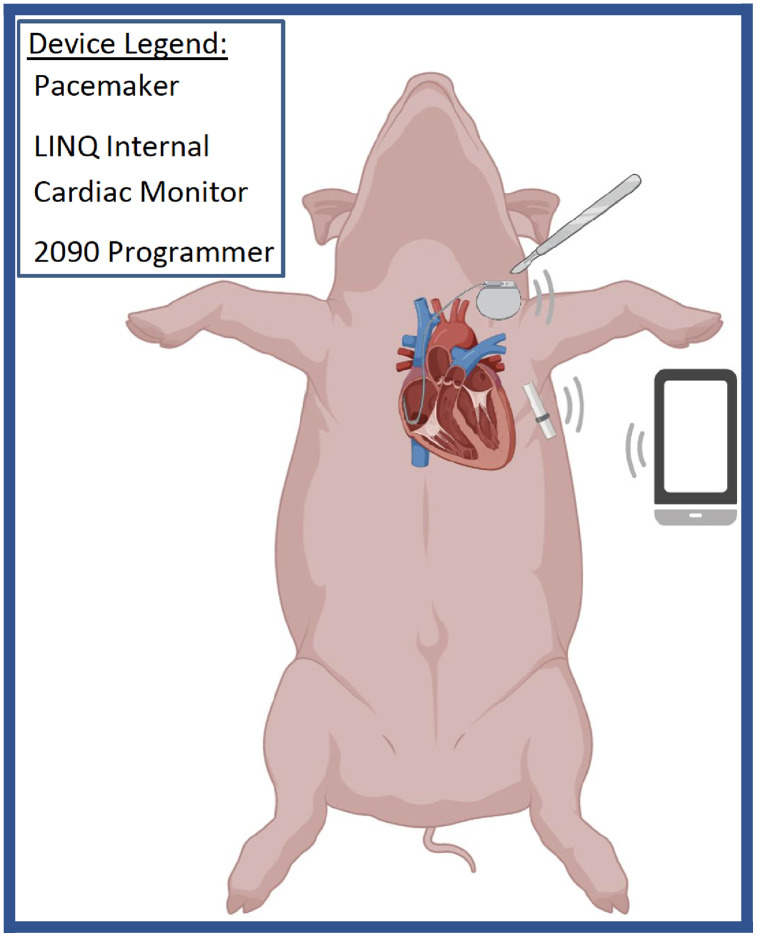 Figure 2
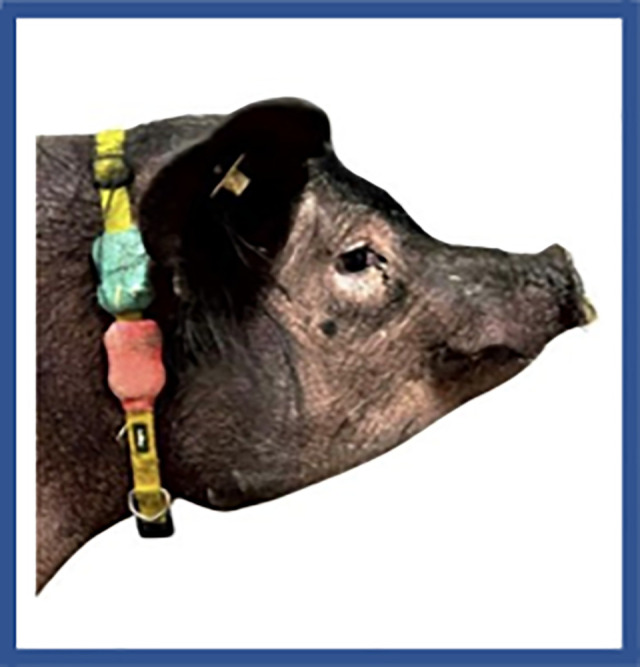 Figure 3
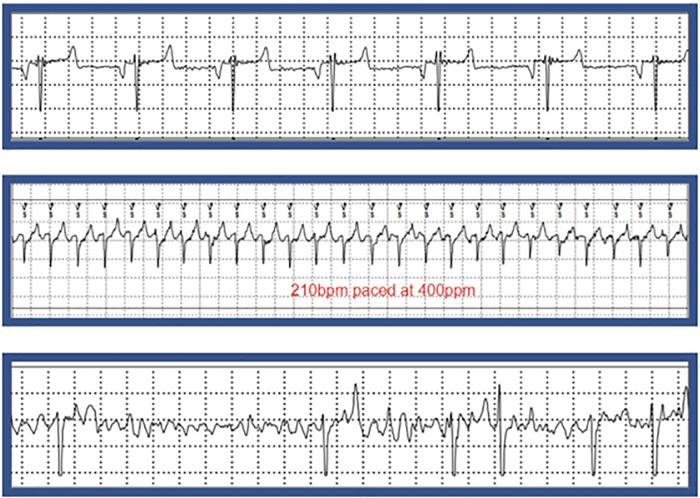 Figure 4
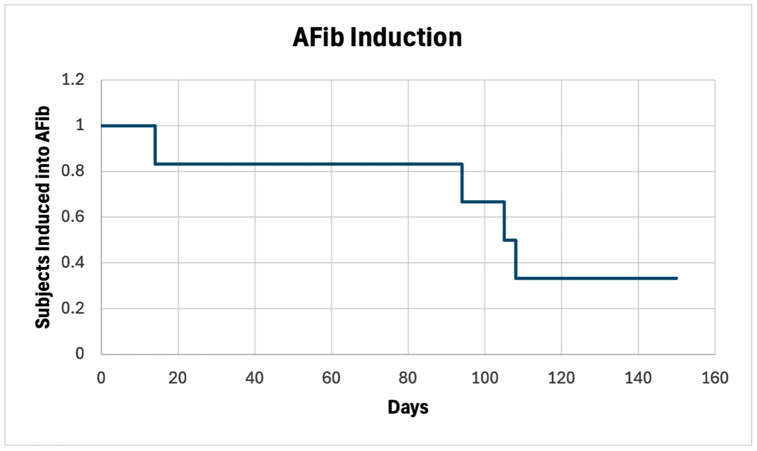 Figure 5
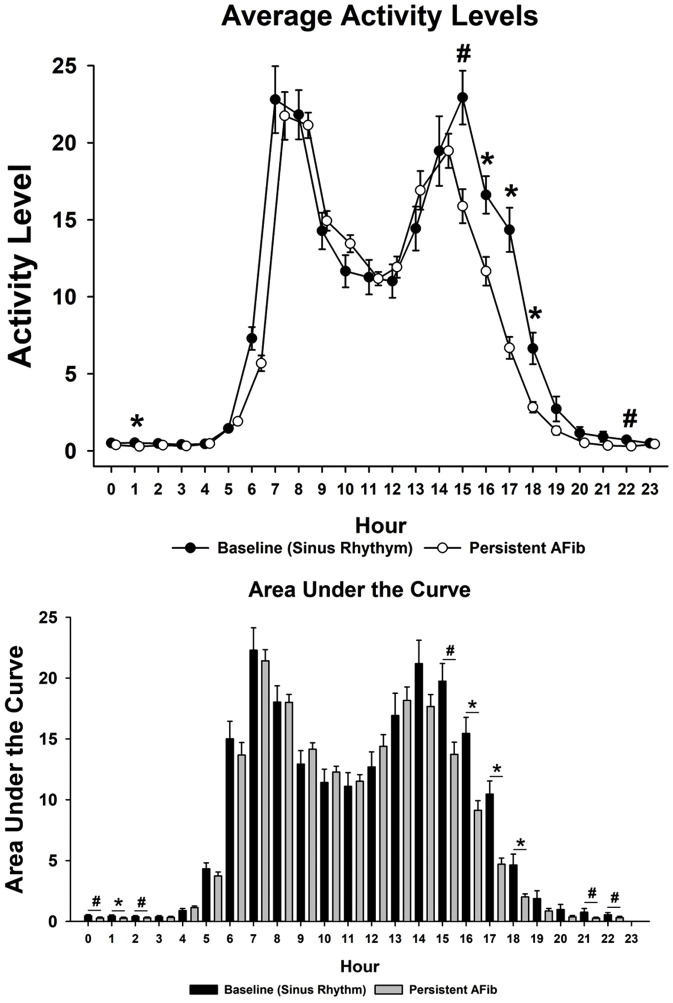 Figure 6
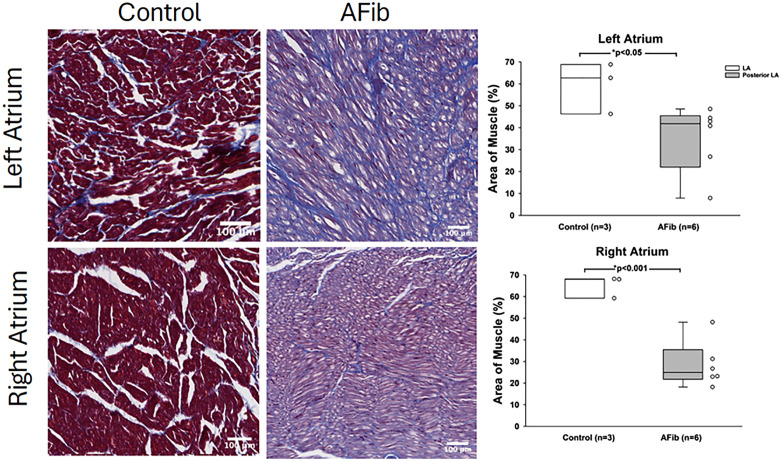 Figure 7
Peer Reviews
No public reviews on file for this paper yet. If you reviewed it on a platform where reviews are public (OpenReview, ICLR, NeurIPS, ICML), you can paste yours below so the community can read it here.
Videos
No videos yet. Explain this paper in a talk, walkthrough, or lecture? Add one.
Taxonomy
TopicsAtrial Fibrillation Management and Outcomes · Cardiac electrophysiology and arrhythmias · Cardiac Arrhythmias and Treatments