A new molecular tool for detection of the highly invasive gecko, Hemidactylus frenatus
Arati Agarwal, Melissa L. Thomas, Yvette Hitchen, Paul Doughty, Simon J. McKirdy, Brendan C. Rodoni, Mark J. Blacket, Mirna Alejandra Gonzalez-Gonzalez, Lei Zhang, Lei Zhang, Lei Zhang, Lei Zhang

TL;DR
A new rapid DNA test can detect the invasive Asian House Gecko using scat samples, helping prevent its spread to new areas.
Contribution
A novel LAMP assay was developed for rapid and specific detection of Hemidactylus frenatus DNA from scat and tissue.
Findings
The LAMP assay amplified AHG DNA in under 15 minutes and detected as little as 0.0001 ng/µL DNA.
The assay successfully amplified DNA from a previously unknown genetic group of AHG called 'clade E'.
Field testing showed 79% success rate in detecting AHG scats, though 21% were affected by DNA degradation.
Abstract
The Common House Gecko, Hemidactylus frenatus, also known as the Asian House Gecko (AHG), is the most significant invasive gecko globally. Detecting this species can be challenging because it closely resembles other geckos, and is often not directly observed, being cryptic and nocturnal. Traces such as scats, however, are more readily observed than the animal itself. Here, we developed and tested a new diagnostic mitochondrial ND2 LAMP (Loop-mediated isothermal amplification) assay to detect and distinguish AHG from other geckos. Testing DNA from twenty-five non-target gecko and skink species present in Western Australia demonstrated the species-specificity of the assay. This new molecular assay showed amplification in under 15 minutes from AHG DNA. Intraspecific variation did not adversely affect the LAMP assay, with all AHG tissue samples successfully amplifying. This included samples…
Genes, proteins, chemicals, diseases, species, mutations and cell lines named across the full text — each resolved to its canonical identifier and authoritative record.
Click any figure to enlarge with its caption.
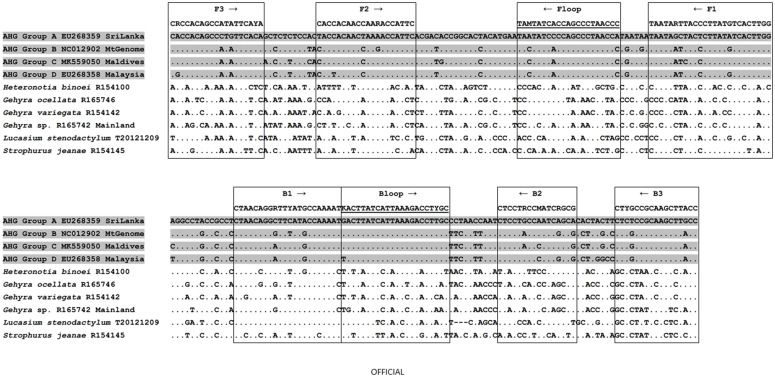 Figure 1
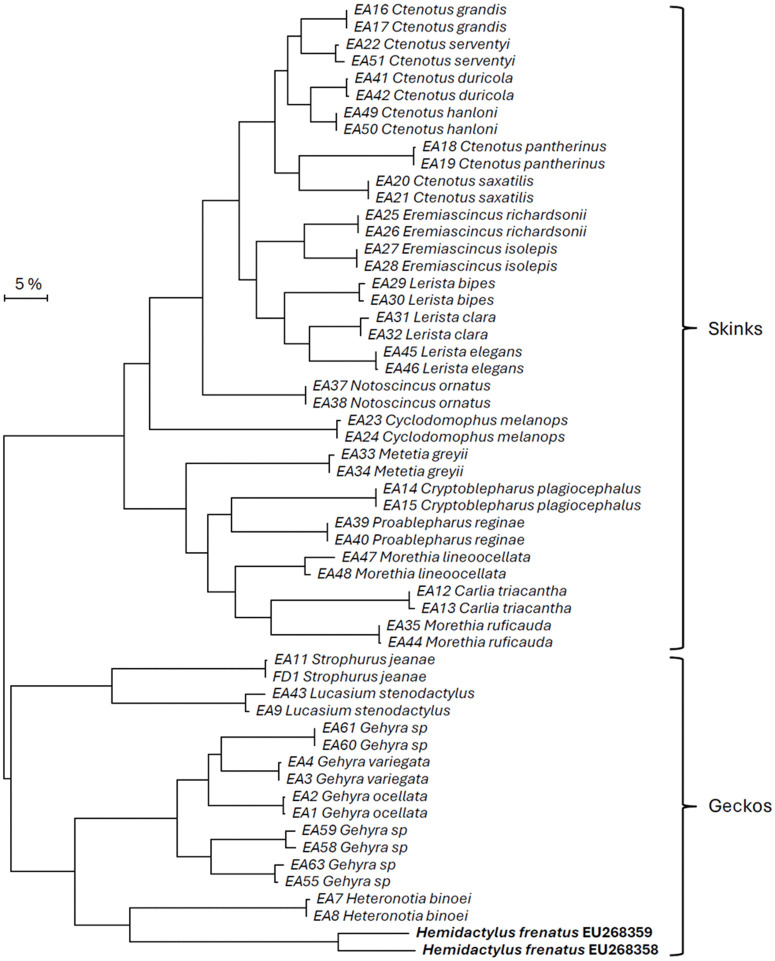 Figure 2
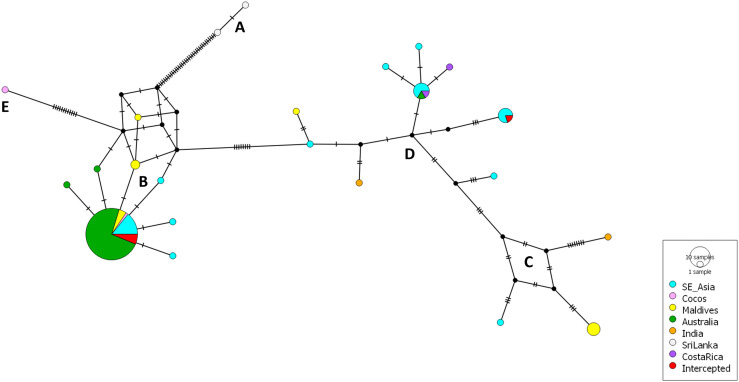 Figure 3
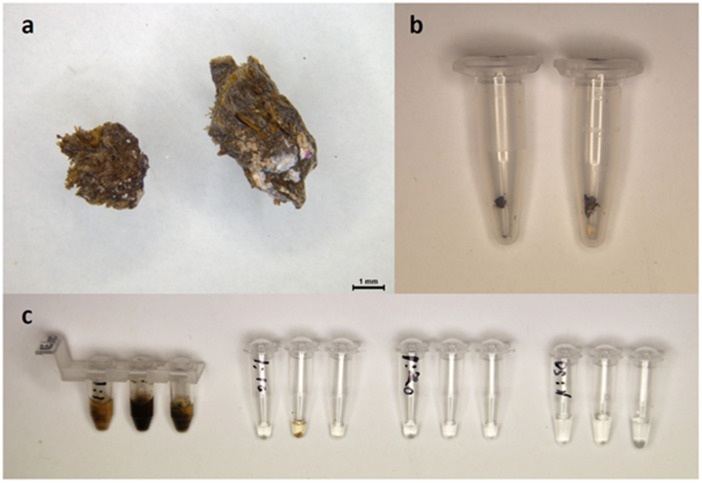 Figure 4
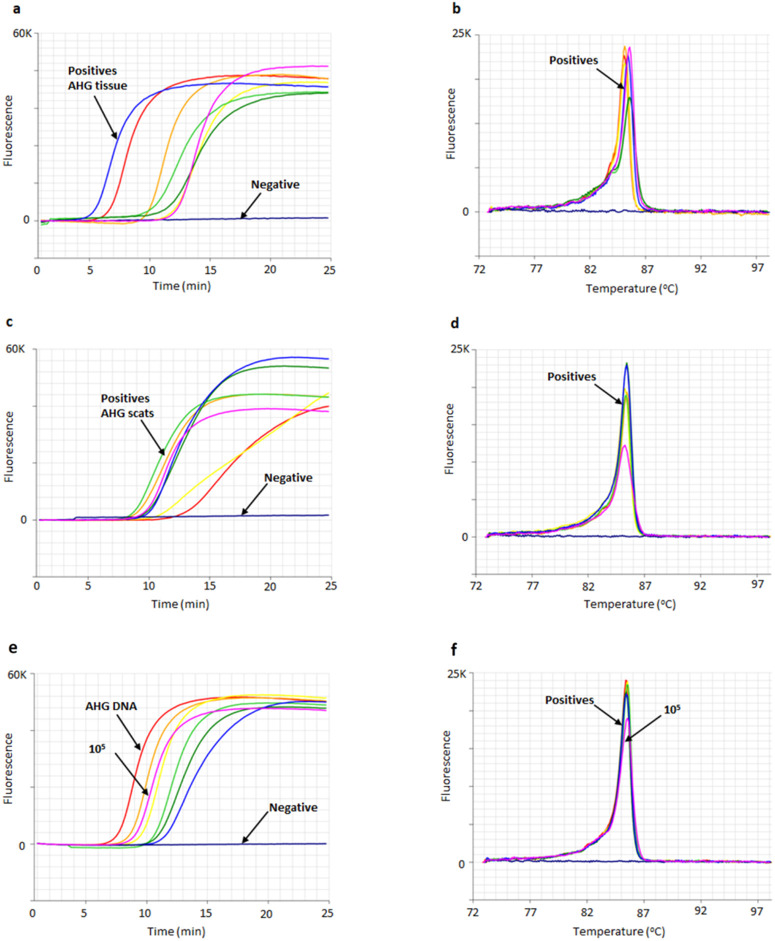 Figure 5
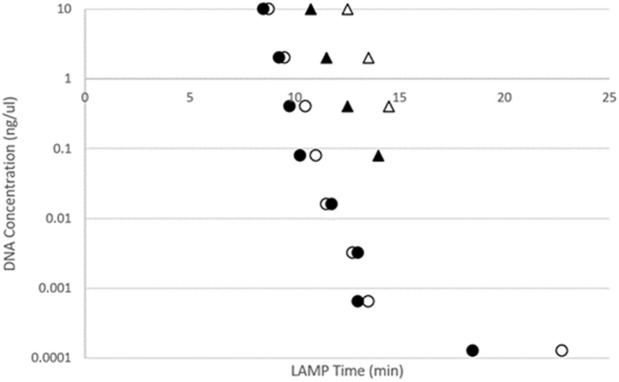 Figure 6
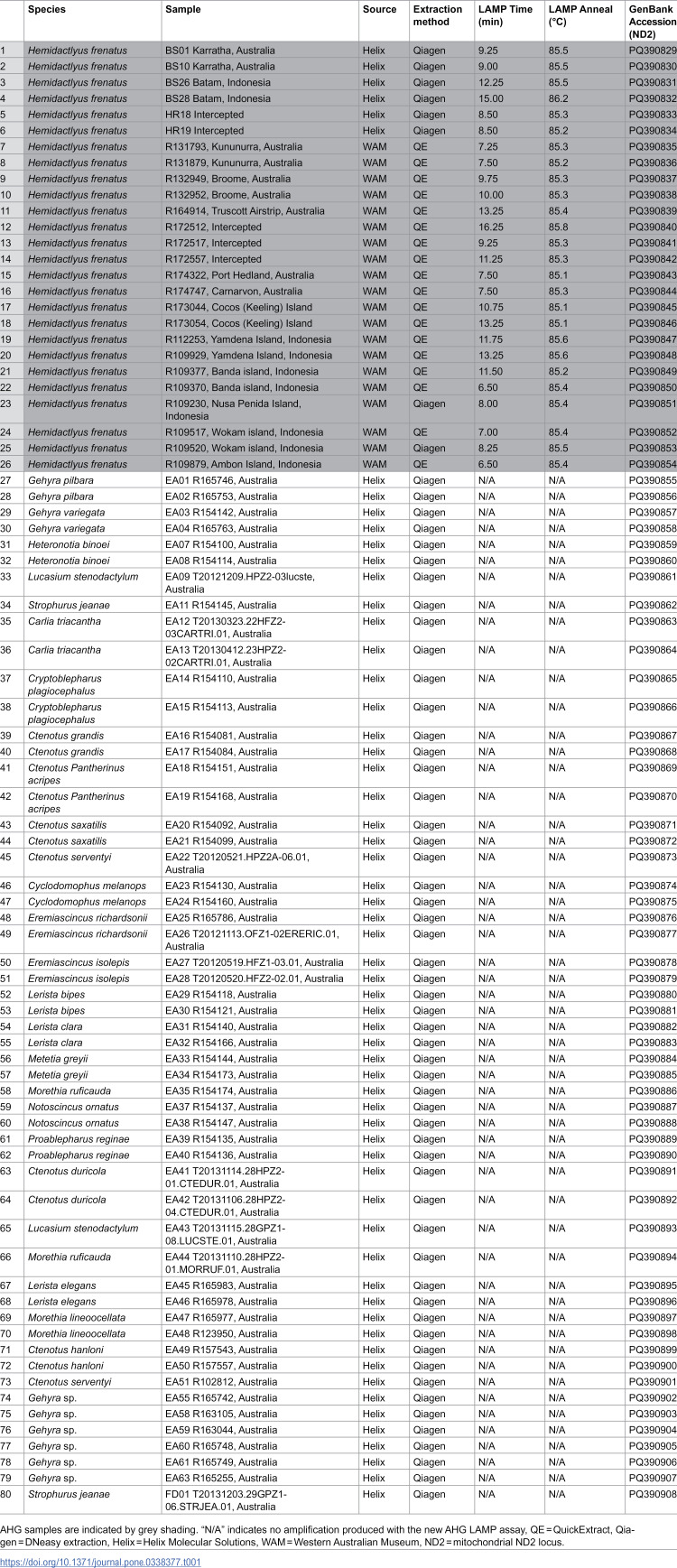 Figure 7
 Figure 8
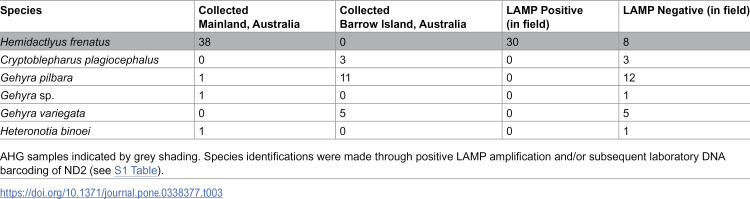 Figure 9
Peer Reviews
No public reviews on file for this paper yet. If you reviewed it on a platform where reviews are public (OpenReview, ICLR, NeurIPS, ICML), you can paste yours below so the community can read it here.
Videos
No videos yet. Explain this paper in a talk, walkthrough, or lecture? Add one.
Taxonomy
TopicsEnvironmental DNA in Biodiversity Studies · Amphibian and Reptile Biology · Species Distribution and Climate Change