Biodegradation of polyethylene terephthalate microplastics by Paenibacillus naphthalenovorans PETKKU2: Response surface optimization and genomic evidence for an alternative degradation mechanism
Aophat Choonut, Nantharat Wongfaed, Auraiwan Poolpol, Sophon Boonlue, Kitirote Wantala, Onruthai Pinyakong, Pensri Plangklang, Alissara Reungsang

TL;DR
A new soil bacterium from Thailand can efficiently break down PET microplastics using a novel mechanism that doesn't rely on known enzymes.
Contribution
The first report of Paenibacillus naphthalenovorans degrading PET-MP with a non-classical enzymatic pathway confirmed by genomic and analytical evidence.
Findings
PETKKU2 achieved 9.48% degradation of PET-MP after optimization, a 96% improvement over baseline.
Alternative degradation mechanism confirmed by absence of MHET intermediates and presence of thermostable lipases and dioxygenases.
Mesophilic degradation at 37°C eliminates need for high-energy heating while maintaining high efficiency.
Abstract
This study establishes Paenibacillus naphthalenovorans PETKKU2, isolated from landfill soil in Thailand, as the first reported member of this species capable of degrading polyethylene terephthalate microplastics (PET-MP). Initial screening identified PETKKU2 as the most efficient degrader among ten isolates, achieving 6.07 ± 0.18% weight loss after 35 days at 37°C. Response surface methodology optimization of pH, nitrogen concentration, and PET-MP loading enhanced degradation to 9.48 ± 0.21%, closely matching the predicted maximum of 11.15% and representing 96% improvement over baseline conditions. Integrated analytical characterization (FTIR, SEM, GC-MS) revealed an alternative degradation mechanism distinct from classical PETase-MHETase pathways. FTIR analysis confirmed extensive polymer oxidation with 41% reduction in ester carbonyl groups, while SEM demonstrated progressive surface…
Genes, proteins, chemicals, diseases, species, mutations and cell lines named across the full text — each resolved to its canonical identifier and authoritative record.
Click any figure to enlarge with its caption.
 Figure 1
 Figure 2
 Figure 3
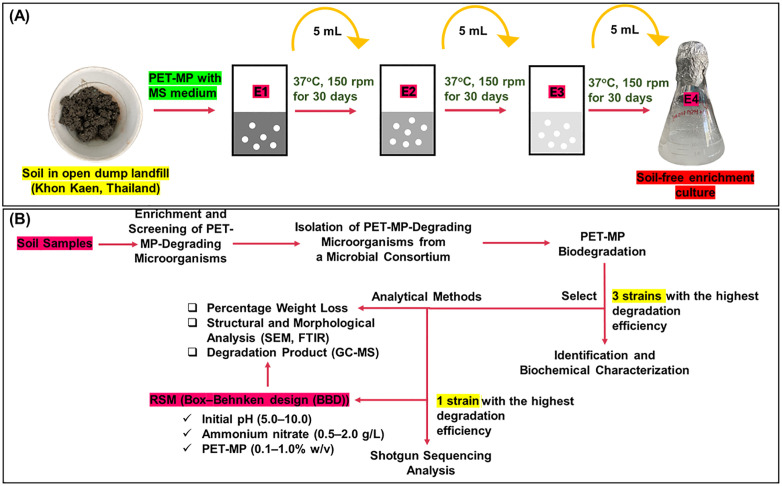 Figure 4
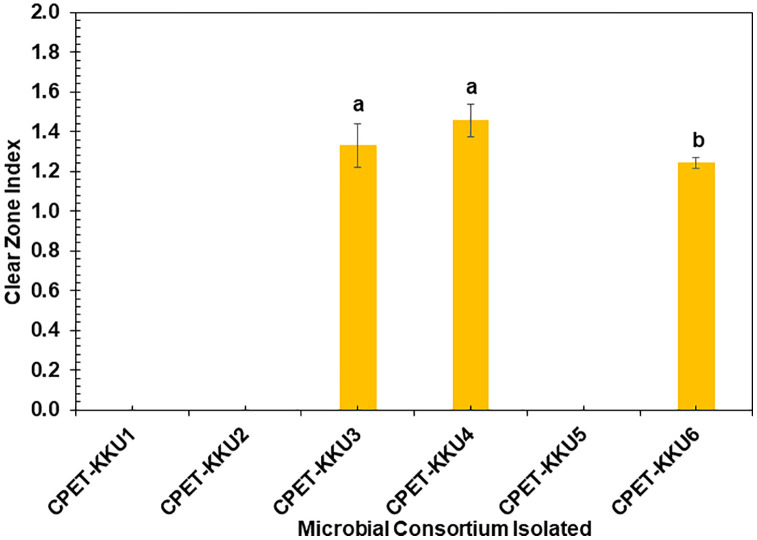 Figure 5
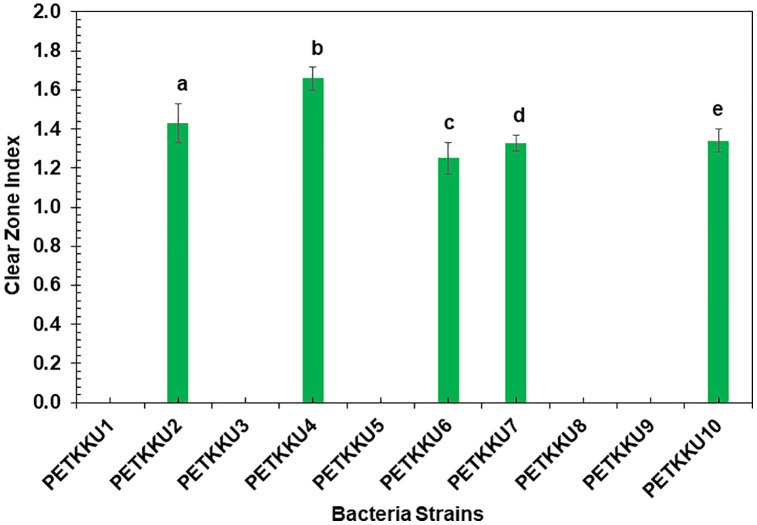 Figure 6
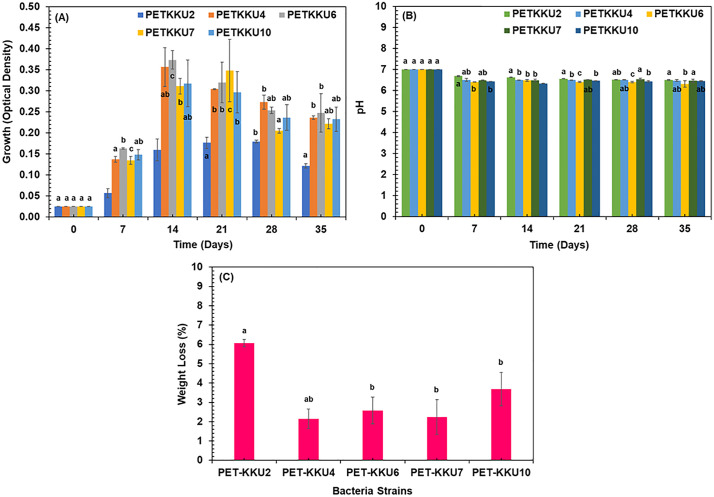 Figure 7
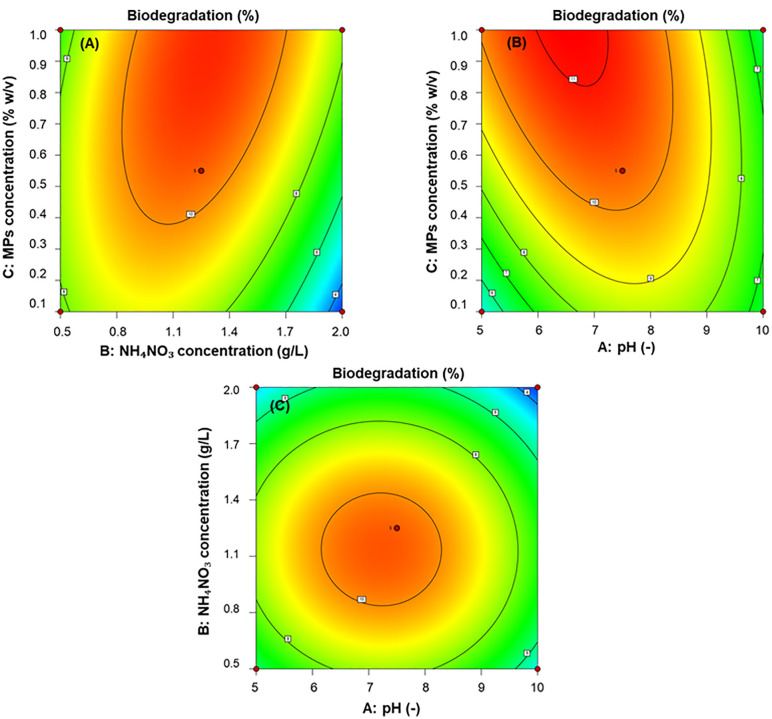 Figure 8
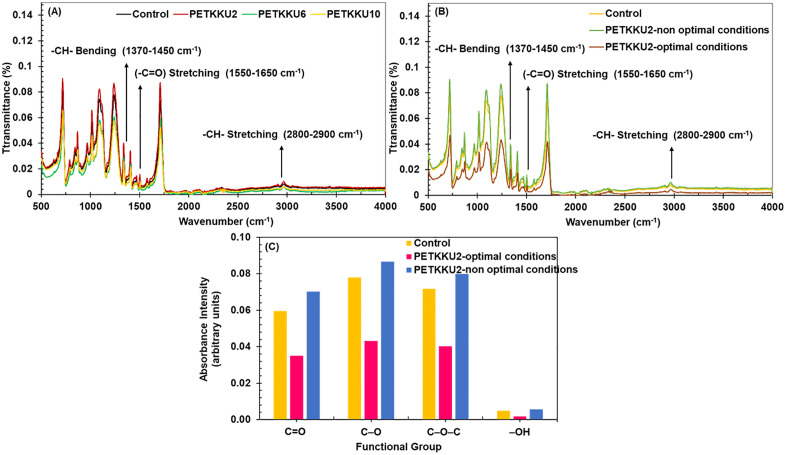 Figure 9
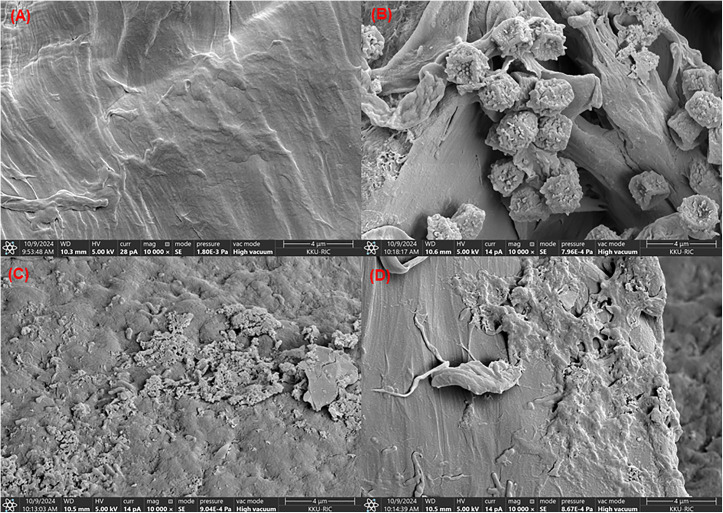 Figure 10
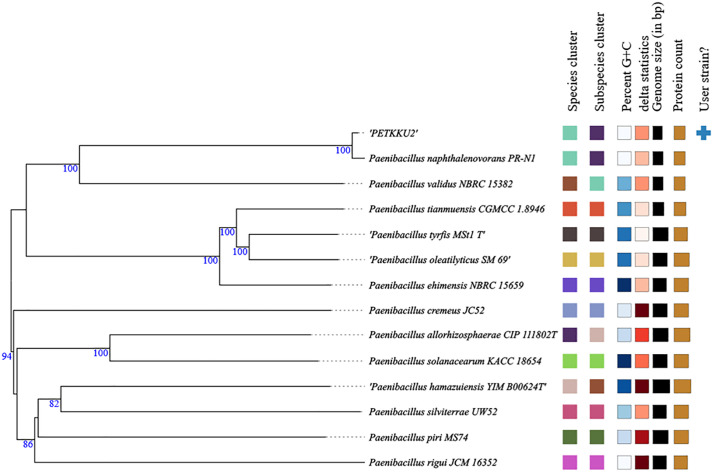 Figure 11
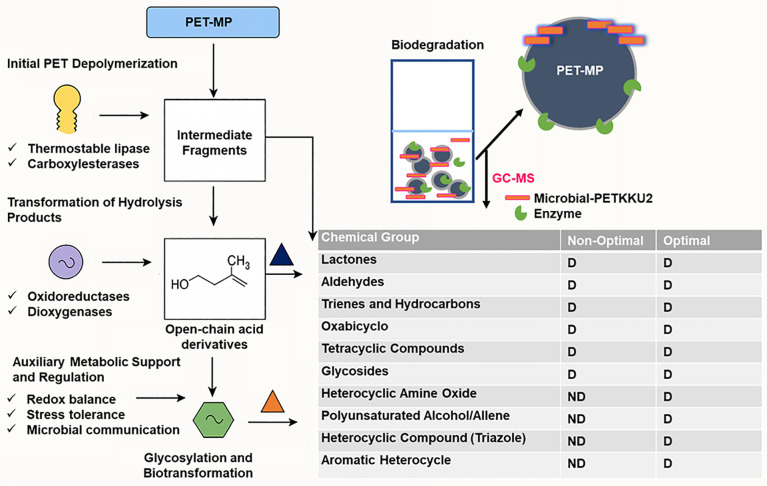 Figure 12
 Figure 13
 Figure 14
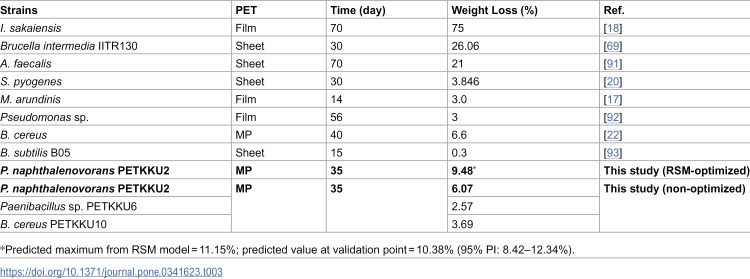 Figure 15
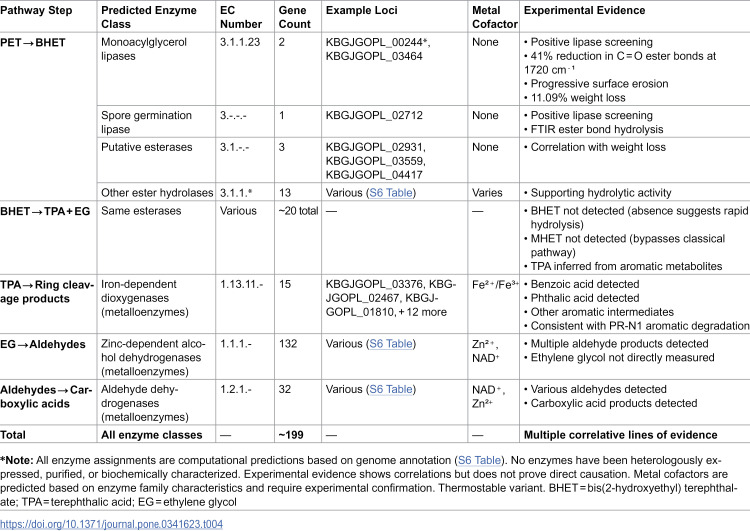 Figure 16
Peer Reviews
No public reviews on file for this paper yet. If you reviewed it on a platform where reviews are public (OpenReview, ICLR, NeurIPS, ICML), you can paste yours below so the community can read it here.
Videos
No videos yet. Explain this paper in a talk, walkthrough, or lecture? Add one.
Taxonomy
TopicsMicroplastics and Plastic Pollution · biodegradable polymer synthesis and properties · Polymer crystallization and properties