Circuit explained: How does a transformer perform compositional generalization
Cheng Tang, Brenden Lake, Mehrdad Jazayeri, Constantine Dovrolis, Constantine Dovrolis, Constantine Dovrolis

TL;DR
This paper explains how a transformer model achieves compositional generalization by identifying and analyzing a specific circuit that enables predictable output through token remapping.
Contribution
The paper identifies and mechanistically interprets a circuit in a transformer that enables compositional generalization through token remapping.
Findings
The circuit performs function composition using a disentangled representation of token position and identity.
Causal ablations show that the circuit can be isolated and edited to steer model outputs predictably.
The mechanism suggests how symbolic compositionality might emerge in larger transformer models.
Abstract
Compositional generalization—the systematic combination of known components into novel structures—is fundamental to flexible human cognition, yet the mechanisms that enable it in neural networks remain poorly understood in both machine learning and cognitive science. [1] showed that a compact encoder-decoder transformer can achieve simple forms of compositional generalization in a sequence arithmetic task. In this work, we identify and mechanistically interpret the circuit responsible for this behavior in such a model. Using causal ablations, we isolate the circuit and show that this understanding enables precise activation edits to steer the model’s outputs predictably. We find that the circuit performs function composition without encoding the specific semantics of any given function—instead, it leverages a disentangled representation of token position and identity to apply a general…
Genes, proteins, chemicals, diseases, species, mutations and cell lines named across the full text — each resolved to its canonical identifier and authoritative record.
Click any figure to enlarge with its caption.
 Figure 1
 Figure 2
 Figure 3
 Figure 4
 Figure 5
 Figure 6
 Figure 7
 Figure 8
 Figure 9
 Figure 10
 Figure 11
 Figure 12
 Figure 13
 Figure 14
 Figure 15
 Figure 16
 Figure 17
 Figure 18
 Figure 19
 Figure 20
 Figure 21
 Figure 22
 Figure 23
 Figure 24
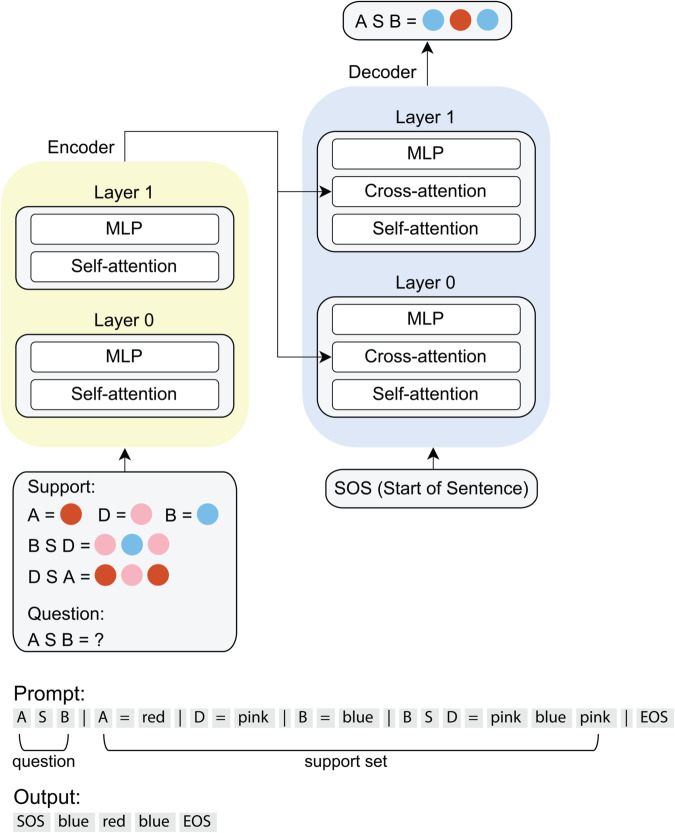 Figure 25
 Figure 26
 Figure 27
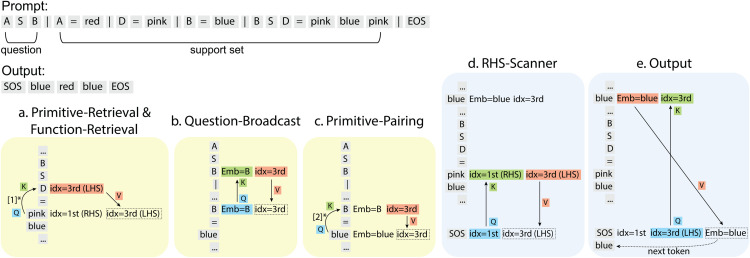 Figure 28
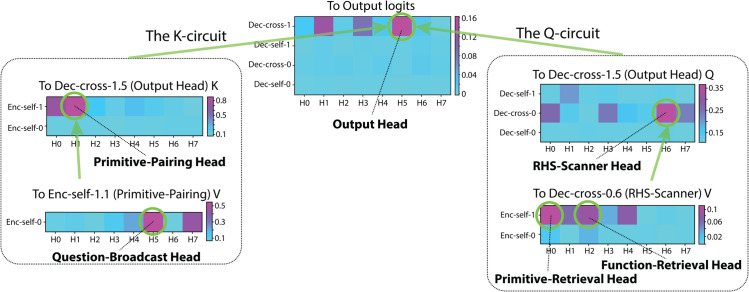 Figure 29
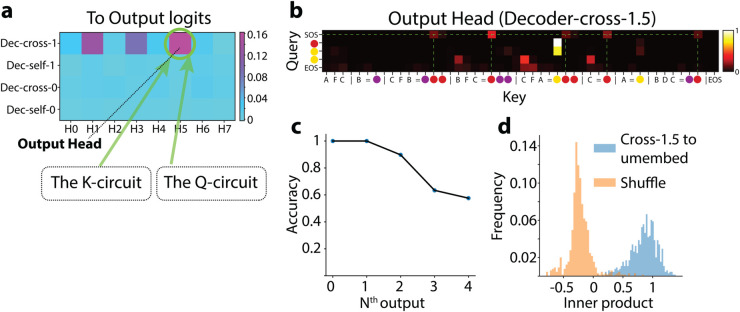 Figure 30
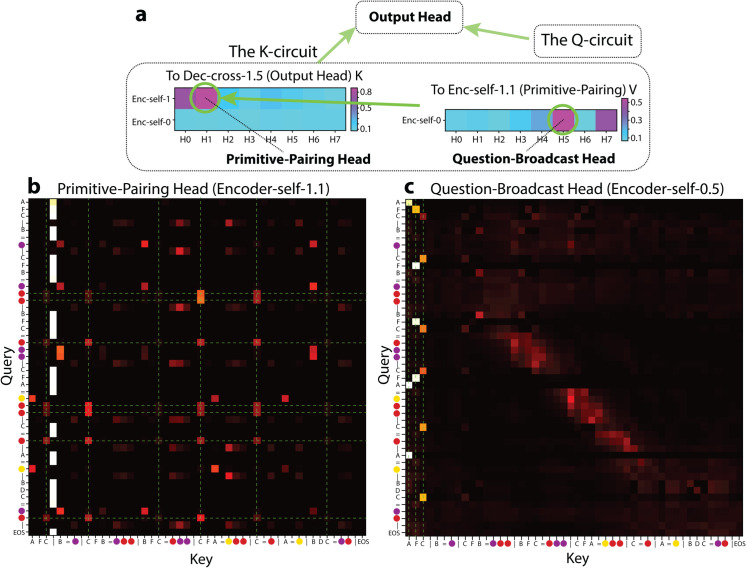 Figure 31
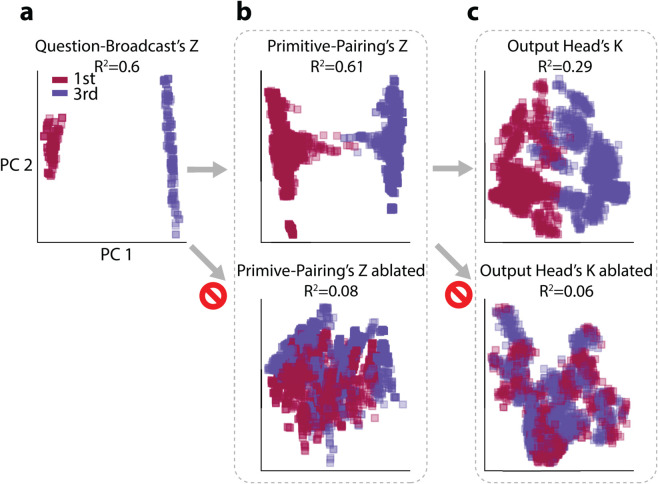 Figure 32
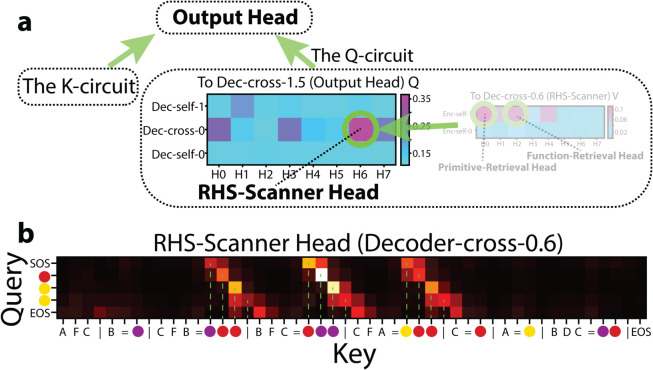 Figure 33
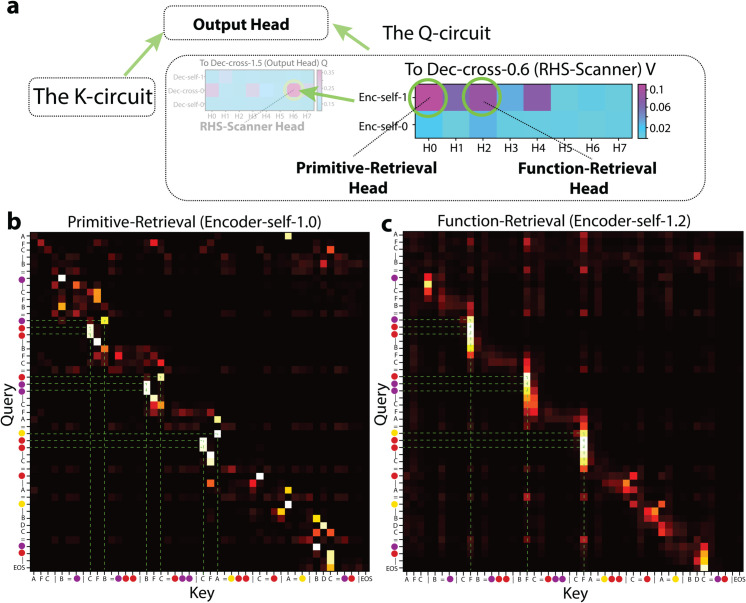 Figure 34
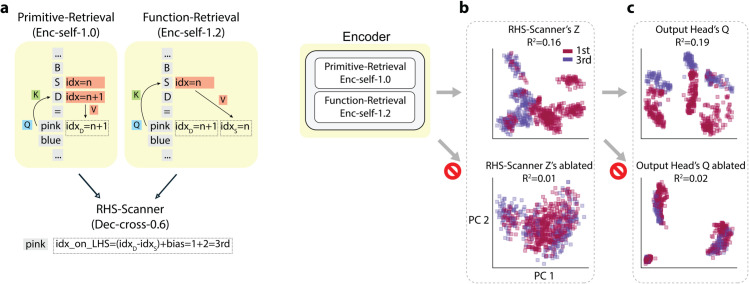 Figure 35
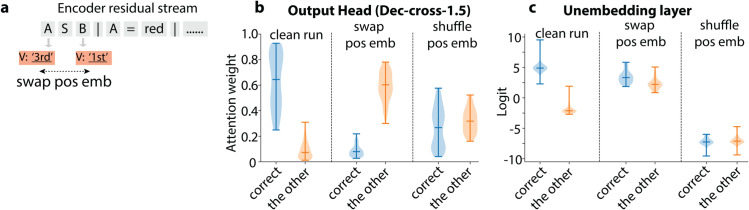 Figure 36
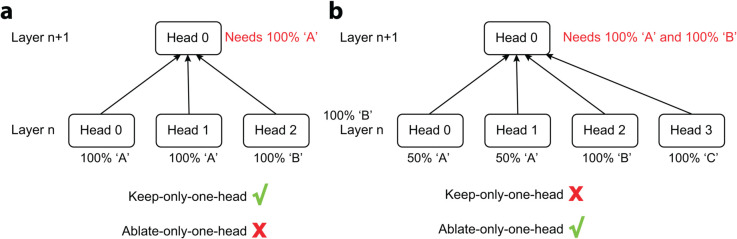 Figure 37
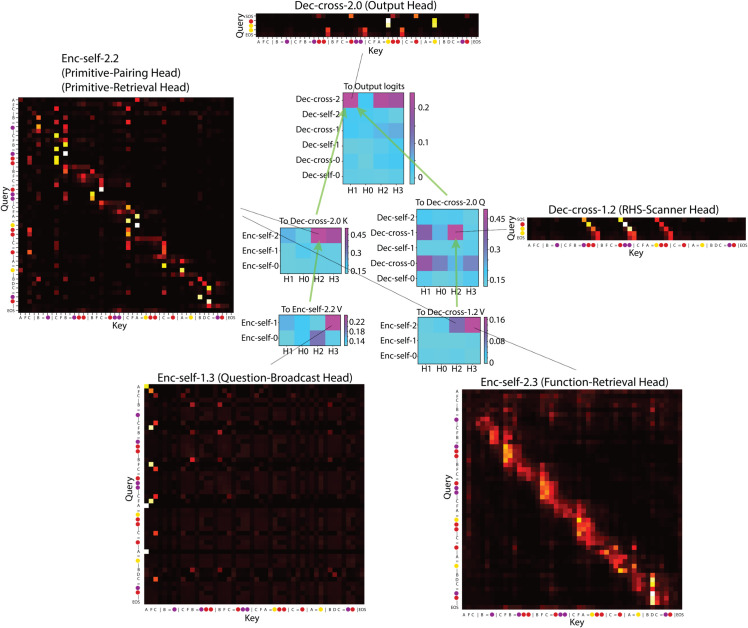 Figure 38
Peer Reviews
No public reviews on file for this paper yet. If you reviewed it on a platform where reviews are public (OpenReview, ICLR, NeurIPS, ICML), you can paste yours below so the community can read it here.
Videos
No videos yet. Explain this paper in a talk, walkthrough, or lecture? Add one.
Taxonomy
TopicsFerroelectric and Negative Capacitance Devices · Embodied and Extended Cognition · Face Recognition and Perception