Investigating patient navigator impact on older adults’ transitions from acute care: A randomized controlled trial with embedded qualitative component
Natasha Hanson, Tracy Freeze, Leanne Skerry, Kathleen O’Keefe, Chi Nguyen, Ravneet Somal, Karla Faig, Pamela Jarrett

TL;DR
This study examines how patient navigators affect older adults transitioning from hospital care after fractures, finding mixed impacts on healthcare use and patient experiences.
Contribution
The study introduces a mixed-methods approach to evaluate patient navigators in orthogeriatric care, combining quantitative and qualitative insights.
Findings
Patient navigators reduced unplanned healthcare use at lower frailty levels but increased it as frailty worsened.
Patients and caregivers reported positive experiences with patient navigators, especially regarding information and support.
Patient satisfaction did not differ significantly between groups.
Abstract
Fall-related injuries such as fractures are on the rise among older adults. Resulting transitions in care from hospital can be complex and place significant pressure on healthcare teams. This study sought to determine the impact of patient navigators in the orthogeriatric context. A concurrent embedded mixed methods design was used, in which the quantitative, open label, randomized controlled trial, analysed using structural equation modelling, had an embedded reflexive thematic analysis qualitative component. Older adults (≥65 years) admitted to an orthopedic unit with any fracture were randomized into the standard of care or patient navigator group and followed until three months post-discharge. Main outcomes were, unplanned healthcare utilization post-discharge, patient satisfaction, and patient/caregiver experiences. Semi-structured interviews were conducted with patients (n = 60)…
Genes, proteins, chemicals, diseases, species, mutations and cell lines named across the full text — each resolved to its canonical identifier and authoritative record.
Click any figure to enlarge with its caption.
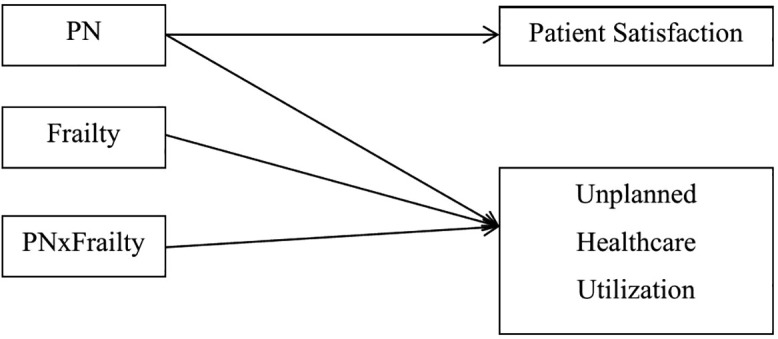 Figure 1
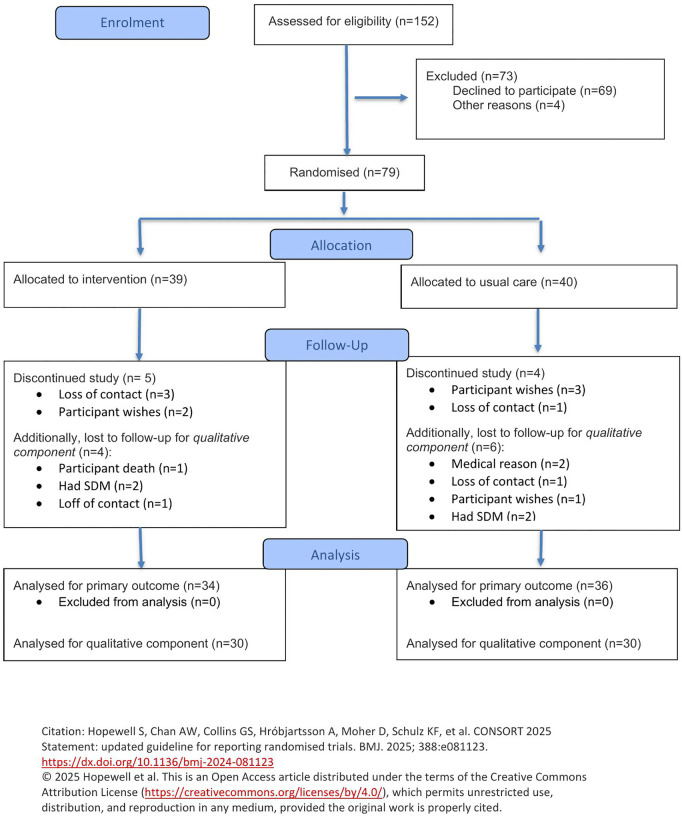 Figure 2
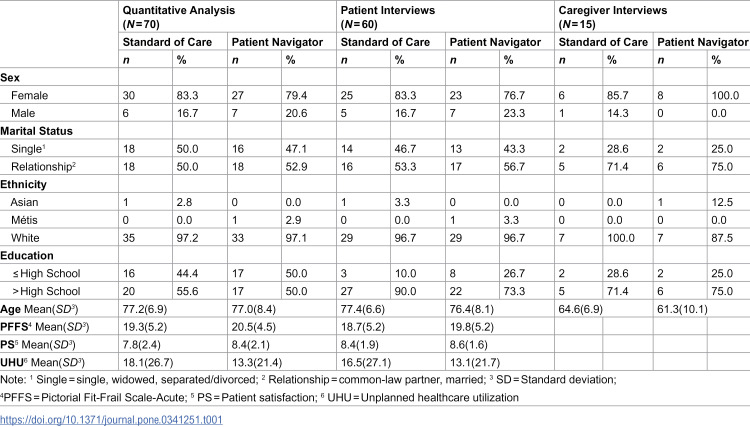 Figure 3
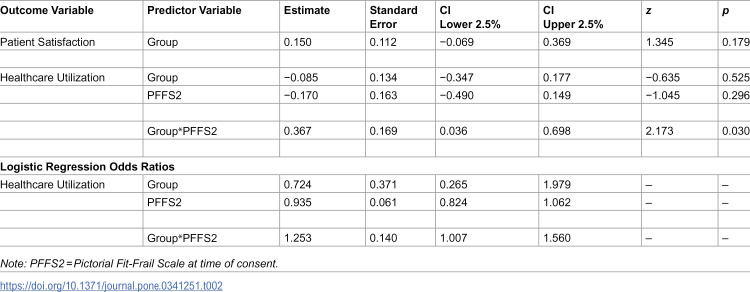 Figure 4
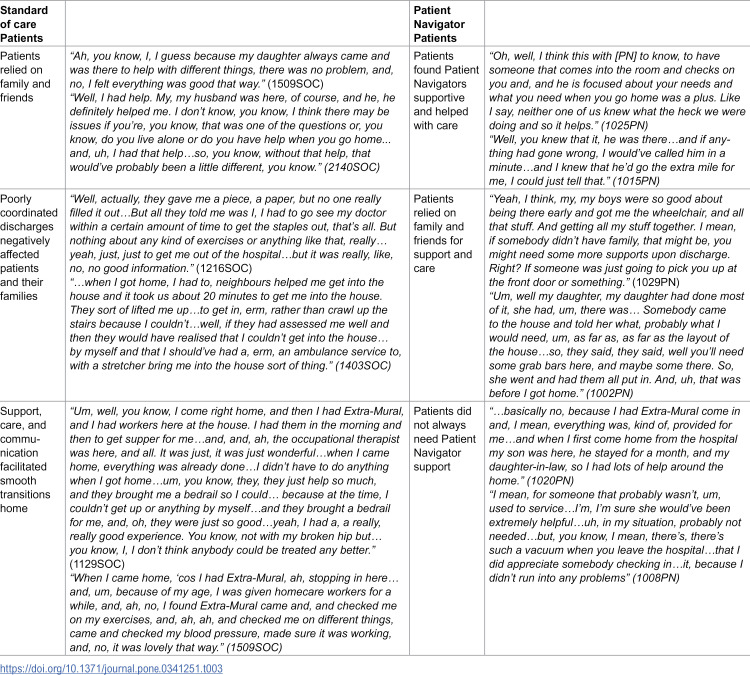 Figure 5
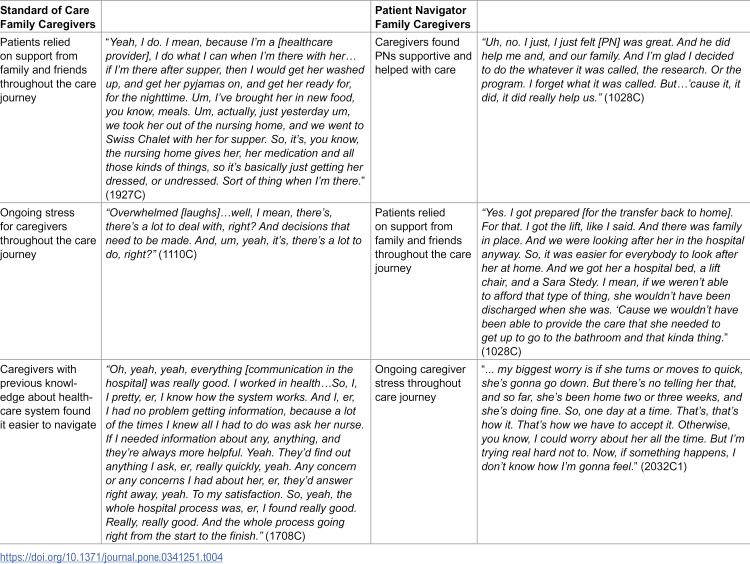 Figure 6
Peer Reviews
No public reviews on file for this paper yet. If you reviewed it on a platform where reviews are public (OpenReview, ICLR, NeurIPS, ICML), you can paste yours below so the community can read it here.
Videos
No videos yet. Explain this paper in a talk, walkthrough, or lecture? Add one.
Taxonomy
TopicsFrailty in Older Adults · Emergency and Acute Care Studies · Balance, Gait, and Falls Prevention