Beaked whale dive behavior and acoustic detection range off Louisiana using three-dimensional acoustic tracking
Héloïse Frouin-Mouy, Kaitlin E. Frasier, John A. Hildebrand, Eric R. Snyder, Sean M. Wiggins, Lance P. Garrison, Melissa S. Soldevilla

TL;DR
This study uses acoustic tracking to understand the diving and detection behavior of beaked whales in the Gulf of Mexico, improving methods for estimating their population.
Contribution
The study provides population-specific acoustic and diving behavior data for beaked whales in the Gulf of Mexico, enabling better detection probability modeling.
Findings
Goose-beaked whales were detected longer during foraging dives compared to other species.
Dive depths and rates varied among species, with goose-beaked whales reaching the seafloor.
Acoustic source levels and directivity indices were estimated for goose-beaked and Gervais’ beaked whales.
Abstract
Understanding abundance and trends of beaked whales in the heavily industrialized Gulf of America (formerly Gulf of Mexico), is critical for management but challenging with visual-based distance-sampling due to their elusive surface behavior. Acoustic-based distance-sampling methods rely on accurate modeling of detection probability as a function of distance from a recorder, requiring population-specific diving and acoustic behavior parameters, which is currently lacking for Gulf populations. To address this, we used passive acoustic tracking with two 4-channel High-Frequency Acoustic Recording Packages (HARPs) deployed off Louisiana (~1100 m depth) in 2021. Echolocation clicks detected on both recorders were localized in 3D to characterize acoustic and diving behavior. These data informed a Monte Carlo cue-based simulation to estimate the probability of detection by a near-seafloor…
Genes, proteins, chemicals, diseases, species, mutations and cell lines named across the full text — each resolved to its canonical identifier and authoritative record.
Click any figure to enlarge with its caption.
 Figure 1
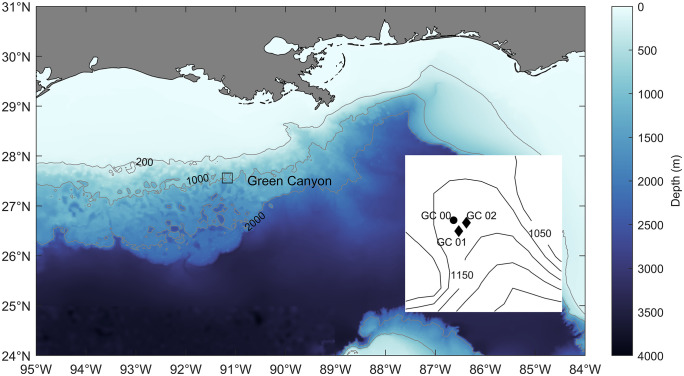 Figure 2
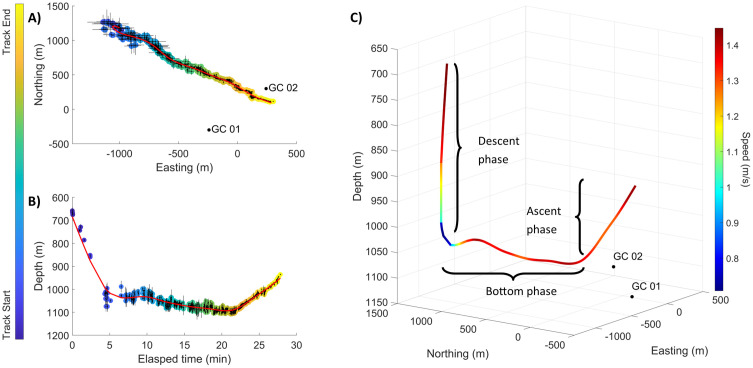 Figure 3
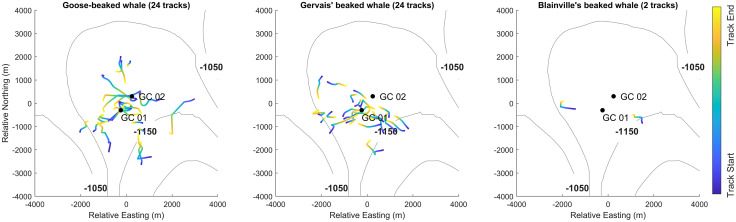 Figure 4
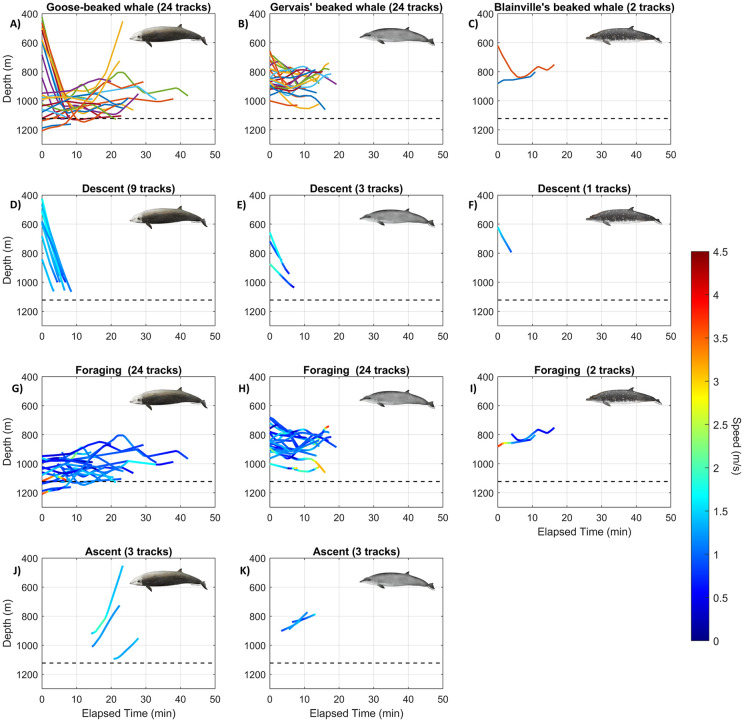 Figure 5
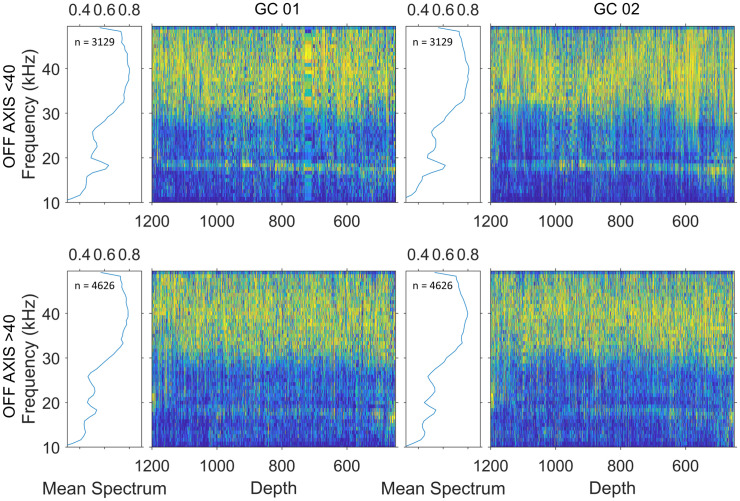 Figure 6
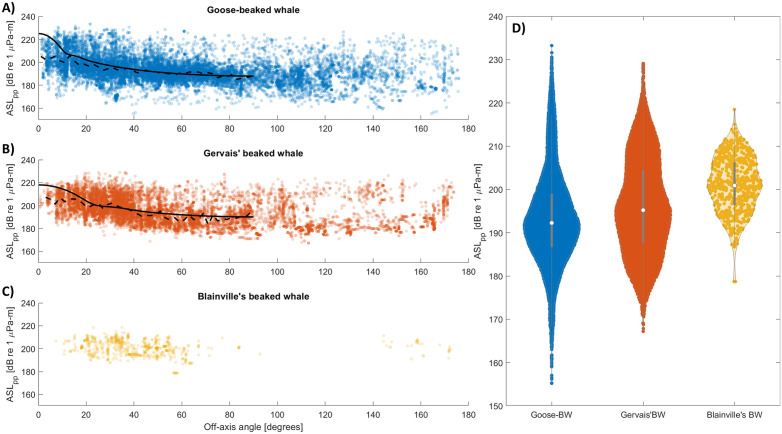 Figure 7
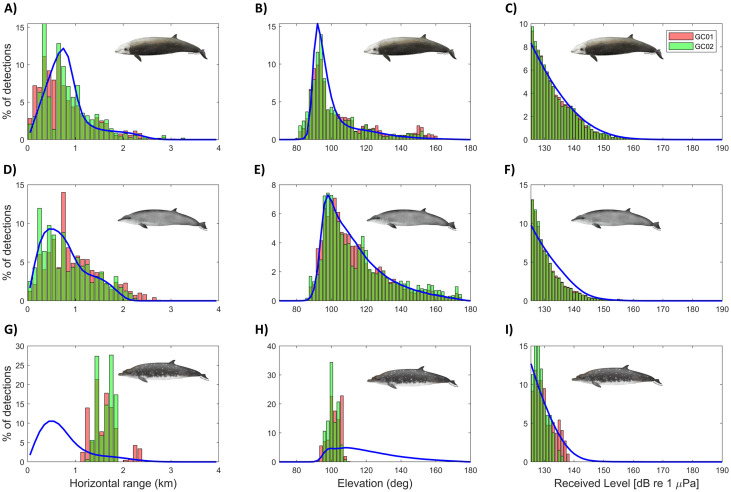 Figure 8
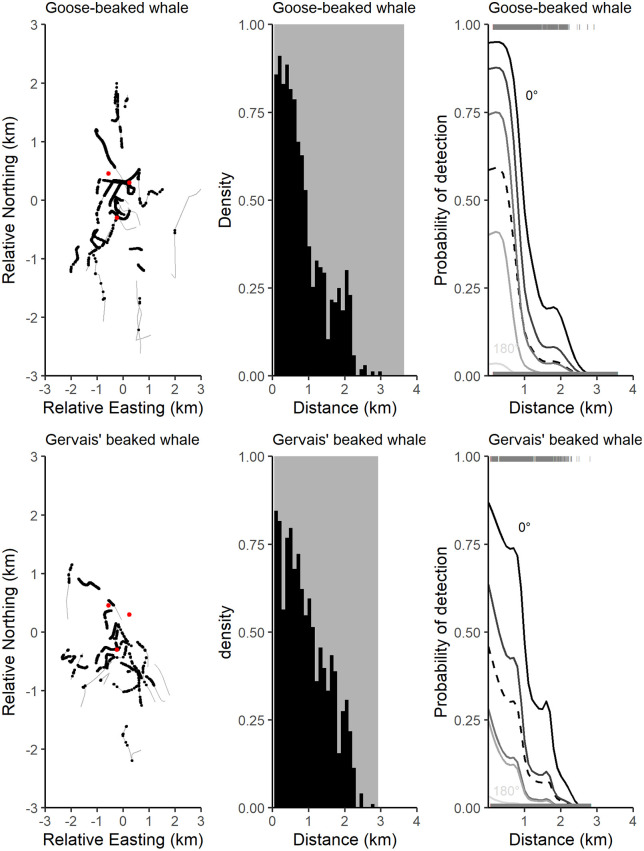 Figure 9
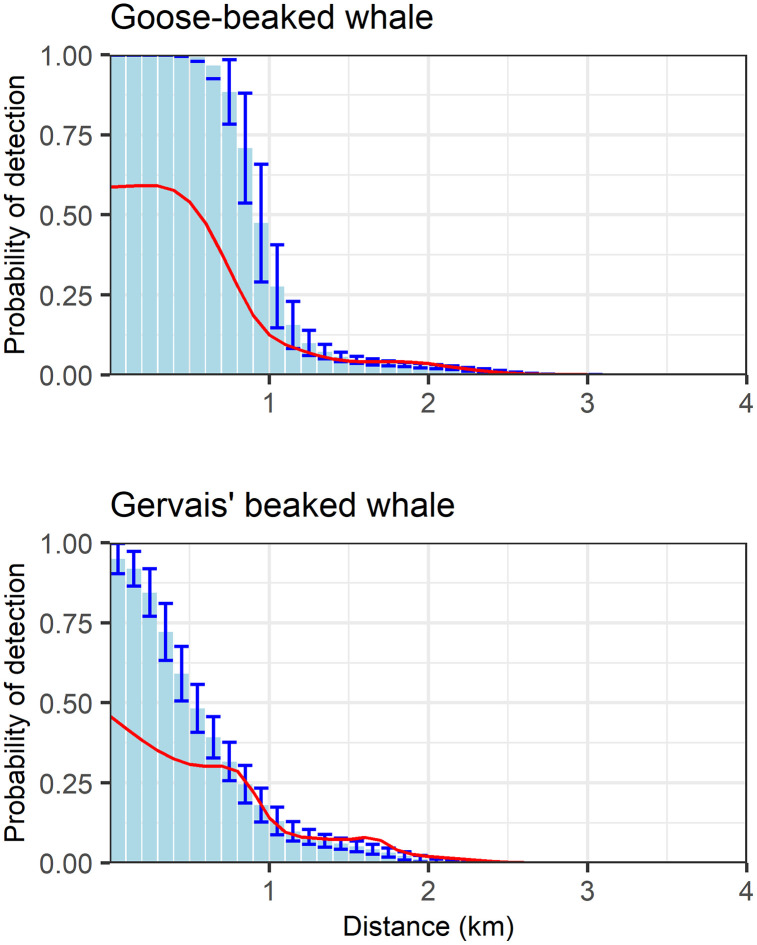 Figure 10
 Figure 11
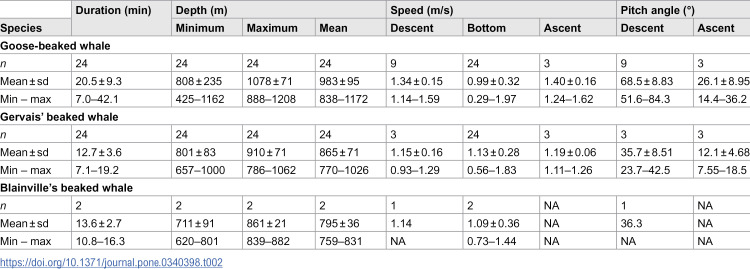 Figure 12
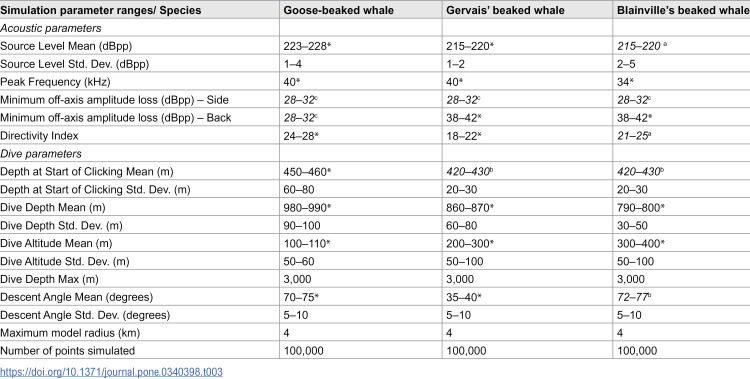 Figure 13
Peer Reviews
No public reviews on file for this paper yet. If you reviewed it on a platform where reviews are public (OpenReview, ICLR, NeurIPS, ICML), you can paste yours below so the community can read it here.
Videos
No videos yet. Explain this paper in a talk, walkthrough, or lecture? Add one.
Taxonomy
TopicsMarine animal studies overview · Underwater Acoustics Research · Ichthyology and Marine Biology