Genome-wide association study revealed genomic regions associated with tuber quality traits in water yam (Dioscorea alata L.)
Fatoumata Ouattara, Paterne A. Agre, Idris I. Adejumobi, Bunmi Olasanmi, Adekemi Stanley, Fatogoma Sorho, Konan E. B. Dibi, Malachy O. Akoroda, Ranjana Bhattacharjee, Angela Alleyne, Angela Alleyne, Angela Alleyne

TL;DR
This study identifies genetic regions in water yam linked to tuber quality traits like browning and dry matter content, which can help improve breeding efforts.
Contribution
The study identifies 14 SNP markers and 32 candidate genes associated with tuber quality traits in water yam using genome-wide association analysis.
Findings
Fourteen SNP markers were significantly linked to tuber quality traits with r2 values ranging from 0.62 to 10.02%.
Thirty-two putative candidate genes were identified, involved in enzymatic browning and carbohydrate biosynthesis pathways.
The findings can be used to improve water yam breeding for consumer-preferred tuber quality traits.
Abstract
Water yam (Dioscorea alata L.) or greater yam, is an essential species of the Dioscoreceae family in tropical and subtropical regions. The wide geographical distribution is owing to its higher tuber yield, storability, and better nutritional and health benefits compared to many other species. Despite these promising characteristics, water yam remains less preferred by consumers for traditional food products, particularly boiled and pounded yam preparations. Fast and efficient development of superior genotypes that meet farmers and end-users needs have been challenging through classical breeding methods. The objective of the study was to use genome-wide associations to assess the genetics of post-harvest tuber quality, mainly targeting the consumer-preferred traits. A panel of 404 water yam genotypes were assessed to decipher the genomic regions associated with traits such as tuber…
Genes, proteins, chemicals, diseases, species, mutations and cell lines named across the full text — each resolved to its canonical identifier and authoritative record.
Click any figure to enlarge with its caption.
 Figure 1
 Figure 2
 Figure 3
 Figure 4
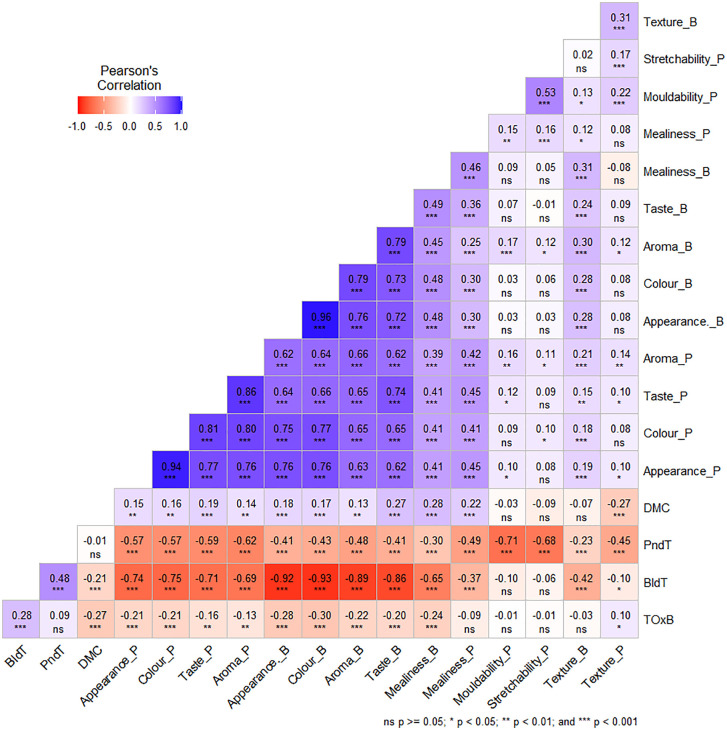 Figure 5
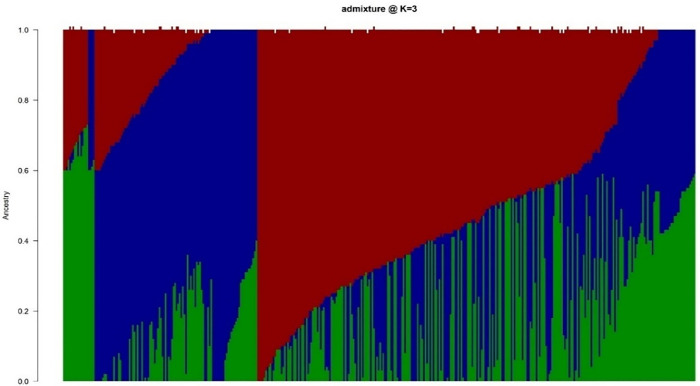 Figure 6
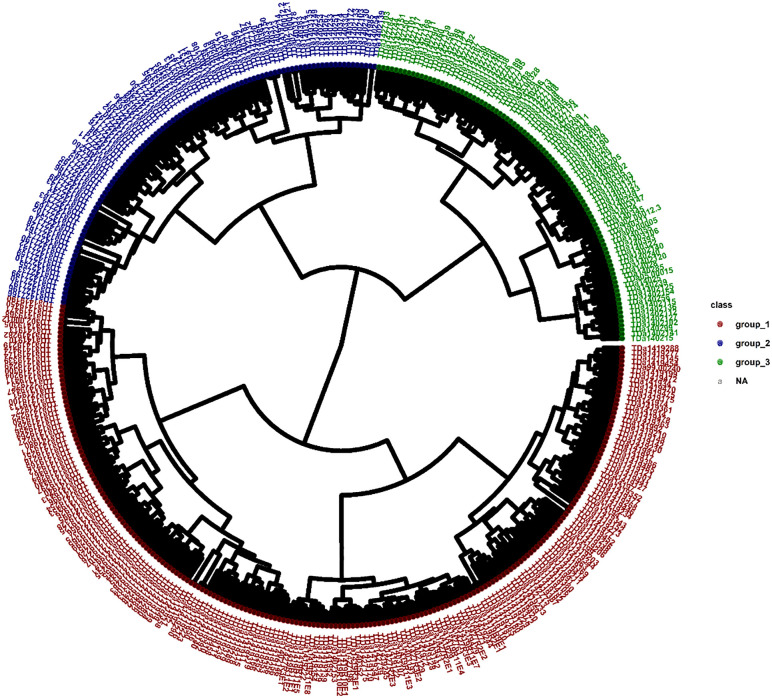 Figure 7
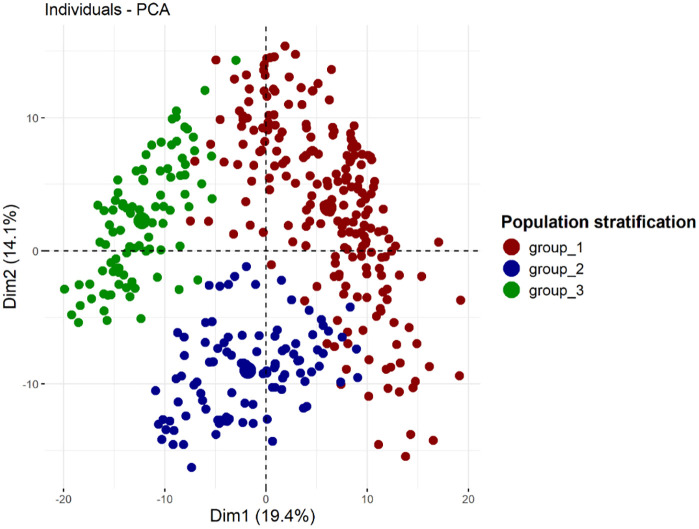 Figure 8
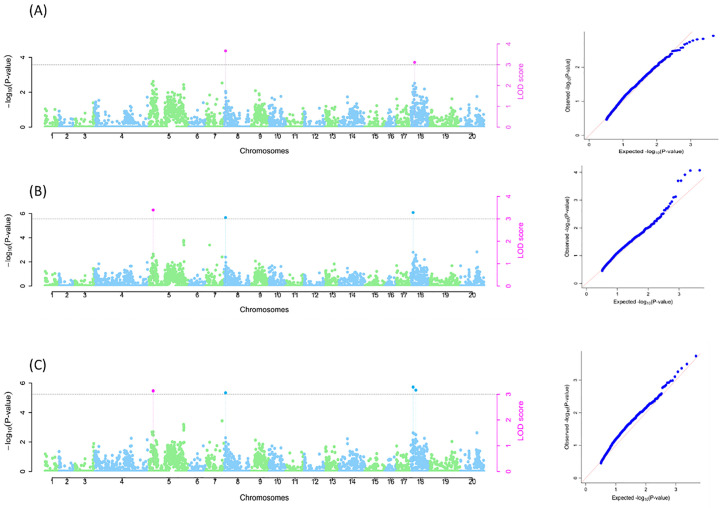 Figure 9
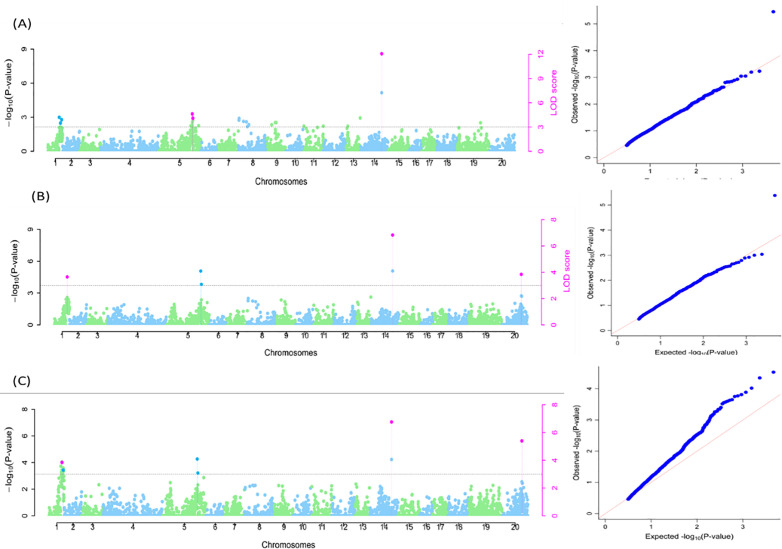 Figure 10
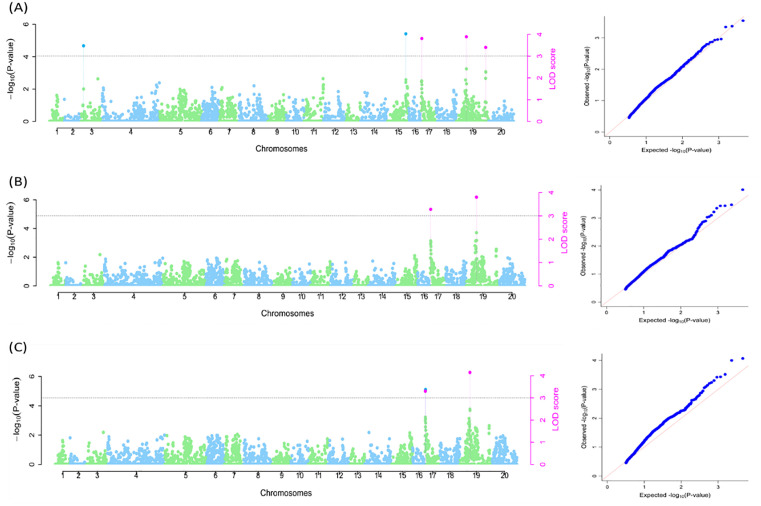 Figure 11
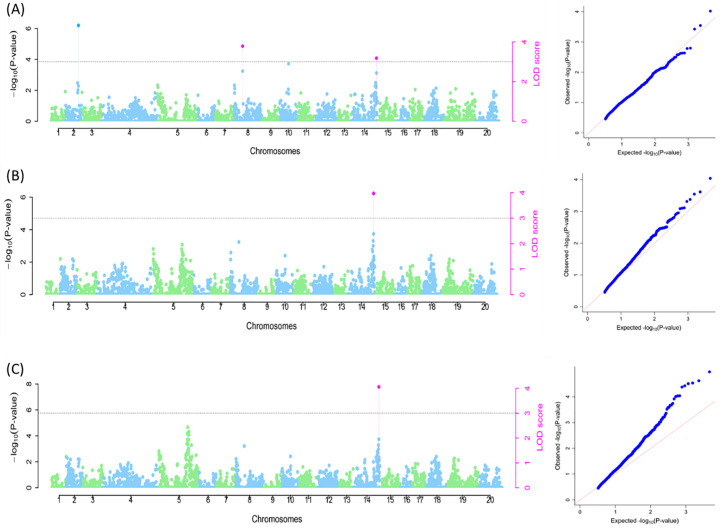 Figure 12
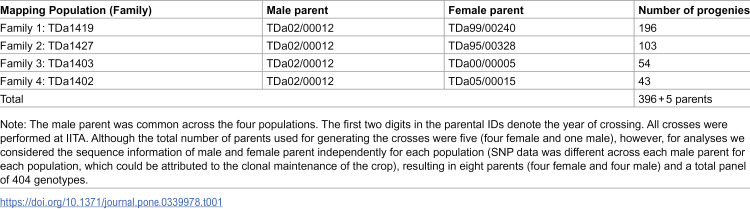 Figure 13
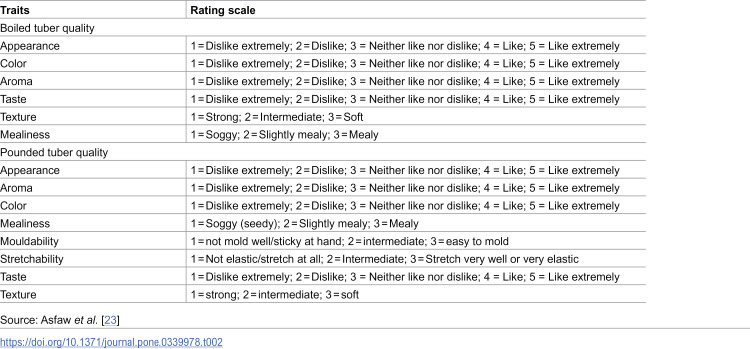 Figure 14
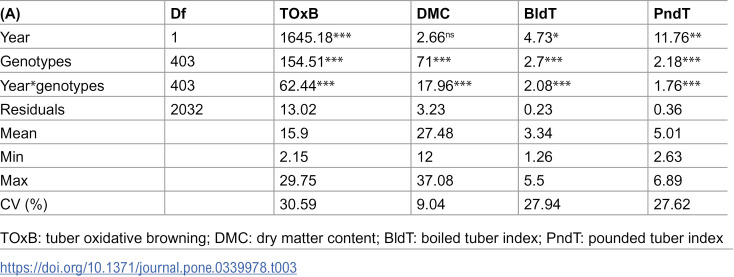 Figure 15
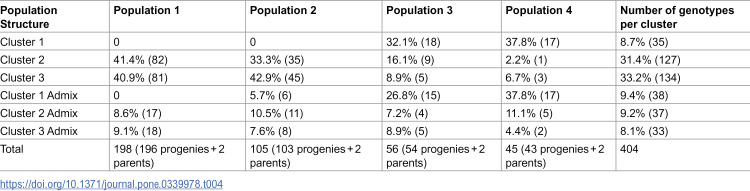 Figure 16
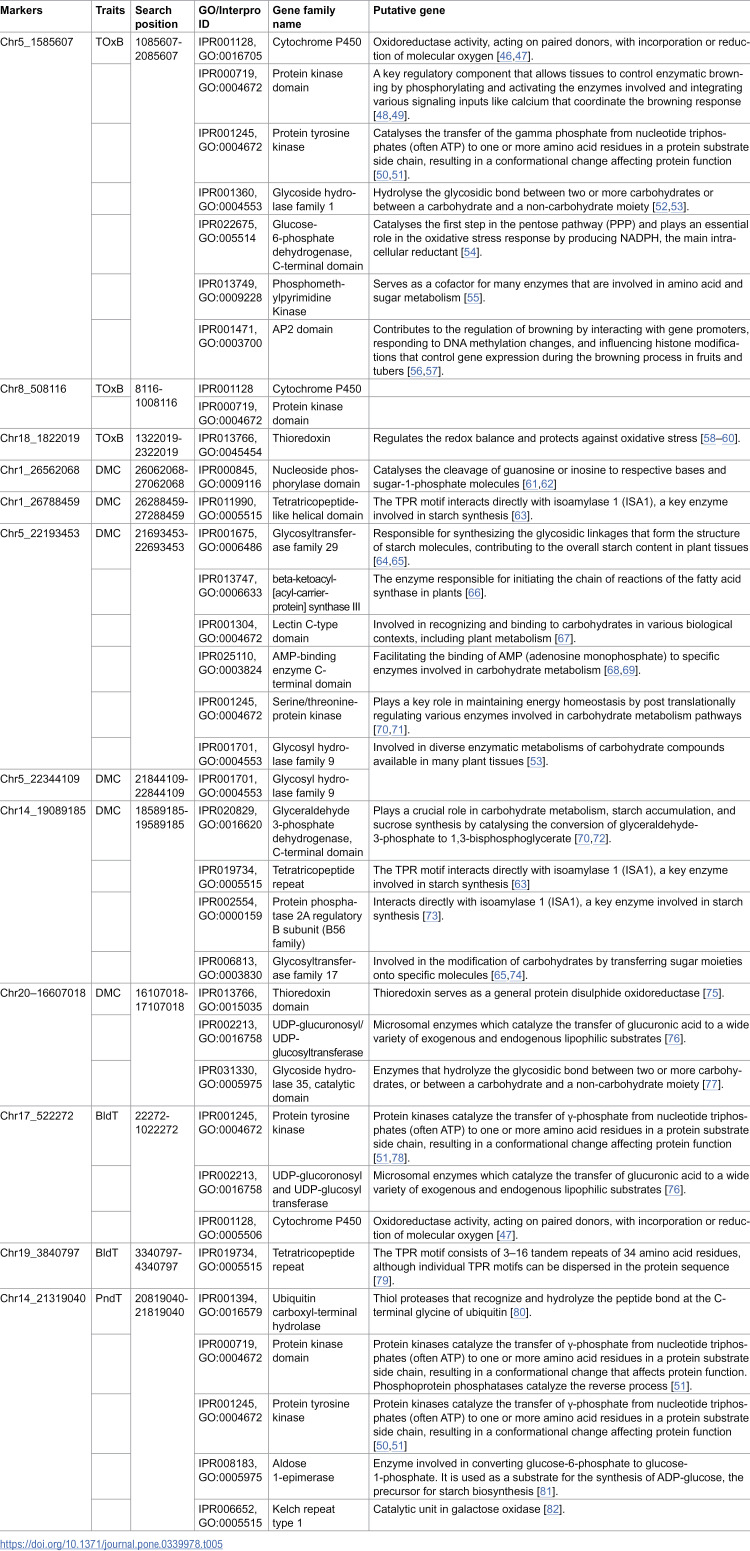 Figure 17
Peer Reviews
No public reviews on file for this paper yet. If you reviewed it on a platform where reviews are public (OpenReview, ICLR, NeurIPS, ICML), you can paste yours below so the community can read it here.
Videos
No videos yet. Explain this paper in a talk, walkthrough, or lecture? Add one.
Taxonomy
TopicsPotato Plant Research · Climate change impacts on agriculture · Seed and Plant Biochemistry