An ecological model of vaginal dysbiosis provides new research leads
François Massol

TL;DR
A new ecological model of bacterial vaginosis offers insights into its causes and potential prevention strategies.
Contribution
The paper introduces a novel ecological model that explains the causes of bacterial vaginosis and suggests new prophylactic approaches.
Findings
The model is supported by existing data and provides a solid hypothesis for the condition's origins.
It hints at potential new strategies for preventing bacterial vaginosis.
Abstract
While clinical features of bacterial vaginosis have been amply described, its underlying causes are still debated. A new ecological model published in PLOS Biology provides a solid hypothesis corroborated by existing data, hinting at new prophylactic strategies. While clinical features of bacterial vaginosis have been amply described, its underlying causes are still debated. This Primer explores a new ecological model published in PLOS Biology that provides a solid hypothesis corroborated by existing data, hinting at new prophylactic strategies.
Genes, proteins, chemicals, diseases, species, mutations and cell lines named across the full text — each resolved to its canonical identifier and authoritative record.
Click any figure to enlarge with its caption.
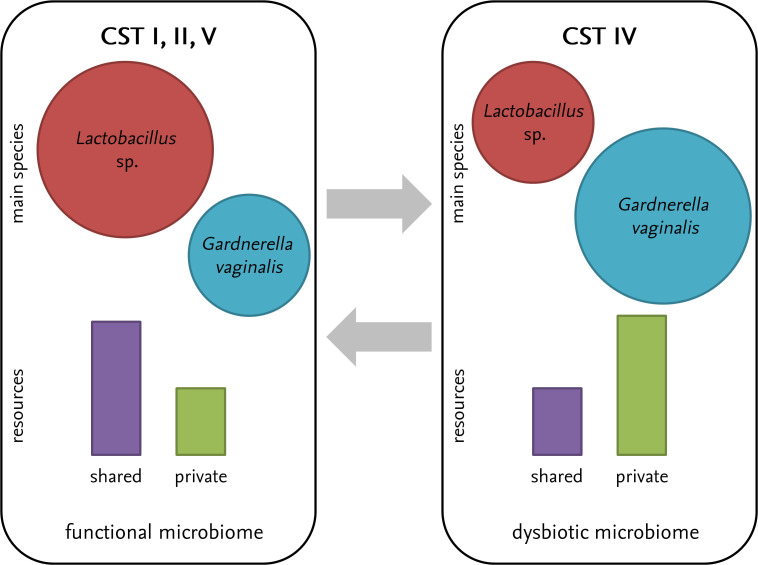 Figure 1
Peer Reviews
No public reviews on file for this paper yet. If you reviewed it on a platform where reviews are public (OpenReview, ICLR, NeurIPS, ICML), you can paste yours below so the community can read it here.
Videos
No videos yet. Explain this paper in a talk, walkthrough, or lecture? Add one.
Taxonomy
TopicsReproductive tract infections research · Urinary Tract Infections Management · Syphilis Diagnosis and Treatment