The FsrA‐Mediated Iron‐Sparing Response Regulates the Biosynthesis of the Epipeptide EPE in Bacillus subtilis
Sarah Miercke, Rabea Ghandour, Kai Papenfort, Thorsten Mascher

TL;DR
This paper shows how a regulatory RNA called FsrA helps bacteria produce a toxin to survive under low iron conditions by promoting toxin production and nutrient recycling.
Contribution
The study reveals FsrA's novel role as a positive regulator in secondary metabolism, expanding its known repressive functions.
Findings
FsrA base-pairs with RNA in the epeX-epeE region, enhancing epeE translation and EPE production under iron starvation.
FsrA promotes RNA processing and EPE toxin production, which triggers cannibalism and nutrient release.
Reporter assays show FsrA positively regulates EPE-dependent stress response under iron-limited conditions.
Abstract
Under severe nutrient‐limiting conditions, Bacillus subtilis is able to form highly resilient endospores for survival. However, to avoid this irreversible process, it employs an adaptive strategy termed cannibalism, a form of programmed cell death, to outcompete siblings and delay sporulation. One of the three cannibalism toxins, the epipeptide EPE, is encoded by the epeXEPAB operon. The pre‐pro‐peptide EpeX undergoes post‐translational modification and processing to be secreted as the mature EPE toxin. While EPE production is tightly regulated at multiple levels, this study focuses on the post‐transcriptional control by the small regulatory RNA FsrA, which is transcriptionally regulated by the global iron response regulator Fur. Electrophoretic mobility shift assays and RNA structure probing revealed two binding sites of FsrA within the intergenic region between epeX and epeE…
Genes, proteins, chemicals, diseases, species, mutations and cell lines named across the full text — each resolved to its canonical identifier and authoritative record.
Click any figure to enlarge with its caption.
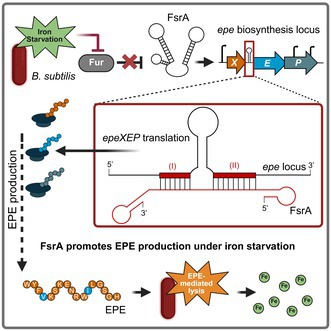 Figure 1
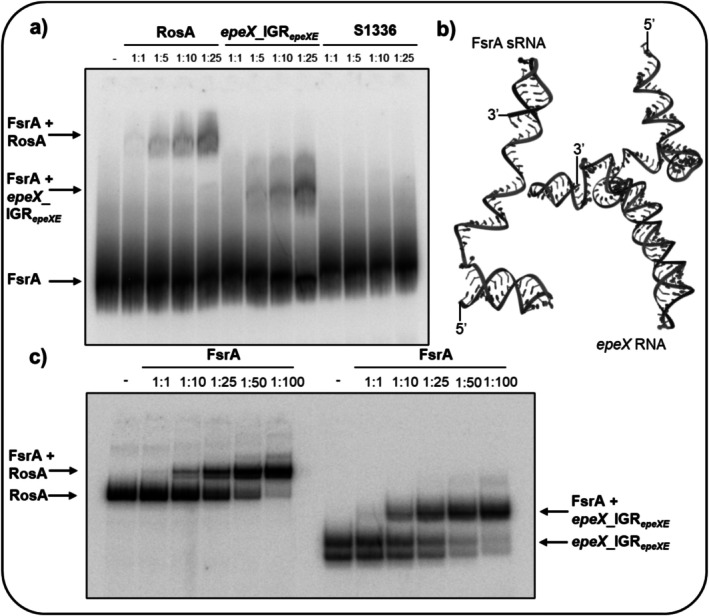 Figure 2
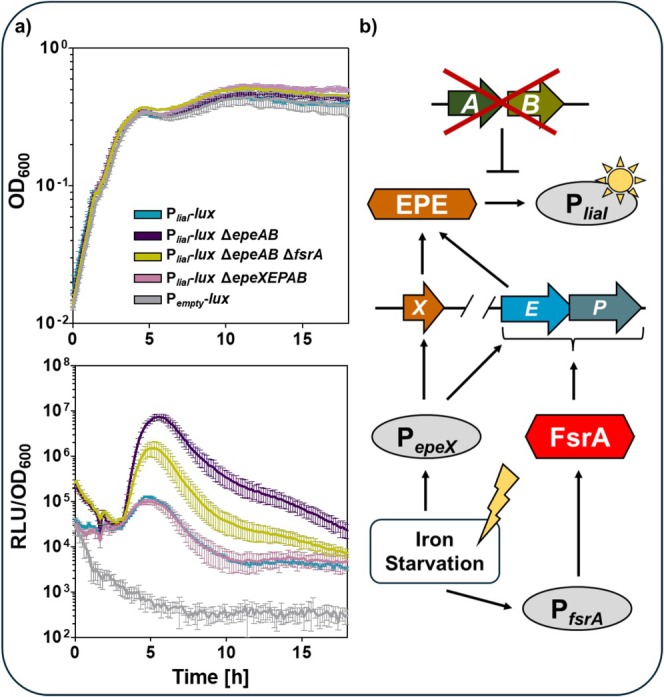 Figure 3
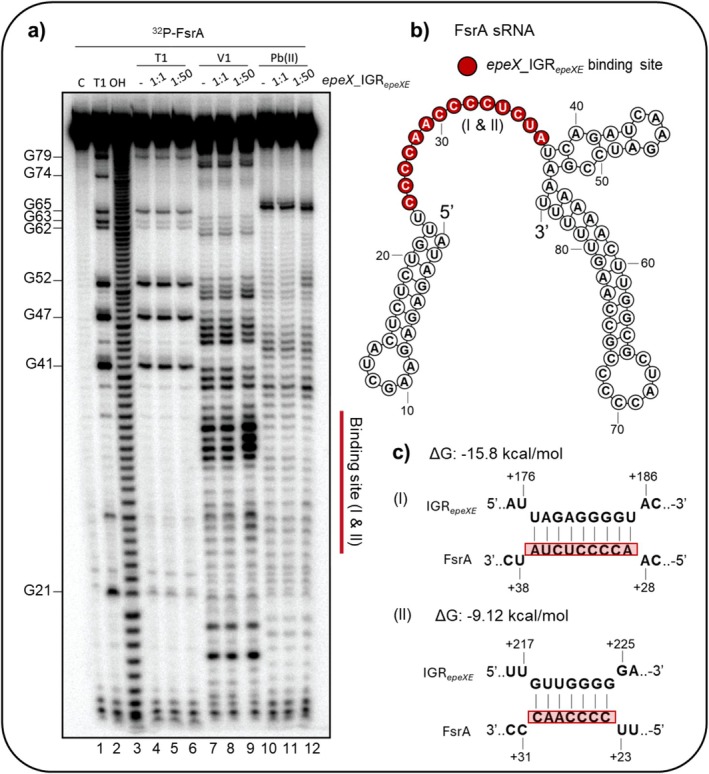 Figure 4
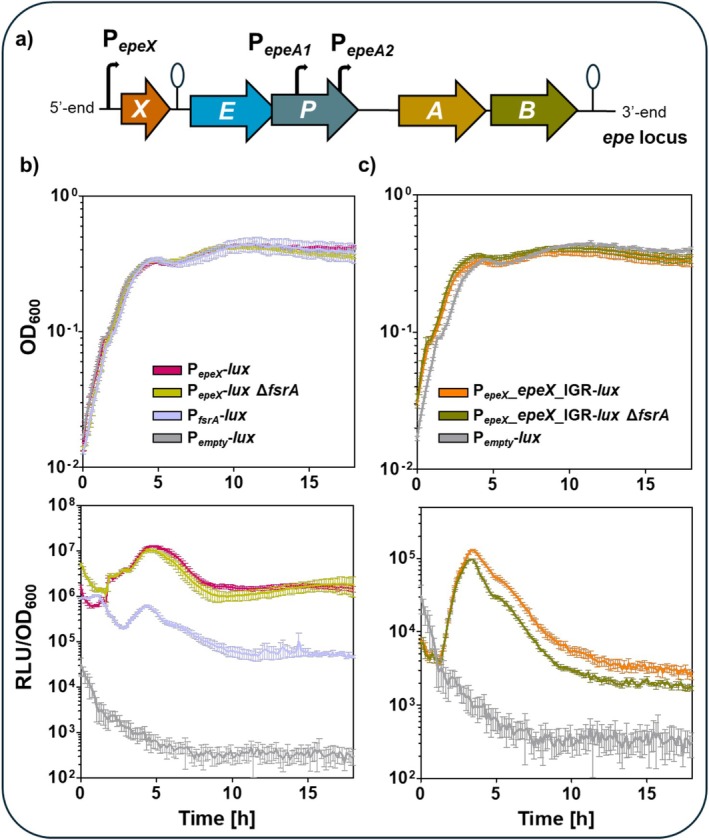 Figure 5
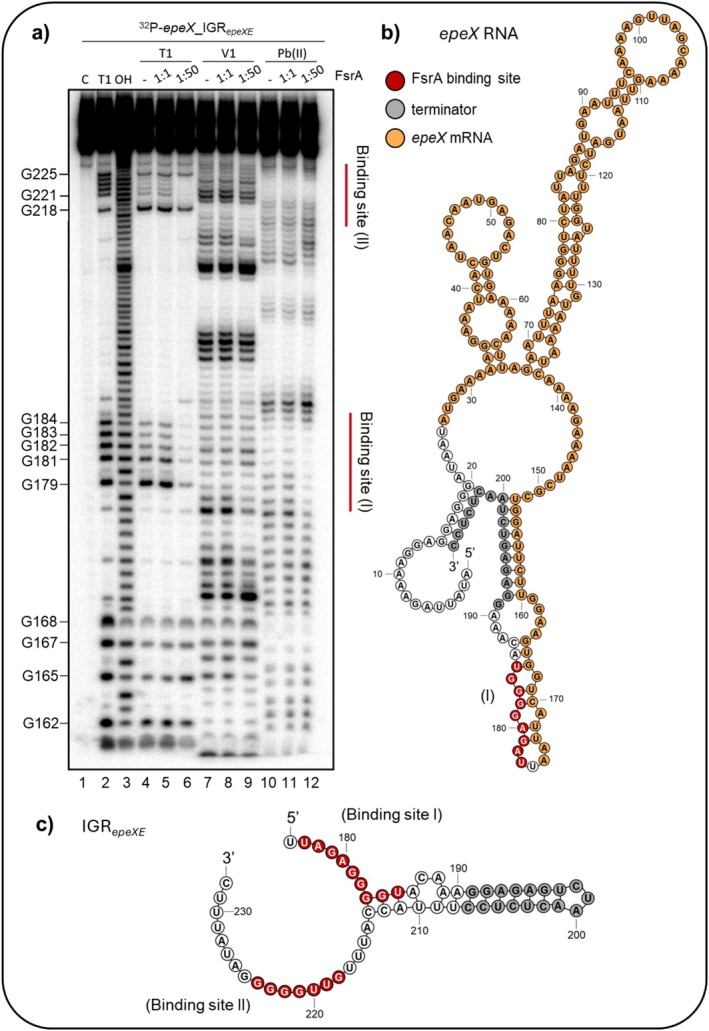 Figure 6
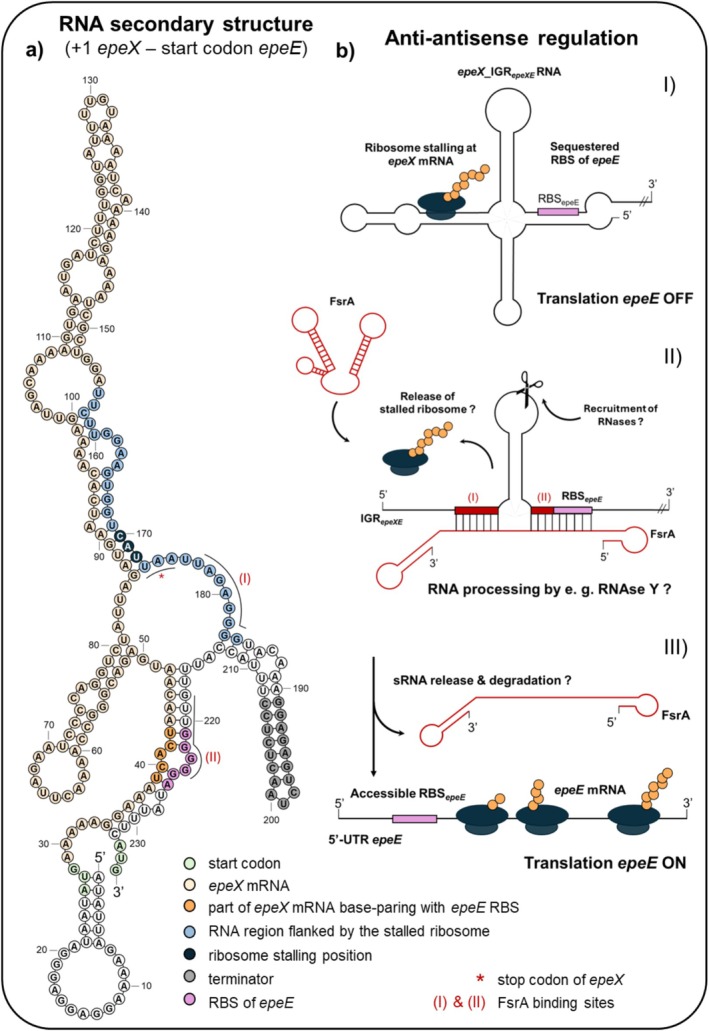 Figure 7
Peer Reviews
No public reviews on file for this paper yet. If you reviewed it on a platform where reviews are public (OpenReview, ICLR, NeurIPS, ICML), you can paste yours below so the community can read it here.
Videos
No videos yet. Explain this paper in a talk, walkthrough, or lecture? Add one.
Taxonomy
TopicsBacterial Genetics and Biotechnology · Vibrio bacteria research studies · Yersinia bacterium, plague, ectoparasites research