A short peptide derived from late embryogenesis abundant proteins enhances acid tolerance in Escherichia coli via modulation of two‐component regulatory systems
Khaled Metwally, Shinya Ikeno

TL;DR
A short peptide inspired by LEA proteins helps E. coli survive acidic conditions by affecting stress-related genes and regulatory systems.
Contribution
The study reveals a new role for LEA peptides as signal modulators in stress tolerance, beyond their protective functions.
Findings
LEA-K peptide improved E. coli viability under acidic stress at pH4.
283 genes were differentially expressed, involving stress response and proton pumping pathways.
LEA-K interacts with TCS proteins, suggesting a mechanistic link to stress resilience.
Abstract
Late embryogenesis abundant (LEA) proteins are responsible for facilitating tolerance to various environmental stresses across diverse organisms. Group 3 LEA proteins are characterised by the presence of 11‐mer amino acid motifs, which inspired the design of short peptides with similar protective functions. Here, we designed a LEA peptide variant (LEA‐K) and evaluated its acid tolerance capacity in Escherichia coli BL21 (DE3) at pH4. Expression of LEA‐K peptide improved the bacterial viability under acidic stress, suggesting its protective functions. To explore the molecular mechanism of such tolerance, we combined the RNA‐sequencing (RNA‐Seq) technique and molecular docking simulations. Transcriptome analysis identified 283 differentially expressed genes (DEGs), and revealed metabolic reprogramming and activation of stress‐related pathways, including proton pumping, biofilm formation,…
Genes, proteins, chemicals, diseases, species, mutations and cell lines named across the full text — each resolved to its canonical identifier and authoritative record.
Click any figure to enlarge with its caption.
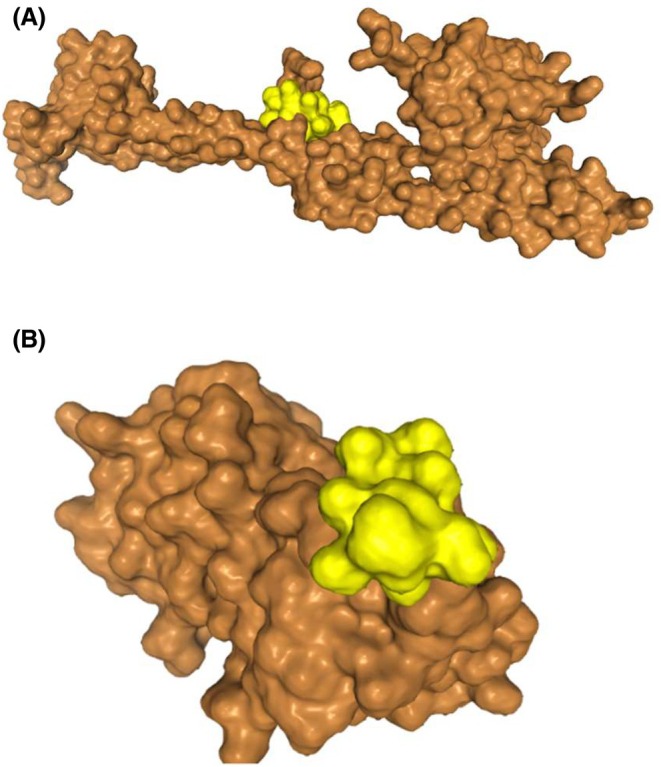 Figure 1
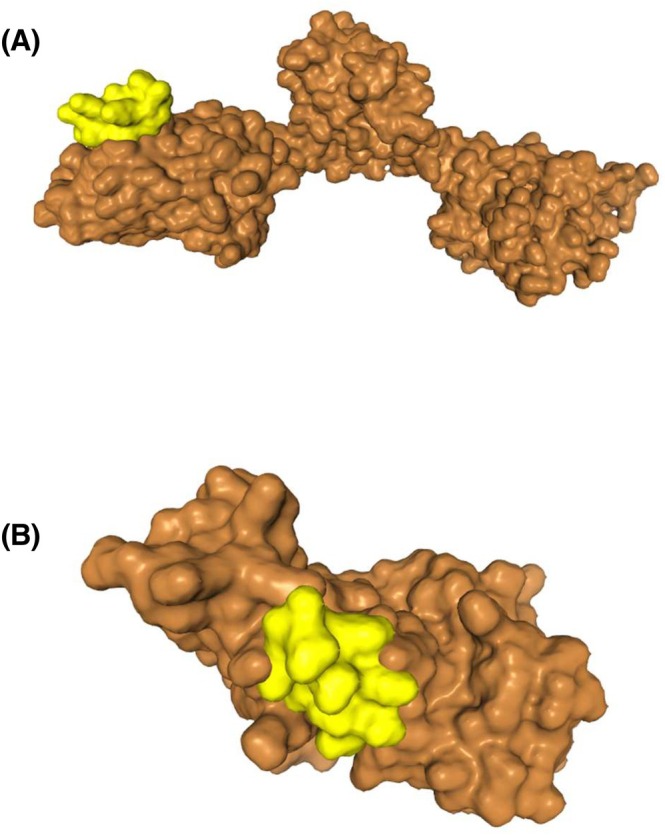 Figure 2
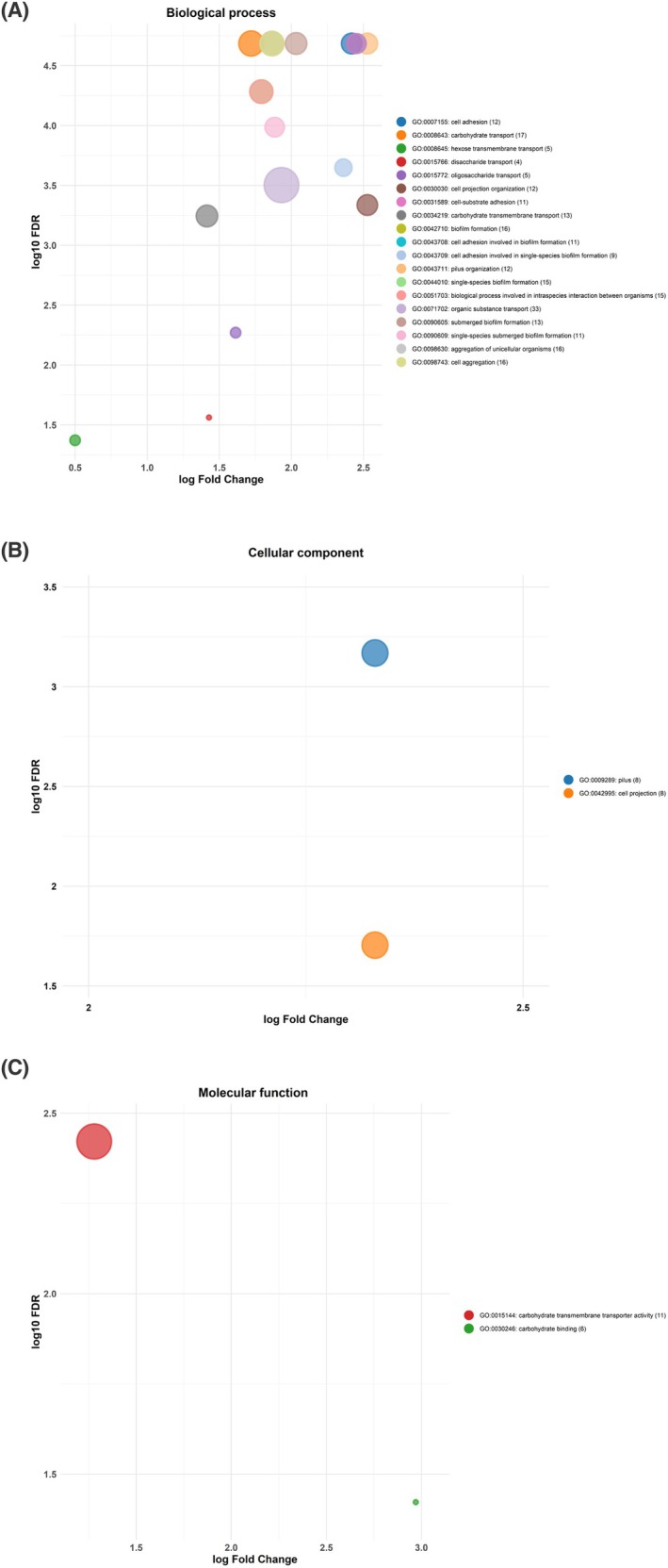 Figure 3
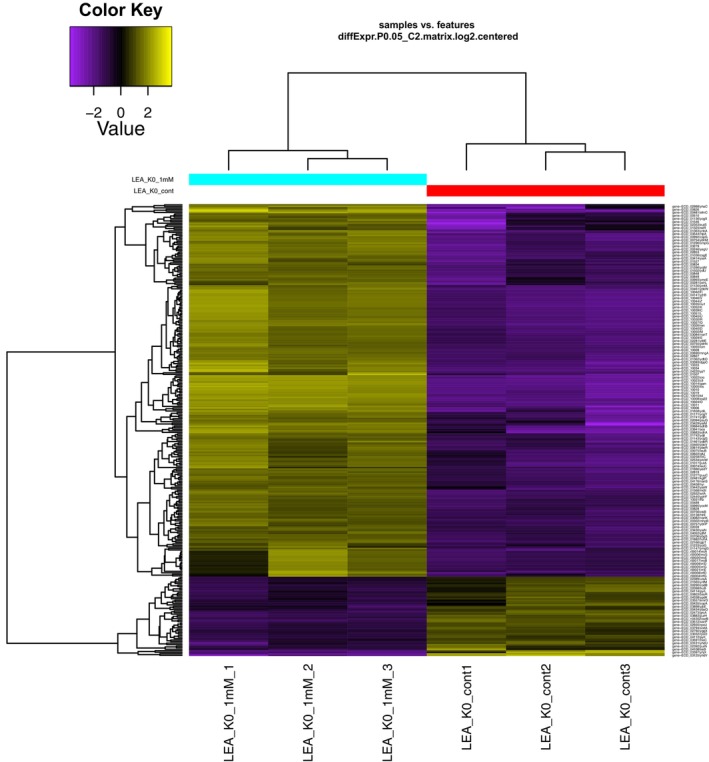 Figure 4
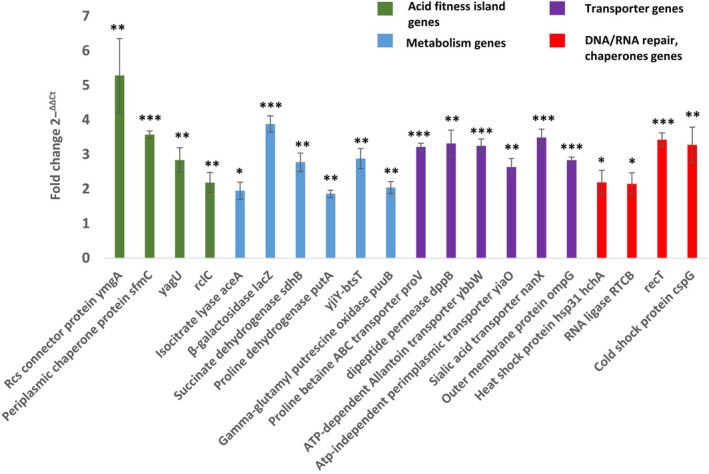 Figure 5
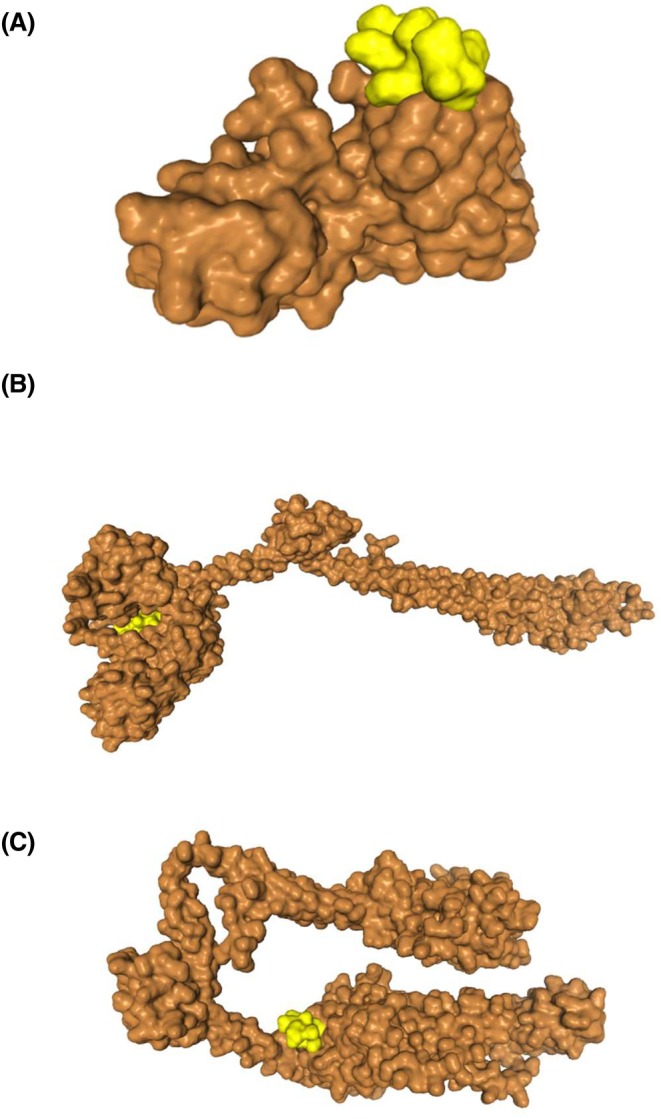 Figure 6
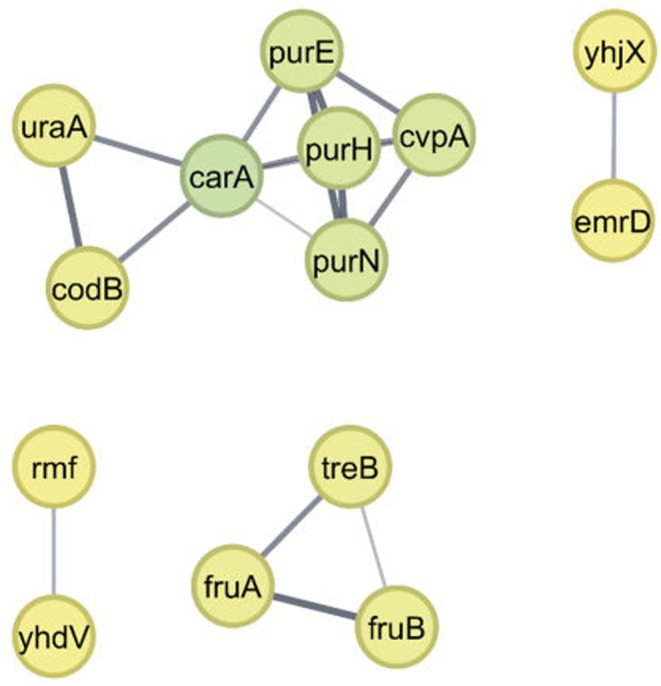 Figure 7
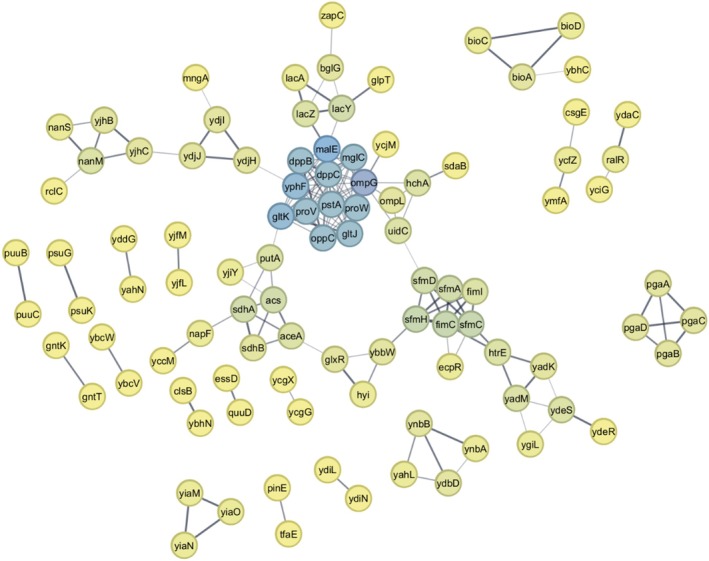 Figure 8
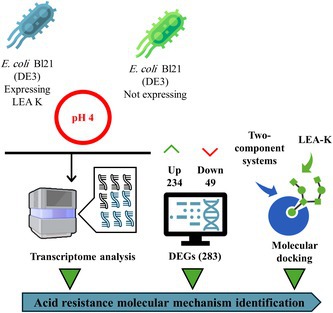 Figure 9
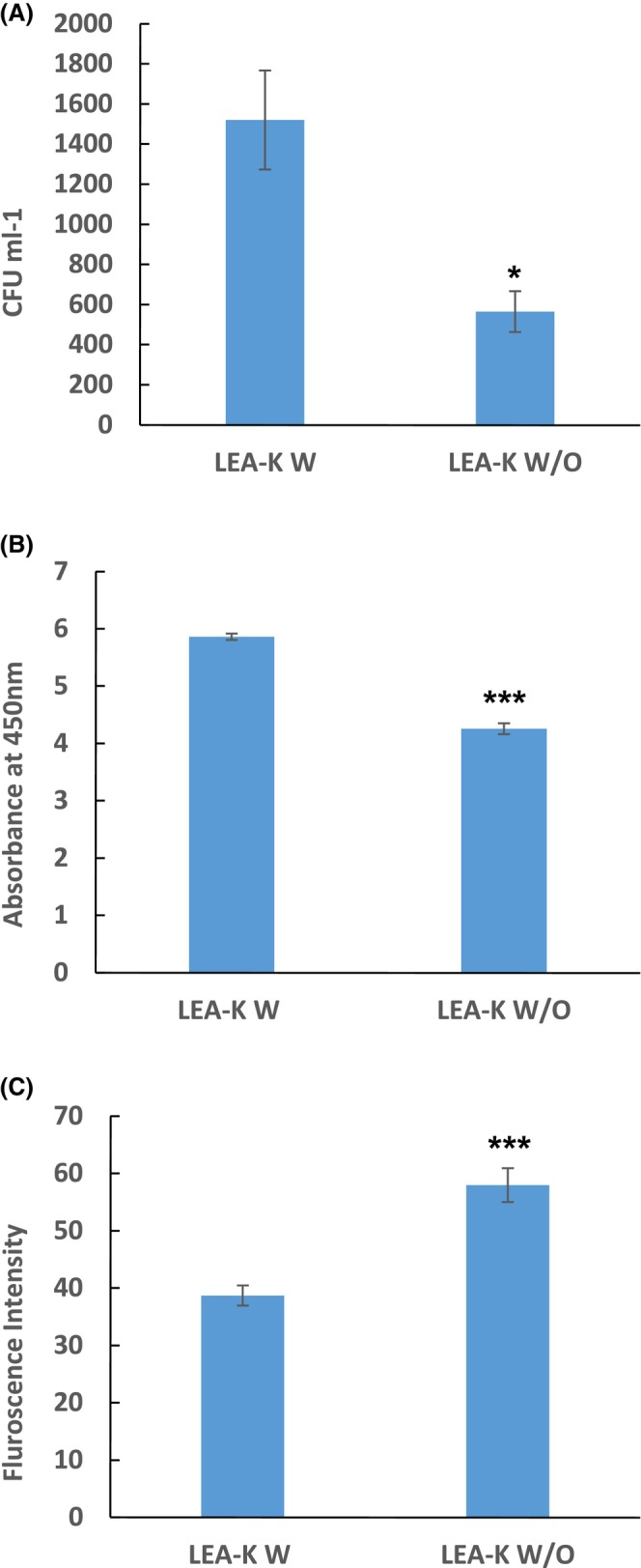 Figure 10
Peer Reviews
No public reviews on file for this paper yet. If you reviewed it on a platform where reviews are public (OpenReview, ICLR, NeurIPS, ICML), you can paste yours below so the community can read it here.
Videos
No videos yet. Explain this paper in a talk, walkthrough, or lecture? Add one.
Taxonomy
TopicsBacterial Genetics and Biotechnology · Bacterial biofilms and quorum sensing · Vibrio bacteria research studies