Regulatory T cells in skin utilize the Cxcr4-Cxcl12 axis to promote hair follicle regeneration
Jarish N. Cohen, Gayatri Kolluri, Sean Clancy, Victoire Gouirand, Courtney E. Macon, Lokesh A. Kalekar, Michael D. Rosenblum

TL;DR
Regulatory T cells in the skin use the Cxcr4-Cxcl12 pathway to help hair follicles regenerate, which could lead to new treatments for hair loss.
Contribution
The study identifies the Cxcr4-Cxcl12 axis as a conserved mechanism for Treg accumulation in hair follicles, essential for hair growth.
Findings
Tregs use Cxcr4, partially regulated by glucocorticoid receptor signaling, to accumulate in hair follicles.
Cxcl12 is enriched in upper hair follicle keratinocytes, and disrupting the Cxcr4-Cxcl12 axis impairs hair growth.
Human and mouse skin show similar Cxcr4 ligand expression patterns, indicating evolutionary conservation.
Abstract
Regulatory T cells (Tregs) play important immunosuppressive and tissue-regenerative functions in skin. A subset of Tregs localizes to hair follicles (HFs), where they promote hair growth through activation of HF stem cells. However, the mechanisms driving Treg accumulation in HFs remain to be identified. We find that Tregs utilize Cxcr4 to accumulate in HF epithelium and that its expression is partially dependent on glucocorticoid receptor signaling. Additionally, we show that Cxcl12, the main cognate ligand of Cxcr4, is enriched in keratinocytes of the upper HF and that disruption of the Cxcr4-Cxcl12 axis results in suboptimal hair growth. Finally, we demonstrate that upper HF keratinocytes in human skin express Cxcr4 ligands in a pattern similar to that in murine skin. Collectively, these results reveal an evolutionary conserved pathway of Treg trafficking within a barrier tissue that…
Genes, proteins, chemicals, diseases, species, mutations and cell lines named across the full text — each resolved to its canonical identifier and authoritative record.
Click any figure to enlarge with its caption.
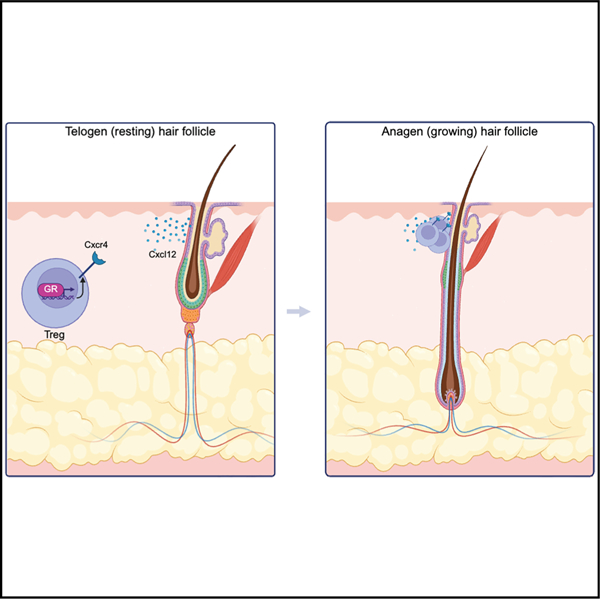 Figure 1
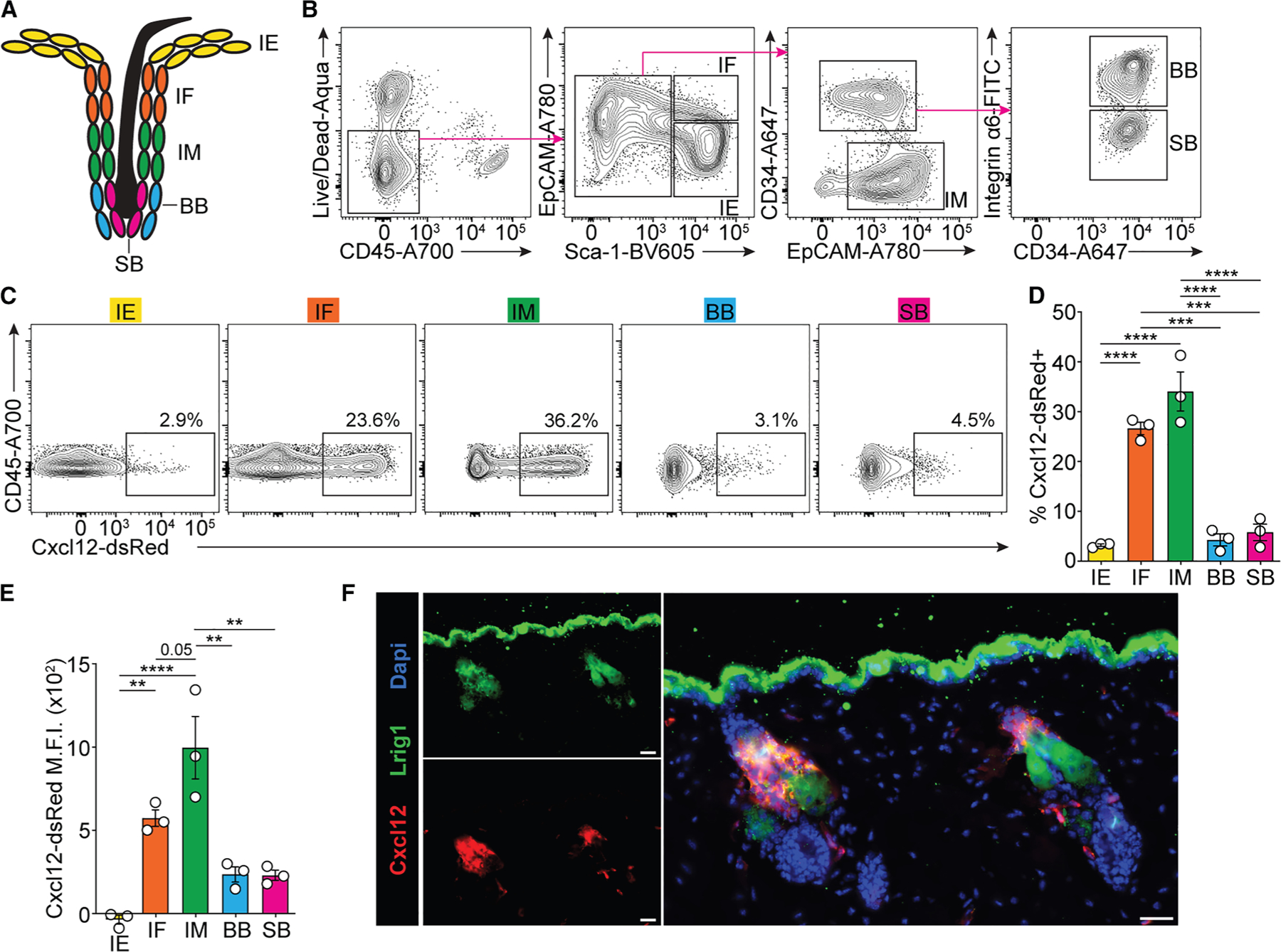 Figure 2
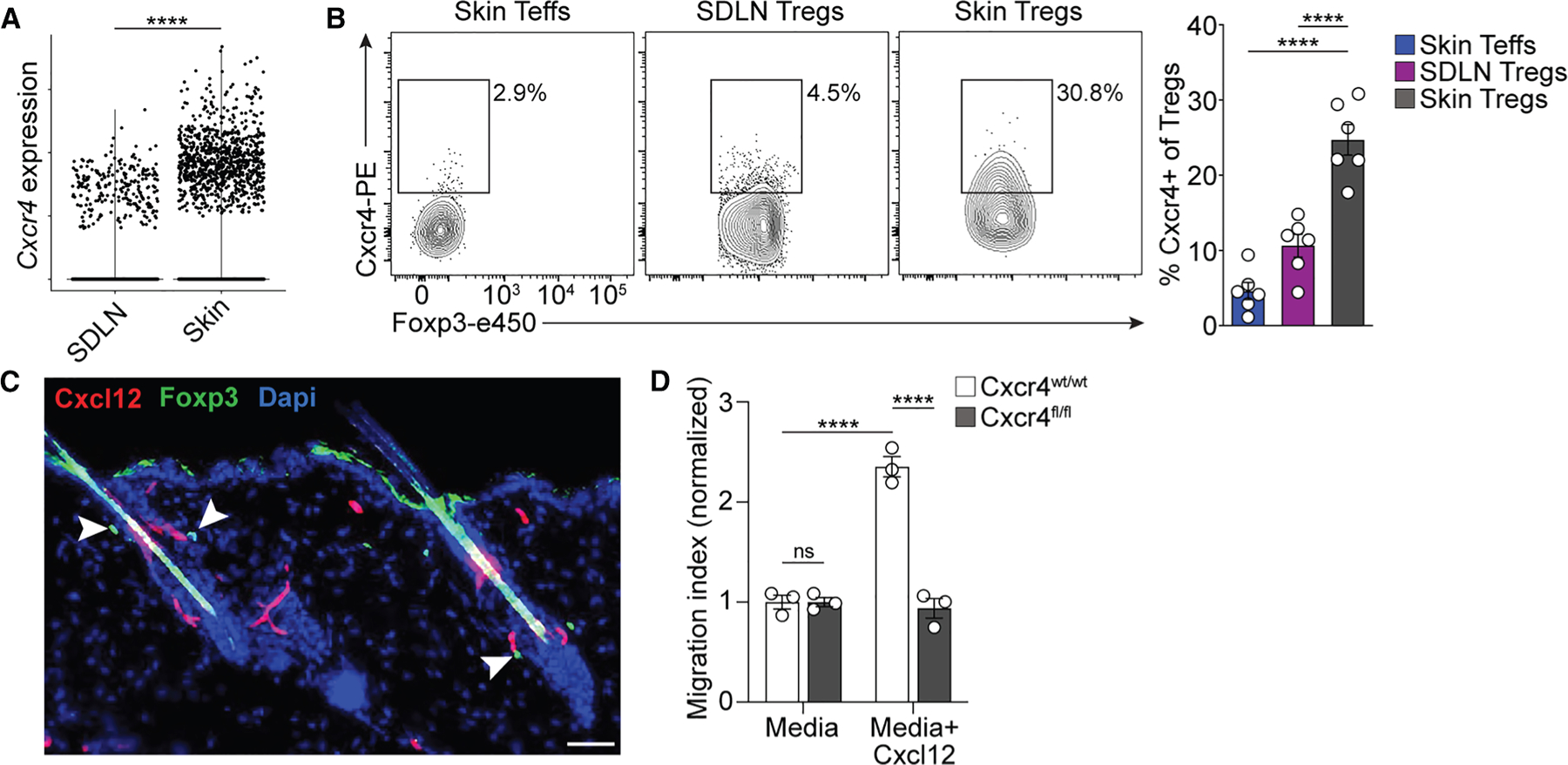 Figure 3
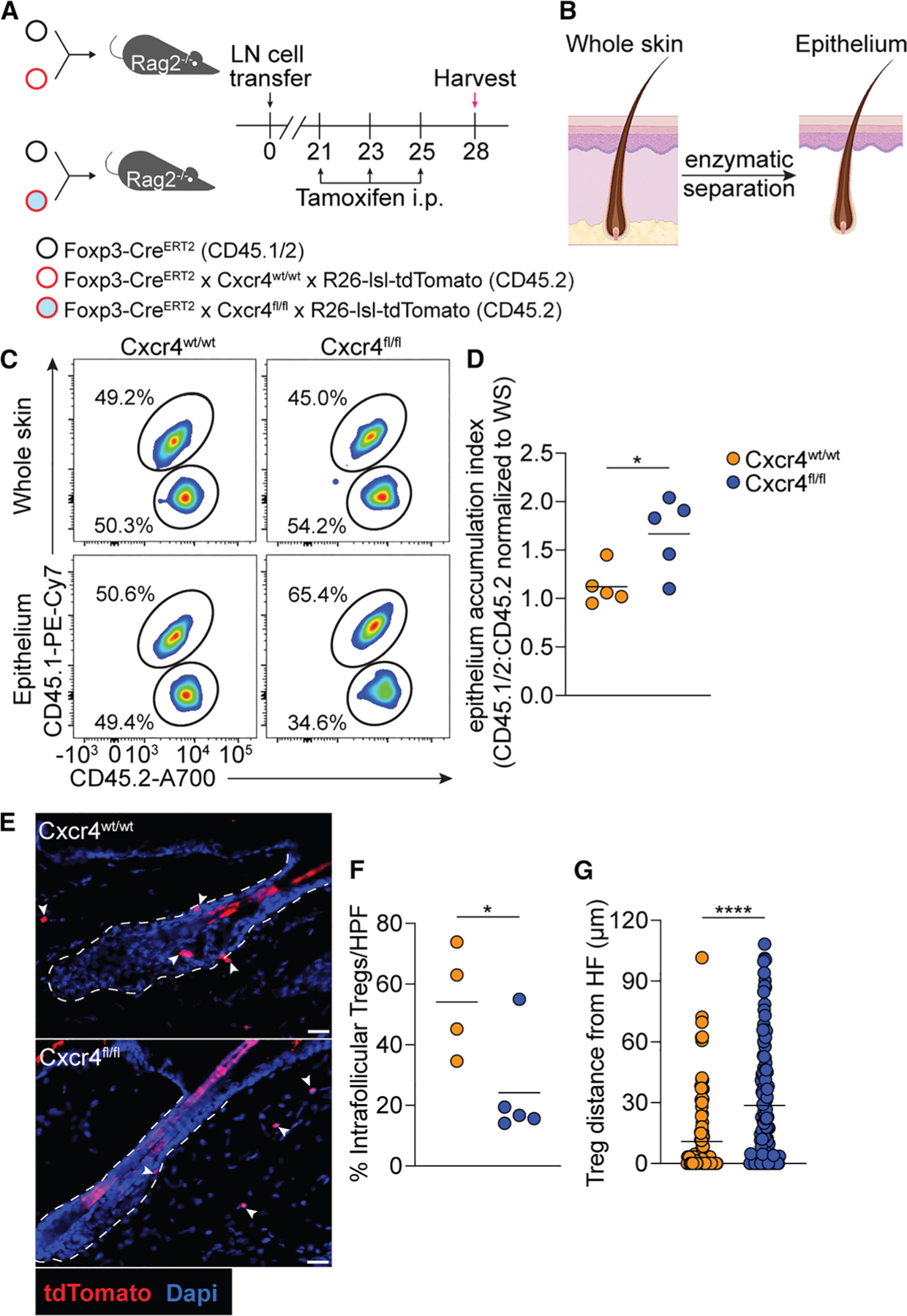 Figure 4
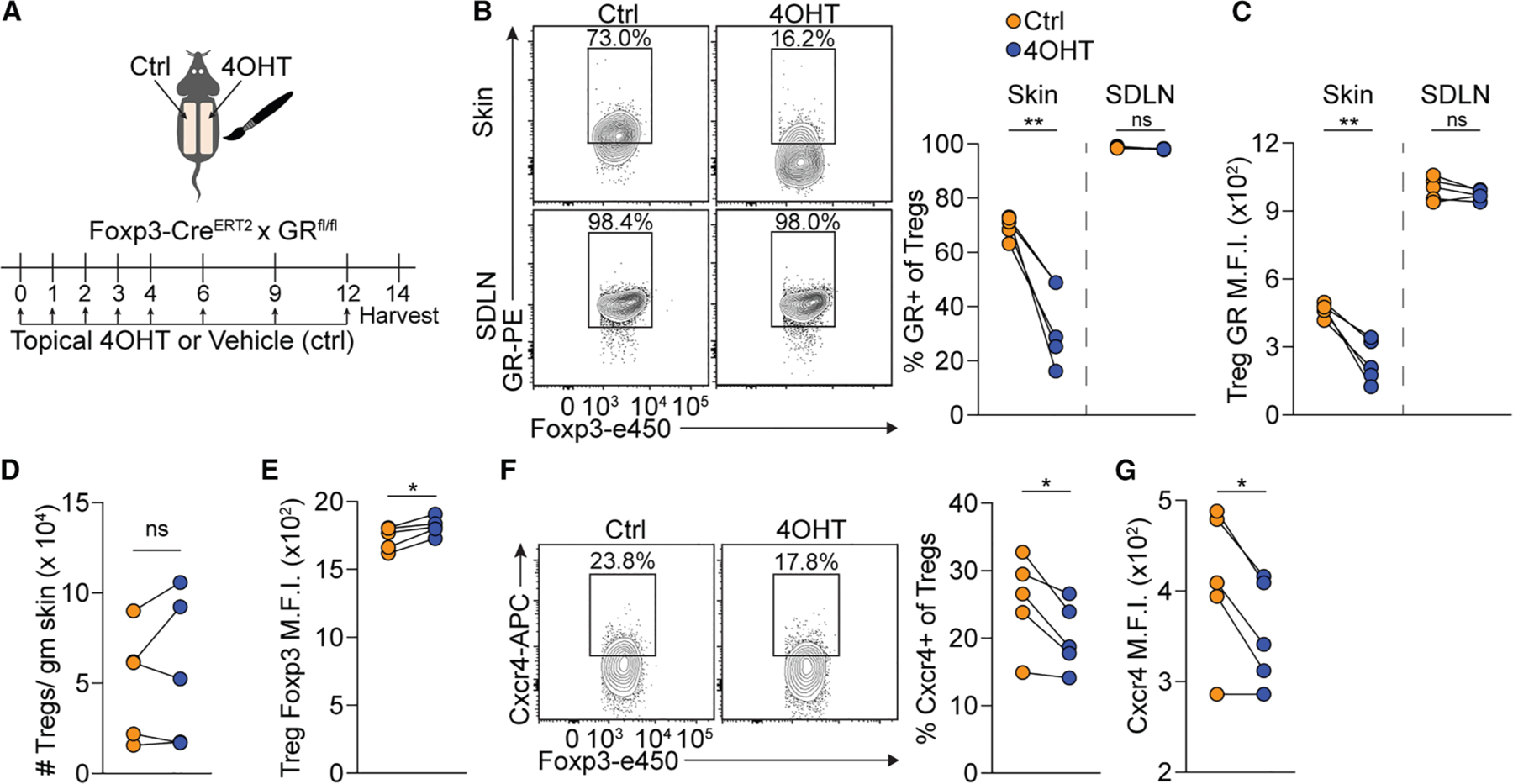 Figure 5
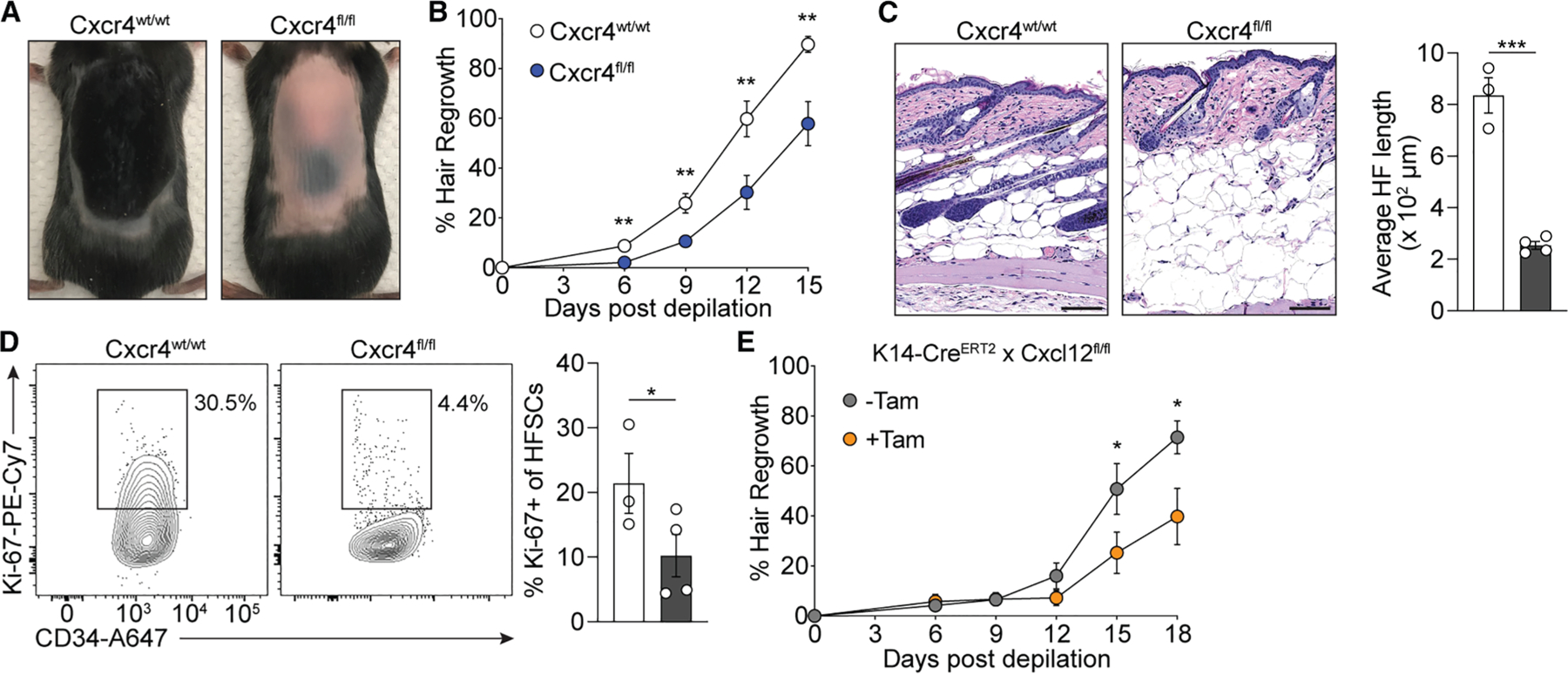 Figure 6
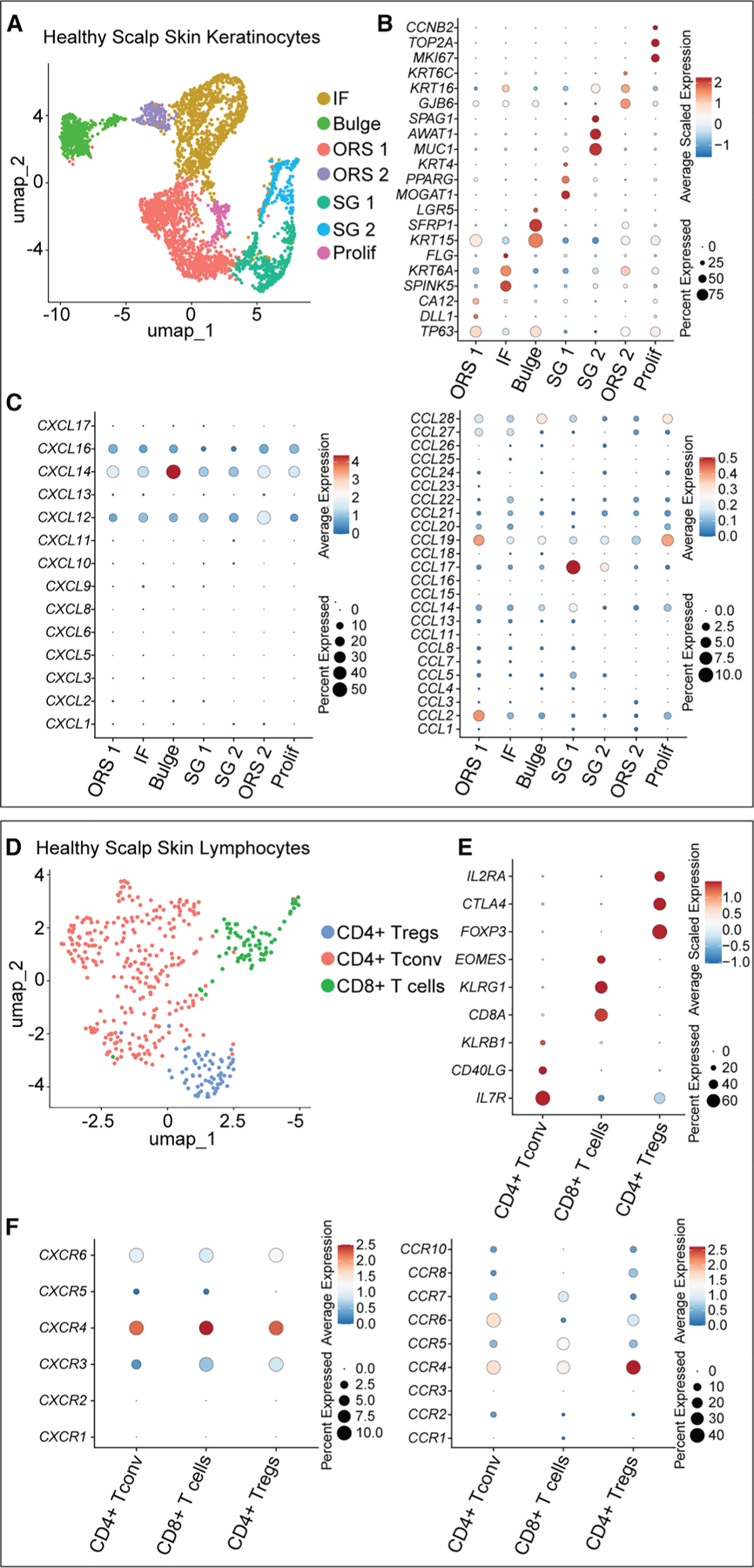 Figure 7
Peer Reviews
No public reviews on file for this paper yet. If you reviewed it on a platform where reviews are public (OpenReview, ICLR, NeurIPS, ICML), you can paste yours below so the community can read it here.
Videos
No videos yet. Explain this paper in a talk, walkthrough, or lecture? Add one.
Taxonomy
TopicsHair Growth and Disorders · Immune Cell Function and Interaction · NF-κB Signaling Pathways