Prediction of First and Multiple Antiretroviral Therapy Interruptions in People Living With HIV: Comparative Survival Analysis Using Cox and Explainable Machine Learning Models
Donald Salami, Emily Koech, Janet M Turan, Kristen A Stafford, Lilly Muthoni Nyagah, Stephen Ohakanu, Anthony K Ngugi, Manhattan Charurat

TL;DR
This study compares traditional and machine learning models to predict HIV treatment interruptions, finding that machine learning offers better predictions and personalized insights.
Contribution
The study demonstrates that recursive partitioning outperforms Cox models in predicting ART interruptions and provides explainable AI insights.
Findings
Recursive partitioning achieved higher concordance indices (0.81 for first, 0.89 for multiple interruptions) than the CPH model.
Explainable AI techniques provided global and individual-level insights aligning with and extending Cox model interpretations.
ML models offer superior predictive performance and actionable insights for personalized treatment retention strategies.
Abstract
The Cox proportional hazards (CPH) model is a common choice for analyzing time-to-treatment interruptions in patients on antiretroviral therapy (ART), valued for its straightforward interpretability and flexibility in handling time-dependent covariates. Machine learning (ML) models have increasingly been adapted for handling temporal data, with added advantages of handling complex, nonlinear relationships and large datasets, and providing clear practical interpretations. This study aims to compare the predictive performance of the traditional CPH model and ML models in predicting treatment interruptions among patients on ART, while also providing both global and individual-level explanations to support personalized, data-driven interventions for improving treatment retention. Using data from 621,115 patients who started ART between 2017 and 2023, in Kenya, we compared the performance…
Genes, proteins, chemicals, diseases, species, mutations and cell lines named across the full text — each resolved to its canonical identifier and authoritative record.
Click any figure to enlarge with its caption.
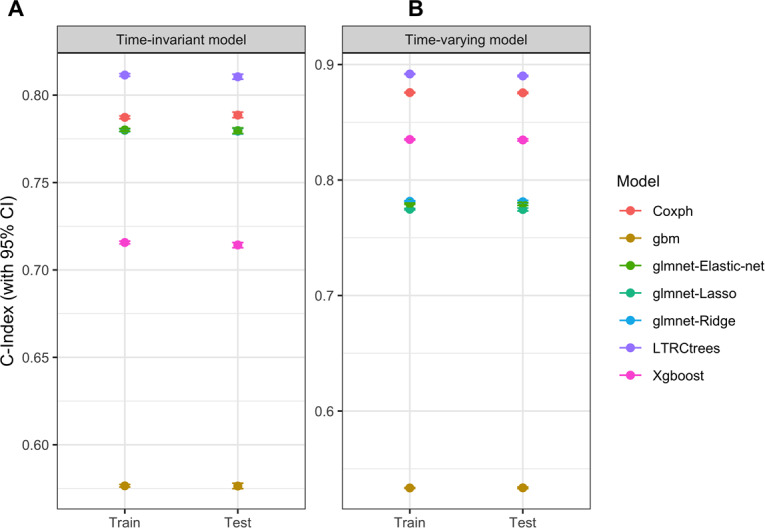 Figure 1
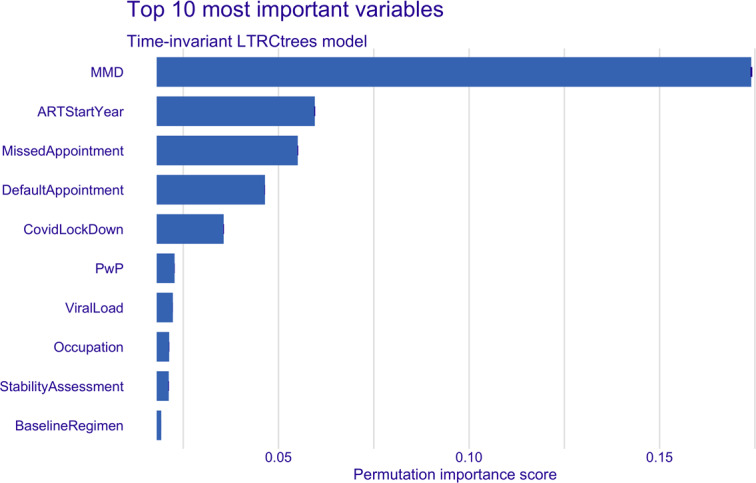 Figure 2
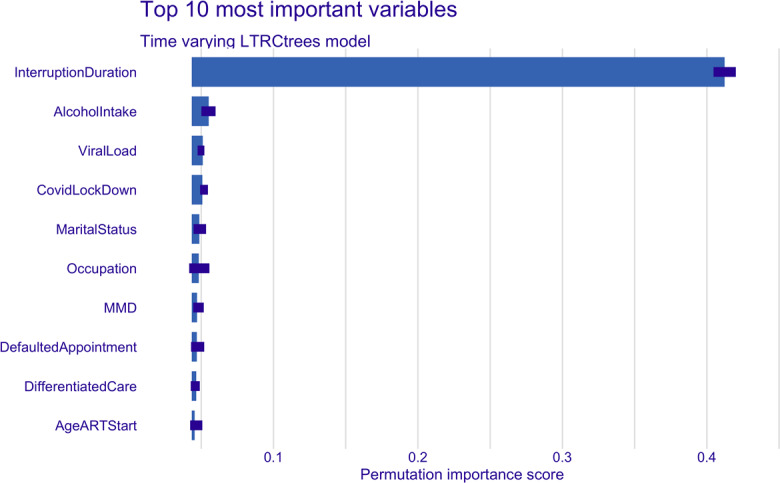 Figure 3
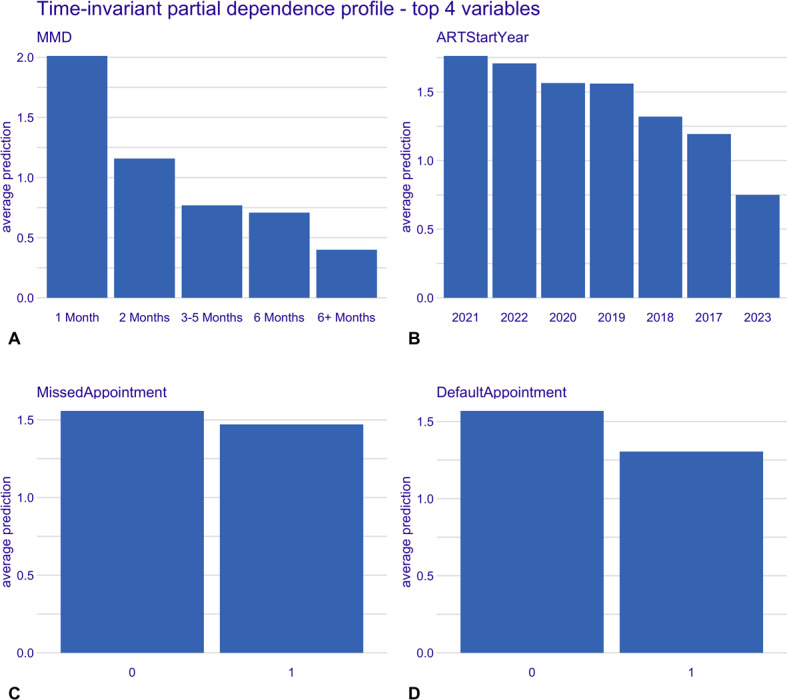 Figure 4
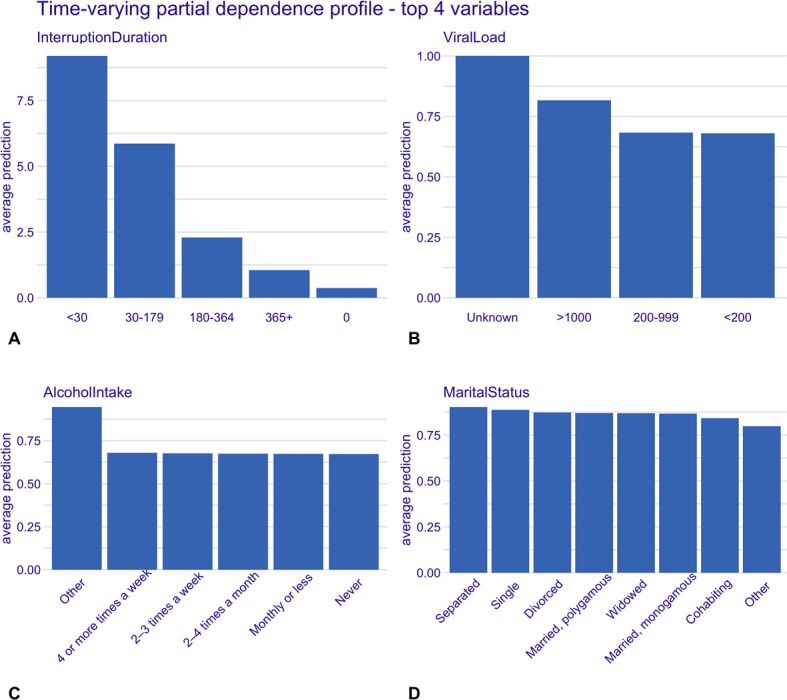 Figure 5
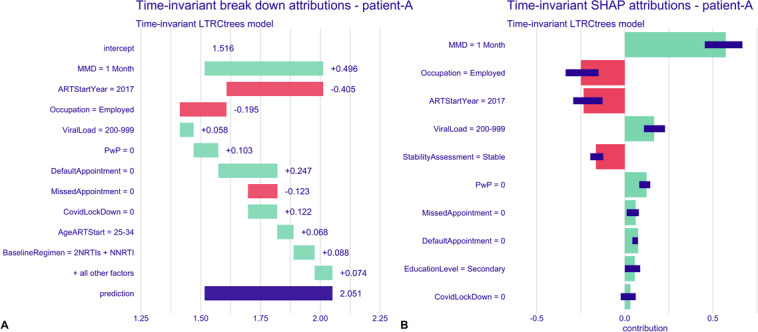 Figure 6
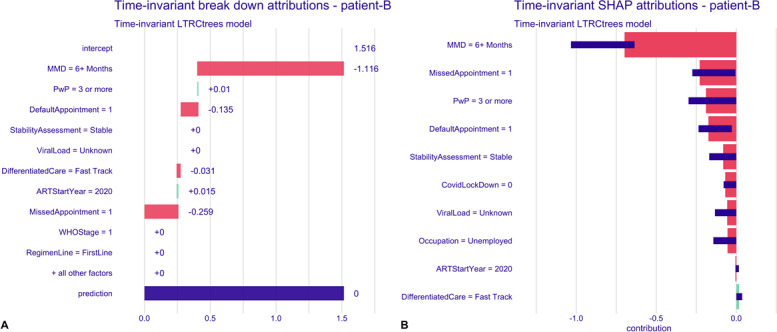 Figure 7
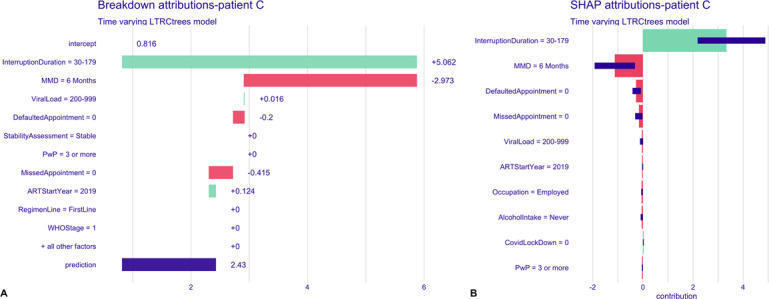 Figure 8
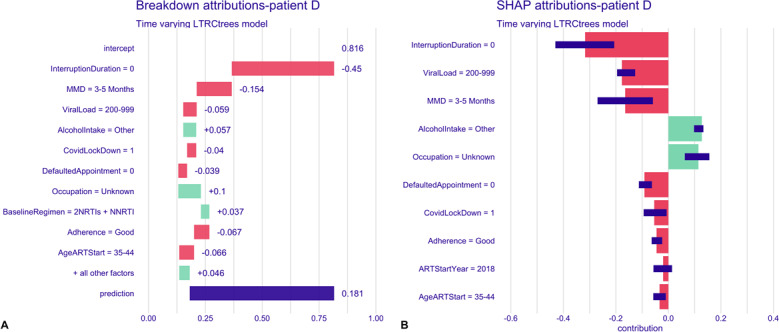 Figure 9
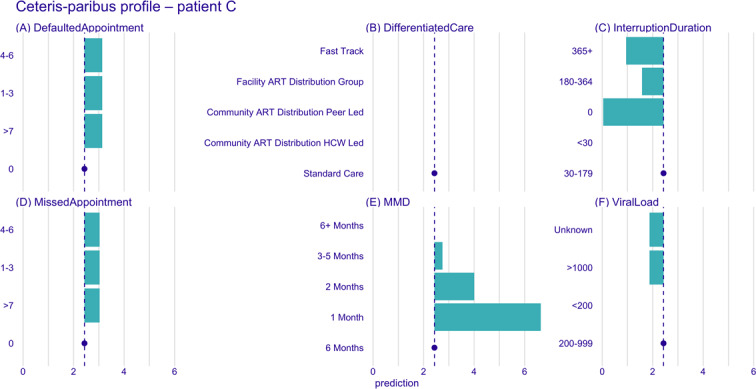 Figure 10
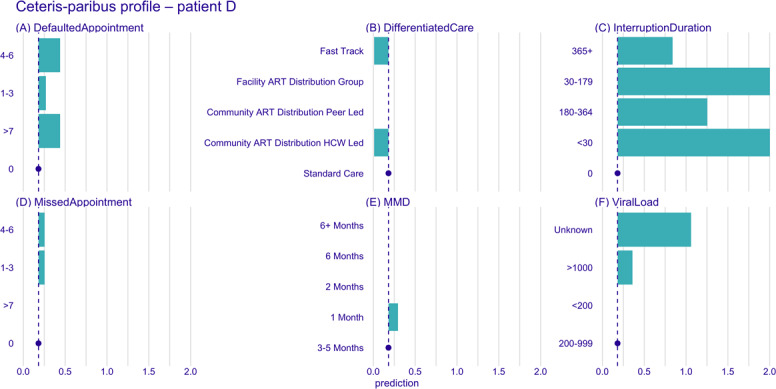 Figure 11
Peer Reviews
No public reviews on file for this paper yet. If you reviewed it on a platform where reviews are public (OpenReview, ICLR, NeurIPS, ICML), you can paste yours below so the community can read it here.
Videos
No videos yet. Explain this paper in a talk, walkthrough, or lecture? Add one.
Taxonomy
TopicsHIV/AIDS Research and Interventions · HIV Research and Treatment · HIV/AIDS drug development and treatment