Long‐term culture of skin biopsies: maintenance of fibroblast production and competency of reprogramming
Sudiksha Rathan‐Kumar, Michael A. Ripperger, Grant M. Westlake, Kevin C. Ess

TL;DR
This study shows that skin biopsies can be cultured long-term to produce fibroblasts that retain their function and can still be reprogrammed into stem cells.
Contribution
The study demonstrates that fibroblasts from long-term cultured skin biopsies retain reprogramming competency despite extended culture.
Findings
Fibroblasts cultured for up to 16 months maintained morphology and physiology but showed reduced proliferation rates.
Transcriptional changes occurred with long-term culture, but no major DNA deletions or amplifications were detected.
Fibroblasts from 16-month cultures retained the ability to be reprogrammed into induced pluripotent stem cells.
Abstract
Primary fibroblasts are widely used in a variety of experimental and therapeutic studies. Patient‐derived skin biopsies are an accessible way to generate dermal fibroblasts for wound and burn therapeutics and can be easily reprogrammed to induced pluripotent stem cells (iPSCs). Despite the increasing use and interest in skin biopsies, there is limited information regarding the culturing potential of a single biopsy and the effects of extended culture on fibroblast formation and reprogramming potential. To better understand the potential of long‐term skin biopsy culture, we cultured biopsy samples for 6–16 months, resulting in 6–16 generations of explant reculturing and then analyzed subsequent generations of fibroblasts. Our results showed that fibroblast morphology and physiology are maintained over time, but although older generations remained proliferative, they did so at a decreased…
Genes, proteins, chemicals, diseases, species, mutations and cell lines named across the full text — each resolved to its canonical identifier and authoritative record.
Click any figure to enlarge with its caption.
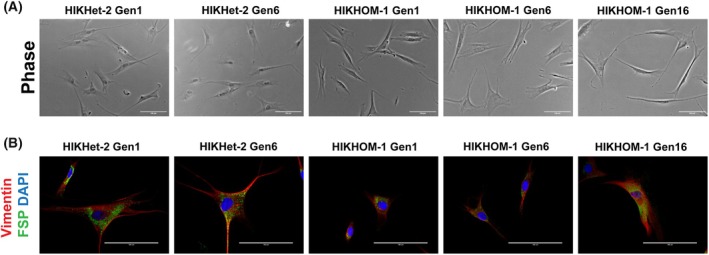 Figure 1
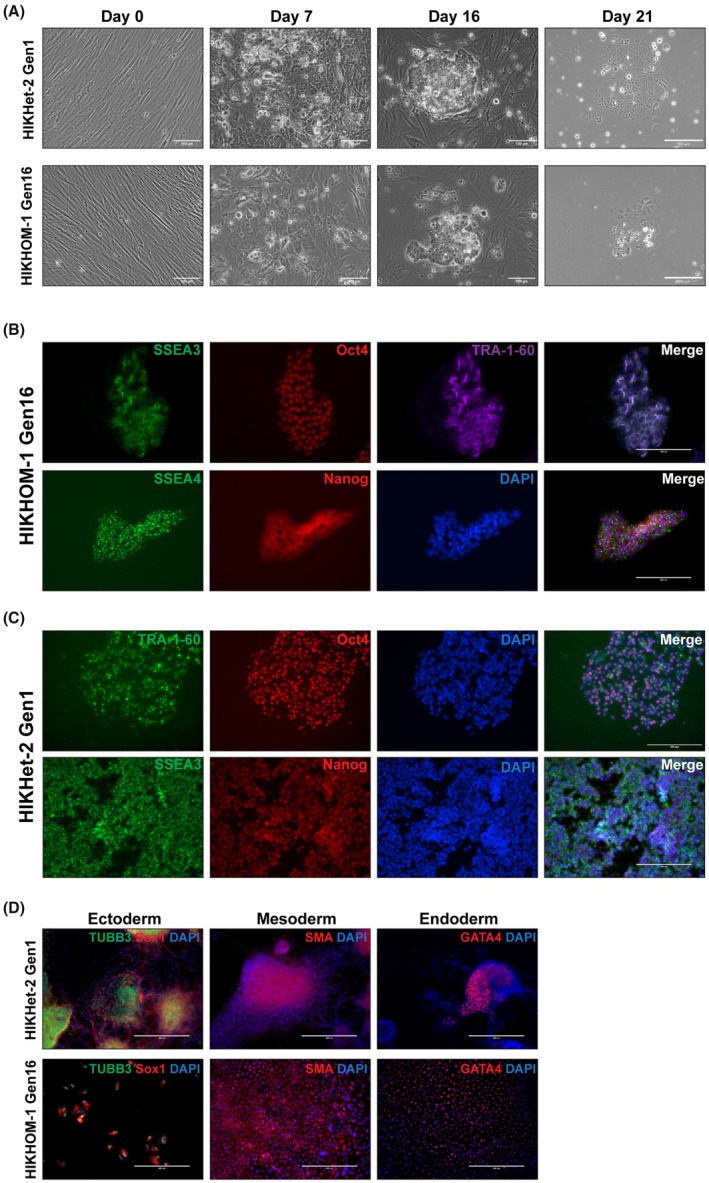 Figure 2
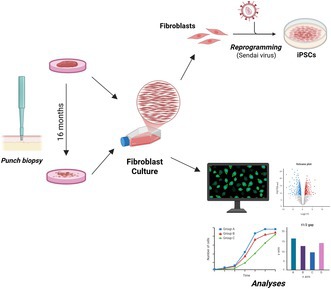 Figure 3
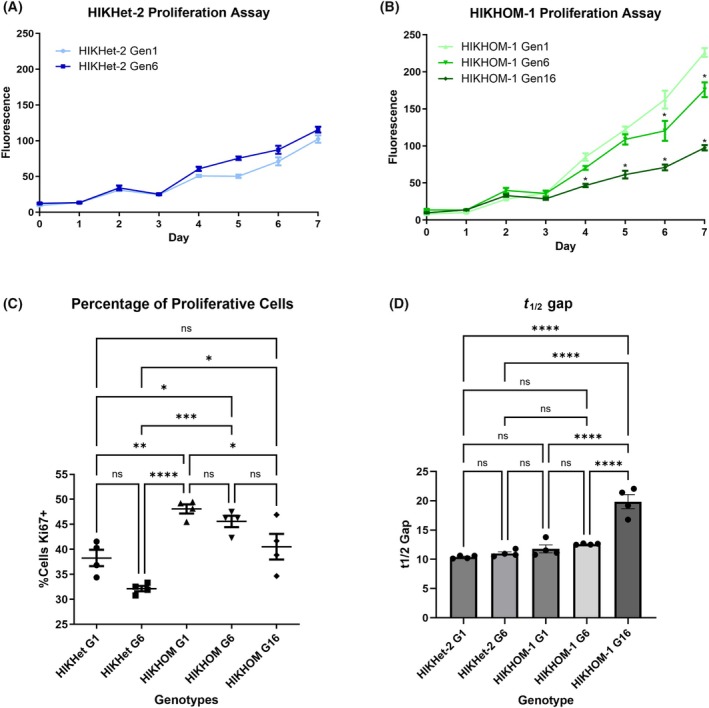 Figure 4
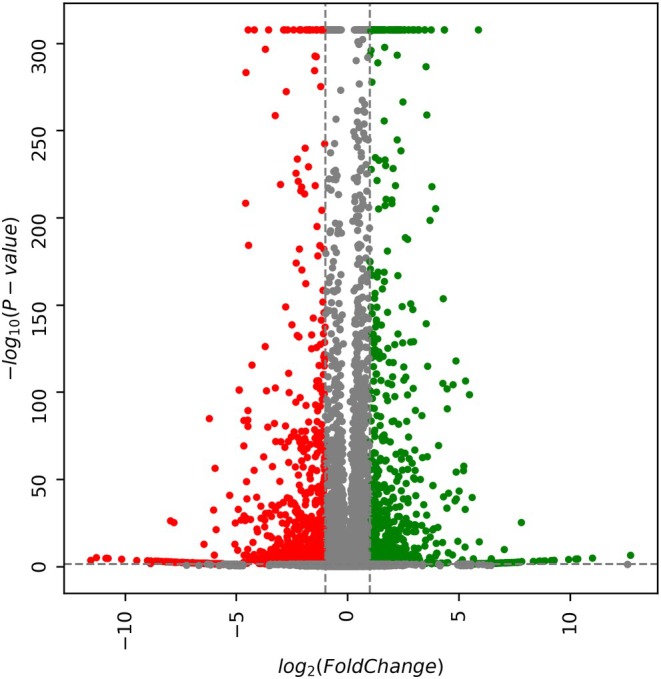 Figure 5
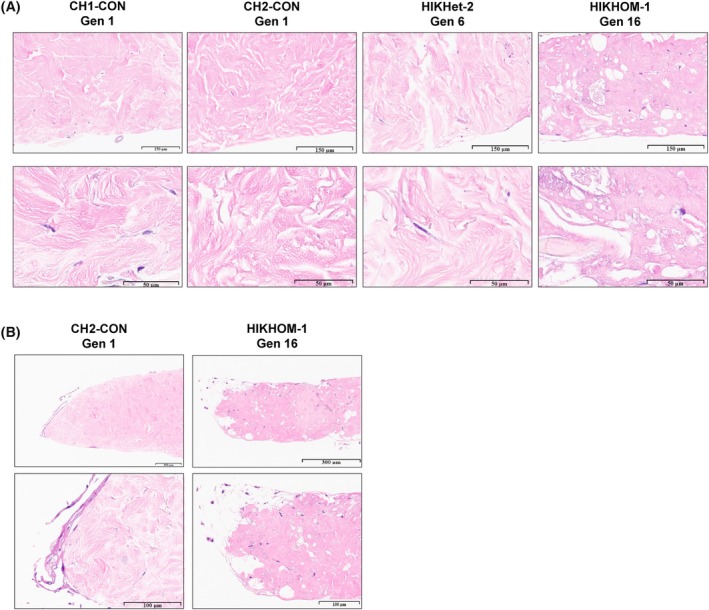 Figure 6
Peer Reviews
No public reviews on file for this paper yet. If you reviewed it on a platform where reviews are public (OpenReview, ICLR, NeurIPS, ICML), you can paste yours below so the community can read it here.
Videos
No videos yet. Explain this paper in a talk, walkthrough, or lecture? Add one.
Taxonomy
TopicsPluripotent Stem Cells Research · Hair Growth and Disorders · Wound Healing and Treatments