Thrombolytic proteins profiling: High‐throughput activity, selectivity, and resistance assays
Martin Toul, Alan Strunga, Jiri Damborsky, Zbynek Prokop

TL;DR
The paper introduces optimized biochemical methods to evaluate clot-dissolving proteins, helping develop safer and more effective treatments for conditions like stroke and heart attack.
Contribution
The study provides a comprehensive profiling system for thrombolytic proteins, integrating multiple assays to assess activity, selectivity, and resistance.
Findings
Tenecteplase shows higher fibrin selectivity and inhibition resistance compared to alteplase.
The assays can predict clinical outcomes like biological half-life and bleeding risk.
The methodology supports rapid screening of thrombolytic biomolecules for therapeutic potential.
Abstract
Cardiovascular diseases, including thrombotic events such as ischemic stroke, pulmonary embolism, and myocardial infarction, are among the leading causes of morbidity and disability worldwide. The application of clot‐dissolving thrombolytic enzymes is a cost‐effective therapeutic intervention for these life‐threatening conditions. However, the effectiveness and safety profiles of current drugs are suboptimal, necessitating the discovery of new medicines or the engineering and enhancement of the existing ones. Here, we present a set of optimized biochemical protocols that allow robust screening and the therapeutic potential assessment of thrombolytic biomolecules. The assays provide information on multiple characteristics such as enzymatic activity, fibrinolysis rate, fibrin and fibrinogen stimulation, fibrin selectivity, clot binding affinity, and inhibition resistance. Such detailed…
Genes, proteins, chemicals, diseases, species, mutations and cell lines named across the full text — each resolved to its canonical identifier and authoritative record.
Click any figure to enlarge with its caption.
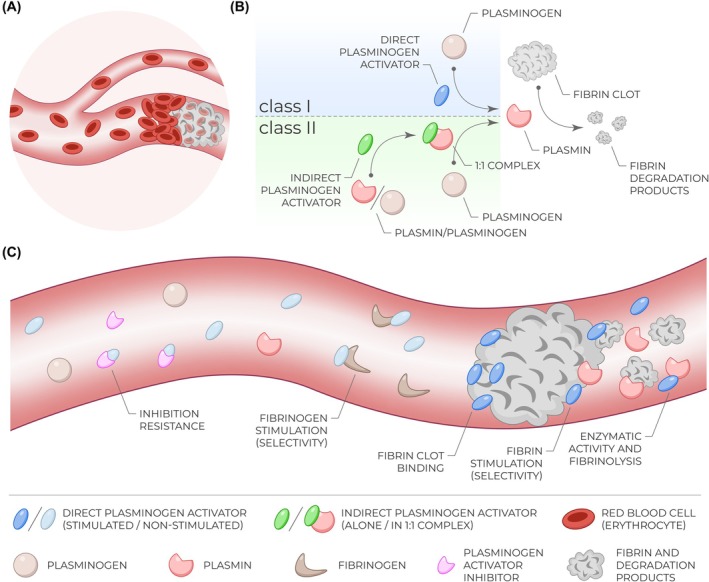 Figure 1
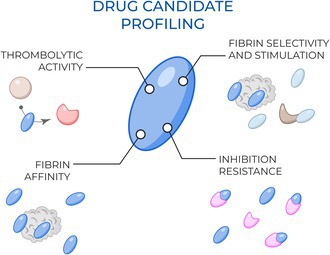 Figure 2
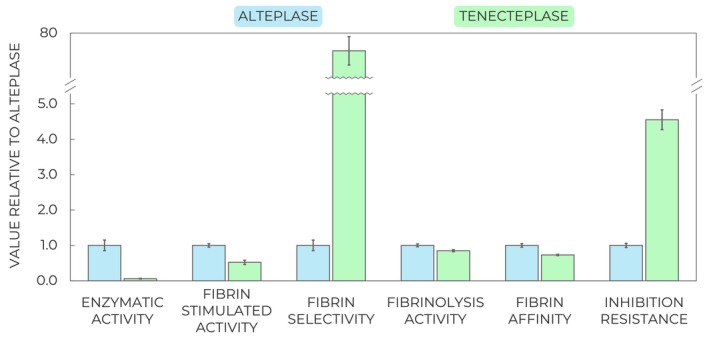 Figure 3
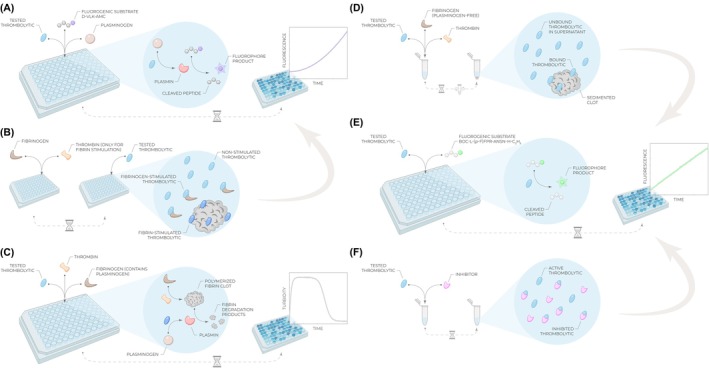 Figure 4
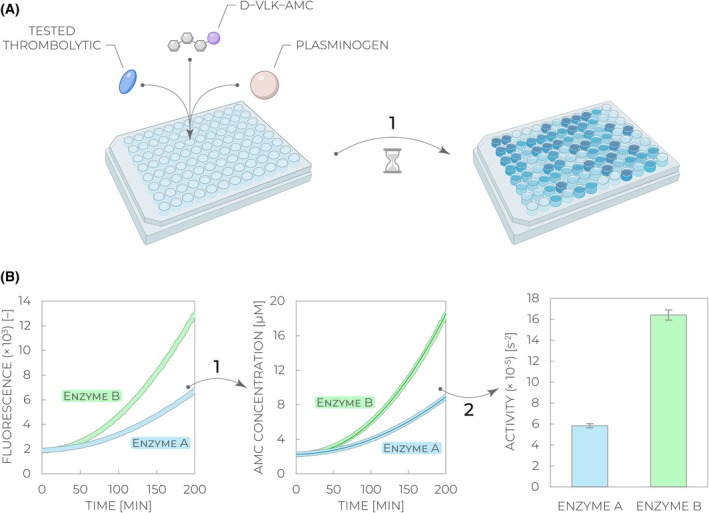 Figure 5
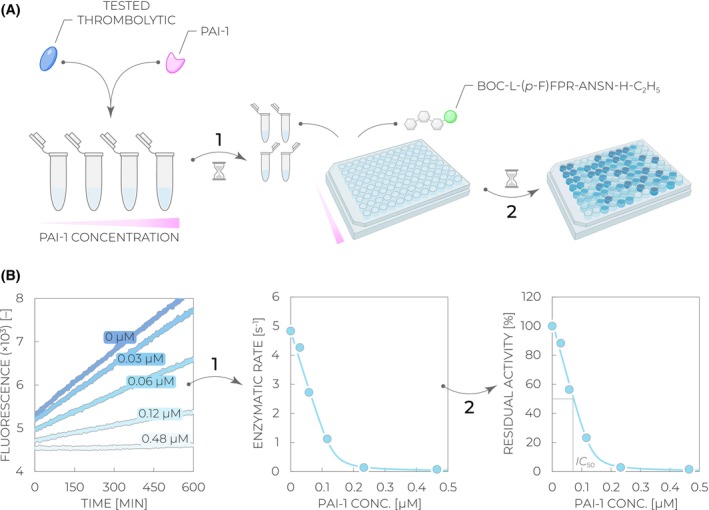 Figure 6
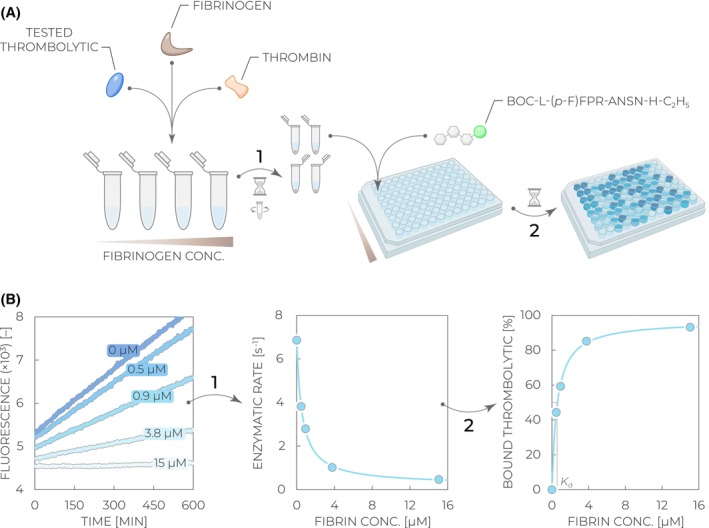 Figure 7
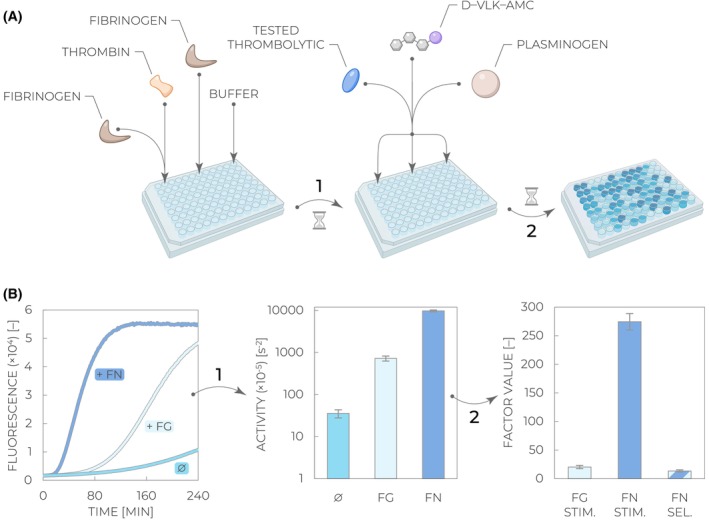 Figure 8
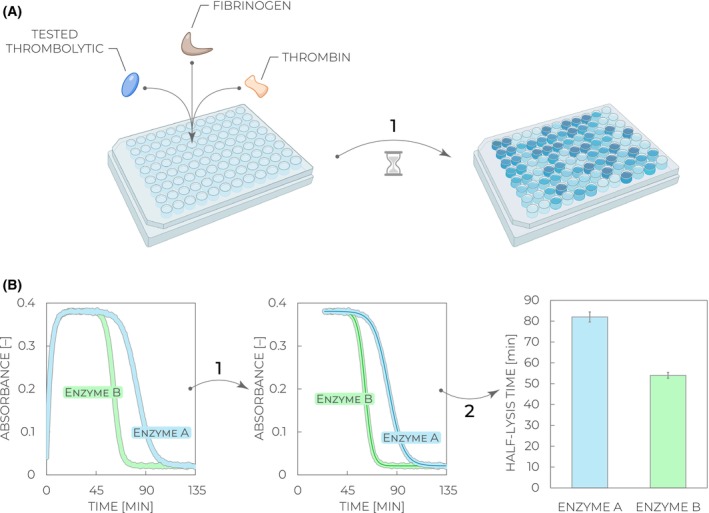 Figure 9
Peer Reviews
No public reviews on file for this paper yet. If you reviewed it on a platform where reviews are public (OpenReview, ICLR, NeurIPS, ICML), you can paste yours below so the community can read it here.
Videos
No videos yet. Explain this paper in a talk, walkthrough, or lecture? Add one.
Taxonomy
TopicsBlood properties and coagulation · Protease and Inhibitor Mechanisms · Lipoproteins and Cardiovascular Health