A general model for analysis of linear and hyperbolic enzyme inhibition mechanisms
Rafael S. Chagas, Sandro R. Marana

TL;DR
This paper introduces a unified model that combines six enzyme inhibition mechanisms into one general kinetic framework.
Contribution
A novel general enzyme kinetic model that unifies linear and hyperbolic inhibition mechanisms through adjustable parameters.
Findings
A general enzyme kinetic equation was derived that can represent six inhibition mechanisms.
The six inhibition mechanisms are shown to be facets of a single unified model.
The model uses parameters γ and β to differentiate between inhibition types.
Abstract
The mechanisms of reversible inhibitors with a single binding site on enzymes are usually divided into two basic groups: linear and hyperbolic (or partial). Each of these two groups is subdivided into three types: competitive, non‐competitive and mixed. These six mechanisms are often considered separate identities. Here, prompted by the characterization of the inhibition of the wild‐type and mutant β‐glucosidase Sfβgly by imidazole and 2‐amino‐2‐(hydroxymethyl)‐1,3‐propanediol (i.e. Tris), we developed a unifying enzyme kinetic model that integrates these six basic inhibition mechanisms into one. From this model, we deduced a general enzyme kinetic equation that, through modulation of simple parameters (i.e. the relative inhibitor affinity for two binding sites and the reactivity of the enzyme–substrate–inhibitor complex) is converted into the particular kinetic equation of each of…
Genes, proteins, chemicals, diseases, species, mutations and cell lines named across the full text — each resolved to its canonical identifier and authoritative record.
Click any figure to enlarge with its caption.
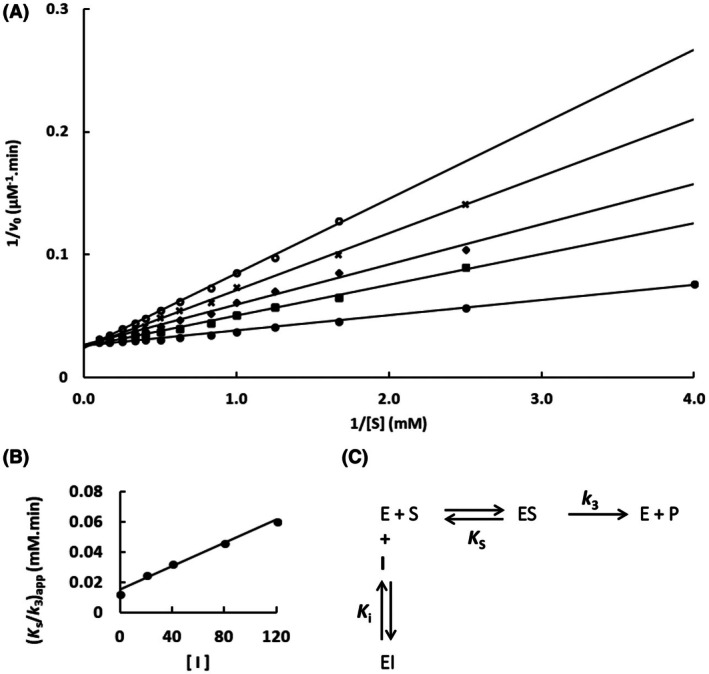 Figure 1
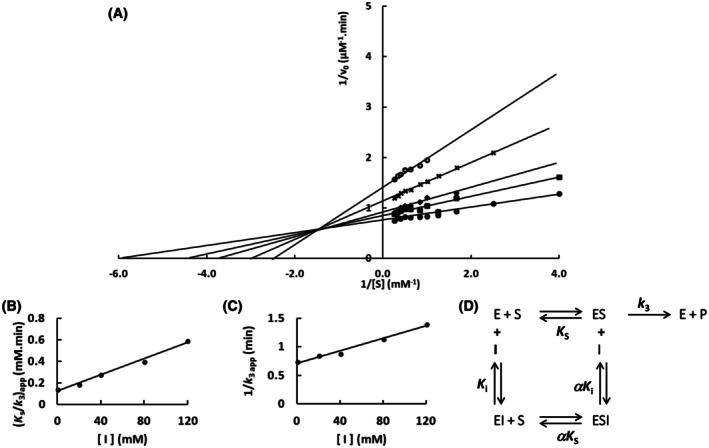 Figure 2
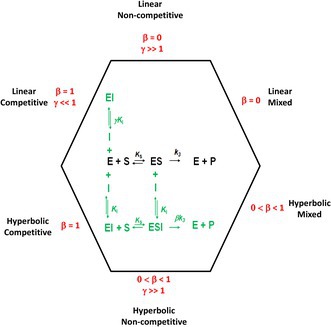 Figure 3
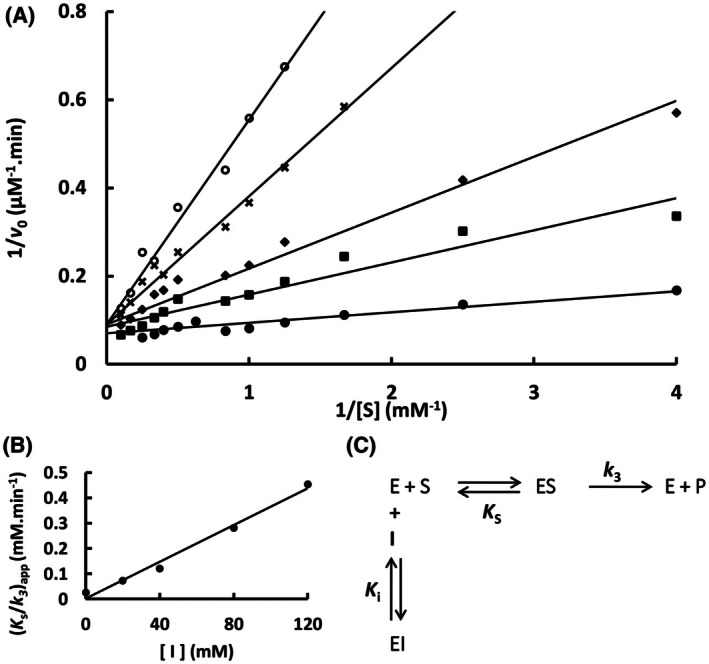 Figure 4
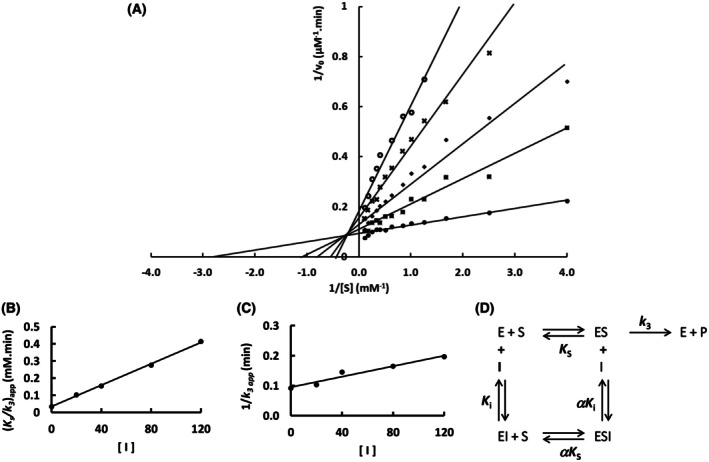 Figure 5
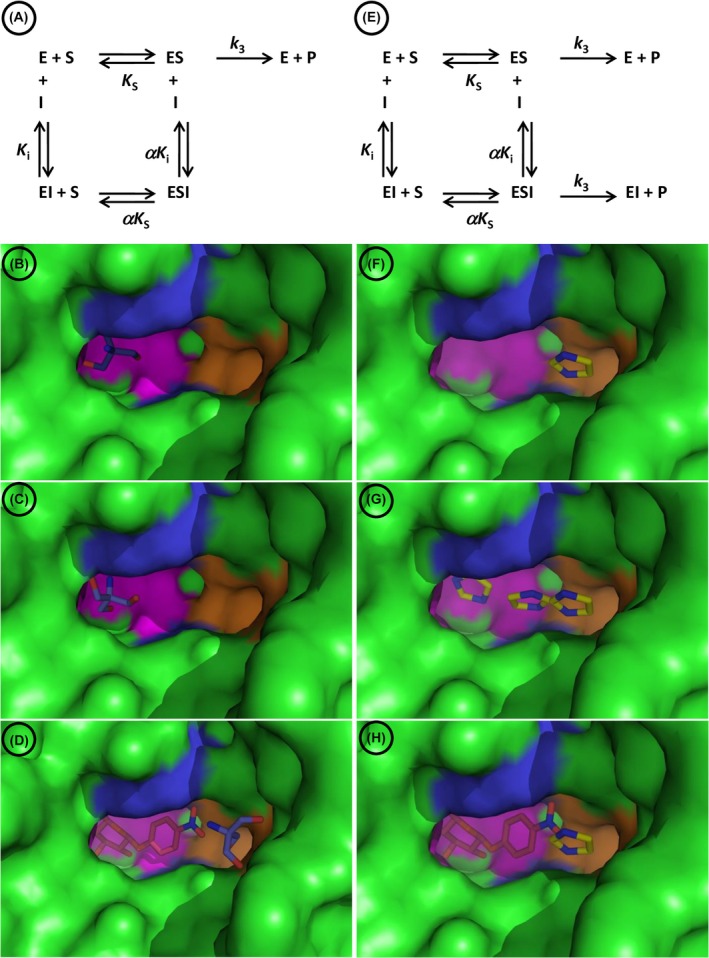 Figure 6
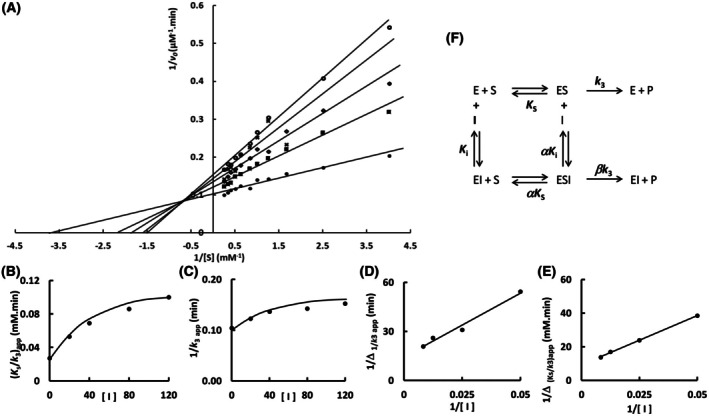 Figure 7
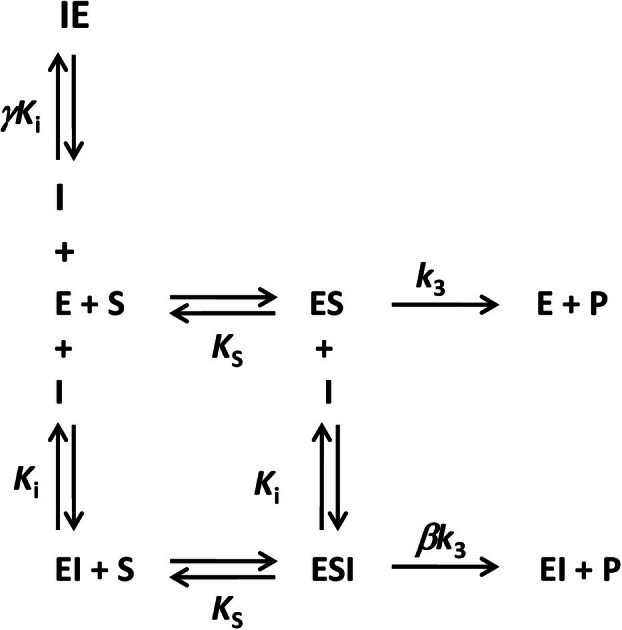 Figure 8
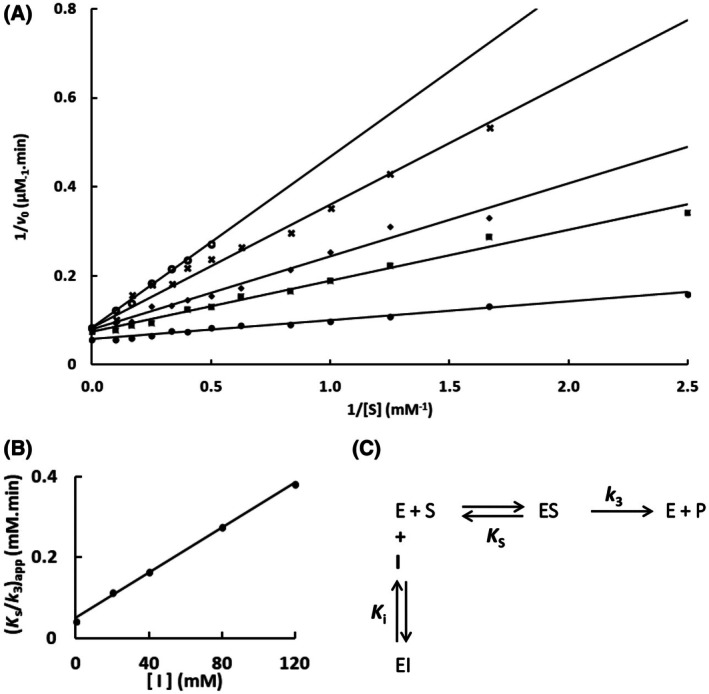 Figure 9
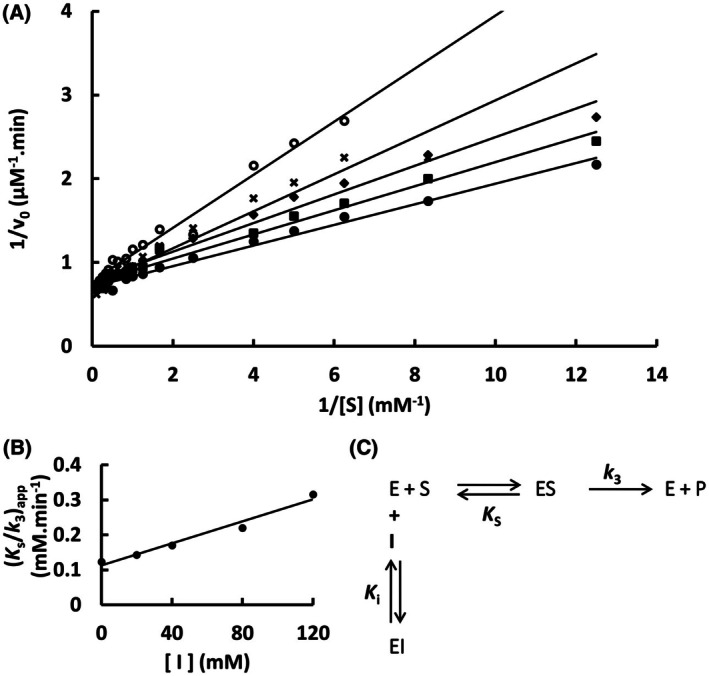 Figure 10
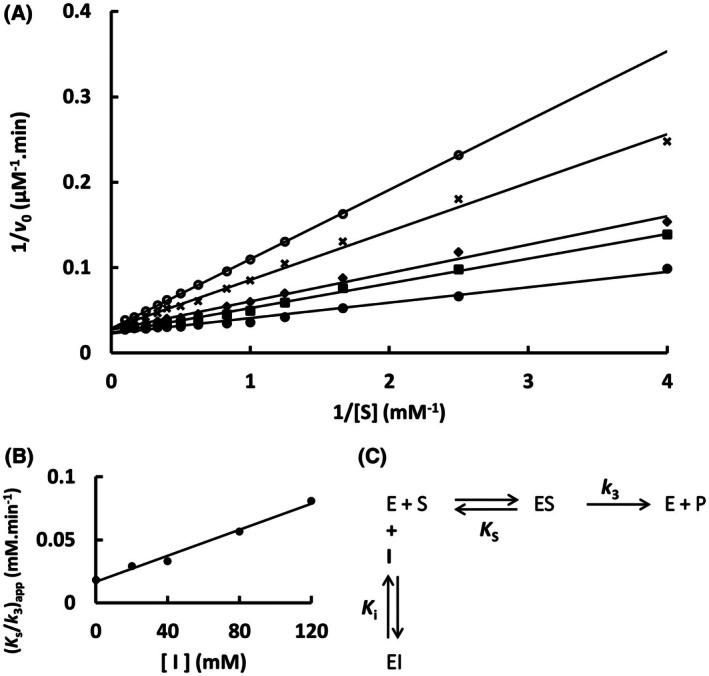 Figure 11
Peer Reviews
No public reviews on file for this paper yet. If you reviewed it on a platform where reviews are public (OpenReview, ICLR, NeurIPS, ICML), you can paste yours below so the community can read it here.
Videos
No videos yet. Explain this paper in a talk, walkthrough, or lecture? Add one.
Taxonomy
TopicsComputational Drug Discovery Methods · Enzyme Catalysis and Immobilization · Protein Structure and Dynamics