Single-cell and machine learning integration reveals OS-driven CCND1 promotes an aggressive phenotype in papillary thyroid carcinoma
Jiaxi Wang, Qingyi Zhu, Jingyi Bie, Yueyu Han, Hanqing Liu, Chuang Chen

TL;DR
This study finds that oxidative stress drives CCND1 expression in papillary thyroid cancer, promoting aggressive tumor growth and immune evasion.
Contribution
The study identifies OS-driven CCND1 as a key driver of aggressive PTC and validates its role through single-cell RNA sequencing and in vitro experiments.
Findings
CCND1 and SOX4 are overexpressed in PTC and linked to oxidative stress, promoting tumor proliferation and immune evasion.
CCND1 promotes M2 macrophage polarization via the PROS1-AXL pathway, while SOX4 regulates angiogenesis through MDK.
TFF3 is underexpressed in PTC and may act as a tumor suppressor by modulating immune responses and reducing OS.
Abstract
Papillary thyroid carcinoma (PTC) is the most common thyroid malignancy, with rising incidence worldwide. Oxidative stress (OS), characterized by an imbalance between reactive oxygen species (ROS) and antioxidant defenses, plays a critical role in tumor initiation and progression. However, the specific relationship between OS and PTC remains underexplored, highlighting the need for further investigation. This study aims to identify OS-related biomarkers in PTC that could potentially be used for clinical diagnosis and treatment. Single-cell RNA sequencing data from PTC and normal thyroid tissues were analyzed using multiple gene set scoring and differential expression methods to evaluate OS levels across different cell types. Integrated bioinformatics analysis, including WGCNA and machine learning models, was employed to select candidate biomarkers, which were then validated in…
Genes, proteins, chemicals, diseases, species, mutations and cell lines named across the full text — each resolved to its canonical identifier and authoritative record.
Click any figure to enlarge with its caption.
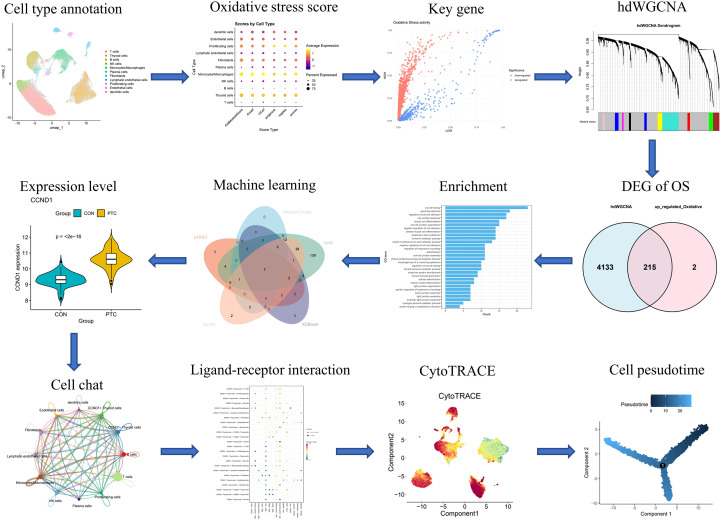 Figure 1
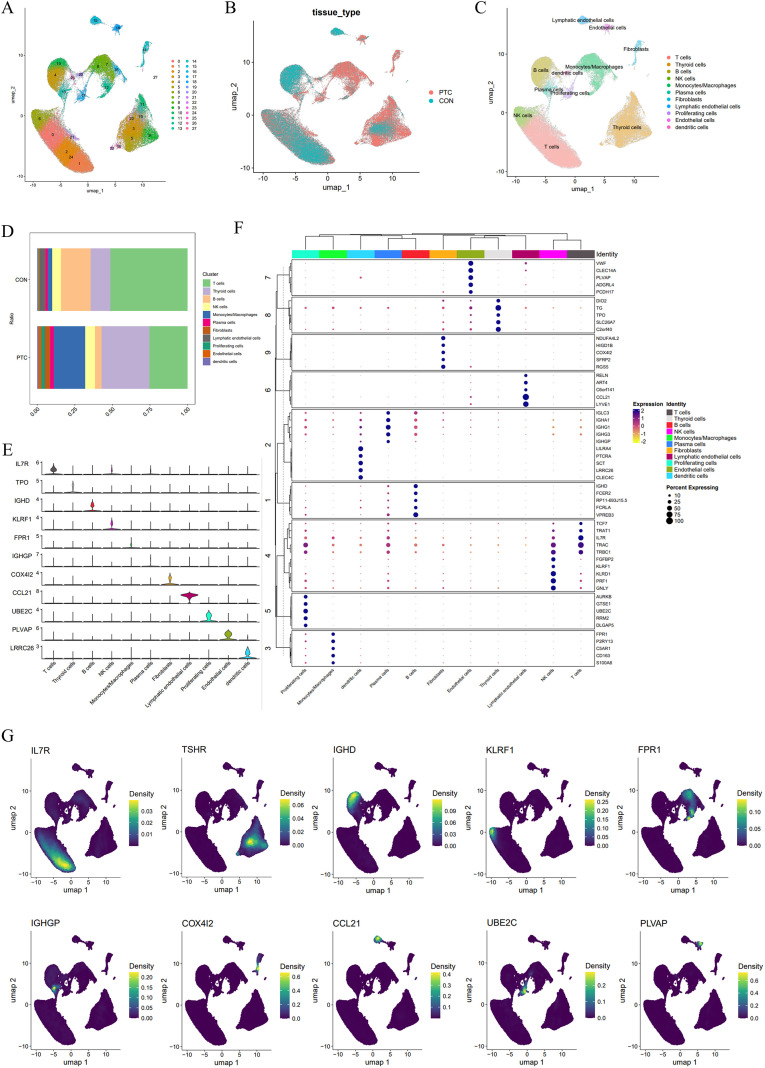 Figure 2
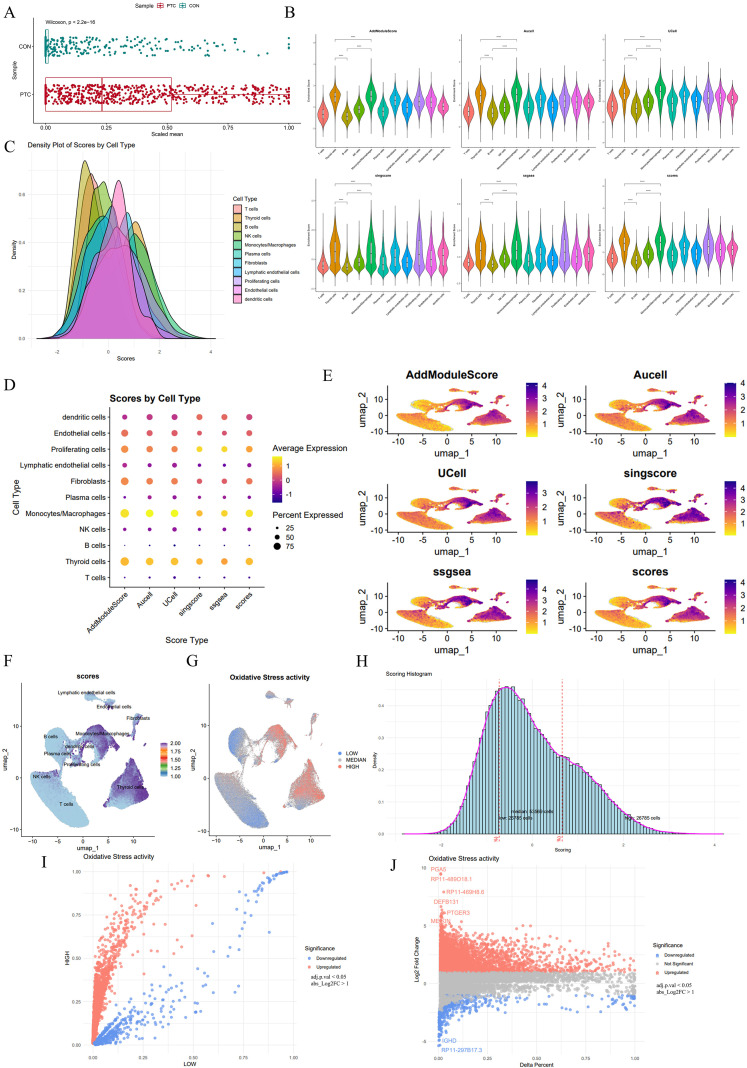 Figure 3
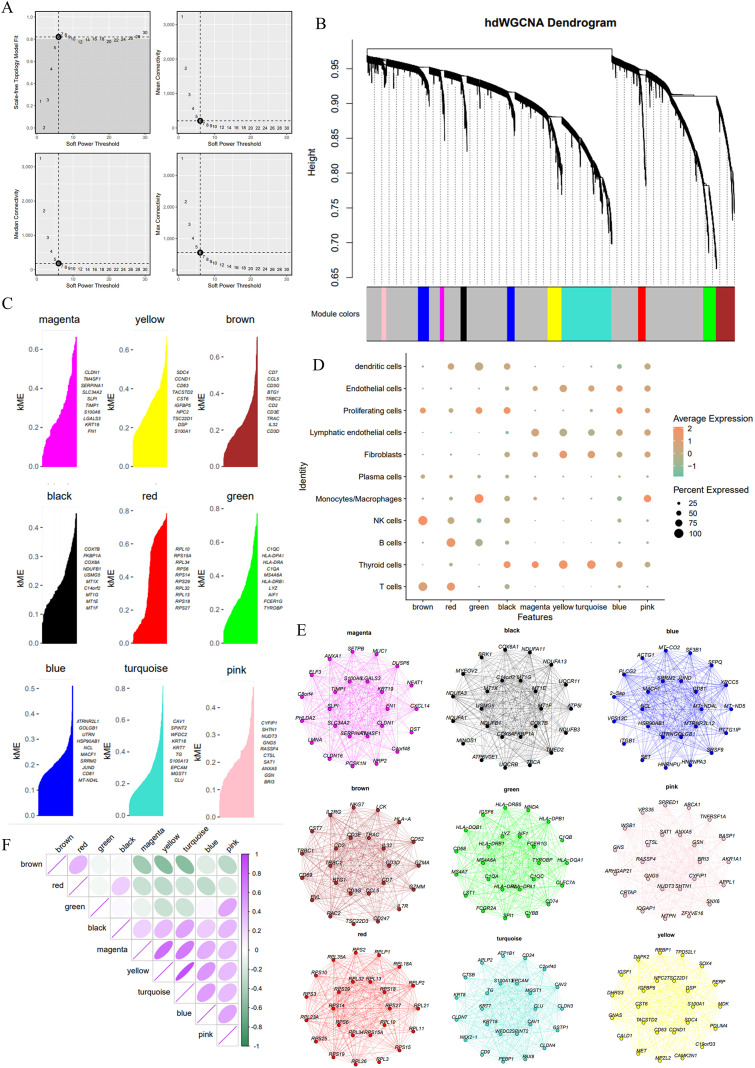 Figure 4
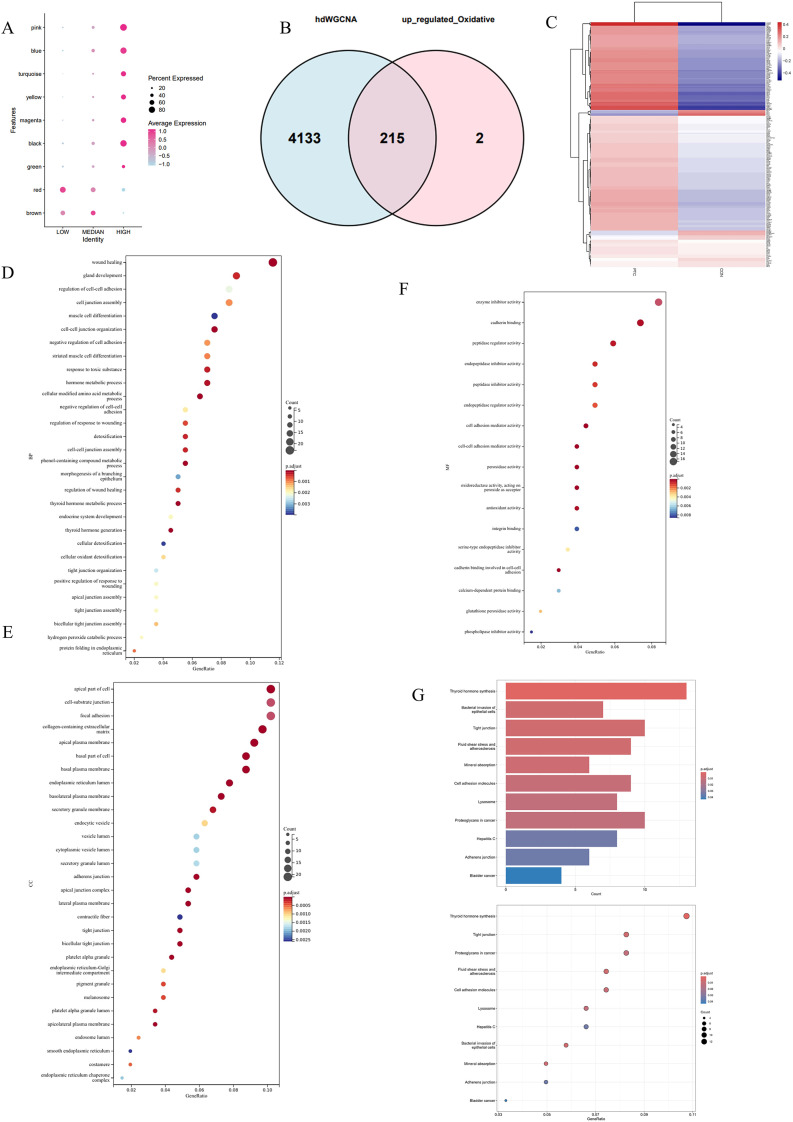 Figure 5
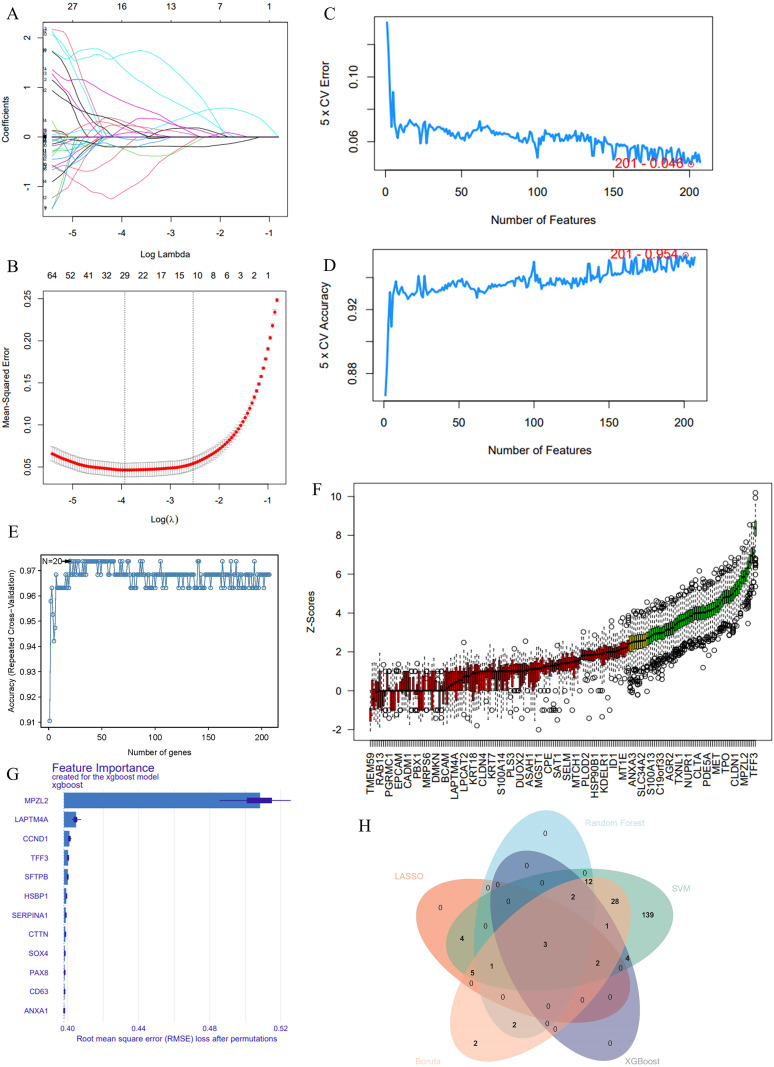 Figure 6
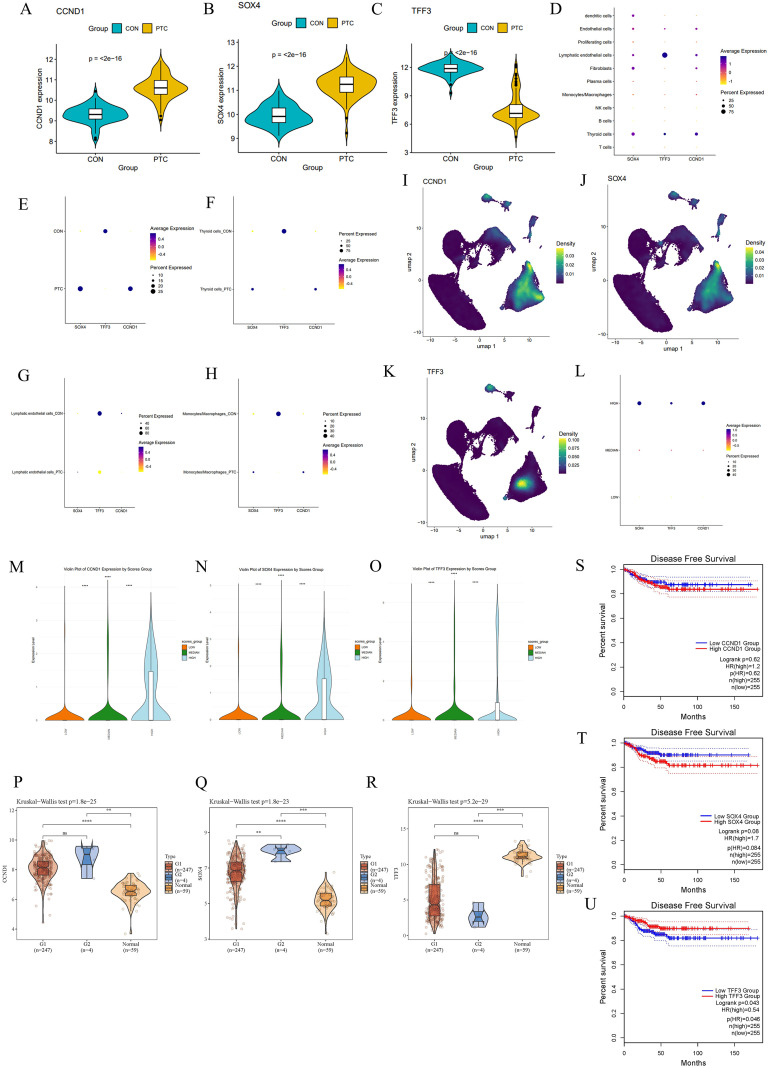 Figure 7
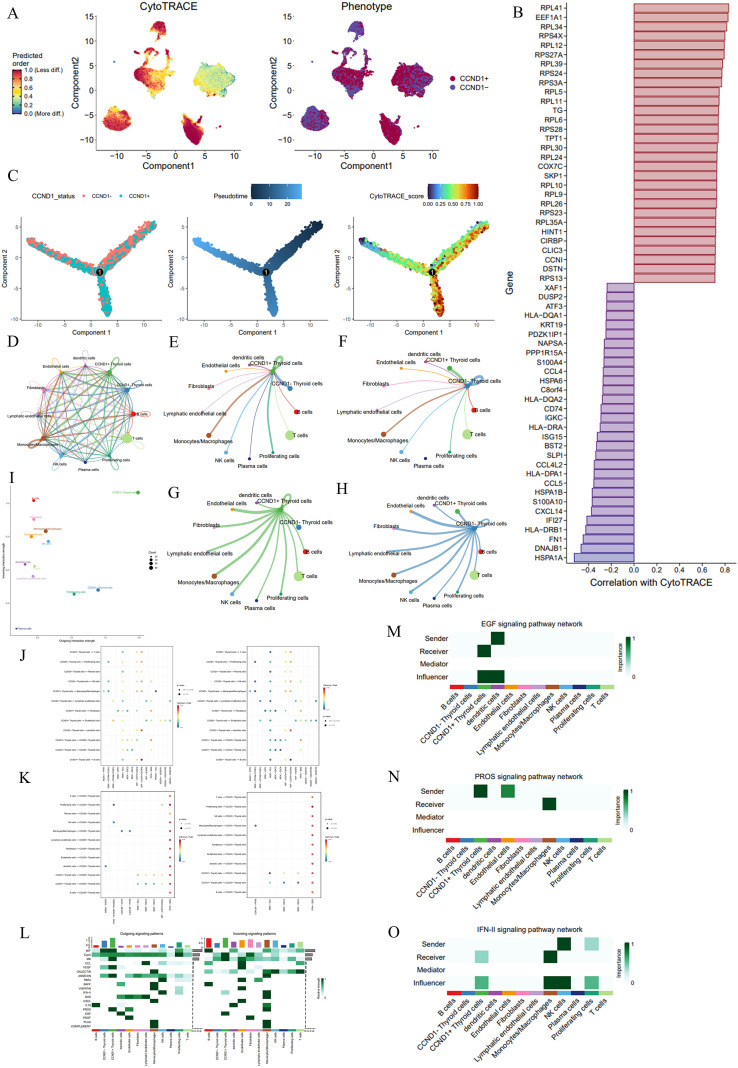 Figure 8
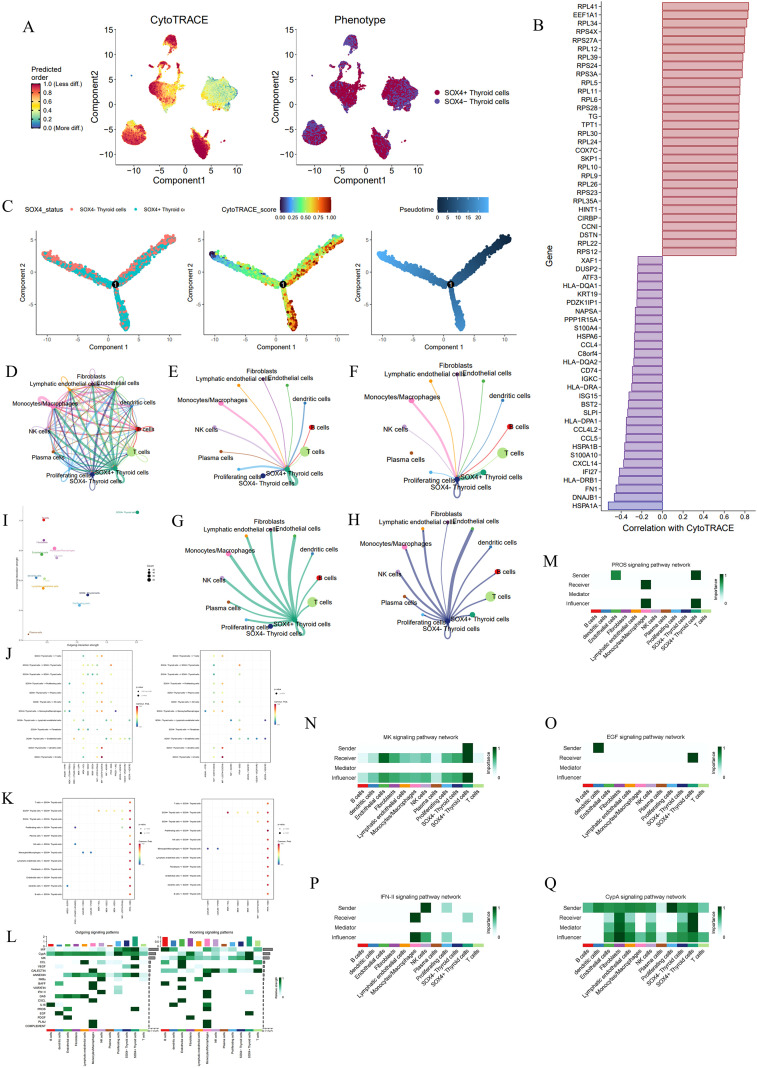 Figure 9
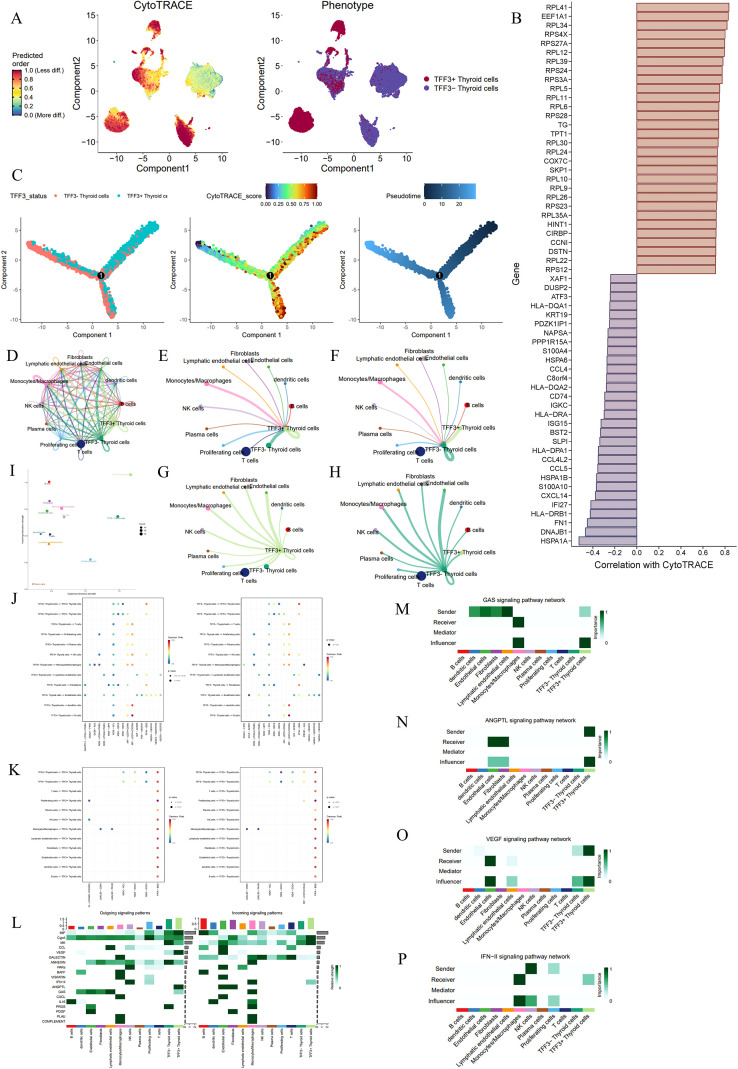 Figure 10
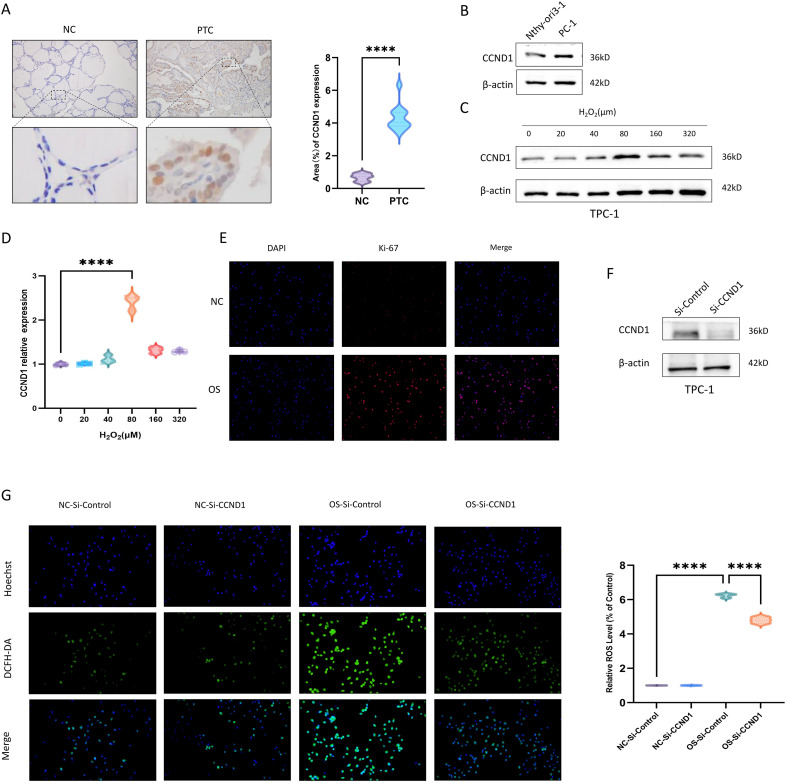 Figure 11
Peer Reviews
No public reviews on file for this paper yet. If you reviewed it on a platform where reviews are public (OpenReview, ICLR, NeurIPS, ICML), you can paste yours below so the community can read it here.
Videos
No videos yet. Explain this paper in a talk, walkthrough, or lecture? Add one.
Taxonomy
TopicsThyroid Cancer Diagnosis and Treatment · Ferroptosis and cancer prognosis · Single-cell and spatial transcriptomics