Emerging fluconazole-resistant Candida parapsilosis in Australia: a case cluster and insights into the genetic diversity of this species
Manoshi Perera, Winkie Fong, Rose Haywood, Geraldine J. Sullivan, Qinning Wang, Catriona L. Halliday, Sharn Dowsett-Moeahu, Chayanika Biswas, Carolina Firacative, Marie-Claire Liu, Kerry Weeks, Robyn Hardiman, Jen Kok, Kerri Basile, Wieland Meyer, Vitali Sintchenko

TL;DR
Researchers studied fluconazole-resistant Candida parapsilosis in Australia, finding genetic mutations linked to drug resistance and highlighting the need for better surveillance.
Contribution
This is the first report of a fluconazole-resistant C. parapsilosis outbreak in Australia, with insights into resistance mutations and genetic clustering.
Findings
Fluconazole-resistant C. parapsilosis isolates clustered genetically and shared ERG11 Y132F and TAC1 D444Y mutations.
SNP-based analysis revealed distinct genetic separation between outbreak and non-outbreak isolates.
ERG11 R398I mutation was present in both resistant and susceptible strains.
Abstract
Nosocomial outbreaks of fluconazole-resistant Candida parapsilosis are concerning. Here we characterised a cluster of fluconazole-resistant C. parapsilosis utilising whole-genome sequencing (WGS) and correlate phenotypic azole resistance with resistome-based WGS analysis of azole resistance-conferring mutations. Seventeen C. parapsilosis isolates were studied. Group 1: seven fluconazole-resistant isolates from a hospital intensive care unit (ICU) outbreak (2023–2024), Group 2: six isolates from a historical case cluster, Group 3: four additional unrelated isolates. Minimum inhibitory concentrations (MICs) were determined using SENSITITRE AUSNMRC1 (TREK Diagnostics). Single nucleotide polymorphism (SNP)-based phylogenomic analysis was undertaken using two (MycoSNP and custom-based) bioinformatic pipelines to assess relatedness. Target-gene mutations for azole resistance were evaluated.…
Genes, proteins, chemicals, diseases, species, mutations and cell lines named across the full text — each resolved to its canonical identifier and authoritative record.
Click any figure to enlarge with its caption.
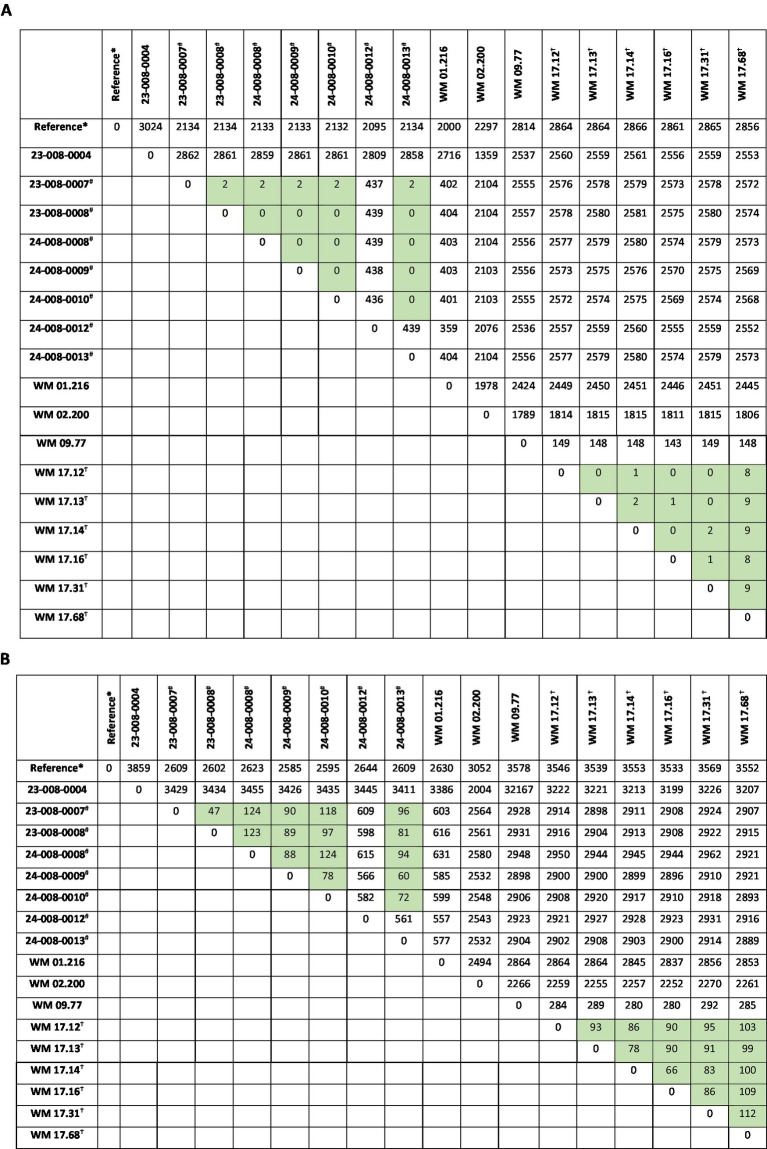 Figure 1
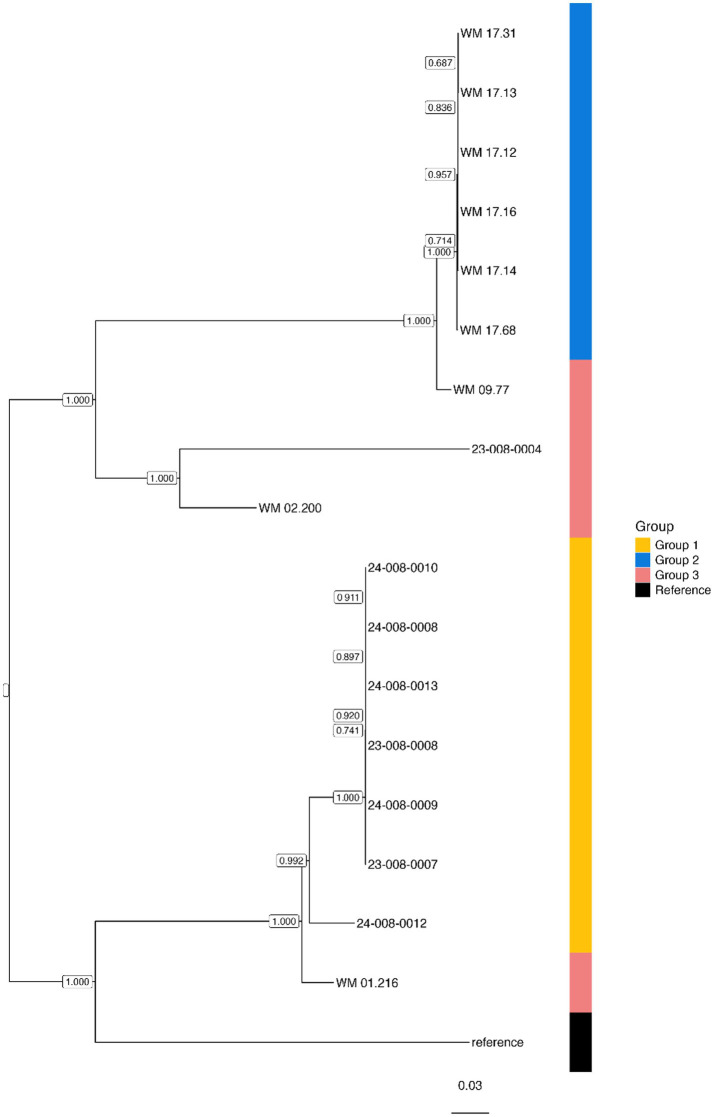 Figure 2
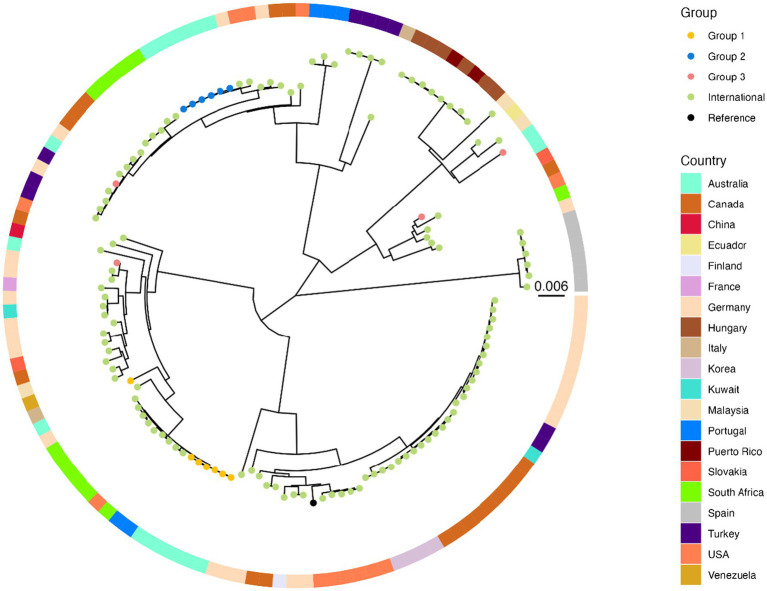 Figure 3
Peer Reviews
No public reviews on file for this paper yet. If you reviewed it on a platform where reviews are public (OpenReview, ICLR, NeurIPS, ICML), you can paste yours below so the community can read it here.
Videos
No videos yet. Explain this paper in a talk, walkthrough, or lecture? Add one.
Taxonomy
TopicsAntifungal resistance and susceptibility · Fungal Infections and Studies · Nail Diseases and Treatments