Fungal infection drives metabolic reprogramming in epithelial cells via aerobic glycolysis and an alternative TCA cycle shunt
Aize Pellon, Shervin Dokht Sadeghi Nasab, Gholamreza Bidkhori, James S. Griffiths, Stefania Vaga, Neelu Begum, Mariana Blagojevic, Nitesh Kumar Sigh, Natalia K. Kotowicz, Ifeanyi Uzochukwu, Adrien Le Guennec, Rhonda Henley-Smith, Harry Gregson-Williams, Frederick Clasen

TL;DR
This study shows how Candida albicans infection alters the metabolism of oral epithelial cells, promoting glycolysis and a new TCA cycle pathway, which affects immune responses and cell survival.
Contribution
The study identifies a GOT1-dependent TCA cycle shunt and the role of glycolysis in epithelial cell responses to Candida albicans infection.
Findings
C. albicans infection increases glycolysis and decreases TCA cycle activity in oral epithelial cells.
GOT1 is crucial for epithelial cell survival during infection and mediates a TCA cycle shunt.
Glucose supplementation disrupts epithelial immune responses, suggesting fungal benefit from metabolic shifts.
Abstract
Candida albicans–induced immunometabolic changes drive complex responses in immune cells. However, whether and how C. albicans causes remodeling of oral epithelial cell (OEC) metabolism is unclear. Here, we use in vitro experiments and patient biopsies to demonstrate that OECs undergo metabolic reprogramming when infected by C. albicans independently of candidalysin secretion, increasing glycolysis and decreasing tricarboxylic acid (TCA) cycle activity. Glycolysis and glucose transport inhibition show that these pathways support OEC cytokine release, highlighting the partial control of antifungal epithelial immunity by cellular metabolism. However, glucose supplementation disrupts OEC responses both in vitro and in vivo, suggesting that the fungus benefits from these metabolic shifts and that increased aerobic glycolysis in OECs is detrimental. Genome-scale metabolic modeling predicted…
Genes, proteins, chemicals, diseases, species, mutations and cell lines named across the full text — each resolved to its canonical identifier and authoritative record.
Click any figure to enlarge with its caption.
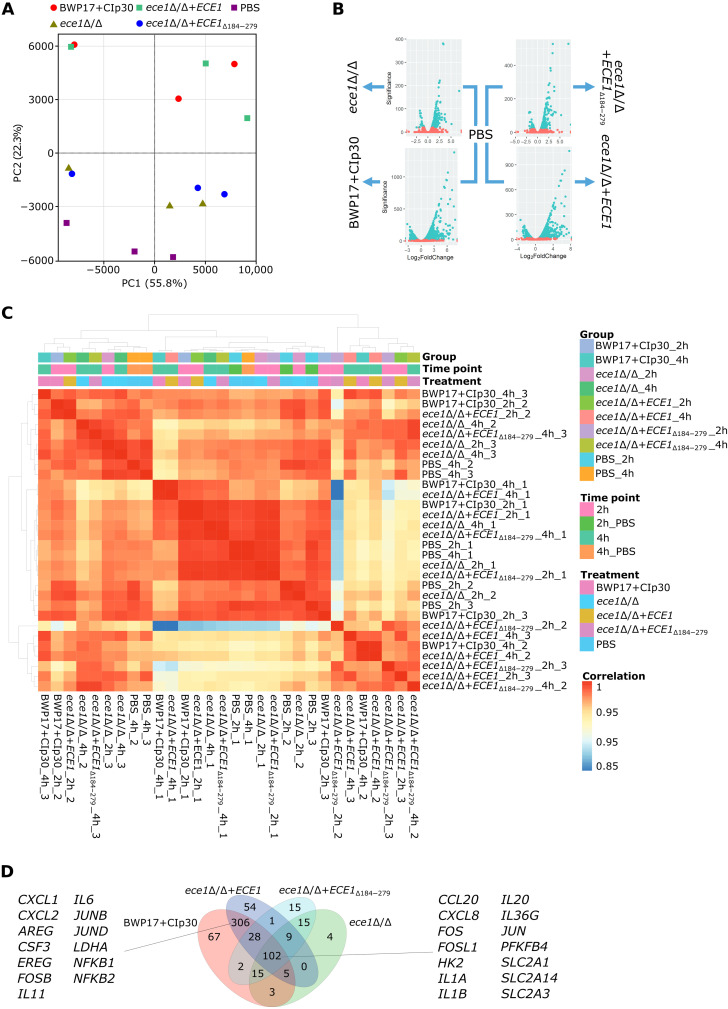 Figure 1
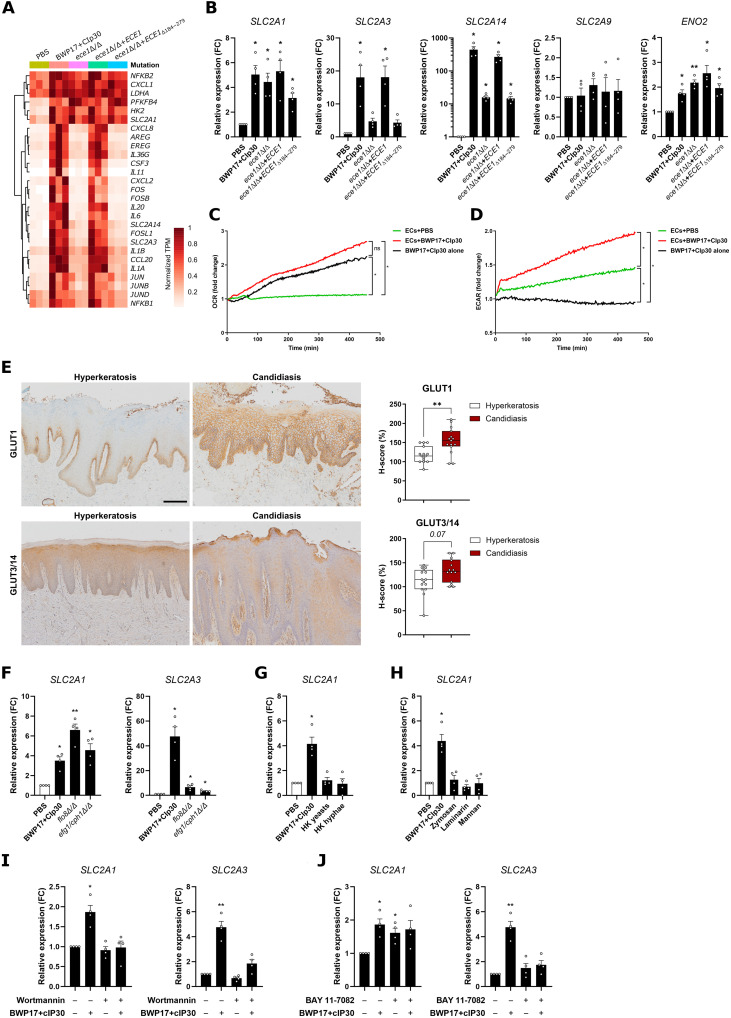 Figure 2
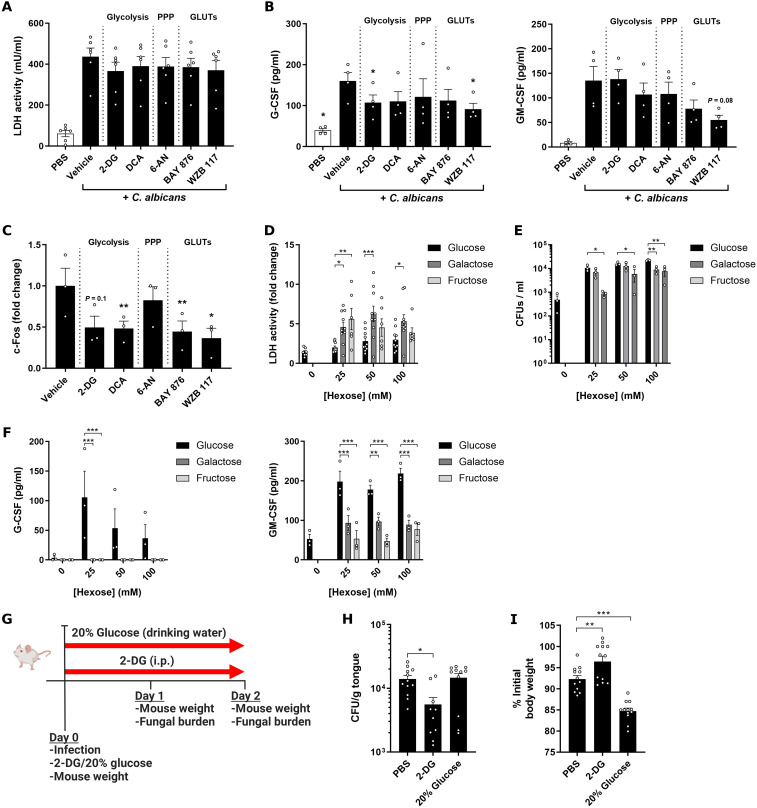 Figure 3
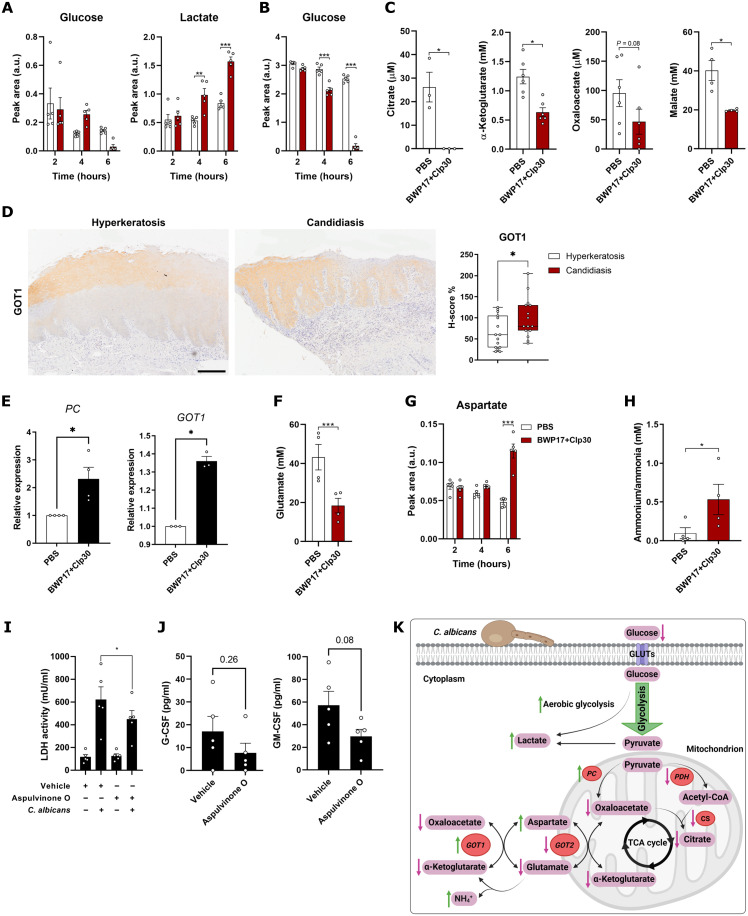 Figure 4
Peer Reviews
No public reviews on file for this paper yet. If you reviewed it on a platform where reviews are public (OpenReview, ICLR, NeurIPS, ICML), you can paste yours below so the community can read it here.
Videos
No videos yet. Explain this paper in a talk, walkthrough, or lecture? Add one.
Taxonomy
TopicsAntifungal resistance and susceptibility · Neonatal Respiratory Health Research · Gut microbiota and health