Aggregation favors singlet formation in TES-ADT triplet annihilator for photon upconversion
Justas Lekavičius, Edvinas Radiunas, Gediminas Kreiza, Augustina Jozeliūnaitė, Edvinas Orentas, Karolis Kazlauskas

TL;DR
Researchers found that aggregating a specific molecule improves photon upconversion efficiency by boosting the formation of high-energy states.
Contribution
The study reveals that aggregation enhances singlet yield in TES-ADT annihilators through altered energy landscapes and higher triplet states.
Findings
Aggregation of TES-ADT increases the spin-statistical factor (f) from 20% to 60%.
DFT calculations show dimerization shifts energy levels and enables higher triplet states.
Aggregation enhances singlet formation via triplet–triplet annihilation in photon upconversion.
Abstract
Triplet–triplet annihilation (TTA)-mediated photon upconversion (UC) offers a promising route for transforming low-energy photons into higher-energy ones under low-power, incoherent excitation, with applications in photovoltaics, bioimaging, 3D printing, etc. However, a central constraint on UC efficiency is the limited spin-statistical factor (f), which dictates the yield of singlet state formation and is especially challenging in the desirable far-red/NIR spectral range. Here, we explore a new approach of tuning the annihilator's f factor through controlled aggregation. The study covers a systematic investigation of triethylsilyl-substituted anthradithiophene (TES-ADT) annihilator solutions across a range of concentrations, complemented by studies on a neat TES-ADT film and density functional theory (DFT) calculations. We report a remarkable 3-fold enhancement in singlet yield,…
Genes, proteins, chemicals, diseases, species, mutations and cell lines named across the full text — each resolved to its canonical identifier and authoritative record.
Click any figure to enlarge with its caption.
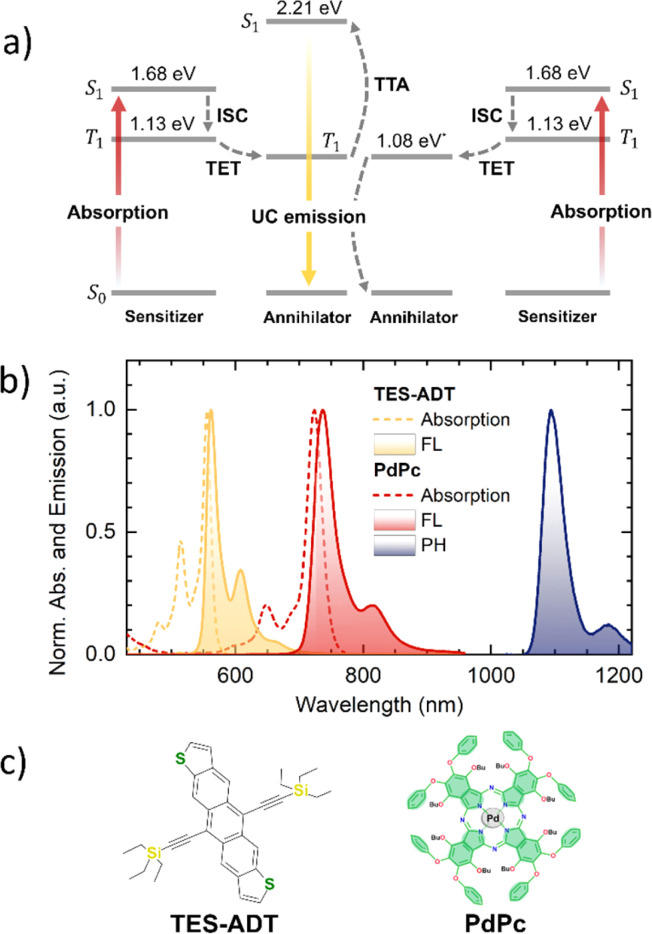 Figure 1
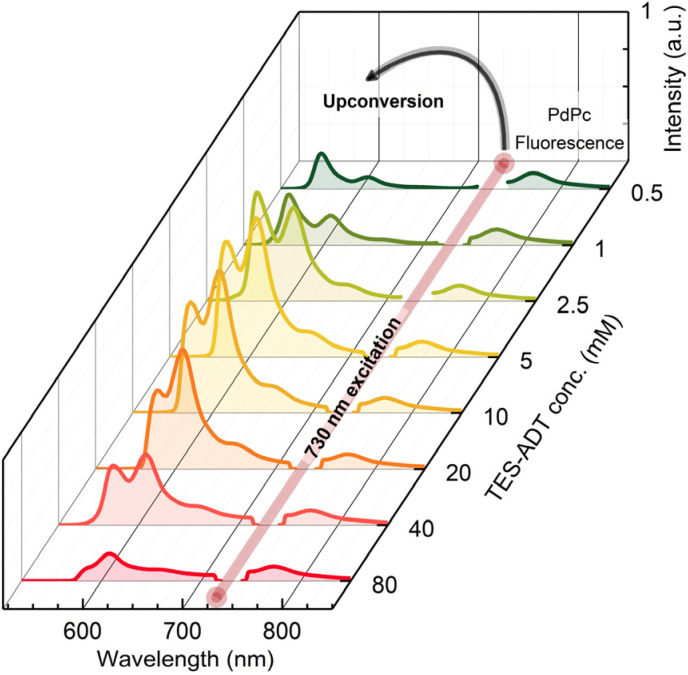 Figure 2
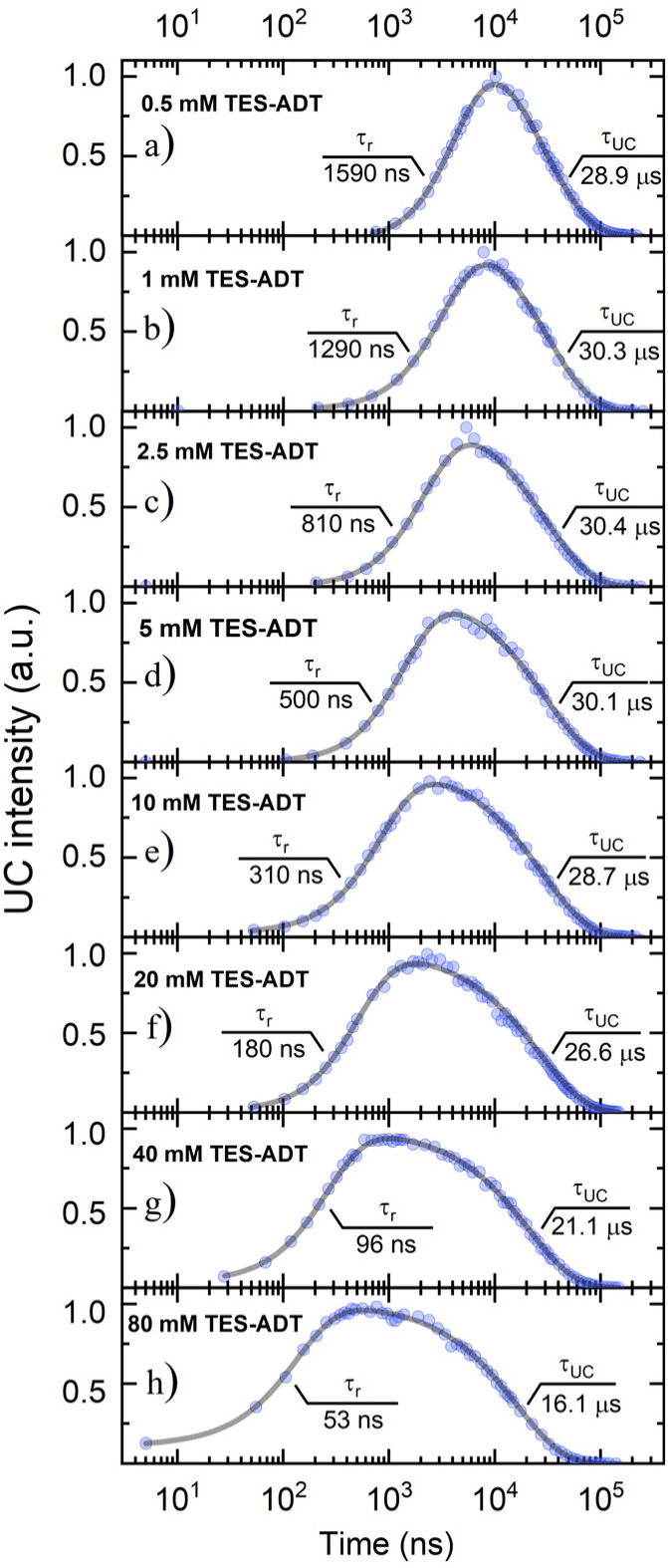 Figure 3
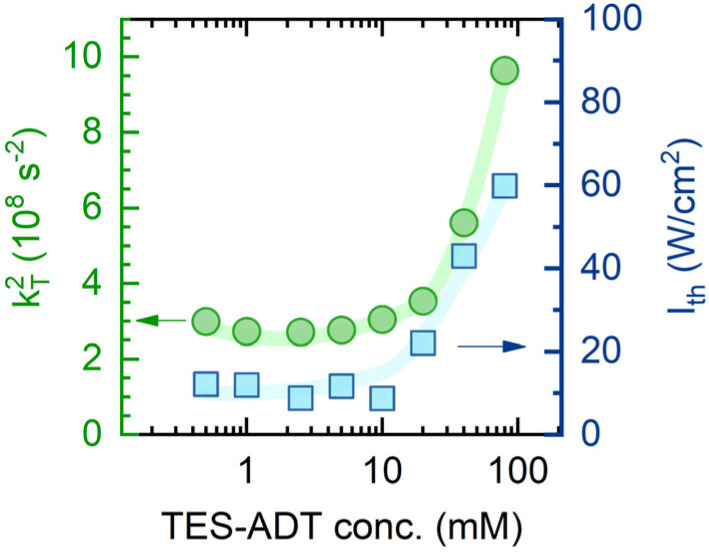 Figure 4
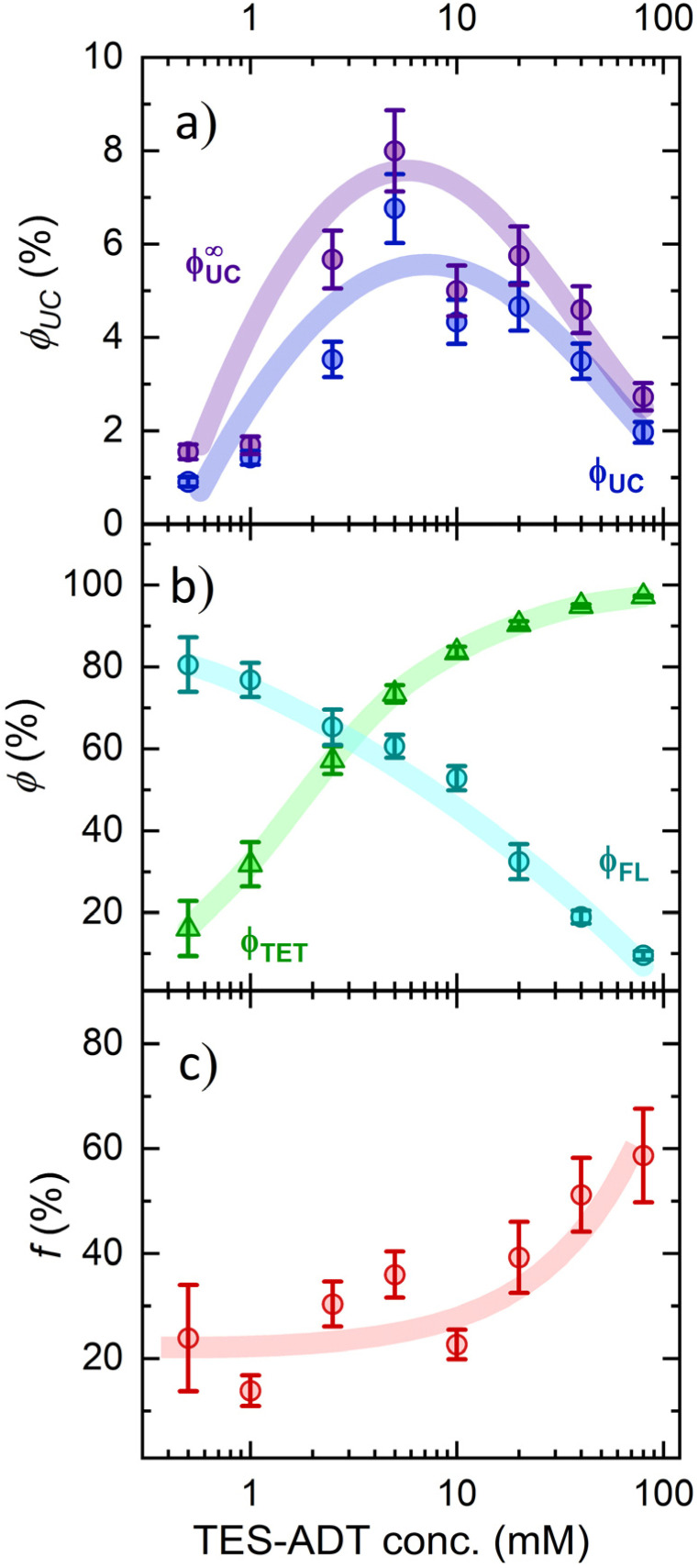 Figure 5
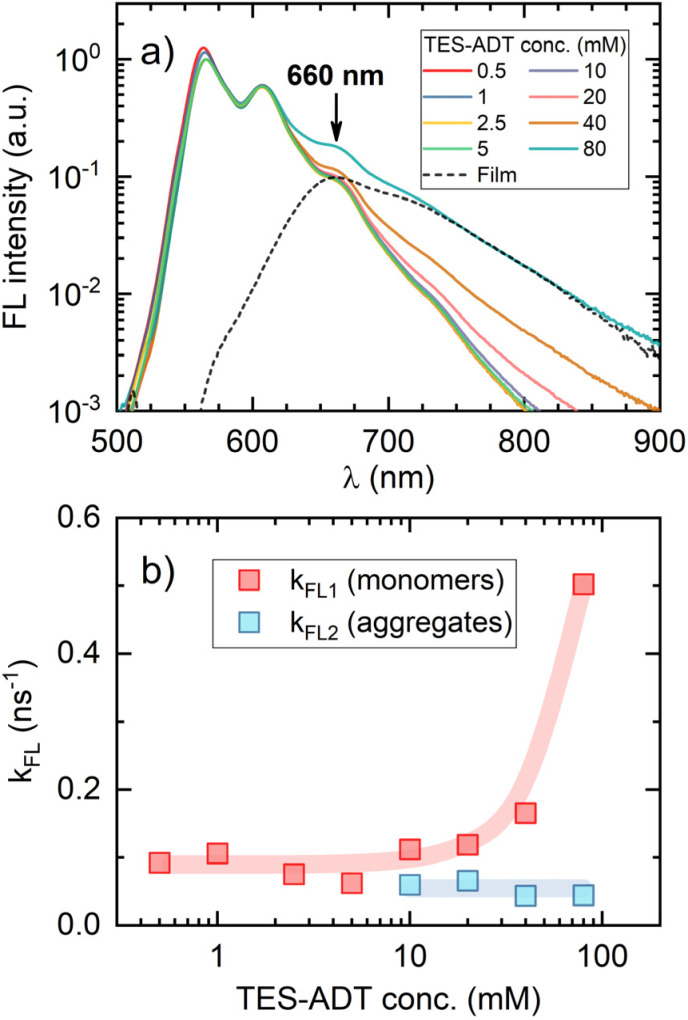 Figure 6
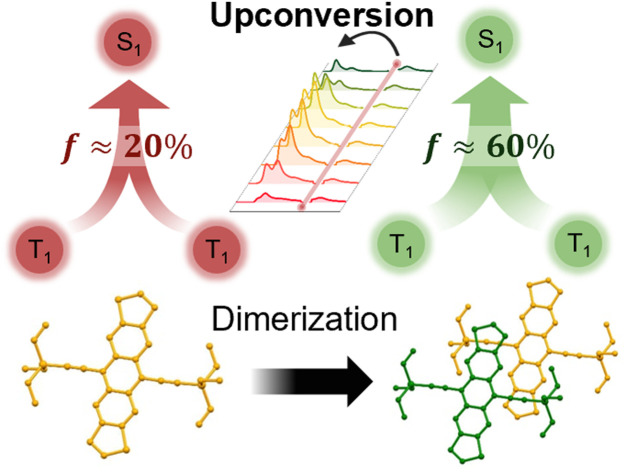 Figure 7
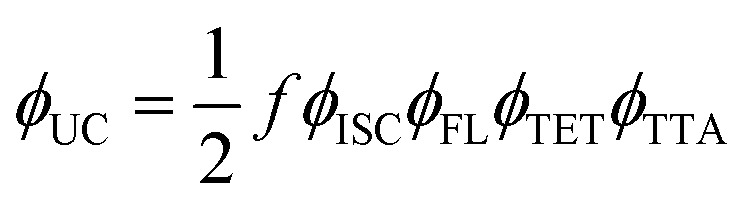 Figure 8
 Figure 9
 Figure 10
 Figure 11
 Figure 12
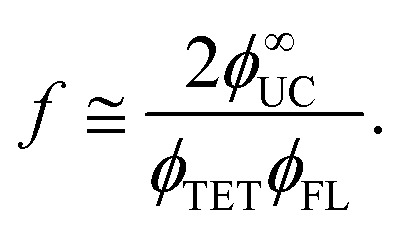 Figure 13
Peer Reviews
No public reviews on file for this paper yet. If you reviewed it on a platform where reviews are public (OpenReview, ICLR, NeurIPS, ICML), you can paste yours below so the community can read it here.
Videos
No videos yet. Explain this paper in a talk, walkthrough, or lecture? Add one.
Taxonomy
TopicsLuminescence and Fluorescent Materials · Luminescence Properties of Advanced Materials · Forensic Fingerprint Detection Methods