Seasonal shifts in vegetation, soil properties, and microbial communities in Western Himalayan forests
Huma Ali, Muhammad Rafiq, Muhammad Manzoor, Syed Waseem Gillani, Allan Degen, Awais Iqbal, Wenyin Wang, Muhammad Khalid Rafiq, Zhanhuan Shang

TL;DR
This study shows how Western Himalayan forests change seasonally, with summer bringing more biodiversity and dynamic soil-microbe interactions, while winter offers stability.
Contribution
The study reveals seasonal dynamics in high-altitude forests, linking vegetation, soil properties, and microbial communities with functional redundancy in microbes.
Findings
Plant and microbial diversity indices were higher in summer, while community maturity was higher in winter.
Soil properties like pH and phosphorus were higher in summer, while moisture and organic carbon were higher in winter.
Microbial functional redundancy maintained core processes despite seasonal taxonomic shifts.
Abstract
The western Himalayan forest ecosystem faces escalating pressures from climate change and anthropogenic activities, demanding improved conservation strategies. Effective management requires understanding the seasonal fluctuations in vegetation, soil properties and microbial communities, but they remain poorly characterized across high altitude forests. We assessed these variables in 10 forest sites during the winter of 2023 and summer of 2024, analysing vegetation diversity, soil parameters, and microbial metagenomics. We found pronounced seasonal shifts in plant and microbial diversities, and in soil properties. Plant species richness, and Shannon and Simpson diversity indices were higher (p < 0.001) in summer than in winter while the community maturity index was higher (p < 0.02) in winter than in summer. Soil properties exhibited clear seasonal patterns: pH, available phosphorus…
Genes, proteins, chemicals, diseases, species, mutations and cell lines named across the full text — each resolved to its canonical identifier and authoritative record.
Click any figure to enlarge with its caption.
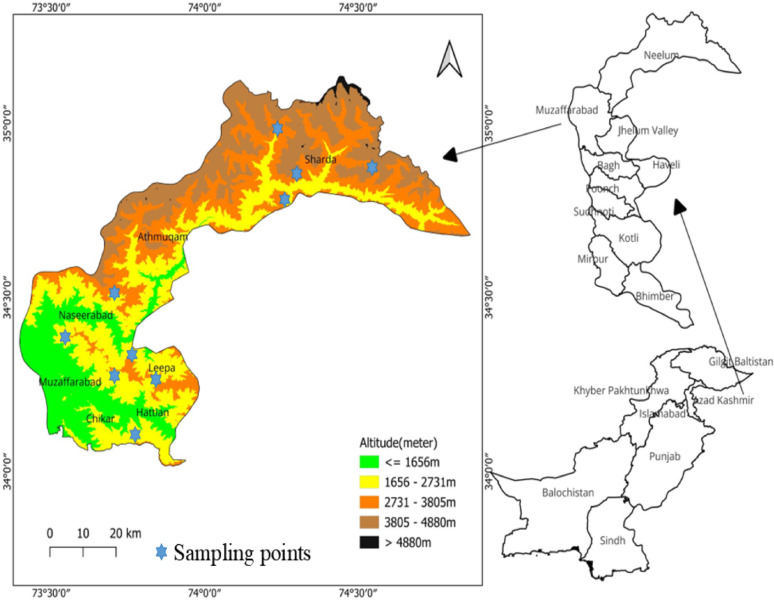 Figure 1
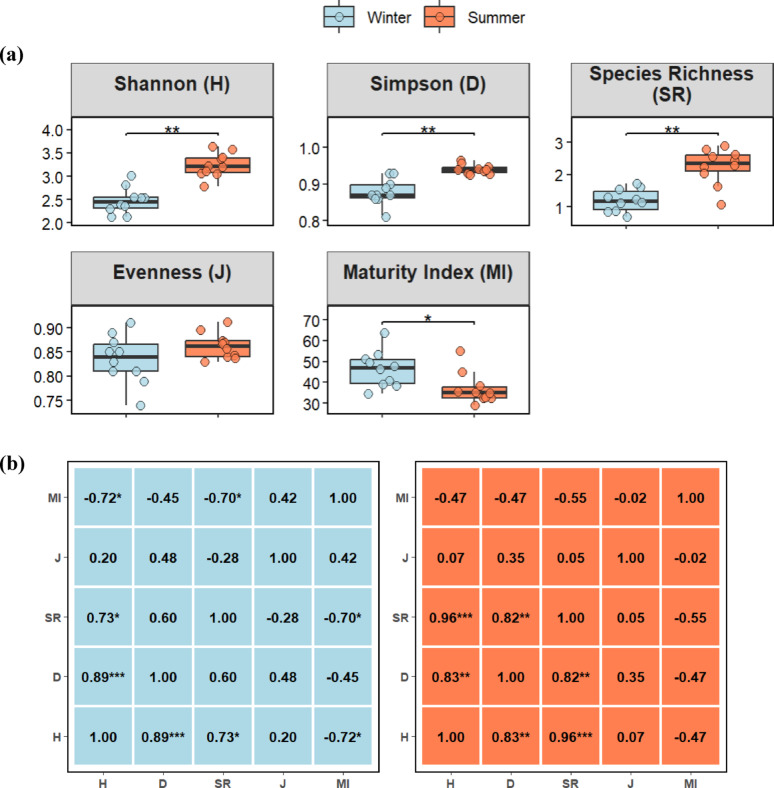 Figure 2
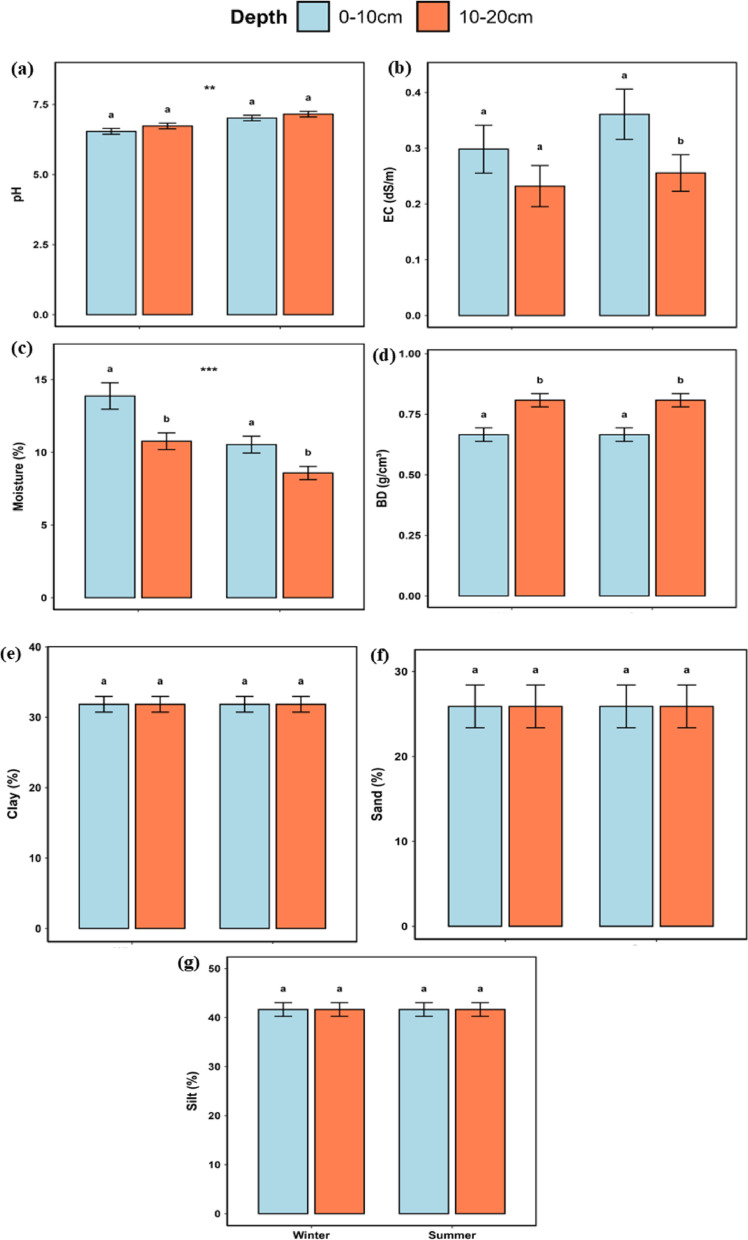 Figure 3
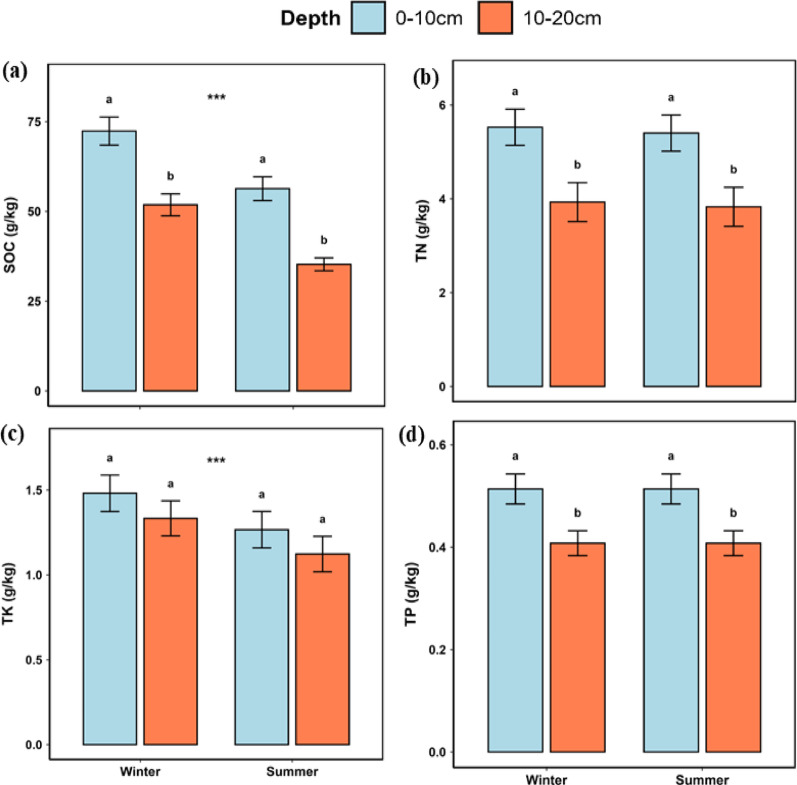 Figure 4
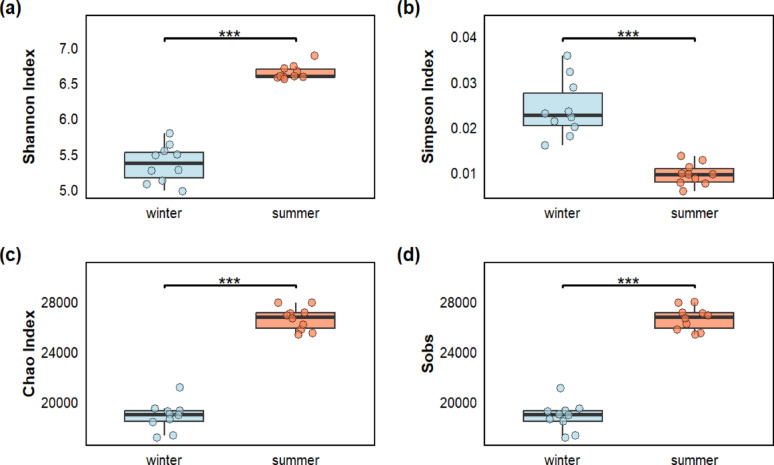 Figure 5
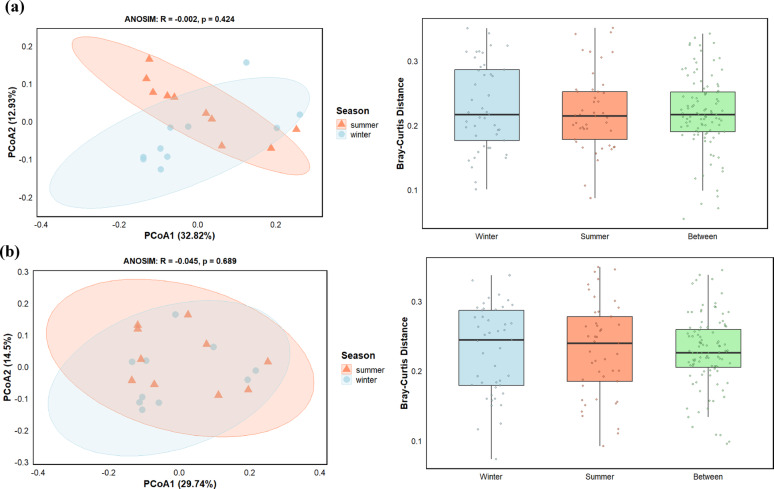 Figure 6
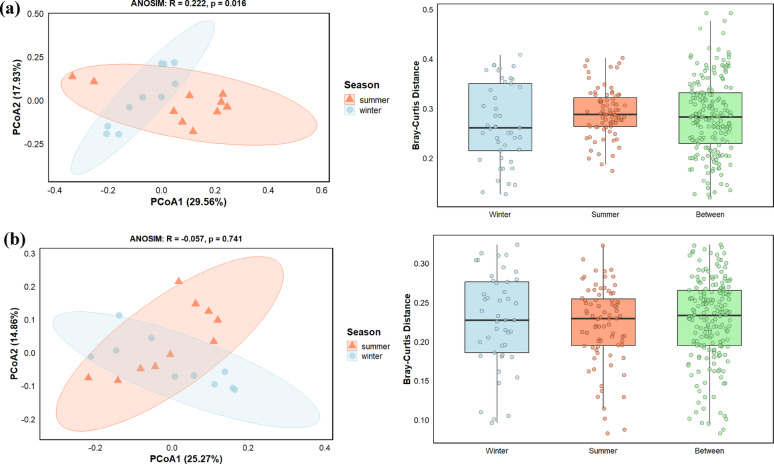 Figure 7
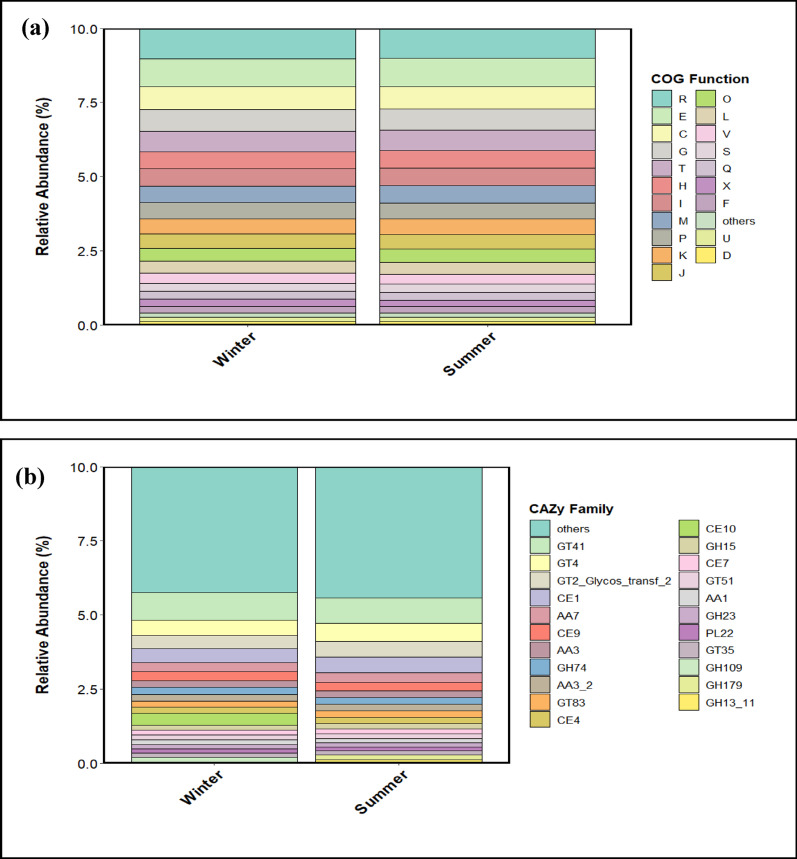 Figure 8
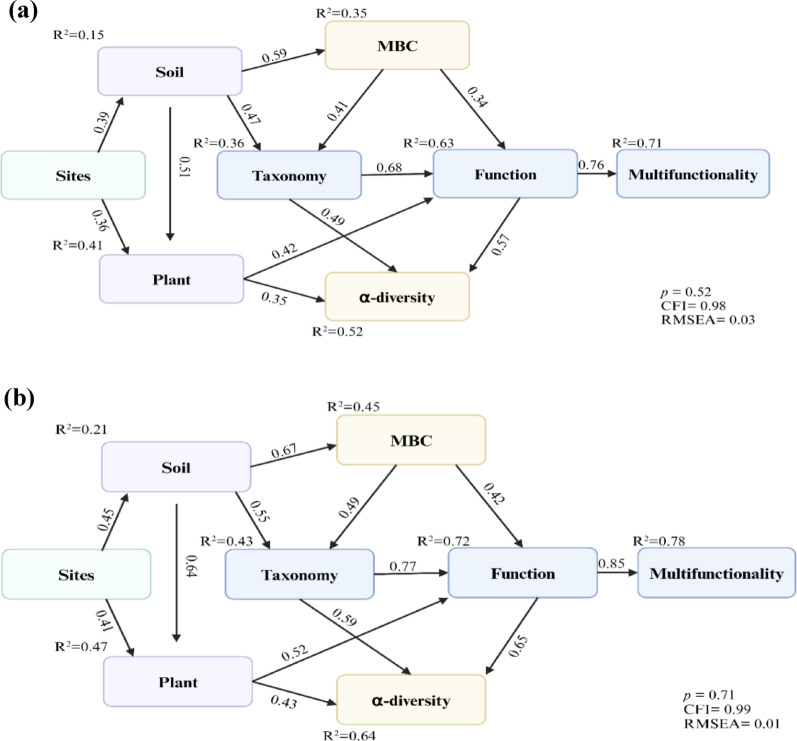 Figure 9
Peer Reviews
No public reviews on file for this paper yet. If you reviewed it on a platform where reviews are public (OpenReview, ICLR, NeurIPS, ICML), you can paste yours below so the community can read it here.
Videos
No videos yet. Explain this paper in a talk, walkthrough, or lecture? Add one.
Taxonomy
TopicsSoil Carbon and Nitrogen Dynamics · Species Distribution and Climate Change · Agroforestry and silvopastoral systems