Adaptive Seamless Phase II/III Randomization Test Considering Treatment Group Selection Based on Short–Term Binary Outcomes
Funato Sato, Kohei Uemura, Junki Mizusawa, Yutaka Matsuyama, Yoshihiko Morikawa

TL;DR
This paper introduces a new statistical method for drug trials that combines phase II and III, improving efficiency and success rates by better handling treatment selection based on early results.
Contribution
The paper proposes a less conservative adaptive seamless phase II/III randomization test that accounts for outcome correlations.
Findings
The proposed method controls type I error rates around the nominal level.
It shows higher power than the combination test in most scenarios.
The method increases the probability of trial success compared to conventional designs.
Abstract
Recently, adaptive seamless phase II/III designs (ASDs) have gained attention because they improve the efficiency of drug development. In an ASD, a phase II trial, which explores the dose–response relationships and identifies treatments for the phase III trial, is combined with a phase III trial, which aims to demonstrate the efficacy and safety of the selected treatment arms in a single trial. This study focused on ASD, which selects treatment groups based on the short–term outcomes observed early in the trial, and involves a confirmatory outcome as the long–term outcome. The method based on the combination test, which considers treatment group selection based on short–term outcomes, tends to be conservative. In other words, it controls the type I error rate more strictly than necessary as the correlation decreases among outcomes in phases II and III. To address this issue, we proposed…
Genes, proteins, chemicals, diseases, species, mutations and cell lines named across the full text — each resolved to its canonical identifier and authoritative record.
Click any figure to enlarge with its caption.
 Figure 1
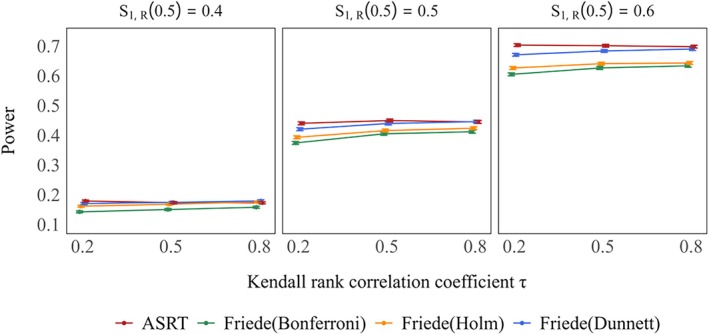 Figure 2
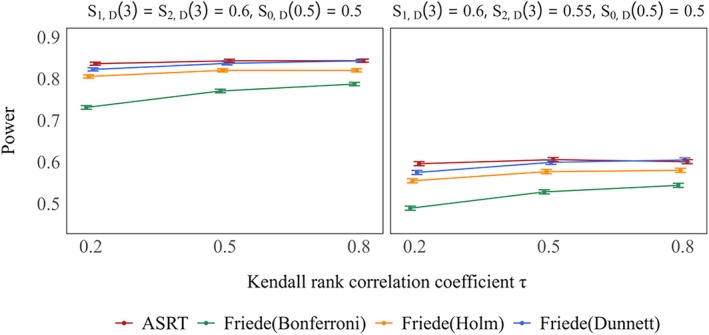 Figure 3
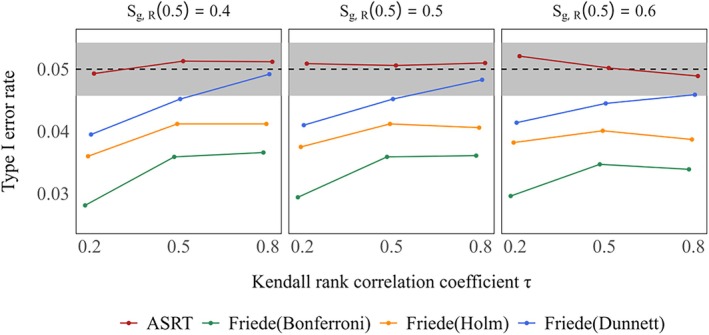 Figure 4
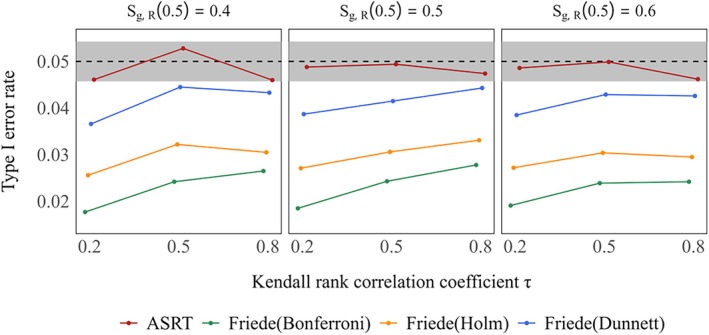 Figure 5
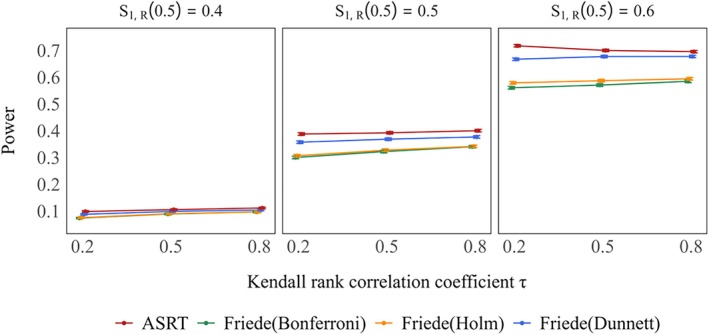 Figure 6
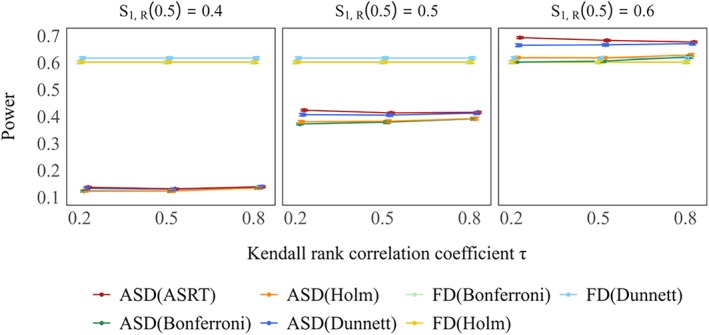 Figure 7
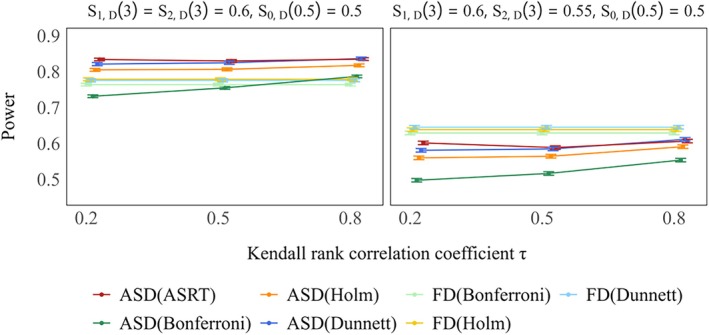 Figure 8
Peer Reviews
No public reviews on file for this paper yet. If you reviewed it on a platform where reviews are public (OpenReview, ICLR, NeurIPS, ICML), you can paste yours below so the community can read it here.
Videos
No videos yet. Explain this paper in a talk, walkthrough, or lecture? Add one.
Taxonomy
TopicsStatistical Methods in Clinical Trials · Optimal Experimental Design Methods · Advanced Causal Inference Techniques