Transcriptome analysis reveals the mechanisms of flavonoid accumulation in different Morus alba L. varieties
Tao Zhou, Yue Pan, Ming Wang, Shao-li Fan, Ru-Xue Li, Lu Yang

TL;DR
This study identifies genes and regulatory factors involved in flavonoid accumulation in different mulberry varieties.
Contribution
The study reveals cultivar-specific gene expression patterns and regulatory networks controlling flavonoid biosynthesis in Morus alba L.
Findings
YS variety consistently showed higher flavonoid content than HS, especially at later developmental stages.
Key genes like CHS1, CHI, and transcription factors MYB306 and BHLH106 showed cultivar-specific expression patterns.
WGCNA identified a gene module enriched with flavonoid synthesis and regulatory pathway genes.
Abstract
Morus alba L., a perennial woody plant with significant economic and ecological value, contains abundant phytochemicals, including flavonoids, which play crucial roles in plant defense and human health. Flavonoids are a diverse group of secondary metabolites with antioxidant, anti-inflammatory, and antimicrobial properties, and are widely found in plant tissues and contribute to both plant fitness and human nutrition. Through comparative transcriptome analysis between Black Mulberry (HS) and Medicinal Mulberry (YS), we identified numerous differentially expressed genes (DEGs) associated with flavonoid biosynthesis. Key structural genes, including CHS1, CHI, F3H, F3’H, and ANS, as well as transcription factors (TFs) such as MYB306, BHLH106, and BHLH153, exhibited cultivar-specific expression patterns that strongly correlated with flavonoid accumulation during fruit development. Notably,…
Genes, proteins, chemicals, diseases, species, mutations and cell lines named across the full text — each resolved to its canonical identifier and authoritative record.
Click any figure to enlarge with its caption.
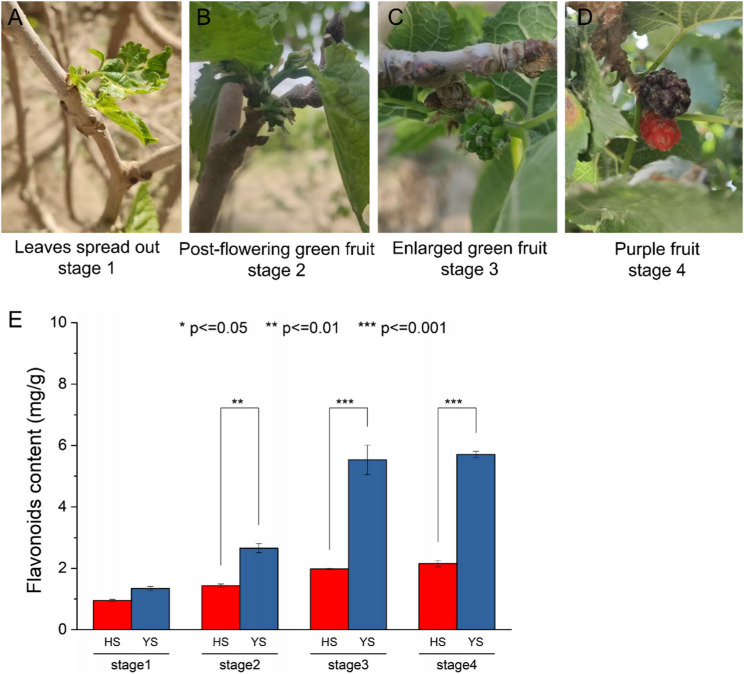 Figure 1
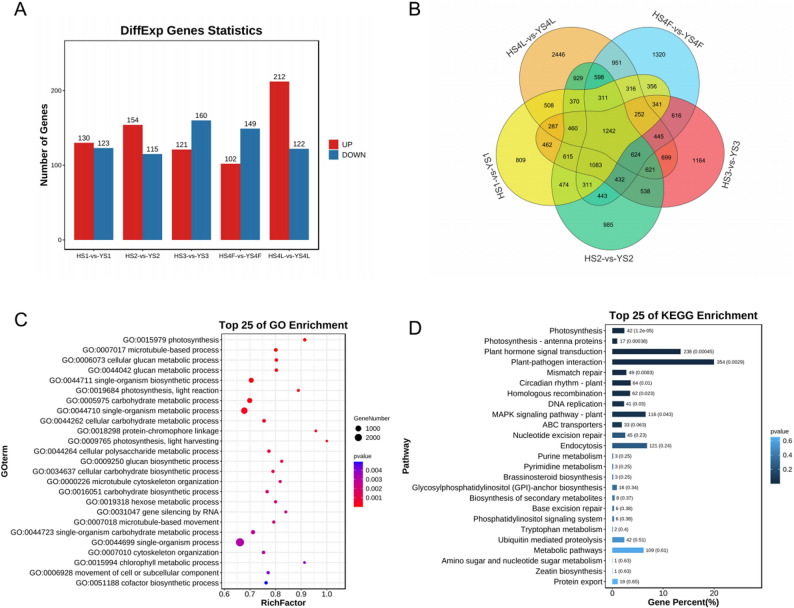 Figure 2
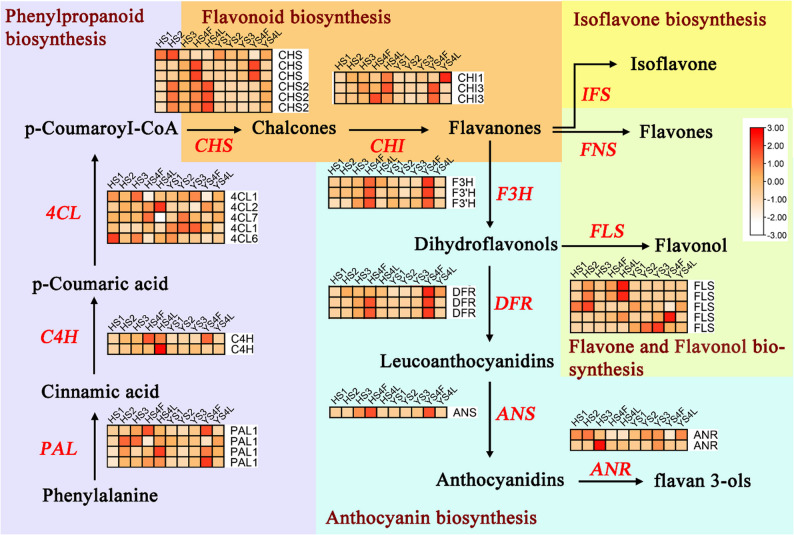 Figure 3
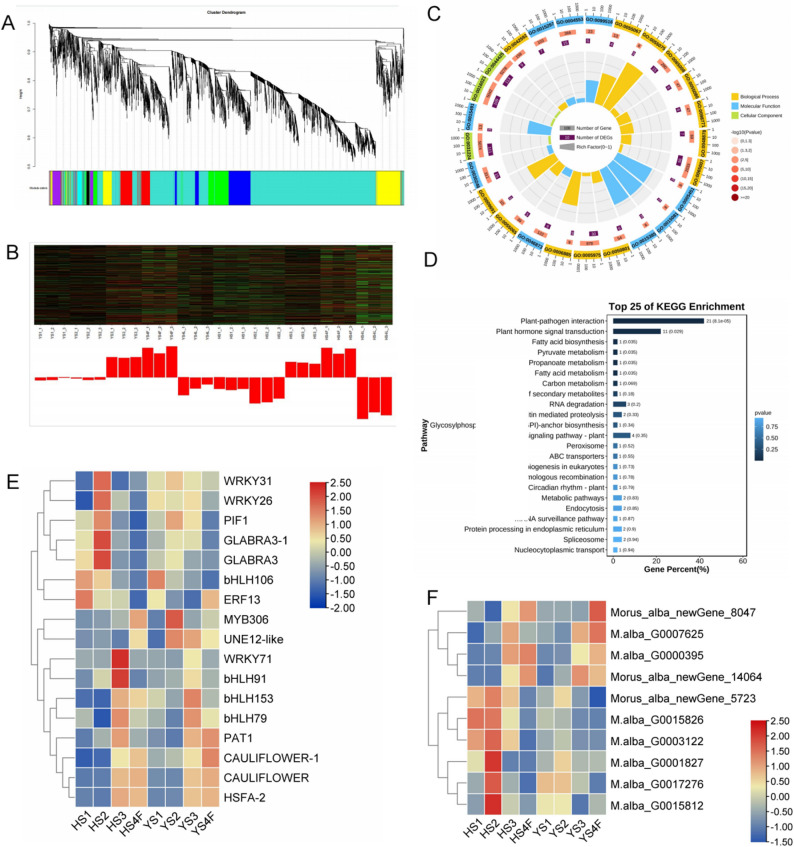 Figure 4
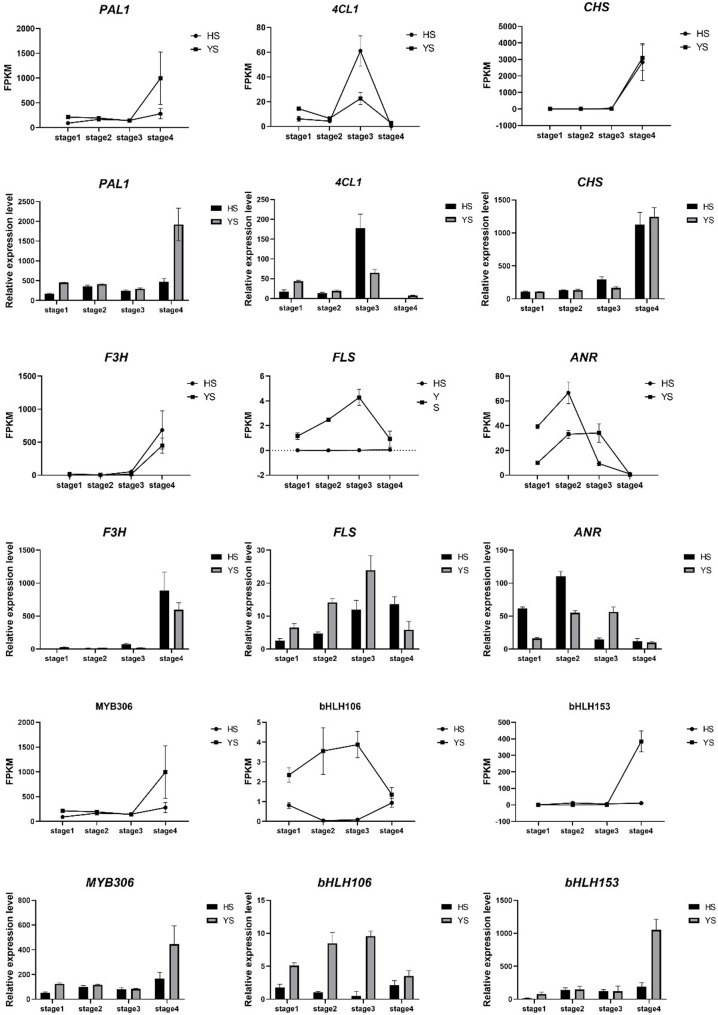 Figure 5
Peer Reviews
No public reviews on file for this paper yet. If you reviewed it on a platform where reviews are public (OpenReview, ICLR, NeurIPS, ICML), you can paste yours below so the community can read it here.
Videos
No videos yet. Explain this paper in a talk, walkthrough, or lecture? Add one.
Taxonomy
TopicsPlant Gene Expression Analysis · Bioactive natural compounds · Papaya Research and Applications