The food grade bacterium Lactobacillus helveticus VEL12193 promotes autophagy by releasing membrane vesicles
Marie-Agnès Bringer, Simon Manceau, Jana Al Azzaz, Bénédicte Buteau, Lil Proukhnitzky, Amaury Aumeunier, Luis G. Bermúdez-Humarán, Florian Chain, Catherine Daniel, Elise Jacquin, Zandile Mlamla, Jean-Paul Pais de Barros, Julia Novion Ducassou, Yohann Couté, Guilhem Faure

TL;DR
A food-grade bacterium, Lactobacillus helveticus VEL12193, promotes autophagy in human cells and mice, potentially supporting healthy aging.
Contribution
Identifies L. helveticus VEL12193 as a strong autophagy inducer and shows membrane vesicles mediate this effect.
Findings
L. helveticus VEL12193 strongly induces autophagy in human epithelial cells in vitro.
Long-term dietary supplementation with VEL12193 stimulates autophagy in the gut and retina of mice.
Membrane vesicles from VEL12193 mediate autophagy in epithelial and immune cells.
Abstract
Autophagy-related processes are crucial for maintaining cellular homeostasis in eukaryotic organisms. While alterations of these processes have been strongly linked to specific human disorders, including inflammatory bowel disease, neurodegenerative diseases, and metabolic syndromes, long-term autophagy stimulation appears to be safe and to extend lifespan in model organisms. Several studies indicate that gut microbiota or derived metabolites can modulate host autophagy at the gut mucosa level but also in peripheral organs. Here, we investigated in vitro and in vivo the potential of bacterial species commonly used in food fermentation (ferments) or for their health benefits (probiotics) to modulate host autophagy. We screened 11 bacterial strains (lactobacilli and bifidobacteria) in vitro for autophagy induction in human epithelial cells. The most effective strain identified in vitro…
Genes, proteins, chemicals, diseases, species, mutations and cell lines named across the full text — each resolved to its canonical identifier and authoritative record.
Click any figure to enlarge with its caption.
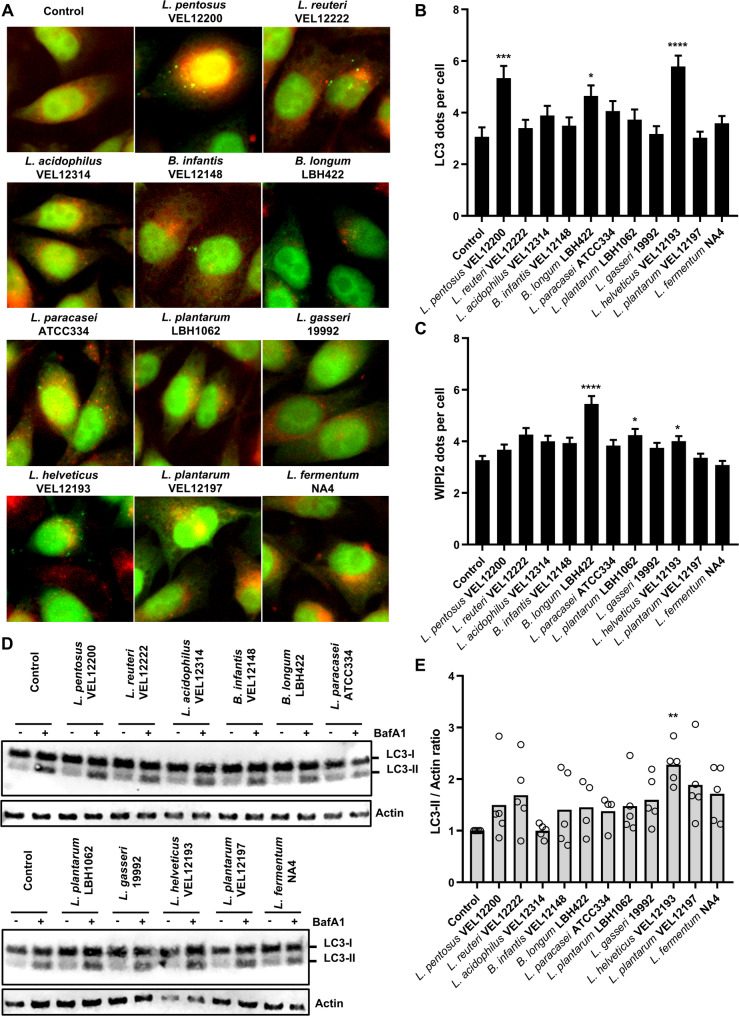 Figure 1
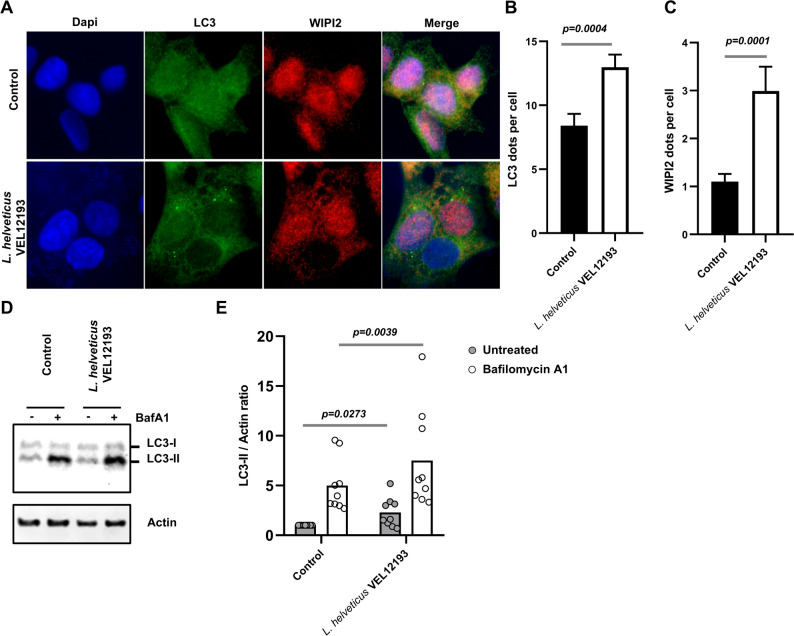 Figure 2
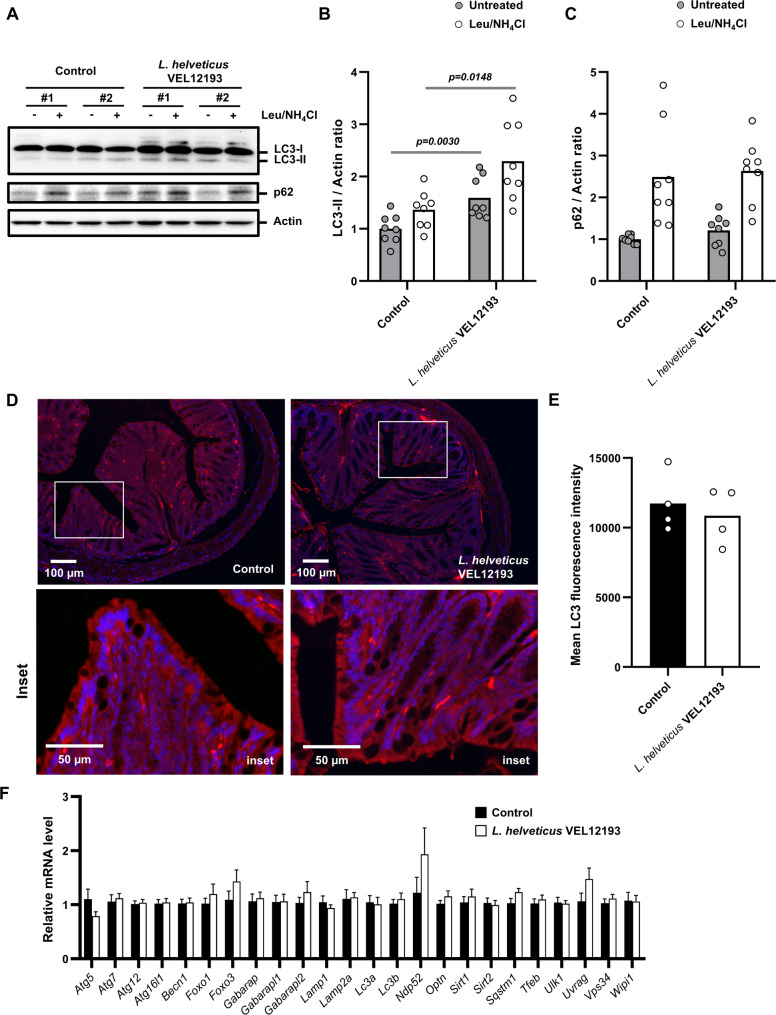 Figure 3
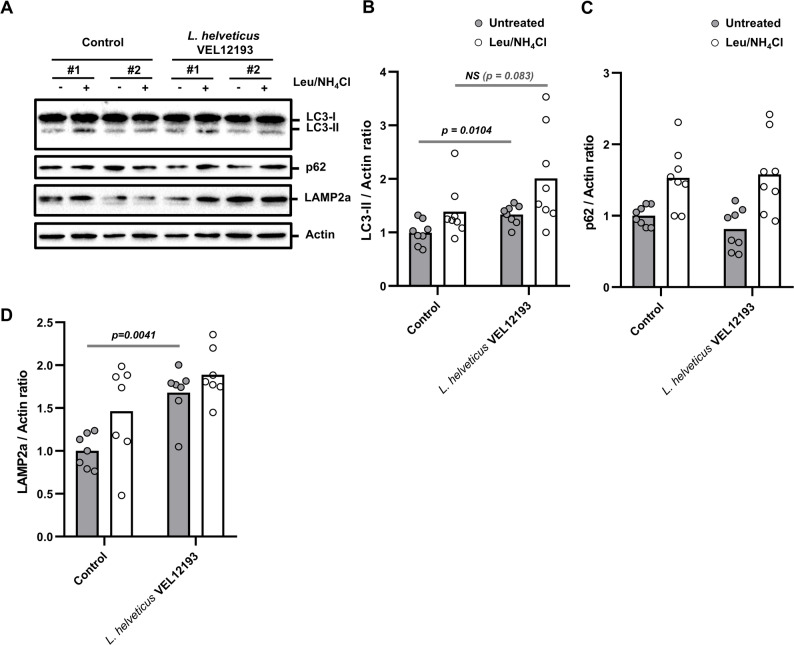 Figure 4
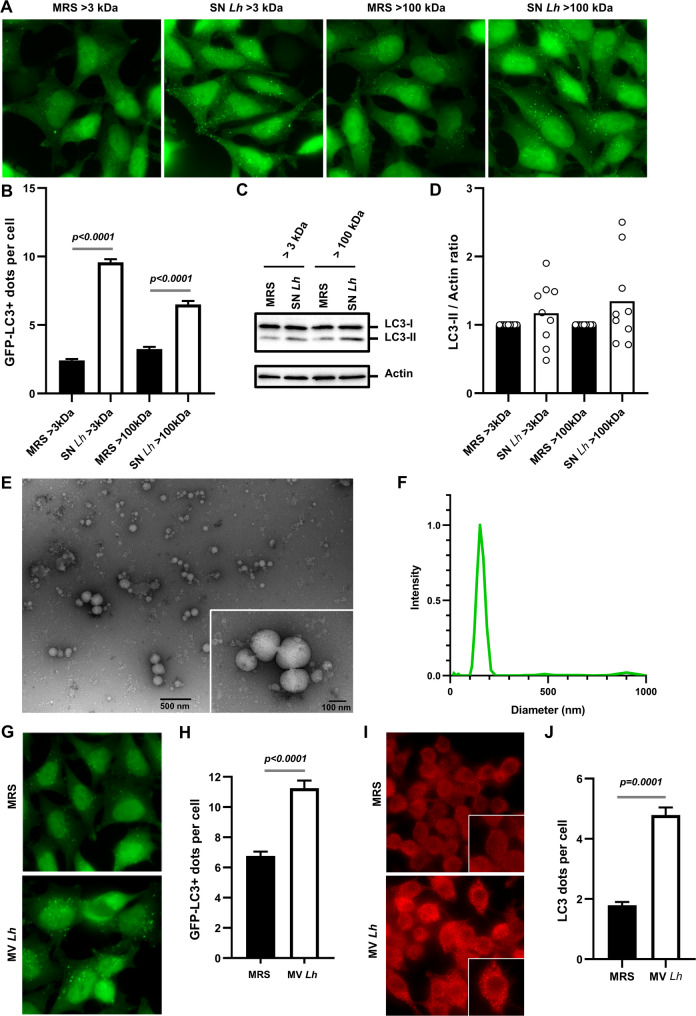 Figure 5
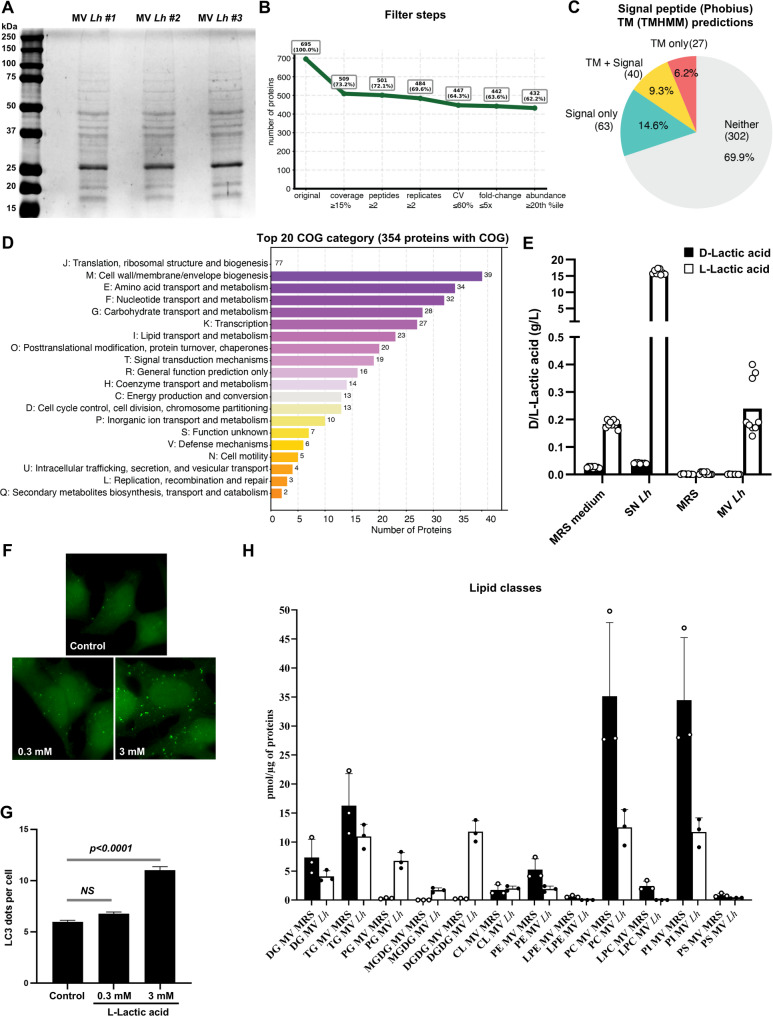 Figure 6
Peer Reviews
No public reviews on file for this paper yet. If you reviewed it on a platform where reviews are public (OpenReview, ICLR, NeurIPS, ICML), you can paste yours below so the community can read it here.
Videos
No videos yet. Explain this paper in a talk, walkthrough, or lecture? Add one.
Taxonomy
TopicsAutophagy in Disease and Therapy · Gut microbiota and health · Bacteriophages and microbial interactions