The effects of sexual selection on functional and molecular reproductive divergence during experimental evolution in seed beetles
Salomé Fromonteil, Alexandre Rêgo, Elina Immonen, Biljana Stojković, Uroš Savković, Mirko Đorđević, Johanna L Rönn, Göran Arnqvist

TL;DR
This study shows that strong sexual selection leads to greater reproductive differences in seed beetles over time, even without environmental changes.
Contribution
The study experimentally demonstrates how sexual selection drives reproductive divergence in early evolutionary stages.
Findings
Lines with strong sexual selection showed greater reproductive trait divergence.
Stronger male-by-female interactions for sperm competition success were observed under strong sexual selection.
Reproductive protein expression was more divergent in lines with strong sexual selection.
Abstract
Sexual selection can be an engine of divergent evolution between closely related lineages, as a result of idiosyncratic coevolution of male and female reproductive traits. The possibility that this can contribute to speciation has ample support from comparative studies but very few experimental evolution studies have addressed the role of sexual selection in very early stages of divergent evolution. Here, we use experimental evolution to study divergent evolution between replicate lines of the seed beetle Acanthoscelides obtectus evolving under strong or weak sexual selection for >190 generations. We first confirm that the experimental regimes employed resulted in marked differences in the strength of sexual selection. We then indirectly assess the degree of divergent evolution of those male and female traits that affect postmating sexual selection, by crossing replicate lines. We find…
Genes, proteins, chemicals, diseases, species, mutations and cell lines named across the full text — each resolved to its canonical identifier and authoritative record.
Click any figure to enlarge with its caption.
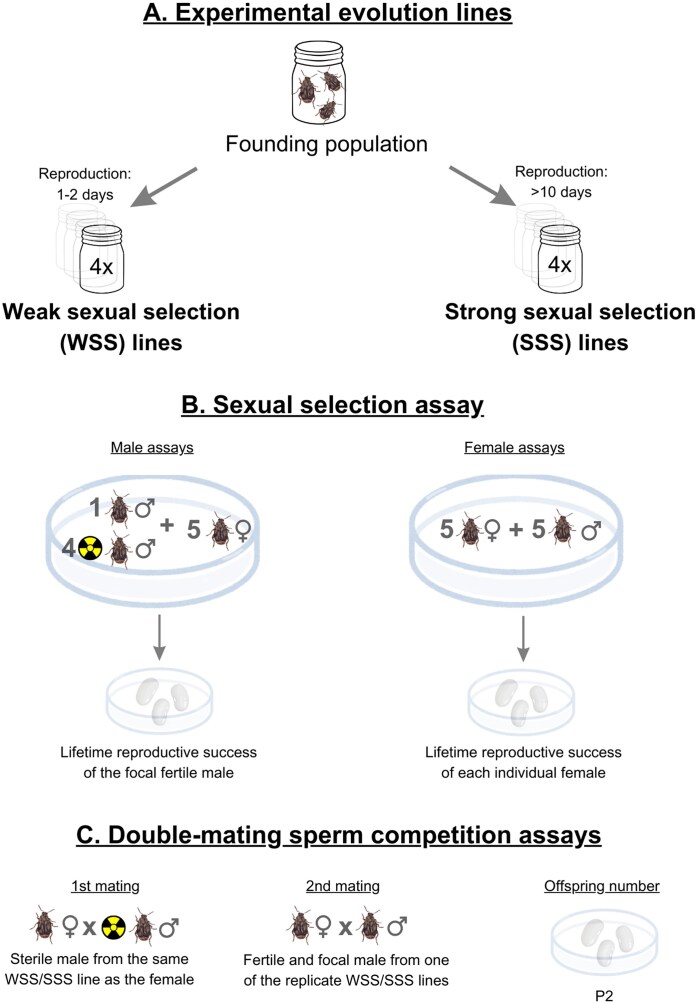 Figure 1
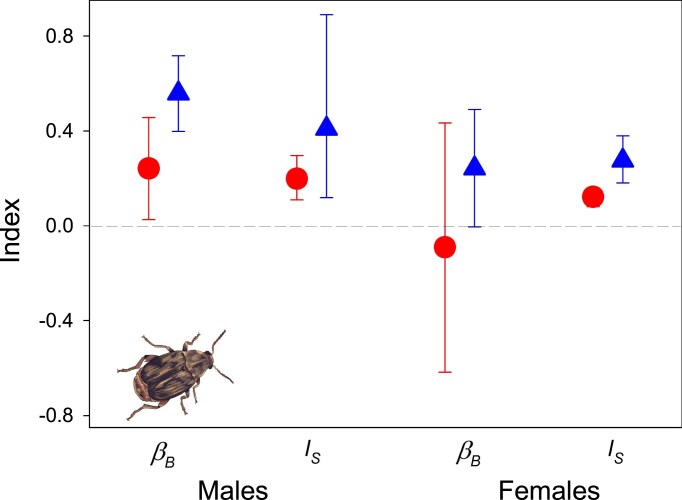 Figure 2
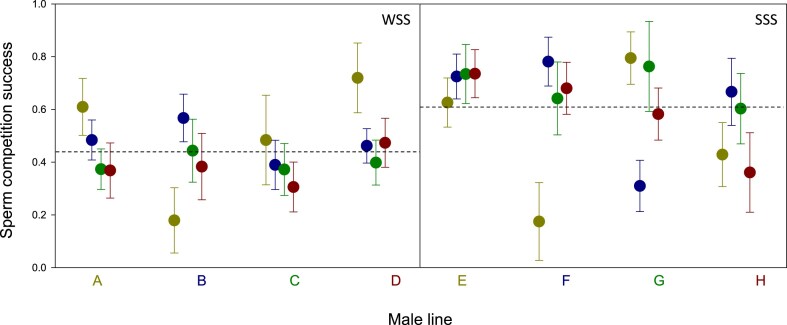 Figure 3
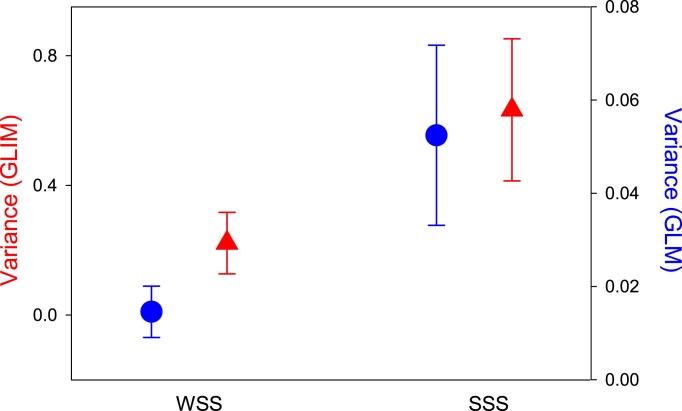 Figure 4
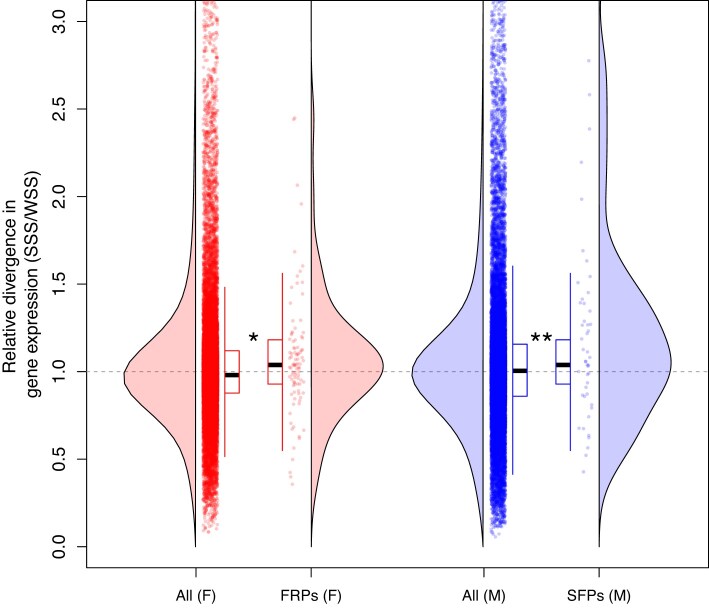 Figure 5
Peer Reviews
No public reviews on file for this paper yet. If you reviewed it on a platform where reviews are public (OpenReview, ICLR, NeurIPS, ICML), you can paste yours below so the community can read it here.
Videos
No videos yet. Explain this paper in a talk, walkthrough, or lecture? Add one.
Taxonomy
TopicsAnimal Behavior and Reproduction · Evolution and Genetic Dynamics · Insect and Arachnid Ecology and Behavior