Probiotic and antibacterial properties of recombinant Lactococcus lactis expressing the fusion antimicrobial peptides BMAP18-BSN37 in mice and chickens
Ruibiao Wang, Yukai Lin, Yu Xia, Suxian Liu, Doudou Feng, Siyang Li, Tengyue Zhou, Huarun Sun, Jiyuan Shen, Bo Wen, Minghui Li, Chengshui Liao, Baoliang Qin, Jianhe Hu, Yuanfang Ma, Ke Ding, Lei Wang

TL;DR
A genetically modified Lactococcus lactis strain was developed to combat Salmonella in animals, showing benefits for gut health and reduced pathogen levels.
Contribution
A recombinant L. lactis strain expressing fusion antimicrobial peptides was engineered and tested for dual probiotic and antibacterial effects in mice and chickens.
Findings
The recombinant L. lactis NZ-BB strain effectively reduced Salmonella burden in mice and chickens.
NZ-BB improved intestinal barrier integrity and immune balance through upregulation of tight junction proteins and anti-inflammatory cytokines.
The strain exhibited stable plasmid maintenance and high peptide expression without metabolic burden.
Abstract
Antimicrobial resistance poses a serious threat to global food safety and poultry production, prompting the need for effective alternatives to conventional antibiotics in food-producing animals. In this study, a recombinant food-grade strain, L. lactis NZ-BB, was engineered to express a fusion antimicrobial peptide (BMAP18-BSN37), and evaluated its probiotic characteristics and antimicrobial efficacy against Salmonella, a major foodborne pathogen in chicken. The recombinant plasmid pUBB was successfully constructed and introduced into L. lactis NZ9000, with optimal peptide expression achieved following Nisin induction (20 ng/mL, 6 h). NZ-BB demonstrated stable plasmid maintenance, high expression levels, and no detectable metabolic burden. In vivo trials using BALB/c murine and 817 strain avian models showed that NZ-BB enhanced body weight gain, supported immune organ development, and…
Genes, proteins, chemicals, diseases, species, mutations and cell lines named across the full text — each resolved to its canonical identifier and authoritative record.
Click any figure to enlarge with its caption.
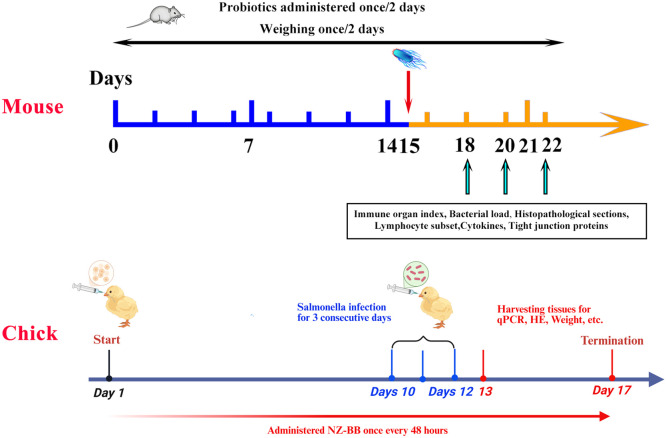 Figure 1
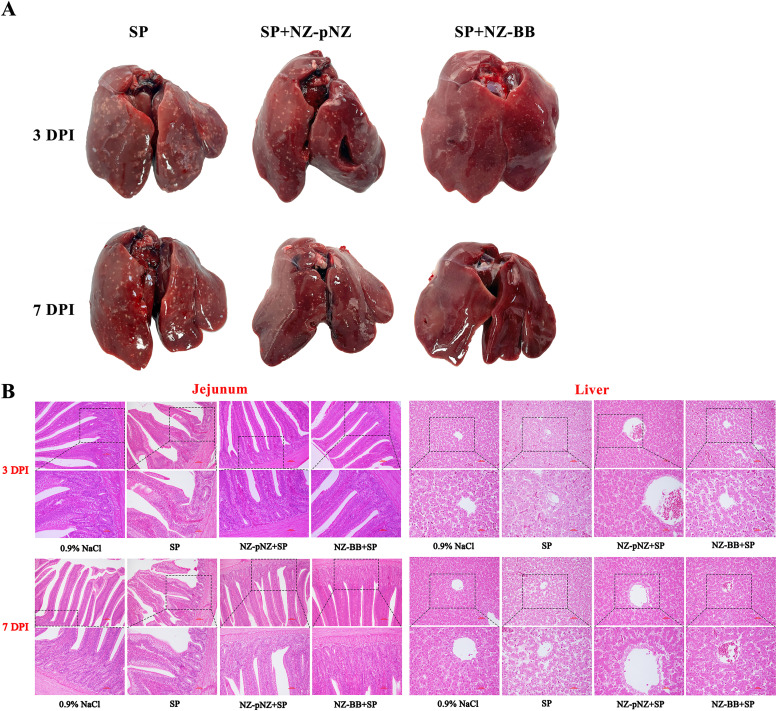 Figure 2
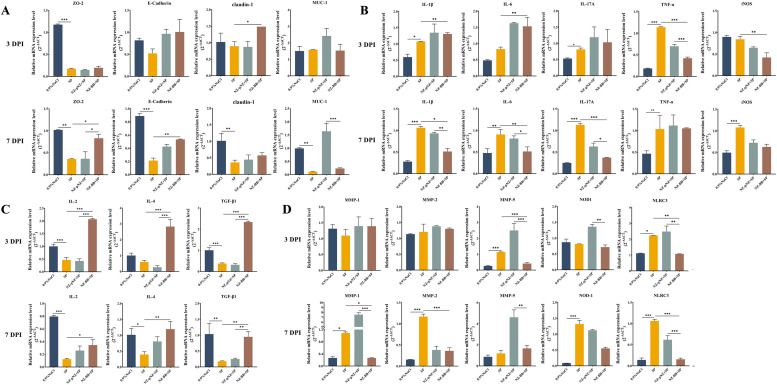 Figure 3
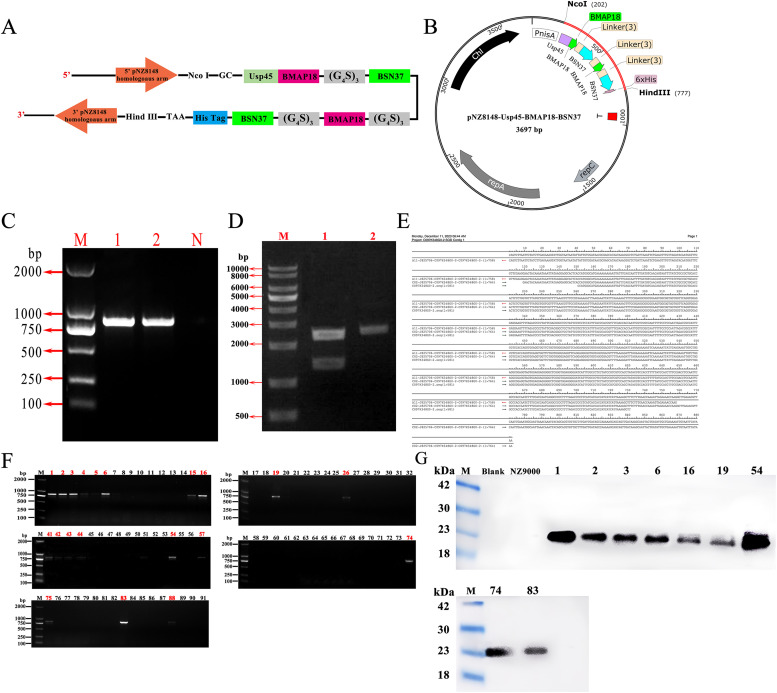 Figure 4
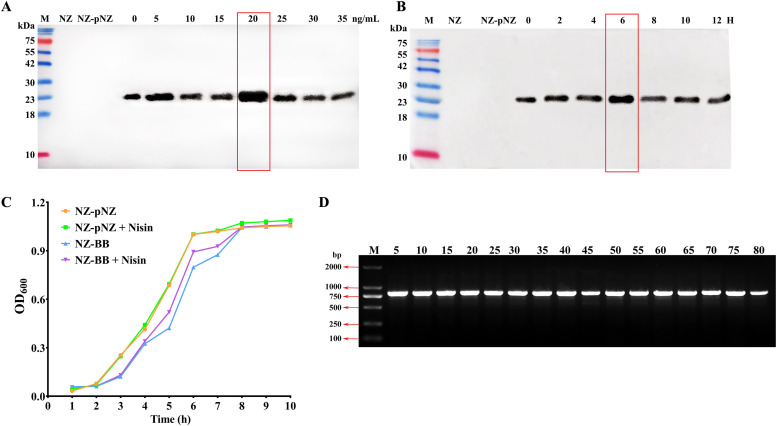 Figure 5
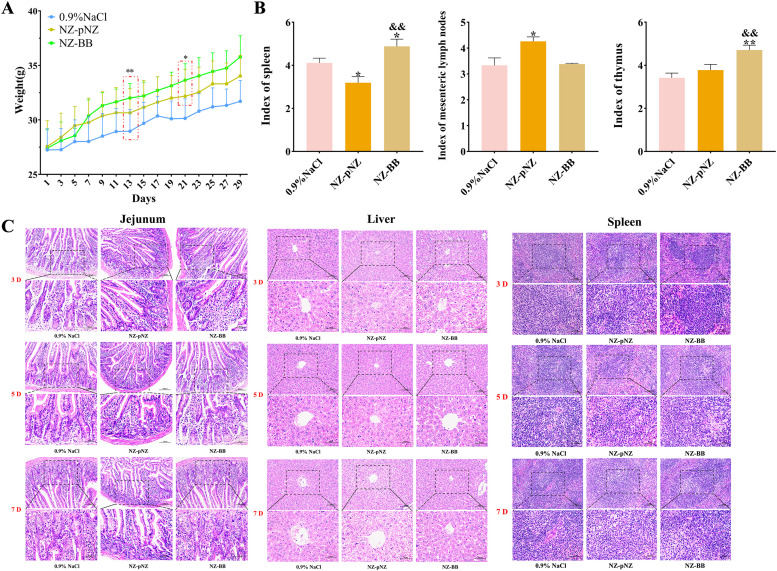 Figure 6
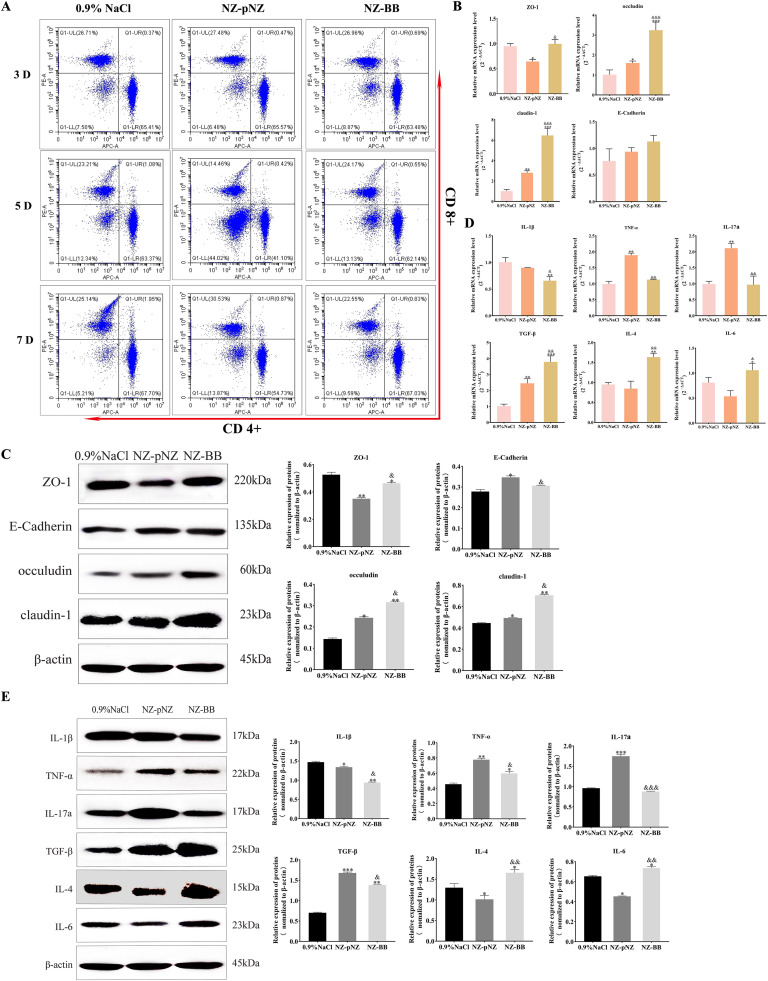 Figure 7
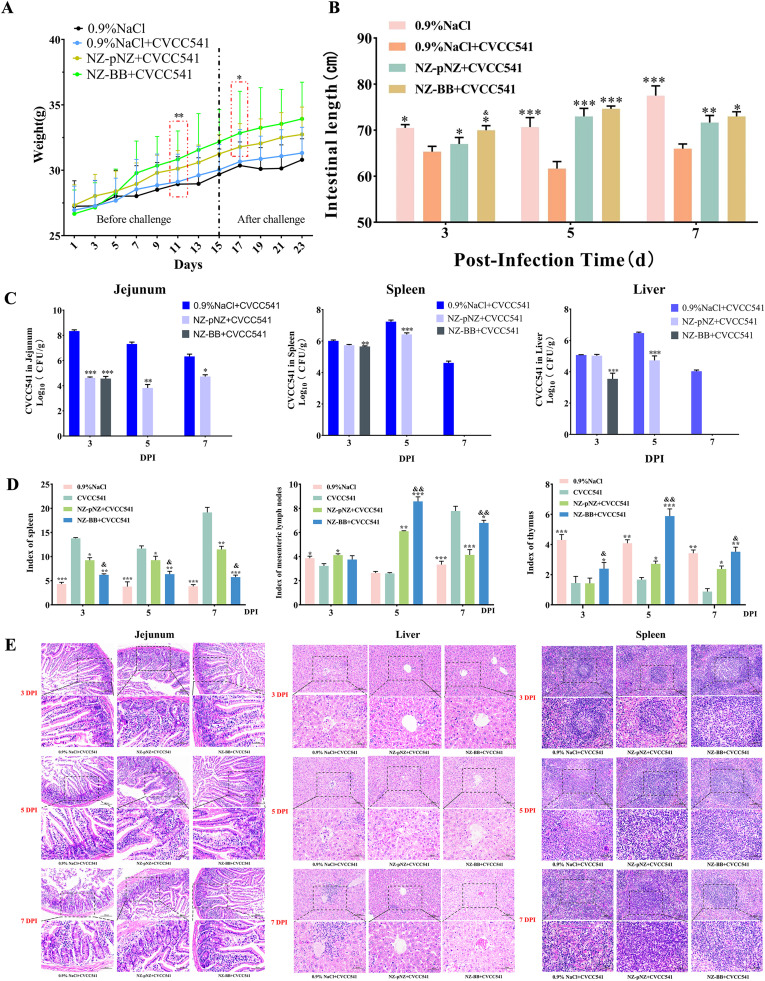 Figure 8
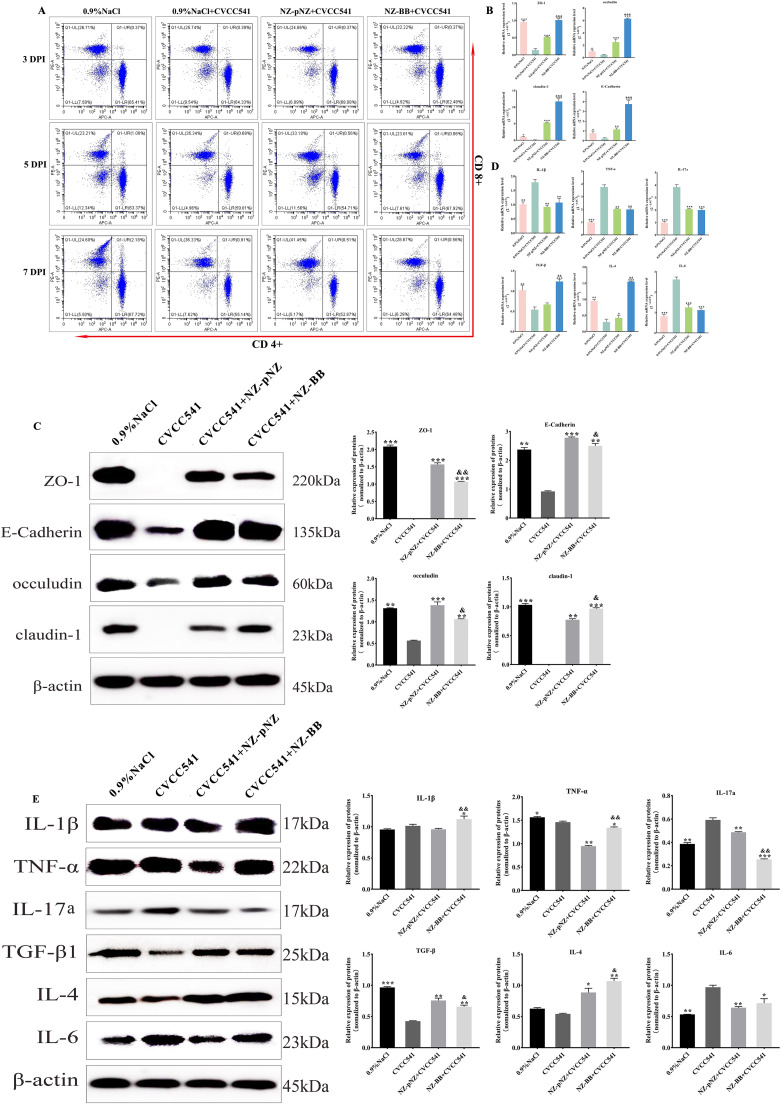 Figure 9
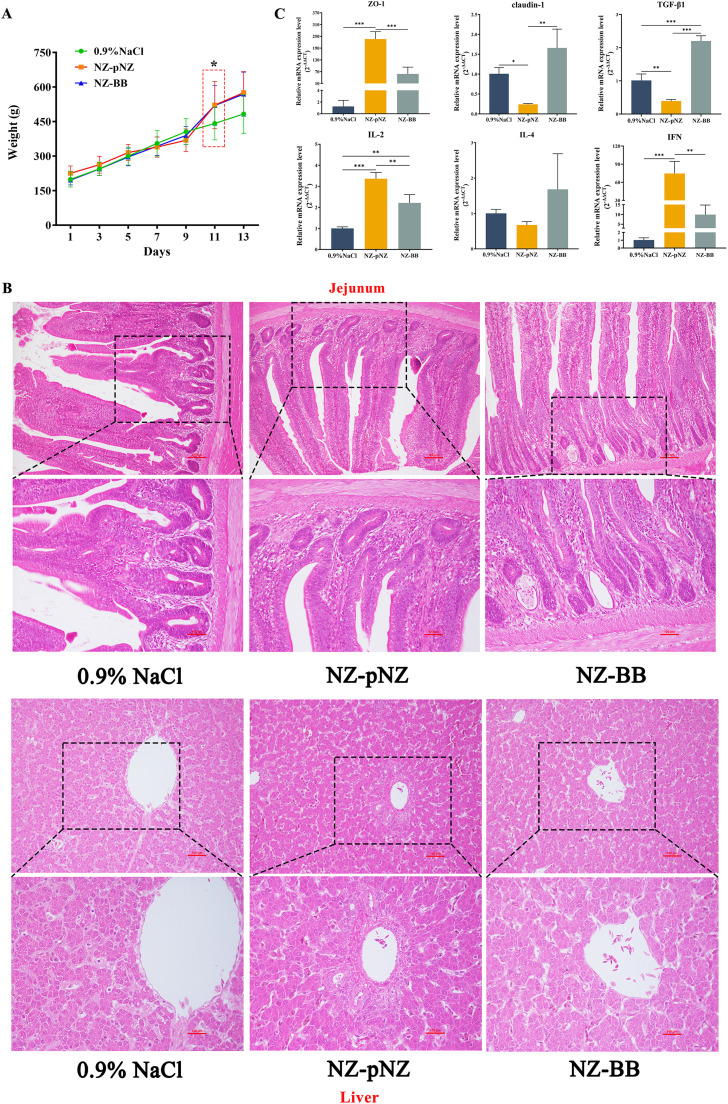 Figure 10
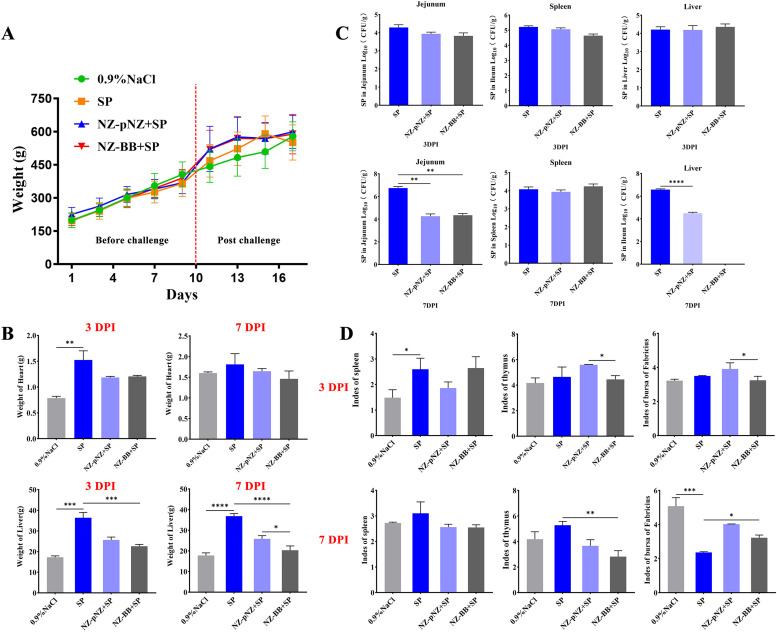 Figure 11
Peer Reviews
No public reviews on file for this paper yet. If you reviewed it on a platform where reviews are public (OpenReview, ICLR, NeurIPS, ICML), you can paste yours below so the community can read it here.
Videos
No videos yet. Explain this paper in a talk, walkthrough, or lecture? Add one.
Taxonomy
TopicsAntimicrobial Peptides and Activities · Probiotics and Fermented Foods · Protein Hydrolysis and Bioactive Peptides