The cytochrome c oxidase subunit COX6B1 is required for redox-sensitive early assembly and late stabilization of complex IV
Kristýna Čunátová, Marek Vrbacký, Michal Knězů, Alena Pecinová, Lukáš Alán, Josef Houštěk, Erika Fernández-Vizarra, Tomáš Mráček, Petr Pecina

TL;DR
This study shows that the COX6B1 protein is essential for both early and late stages of assembling a key mitochondrial enzyme complex.
Contribution
The novel finding is that COX6B1 is required for redox-sensitive early assembly and late stabilization of complex IV.
Findings
COX6B1 is indispensable for early cytochrome c oxidase (cIV) assembly steps.
COX6B1 also contributes to the stabilization of cIV in late assembly stages.
Partially assembled cIV modules are incorporated into supercomplex structures.
Abstract
COX6B1 is a nuclear-encoded subunit of the human mitochondrial cytochrome c oxidase (cIV) located in its intermembrane space–facing region. The relevance of COX6B1 in mitochondrial physiopathology was highlighted by the missense pathogenic variants associated with cIV deficiency. Despite the assigned COX6B1 role as a late incorporation subunit, the COX6B1 human cell line KO exhibited a total loss of cIV. To get a deeper insight into the mechanisms driving the lack of cIV assembly or destabilization in the absence of COX6B1, we used the COX6B1 KO cell background to express alternative oxidase and COX6B1 pathogenic variants. These analyses uncovered that the COX6B1 subunit is indispensable for redox-sensitive early cIV assembly steps, besides its contribution to the stabilization of cIV in the late assembly stages. In addition, we have evidenced the incorporation of partially assembled…
Genes, proteins, chemicals, diseases, species, mutations and cell lines named across the full text — each resolved to its canonical identifier and authoritative record.
Click any figure to enlarge with its caption.
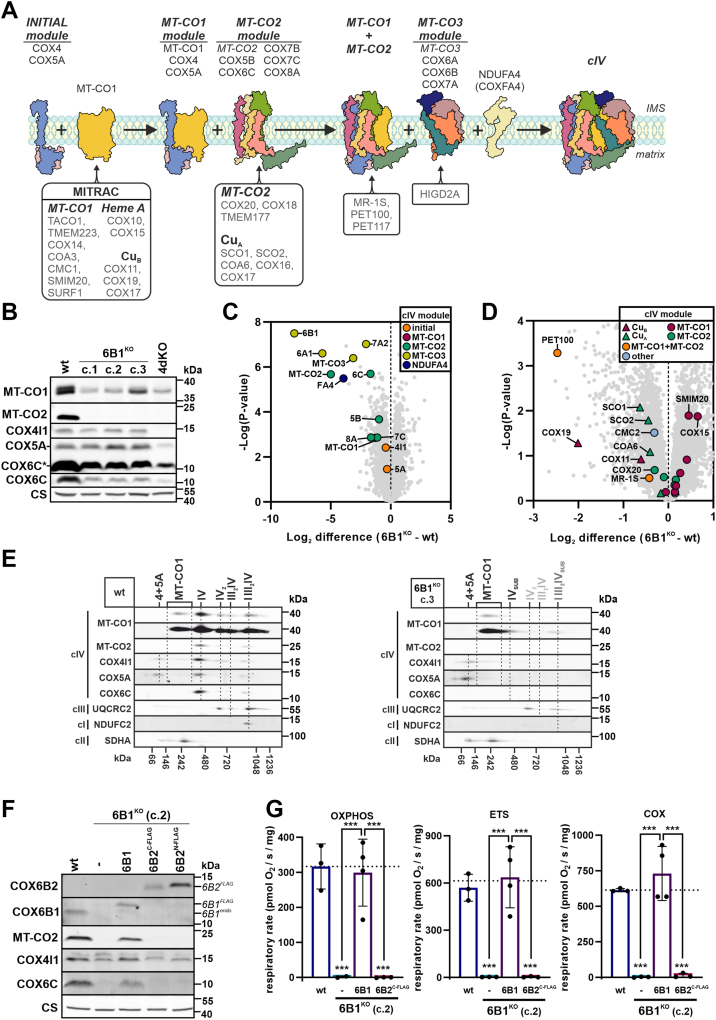 Figure 1
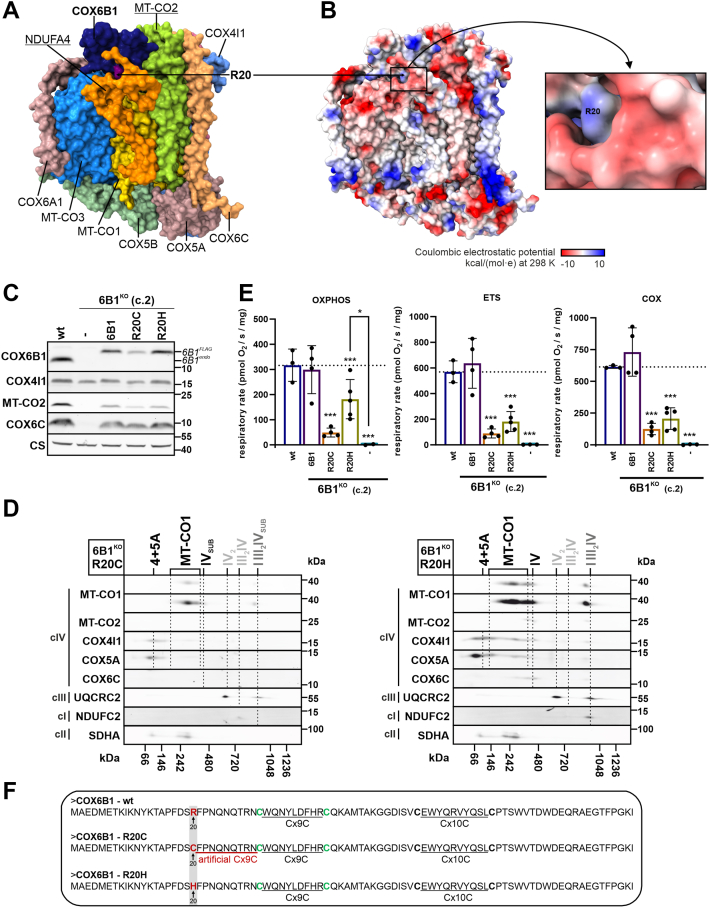 Figure 2
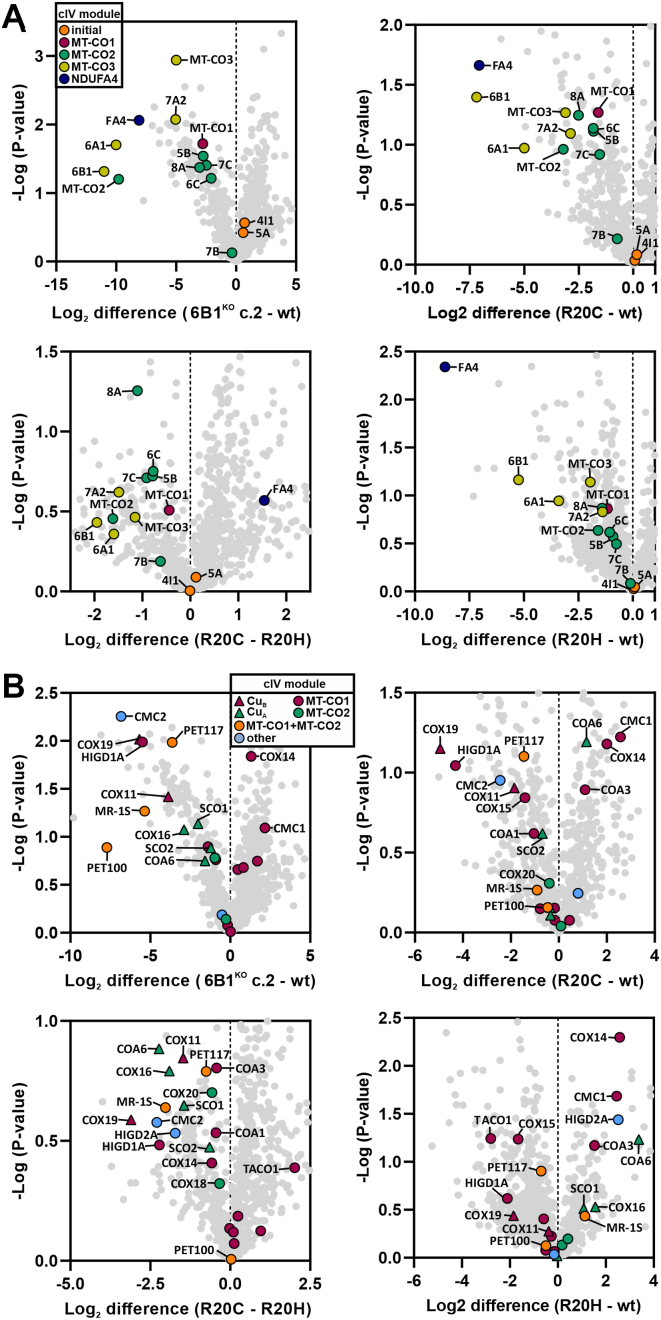 Figure 3
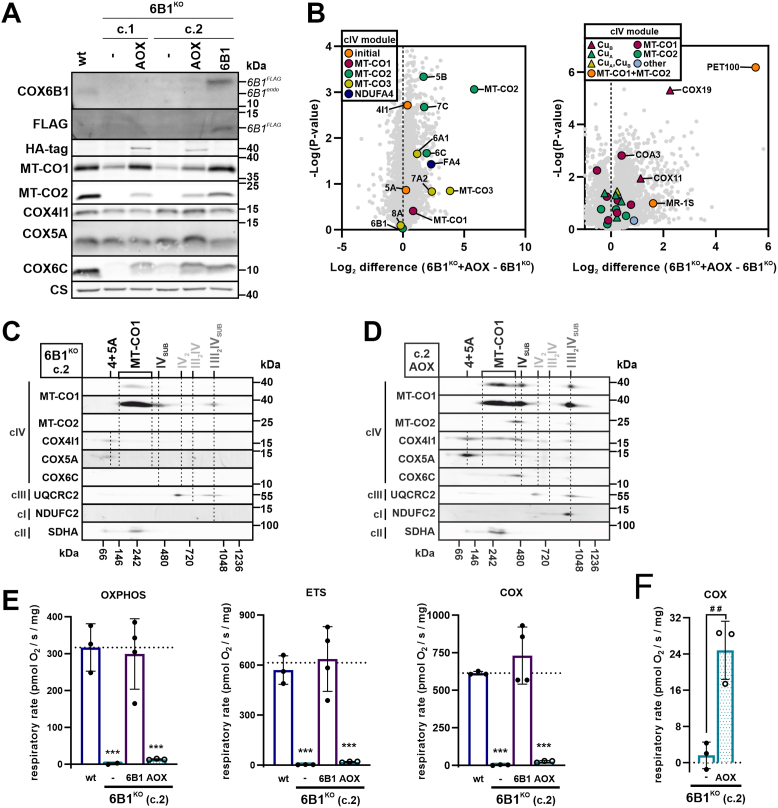 Figure 4
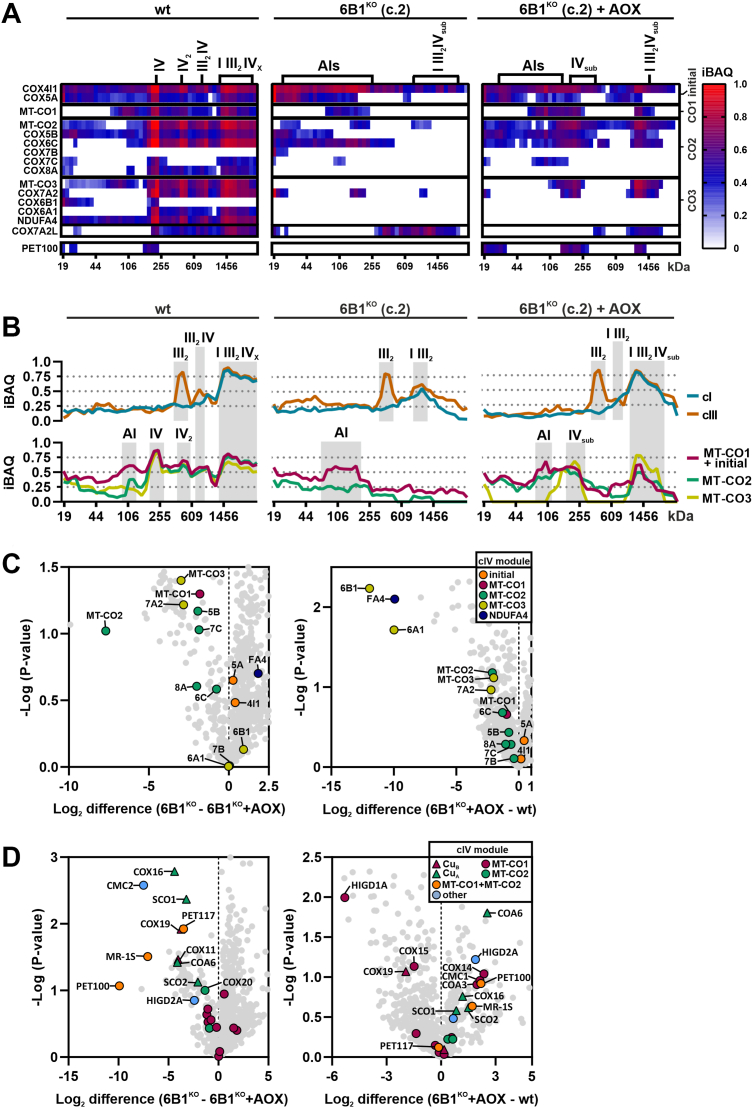 Figure 5
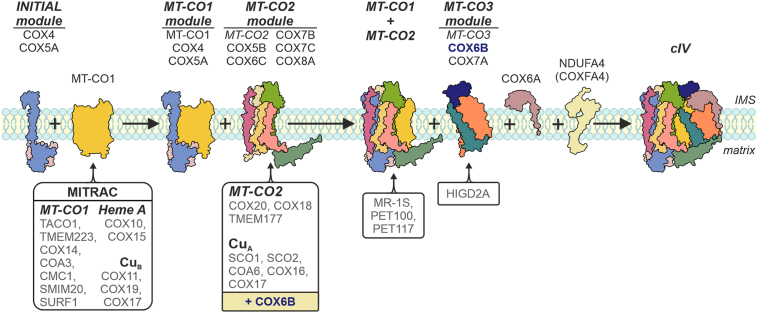 Figure 6
Peer Reviews
No public reviews on file for this paper yet. If you reviewed it on a platform where reviews are public (OpenReview, ICLR, NeurIPS, ICML), you can paste yours below so the community can read it here.
Videos
No videos yet. Explain this paper in a talk, walkthrough, or lecture? Add one.
Taxonomy
TopicsMitochondrial Function and Pathology · Photosynthetic Processes and Mechanisms · ATP Synthase and ATPases Research