Endophyte-mediated chromium detoxification in Sorghum sudanense: plant growth promotion and soil microbial enrichment
Wenling Yang, Shujing Quan, Gao Lei, Ling Liu, Yongzhan Zhang, Jing Zhen, Qi Mu, Hongguang Xu, Huomiao Ran, Liangliang Li

TL;DR
Endophytic bacteria help Sorghum sudanense grow better and detoxify chromium in soil, while also improving soil health and reducing metal toxicity.
Contribution
The study identifies specific endophytic bacteria that enhance phytoremediation of chromium-contaminated soil and promote plant growth.
Findings
Endophyte inoculation increased plant height and root length by 26.4–49.2% and 63.5–122.8%, respectively.
Endophyte treatments reduced chromium content in plant shoots and roots and improved soil organic matter and phosphatase activity.
Inoculation altered soil microbial composition, increasing genera like Delftia and Saccharimonadales, which may help reduce heavy metal toxicity.
Abstract
Phytoremediation, assisted by endophytes, showed great promise for the efficient remediation of chromium (Cr)-contaminated soil. Three endophytic bacterial strains (SE16, SE19, and SE47) were isolated from various tissues of Sorghum sudanense. The pot experiment was designed to evaluate the potential of these endophytes, applied individually or in combination, to enhance the phytoremediation efficiency of S. sudanense in Cr-contaminated soil. The results demonstrated that inoculation with endophytes increased plant height and root length by 26.4–49.2% and by 63.5–122.8%, respectively. With the exception of the SE47 treatment, the fresh weights of the shoot increased significantly, reaching 2.01–3.08 times that of the non-inoculated control. Endophyte inoculation also led to a marked reduction in the Cr content in the shoots and roots of S. sudanense. The chlorophyll content increased,…
Genes, proteins, chemicals, diseases, species, mutations and cell lines named across the full text — each resolved to its canonical identifier and authoritative record.
Click any figure to enlarge with its caption.
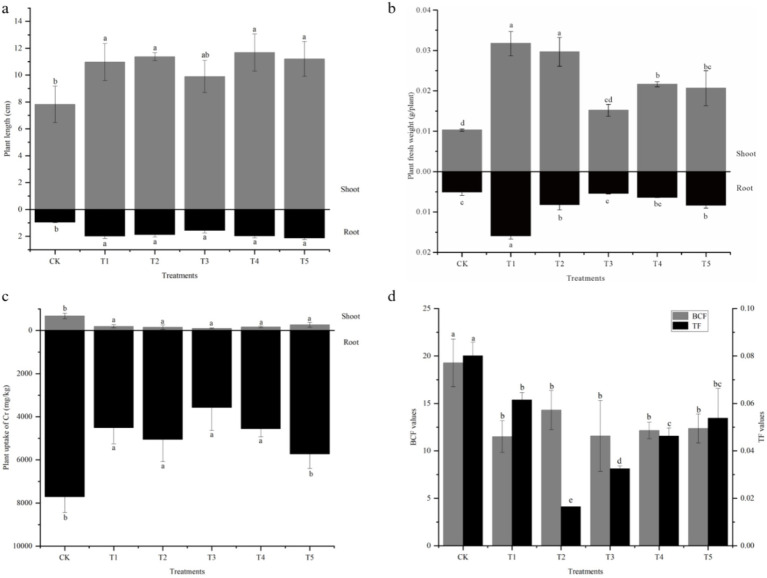 Figure 1
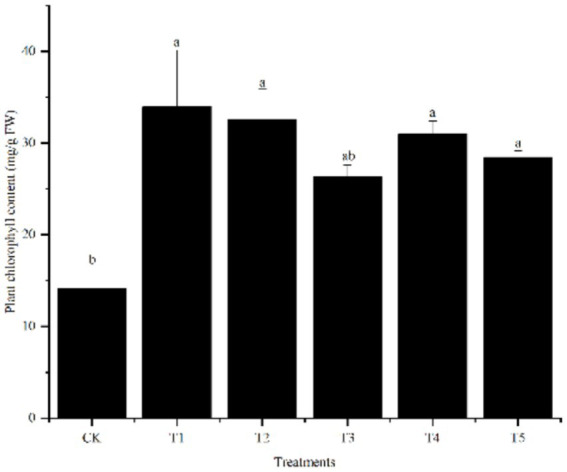 Figure 2
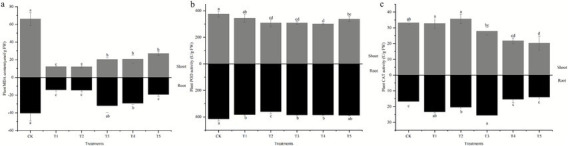 Figure 3
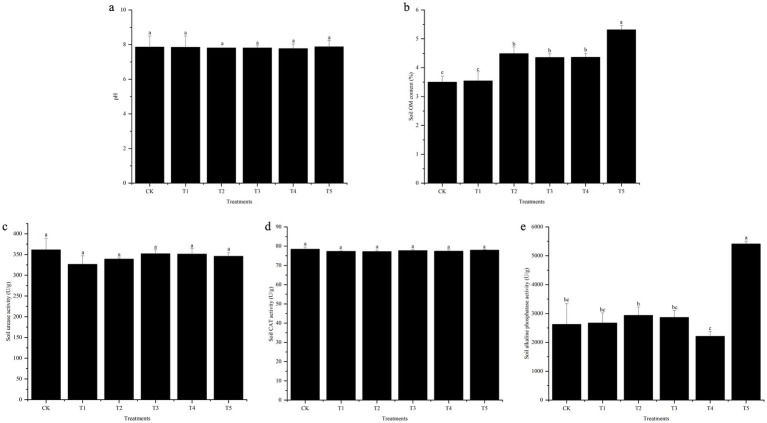 Figure 4
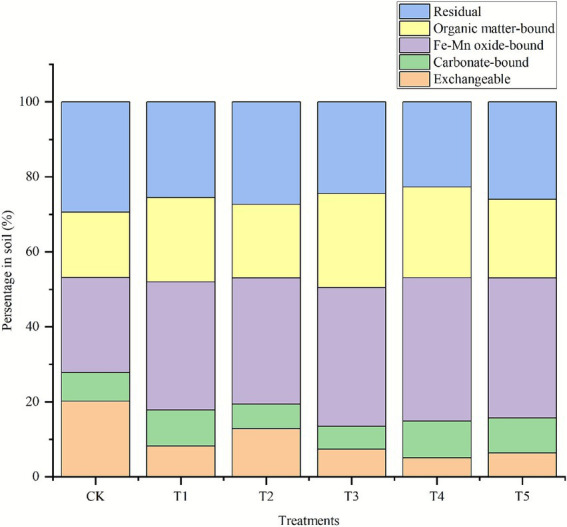 Figure 5
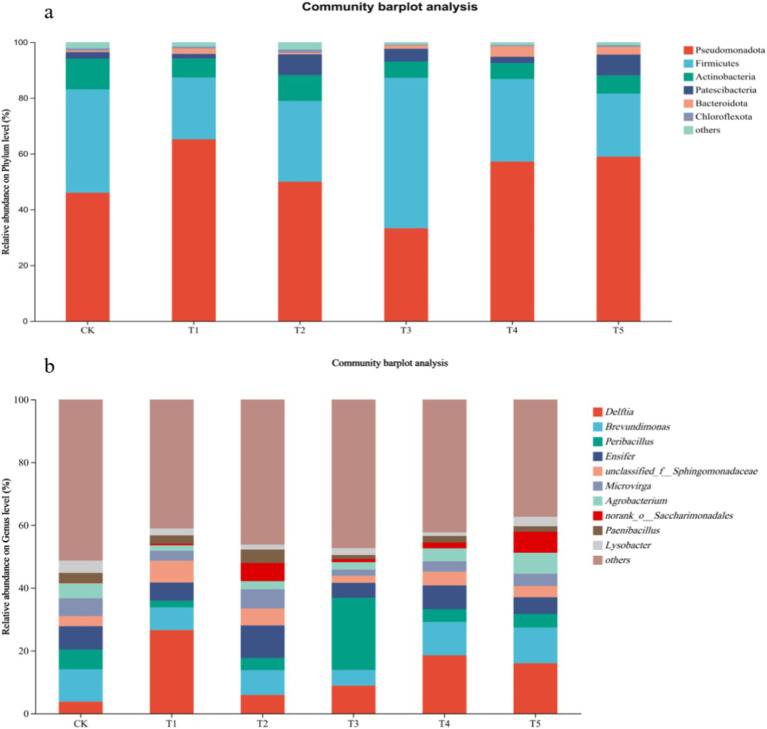 Figure 6
Peer Reviews
No public reviews on file for this paper yet. If you reviewed it on a platform where reviews are public (OpenReview, ICLR, NeurIPS, ICML), you can paste yours below so the community can read it here.
Videos
No videos yet. Explain this paper in a talk, walkthrough, or lecture? Add one.
Taxonomy
TopicsPlant-Microbe Interactions and Immunity · Chromium effects and bioremediation · Plant Stress Responses and Tolerance