Protocol for conditional gene expression in Magnaporthe oryzae via fungal nitrate reductase promoter replacement
Mostafa Rahnama, Justin King

TL;DR
This paper describes a method to control gene expression in a rice blast fungus using a nitrogen-dependent promoter, enabling easy observation of genetic effects.
Contribution
A new protocol for conditional gene expression in Magnaporthe oryzae using a nitrogen-responsive promoter replacement.
Findings
Replacing the BUF1 promoter with a nitrogen-responsive promoter allows conditional gene expression.
Nitrogen source-dependent expression leads to observable pigmentation changes in M. oryzae.
Abstract
Functional genomic studies rely on controlled gene expression, which is challenging for essential genes or those active only under specific conditions. We provide a protocol for generating Magnaporthe oryzae (synonym of Pyricularia oryzae) with conditional BUF1 gene expression. We describe steps for using targeted promoter replacement to substitute the native BUF1 promoter with the nitrogen-responsive promoter. This approach enables nitrogen source-dependent control of expression in M. oryzae, leading to observable pigmentation changes that facilitate easy phenotypic screening. •Protocol for conditional gene expression in Magnaporthe oryzae•Details replacement of native promoter with nitrogen-responsive pMoNIA1•Enables observable phenotypic changes based on nitrogen availability Protocol for conditional gene expression in Magnaporthe oryzae Details replacement of native promoter with…
Genes, proteins, chemicals, diseases, species, mutations and cell lines named across the full text — each resolved to its canonical identifier and authoritative record.
Click any figure to enlarge with its caption.
 Figure 1
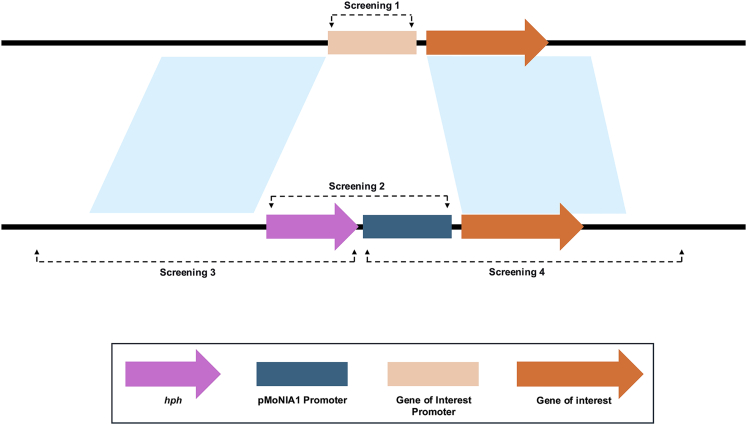 Figure 2
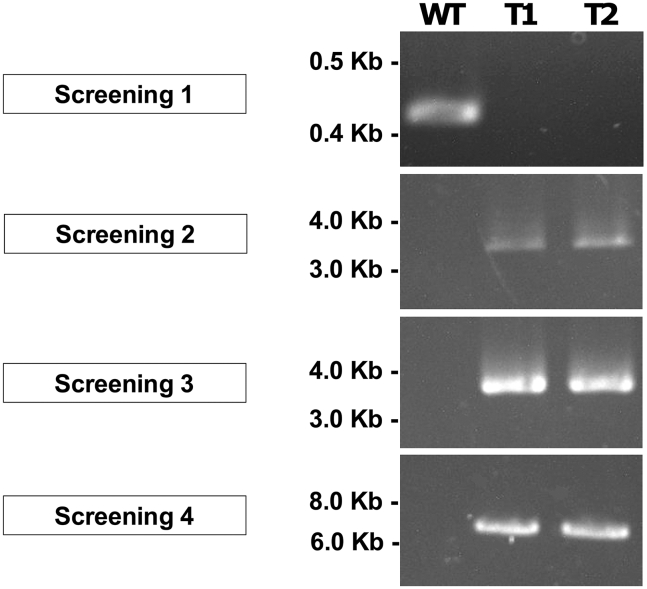 Figure 3
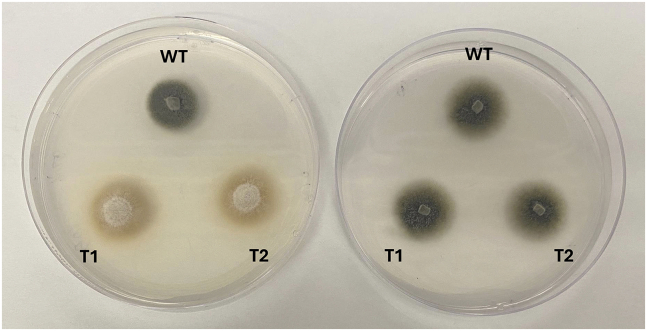 Figure 4
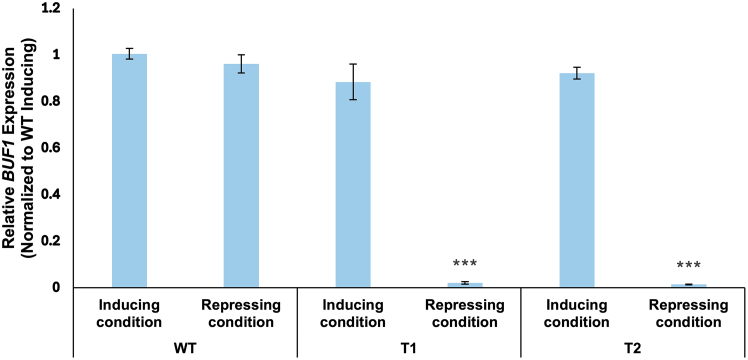 Figure 5
Peer Reviews
No public reviews on file for this paper yet. If you reviewed it on a platform where reviews are public (OpenReview, ICLR, NeurIPS, ICML), you can paste yours below so the community can read it here.
Videos
No videos yet. Explain this paper in a talk, walkthrough, or lecture? Add one.
Taxonomy
TopicsFungal and yeast genetics research · Microbial Natural Products and Biosynthesis · Fungal Biology and Applications
Before you begin
CRITICAL: To prevent contamination, all procedures involving fungal spores and cultures should be carried out in a sterile environment, such as a biosafety cabinet, using sterilized materials and equipment.
Innovation
Functional genomic studies of essential genes in haploid fungi require conditional gene expression systems, as traditional gene deletion approaches often yield non-viable mutants. While conditional promoter replacement (CPR) strategies using nitrate reductase promoters have been established in other fungi,1^,^2 comprehensive protocols for implementing these systems in Magnaporthe oryzae (synonym of Pyricularia oryzae), a critical model for plant-pathogen interactions and rice blast disease—have been lacking. In this study, we present a detailed and reproducible methodology for targeted promoter replacement in the M. oryzae strain Guy11, validating the pMoNIA1 promoter as a functional tool for nitrogen-responsive conditional gene expression in its native fungal host. Among the conditional promoters used in fungi, pMoNIA1 offers strong induction on nitrate, tight repression on preferred nitrogen sources, and low basal leakiness—features that provide reliable ON/OFF control for essential or dosage-sensitive genes. These properties made pMoNIA1 a suitable choice for developing a robust conditional expression system in M. oryzae.1^,^2 We provide a complete workflow for Agrobacterium-mediated transformation and homologous recombination-based promoter replacement,3 including optimized media formulations, transformation conditions, and comprehensive troubleshooting strategies that maximize efficiency and reproducibility across experiments. To demonstrate the system’s functionality, we strategically employ BUF1, a melanin biosynthesis gene whose down-regulation produces a distinct and easily observable color change from gray/black to buff/tan,4 providing clear visual confirmation that pMoNIA1-based CPR operates as intended in M. oryzae. This validated system enables reversible, media-controlled gene expression with tight regulation. By demonstrating successful promoter replacement, nitrogen-dependent regulation, and predictable phenotypic consequences with BUF1, we establish a robust and accessible tool for the M. oryzae research community to perform functional analysis of essential genes, genes with pleiotropic effects, or those required at specific developmental stages. Because our validation was performed only on plate-grown mycelium, we cannot yet determine whether pMoNIA1 regulation functions reliably during in planta infection or in spores, where nitrogen-repressing conditions may predominate. For the next step, separate testing will be necessary to evaluate pMoNIA1 regulation under these conditions.
Institutional permissions
All experiments involving M. oryzae must be performed in accordance with relevant institutional and national guidelines and regulations for handling plant pathogenic fungi. Researchers must acquire permissions from their relevant institutions prior to commencing experiments.
Fungal culture and maintenance
- 1.Maintain M. oryzae strain on Oatmeal Agar (OM) plates at 25°C in a growth chamber under light.
Note: Regular subculturing (every 2–3 weeks) is recommended to maintain vigorous growth and sporulation.
- 2.Prepare fresh fungal cultures for spore suspension preparation.
Key resources table
REAGENT or RESOURCESOURCEIDENTIFIERChemicals, peptides, and recombinant proteinsSucrosePhytoTechnology LaboratoriesS391Casamino AcidMP Biomedicals3060012Yeast Nitrogen Base without Amino AcidsVWR97064–162Potassium nitrate (KNO_3_)Sigma-Aldrich221295-100GPotassium chloride (KCl)Fisher ScientificP217-500Magnesium sulfate heptahydrate (MgSO_4_·7H_2_O)Fisher ScientificM63-500Potassium dihydrogen phosphate (KH_2_PO_4_)Fisher ScientificP288-100Zinc sulfate heptahydrate (ZnSO_4_·7H_2_O)Sigma-AldrichZ4750-100GBoric acid (H_3_BO_3_)Sigma-AldrichB0394-100GManganese (II) chloride tetrahydrate (MnCl_2_·7H_2_O)Sigma-AldrichM3634-100GIron (II) sulfate heptahydrate (FeSO_4_·7H_2_O)Sigma-AldrichF7002-250GCobalt (II) chloride (CoCl_2_)Sigma-Aldrich232696-5GCopper (II) sulfate pentahydrate (CuSO_4_·5H_2_O)Sigma-Aldrich939315-100GSodium molybdate dihydrate (Na_2_MoO_4_·2H_2_O)Sigma-Aldrich331058-5GDisodium EDTASigma-AldrichE4884-100GTrisodium citrate dihydrateFisher ScientificAA3643936Ammonium nitrate (NH_4_NO_3_)Sigma-Aldrich256064-25GCalcium chloride dihydrate (CaCl_2_·2H_2_O)Sigma-Aldrich223506-25GAmmonium iron (II) sulfate hexahydrate (Fe(NH_4_)2(SO_4_)2·6H_2_O)Sigma-Aldrich215406-100GManganese (II) sulfate monohydrate (MnSO_4_·H_2_O)Sigma-AldrichM7634-100GAcetosyringoneSigma-AldrichD134406-1GKanamycinSigma-AldrichK1876-1GCarbenicillin disodium saltSigma-AldrichC1389-250MGGlycerolSigma-AldrichG7893-500MLGlucoseSigma-AldrichG5500-5GMES (2-(N-morpholino) ethanesulfonic acid)Chem Impex International, IncCH6H9A56B259-25GThiamineSigma-AldrichT4625-10GL-Glutamic acid (Glutamate)Sigma-AldrichG1251-100GBiotinSigma-AldrichB4501-1GNaOHSigma-Aldrich221465-500GHygromycin BGoldBioH-270-1Ampicillin Sodium SaltFisher ScientificBP1760-5CefotaximeGoldBioC-104-5Restriction enzyme PmeINew England BiolabsR0560SLB Broth (Powder) - LennoxFisher ScientificBP1427-500Quaker Old-Fashioned OatsQuaker030000010204Agarose, Electrophoresis GradeThermo ScientificJ66501.18Agar, bacteriologicalVWRJ637-500G1.0 mm Zirconia/Silica BeadsBiospec Products11079110zPhenol: Chloroform, pH 6.7/8.0VWR0883-400MLIsopropanolIBI ScientificIB15730EthanolDecon Laboratories3916EACritical commercial assaysNEBuilder HiFi DNA Assembly Master MaxNew England BiolabsE2621SZyppy Plasmid Miniprep KitZymo ResearchD4019Q5 High-Fidelity 2x Master MixNew England BiolabsM0492STaq 2x Master MixNew England BiolabsM0270LAMPure XP Beads for DNA CleanupBeckman CoulterA63880PerfeCTa SYBR Green FastMixQuantobio95072–250SuperScript™ III First-Strand Synthesis SystemInvitrogen18080051DNA-free DNA Removal KitInvitrogenAM1906Experimental models: Organisms/strainsMagnaporthe oryzae strain Guy11Mark Farman (University of Kentucky)N/AE. coli NEB 5-alphaNew England BiolabsC2987IAgrobacterium tumefaciens AGL-1GoldBIOCC-208-5x50OligonucleotidesPlease see the oligos used in this protocol in Table S1Recombinant DNApBShyg2 plasmidMark Farman (University of Kentucky)GenBank: X52327.1pMY200 plasmidMark Farman (University of Kentucky)Addgene ID: 69946Software and algorithmsFungiDBEuPathDBRRID:SCR_006013CFX Maestro SoftwareBio-RadRRID:SCR_018057Agilent 2100 Expert SoftwareAgilent TechnologiesRRID:SCR_019715NanoDrop spectrophotometer softwareThermo Fisher ScientificRRID:SCR_016517OtherSterile Petri dishes (100 mm x 15 mm)VWR25384–088Sterile Petri dishes (60 mm x 15 mm)VWR25384–168VWR Bacti Cell SpreadersVWR60828–680Sterile forcepsFisher Scientific16-100-10715 mL conical tubesVWR21008–21650 mL conical tubesFisher Scientific14-375-1501.7 mL microcentrifuge tubesMedSupply Partners15–1151P200 Pipette tipsVWR76323–390P1000 pipette tipsVWR613–6419HemocytometerFisher Scientific02-671-51BMiraclothEMD Millipore Corp475855-1RWhatman Filter PaperThe Lab Depot28462-025-PKGrowth chamberGeneva Scientific1-36NLShaker incubatorFisher Scientific07-202-157Biosafety cabinetNUAIRENU-540Mastercycler Nexus Thermal CyclersEppendorfEP6348000029Agarose gel electrophoresis systemBIO-RAD1704466Electrophoresis Power SupplyMashall ScientificFS-FB300Agilent 2100 BioanalyzerAgilent Technologies, Inc.G2939ACFX96 Touch Real-Time PCR Detection SystemBIO-RADCFX96Qubit 4 FluorometerInvitrogenQ33238Bead mill homogenizerBioSpec Products607Centrifuge (benchtop)Fisher Scientific13-100-675
Materials and equipment
Prepare medium and stock solution
Timing: 1 week
Oatmeal agar
Dissolve 25 g/L Quaker Old Fashioned Oats in 400–500 mL deionized water. Warm in a microwave for 3–5 min, then add a stir bar. Heat and stir on a hot plate at 60°C for 1 hour. Strain the solution through a cheesecloth, and adjust the volume to 1 L before adding 15 g/L of bacteriological-grade agar. Mix well, then autoclave at 121°C for 20 min in a liquid cycle. After autoclaving, pour the sterilized solution into 100 × 15 mm petri dishes and store at 4°C for up to 2 months.Complete medium (CM)ReagentFinal concentrationAmountSucrose10 g/L10 gYeast extract6 g/L6 gCasamino acid6 g/L6 gAgar15 g/L15 gddH_2_ON/Aup to 1 LAutoclave at 121°C for 20 min in liquid cycle.Agar is not required for liquid CM.Storage: Store at 25°C for up to 6 months.Induction mediumComponentFinal concentrationAmountSucrose10 g/L10 g1000X Trace Element Solution1 mL/L1 mLKNO_3_7.14 g/L7.14 gKCl0.52 g/L0.52 gMgSO_4_·7H_2_O0.52 g/L0.52 gKH_2_PO_4_1.52 g/L1.52 gThiamine (from 1g/L stock)1 mg/L1 mLBiotin (from 50μg/mL stock)5 ng/L100 μLAmpicillin (from 100mg/mL stock)100 μg/L1 mLddH_2_ON/Aup to 1 LAdjust pH to 6.5 with NaOH. Autoclave at 121°C for 20 min in liquid cycle. After autoclaving, cool the medium to 50°C before adding filter-sterilized thiamine and biotin. Storage: Store at 25°C for up to 6 months.Repression mediumComponentFinal concentrationAmountSucrose10 g/L10 g1000X Trace Element Solution1 mL/L1 mLKNO_3_7.14 g/L7.14 gKCl0.52 g/L0.52 gMgSO_4_·7H_2_O0.52 g/L0.52 gGlutamate10.4 g/L10.4 gThiamine (from 1g/L stock)1 mg/L1 mLBiotin (from 50μg/mL stock)5 ng/L100 μLAmpicillin (from 100mg/mL stock)100 μg/L1 mLddH_2_ON/Aup to 1 LAdjust pH to 6.5 with NaOH. Autoclave at 121°C for 20 min in liquid cycle. After autoclaving, cool the medium to 50°C before adding filter-sterilized thiamine and biotin. Storage: Store at 25°C for up to 6 months.1000X Trace Elements SolutionReagentFinal concentrationAmountZnSO_4_136.25 mM22 gH_3_BO_3_177.91 mM11 gMnCl_2_·4H_2_O25.26 mM5 gFeSO_4_·7H_2_O17.98 mM5 gCoCl_2_13.09 mM1.7 gCuSO_4_·5H_2_O6.42 mM1.6 gNa_2_MoO_4_·2H_2_O6.20 mM1.5 gDisodium EDTA134.32 mM50 gddH_2_ON/Aup to 1 LStorage: Store at 25°C for up to 6 months.Precipitate may form, heat to 65°C to dissolve solid.Agrobacterium-mediated transformation (ATMT) Induction Medium (ATMT-IM) LiquidComponentFinal concentrationAmountMinimal Salts (25X stock)2X80 mL1M MES (pH 5.3)20 mM20 mL1M Glucose5 mM5 mL100% Glycerol0.25% (v/v)2.5 mLThiamine (from 1g/L stock)1 mg/L1 mLAcetosyringone (from 100 mM stock)200 μM2 mLddH_2_ON/Aup to 1 LAutoclave base medium (Minimal Salts, MES, Glucose, Glycerol, Agar, water) at 121°C for 20 min in liquid cycle. Add filter-sterilized Thiamine and Acetosyringone after cooling. Storage: Prepare fresh and use immediately; do not store.ATMT Induction Medium (ATMT-IM) SolidComponentFinal concentrationAmountMinimal Salts (25X stock)2X80 mL1M MES (pH 5.3)20 mM20 mL1M Glucose5 mM5 mL100% Glycerol0.25% (v/v)2.5 mLThiamine (from 1g/L stock)1 mg/L1 mLAcetosyringone (from 100 mM stock)200 μM2 mLAgar15 g/L15 gddH_2_ON/Aup to 1 LAutoclave base medium (Minimal Salts, MES, Glucose, Glycerol, Agar, water) at 121°C for 20 min in liquid cycle. Add filter-sterilized Thiamine and Acetosyringone after cooling. Storage: Prepare fresh and use immediately; do not store.LB liquid mediumComponentFinal concentrationAmountLB Broth20 g/L20 gAgar (optional, for solid LB only)15 g/L15 gddH_2_ON/Aup to 1 LAutoclave at 121°C for 20 min in liquid cycle. Add filter-sterilized Kanamycin (50 μg/mL) after cooling. Agar is not required for liquid LB.Storage: Store at 4°C for up to 6 months.Selection Medium (SM)ComponentFinal concentrationAmountSucrose10 g/L10 gYeast extract6 g/L6 gCasamino acids6 g/L6 gAgar15 g/L15 gThiamine (from 1g/L stock)1 mg/L1 mLHygromycin B (from 100mg/ml stock)500 μg/mL5 mLCefotaxime (from 200mg/ml stock)200 μg/mL1 mLCarbenicillin (from 250mg/ml stock)250 μg/mL1 mLddH_2_ON/Aup to 1 LAutoclave at 121°C for 20 min in liquid cycle. Add filter-sterilized Thiamine, Hygromycin B, Cefotaxime, and Carbenicillin after cooling.Storage: Prepare fresh for each experiment.Note: Based on our experience, preparing SM plates fresh yields the best results.Minimal Salts Recipe (25X Strength Stock)ComponentFinal concentrationAmountNa_3_citrate (5 H_2_O)510.1 mM150 gKH_2_PO_4_, anhydrous1.84 M250 gNH_4_NO_3_, anhydrous1.25 M100 gMgSO_4_·7H_2_O40.5 mM10 gCaCl_2_·2H_2_O34.0 mM5 gBiotin (from 50μg/mL stock)512 pM2.5 mLTrace element solutionN/A5.0 mLddH_2_ON/Aup to 1 LStorage: Add 5 mL chloroform as preservative and store the solution at 25°C for up to one year.Trace Element SolutionComponentFinal concentrationAmountCitric acid ·H_2_O237.9 mM5.0 gZnSO_4_·7H_2_O17.3 mM5.0 gFe(NH_4_)2(SO_4_)2.6H_2_O2.5 mM1.0 gCuSO_4_·5H_2_O1.0 mM0.25 gMnSO_4_·H_2_O0.3 mM0.05 gH_3_BO_3_0.8 mM0.05 gNa_2_MoO_4_·2H_2_O0.2 mM0.05 gddH_2_ON/Aup to 100 mLStorage: Store at 25°C for up to 6 months.
Step-by-step method details
Design of promoter replacement construct
Timing: 2–4 weeks
This section is required to design the DNA construct for replacing the native promoter of a target gene with a conditional promoter. To establish conditional gene expression in Magnaporthe oryzae strain Guy11, we targeted the BUF1 gene (MGG_02252), which encodes a trihydroxynaphthalene reductase involved in fungal melanin biosynthesis.4 Disruption of BUF1 results in a characteristic buff (tan/orange) mycelial color, distinct from the wild-type gray/black pigmentation. We aim to place BUF1 under the control of the M. oryzae NIA1 (pMoNIA1) promoter (from MGG_06062), which is known to express conditionally based on nitrogen availability.1 In this step, we describe the procedure to design the specific DNA construct for this promoter replacement, which relies on homologous recombination (Figure 1).
- 1.Obtain the genomic sequence of the BUF1 gene (MGG_02252) and its coding sequence (CDS) from a relevant fungal genome database (FungiDB: https://fungidb.org/fungidb/app).
- 2.Identify the native BUF1 promoter region (507 bp) located immediately upstream of the BUF1 CDS.
- a.Define this 507 bp region using FungiDB genome annotation, upstream gene orientation, and RNA-seq coverage.
- b.Verify that transcription does not extend further upstream due to the presence of the oppositely oriented adjacent gene MGG_02253. Note: Because promoter boundaries in fungi can be uncertain, an upstream fragment of ∼500–1000 bp is generally sufficient to capture the functional promoter region.
- 3.Identify the upstream homologous region (referred to as the Left Flank in primer design) and the downstream homologous region (referred to as the Right Flank) for homologous recombination.
- a.Define the Left Flank as a 1,407 bp region located immediately upstream of the 507 bp native BUF1 promoter.
- b.Define the Right Flank as a 2,728 bp region located immediately downstream of the 507 bp native BUF1 promoter. Note: These flanking regions serve as homology arms for recombination (Figure 1).Note: The specific flank lengths are not mandatory; they were chosen for the BUF1 locus based on practical primer design and reliable PCR amplification. In M. oryzae, homology arms of ∼1 kb or longer are typically sufficient for efficient homologous recombination, and regions larger than ∼3 kb are generally avoided.
- 4.Identify the M. oryzae NIA1 promoter (pMoNIA1) sequence (1,839 bp) by obtaining the upstream untranslated region (UTR) of the nitrate reductase gene (MGG_06062) from FungiDB. Note: The 1,839 bp length reflects the full upstream regulatory interval of MGG_06062, defined after identifying the transcription start site using RNA-seq evidence. This region includes the complete 5′ UTR and adjacent upstream sequence to ensure that native regulatory elements of the NIA1 promoter are retained.1
- 5.Amplify the hygromycin resistance gene (hph, 1440 bp) as the selectable marker from the pBShyg2 plasmid. Note: In the final promoter replacement construct, the hph cassette is positioned adjacent to the pMoNIA1 promoter, and the pMoNIA1 promoter is placed immediately upstream of the BUF1 CDS to drive conditional BUF1 expression.Note: pBShyg2 is derived from pBluescript II KS(+) (GenBank: X52327.1), a high-copy ColE1/f1-origin phagemid cloning vector repurposed here to carry a hygromycin B resistance cassette for fungal transformation.
- 6.Design primers proBUF1_LF_F and proBUF1_LF_R2 to amplify the 1,407 bp Left Flank region. CRITICAL: These primers should include overhangs homologous to the pMY200 vector backbone (after PmeI digestion) and the hph gene for Gibson assembly.Note: pMY200 is an Agrobacterium-based binary vector carrying standard T-DNA left (LB) and right (RB) border sequences for DNA transfer during transformation, as well as bacterial replication origins and a kanamycin resistance marker for propagation in E. coli.
- 7.Design primers Hyg_CE_F2 and Hyg_CE_R2 to amplify the 1,440 bp hph gene. CRITICAL: These primers should include overhangs homologous to the Left Flank and the pMoNIA1 promoter for Gibson assembly.
- 8.Design primers pMONIA1_F2 and pMONIA1_R2 to amplify the 1,839 bp pMoNIA1 promoter sequence. CRITICAL: These primers should include overhangs homologous to the hph gene and the BUF1 CDS for Gibson assembly, ensuring the pMoNIA1 promoter is correctly positioned to drive BUF1 expression.
- 9.Design primers proBUF1_RF_F2 and proBUF1_RF_R2 to amplify the 2,728 bp Right Flank region. CRITICAL: These primers should include overhangs homologous to the BUF1 CDS and the pMY200 vector backbone for Gibson assembly.Note: Ensure all primers are designed with appropriate melting temperatures (Tm) and minimal secondary structures for efficient PCR amplification and Gibson assembly.Figure 1. Schematic representation of the Conditional Promoter Replacement (CPR) strategy in M. oryzaeThis schematic illustrates the targeted gene replacement method for establishing conditional gene expression. The top line represents the wild-type (WT) genomic locus, where the Gene of Interest Promoter (light orange box) precedes the Gene of Interest (orange arrow). The bottom line shows the resulting locus after a successful Homologous Recombination (HR) event. The native promoter is precisely replaced by the CPR cassette, which consists of the pMoNIA1 Promoter (dark blue box) and the Hph (hygromycin resistance) selectable marker (pink arrow). The light blue shaded areas denote the Left and Right Flanks of homology that guide the precise replacement event. Dashed lines indicate the PCR amplicon regions used for molecular verification, with arrows marking the primer binding sites. Screening 1 confirms the absence of the native promoter in transformants; Screening 2 confirms the presence of the pMoNIA1 promoter; and Screening 3 and Screening 4 are positioned outside the construct boundaries to confirm the precise integration of the entire hph-pMoNIA1 cassette at the intended locus.
Construct assembly via Gibson assembly and plasmid preparation
Timing: 2–3 days
This section is required to amplify individual DNA fragments and assemble them into the pMY200 binary plasmid vector using Gibson assembly, resulting in a complete promoter replacement plasmid suitable for Agrobacterium-mediated transformation.
- 10.Amplify the DNA fragments required for promoter replacement, including the 1,407 bp Left Flank (LF), the 1,440 bp hph gene, the 1,839 bp pMoNIA1 promoter, and the 2,728 bp Right Flank (RF), using Q5 High-Fidelity DNA Polymerase.
- a.Prepare a 50 μL PCR reaction for each fragment using the following components:ReagentAmountQ5 High-Fidelity 2x Master Mix25 μLDNA template (∼10 ng/μL)5 μLforward primer (10 μM)2.5 μLreverse primer (10 μM)2.5 μLMolecular water15 μLTotal50 μL
- b.Perform PCR amplification using the cycling conditions below.StepsTemperatureTimeCyclesInitial Denaturation98°C30 s1Denaturation98°C10 s32AnnealingVariable30 sExtension72°CVariableFinal extension72°C2 min1Hold4°CNote: Annealing temperature and extension time vary for each PCR fragment: (LF) 72°C, 1:30 min, (hph) 72°C, 1:30 min, (pMoNIA1) 72°C, 1:30 min, (RF) 72°C, 2 min.
- c.Run a small aliquot of each PCR product on an agarose gel to verify the correct size and amplification efficiency.
- d.Purify PCR products using AMPure XP beads (Beckman Coulter) and quantify DNA concentration using a NanoDrop spectrophotometer (Thermo Fisher Scientific).
- 11.Linearize the pMY200 plasmid with the blunt-end restriction enzyme PmeI. CRITICAL: PmeI must cut between the T-DNA Left Border (LB) and Right Border (RB) sequences to generate a linearized backbone that preserves the complete replacement cassette within the T-DNA region for Agrobacterium-mediated transfer.Note: Verify complete digestion by agarose gel electrophoresis and purify the linearized vector using AMPure XP beads.
- 12.Assemble the promoter replacement construct using Gibson Assembly and verify plasmid integrity.
- a.Combine equimolar amounts of purified LF, hph, pMoNIA1 promoter, RF, and linearized pMY200 vector with NEBuilder HiFi DNA Assembly Master Mix (New England Biolabs), following the manufacturer’s protocol.
- i.Assemble the fragments in the order pMY200 backbone - LF - hph - pMoNIA1 - RF - pMY200 backbone.
- ii.Incubate the reaction at 50°C for 30 minutes.
- b.Transform the assembly reaction into chemically competent E. coli DH5α cells.
- i.Plate transformed cells on LB plates containing kanamycin.
- ii.Incubate for 12–16 hours at 37°C.
- c.Pick 20 colonies and culture them for 12–16 hours in LB liquid medium supplemented with kanamycin.
- d.Isolate plasmid DNA using the Zyppy Plasmid Miniprep Kit (Zymo Research) from these cultures, following the manufacturer’s protocol.
- e.Verify correct plasmid assembly by restriction enzyme digestion and full plasmid sequencing using Plasmidsaurus (Oxford Nanopore Technology). Note: The verified construct is designated pMY200-ProRC.
Agrobacterium tumefaciens-mediated transformation of M. oryzae
Timing: 3–4 weeks
This section describes the introduction of the promoter replacement construct (pMY200-ProRC) into M. oryzae using the Agrobacterium tumefaciens-mediated transformation (ATMT),5 enabling stable genomic integration via T-DNA transfer.
- 13.Prepare A. tumefaciens strain AGL-1 carrying pMY200-ProRC.
- a.Mix 1 μL of 20 ng/μL pMY200-ProRC plasmid DNA with 50 μL of electrocompetent A. tumefaciens AGL-1 cells in a 1.7 mL microcentrifuge tube on ice by flicking the tube.
- b.Transfer the mixture into a pre-chilled 0.1 cm electroporation cuvette and apply a single pulse of electroporation (2.5 kV, 25 μF, 200 Ω) with a typical time constant of 4–5 ms.
- c.Immediately add 1 mL of warm LB medium to the cuvette, transfer the suspension to a 15 mL conical tube and incubate with shaking at 28°C for 4 hours to allow recovery.
- d.Plate 100 μL aliquots of the recovered culture on LB agar containing 100 μg/mL kanamycin and incubate at 25°C for 2 days.
- e.Pick a single transformant colony and grow for 12–16 hours in LB medium containing 100 μg/mL kanamycin at 28°C with shaking.
- f.Prepare a glycerol stock from the culture (1:1 culture:50% glycerol) and store at −80°C.
- g.For subsequent co-cultivation experiments, streak a loopful from the frozen glycerol stock onto LB medium containing 100 μg/mL kanamycin and incubate at 28°C until actively growing colonies appear (∼2 days).
- 14.Prepare M. oryzae spore suspension.
- a.Activate M. oryzae strain Guy11 by transferring a stored filter paper from −20°C to a CM plate and incubating at 25°C under continuous light for 6 days.
- b.Transfer a 1 cm square from this plate to an Oatmeal Agar (OM) plate and grow under continuous light at 25°C for 30 days to allow sporulation.
- c.Harvest spores by flooding the plate with 5–10 mL of sterile water and gently scraping the surface with a sterile bacterial spreader. Filter the resulting spore suspension through 0.2 μm Miracloth into a 15 mL sterile conical tube.
- d.Concentrate the spores by centrifugation at 2,700 × g for 5 minutes, remove excess water, count spores using a hemocytometer, and dilute to 5.0×10^5^ spores/mL using sterile water.
- 15.Perform co-cultivation.
- a.Prepare two co-cultivation agar plates (ATMT-IM solid medium, containing 5 mM glucose and 200 μM AS) and cover each with autoclaved black filter paper squares (1cm X 1cm).
- b.Label the plates with date, Agrobacterium strain, fungal strain, and plate number.
- c.Vortex the spore suspension for 5 seconds and dispense 100 μL onto each plate in small droplets.
- d.Using a P1000 pipette tip, transfer a visible mass of A. tumefaciens from a freshly grown plate and distribute it evenly across the plate surface from the previous step.
- e.Using the flat side of a sterile bacterial spreader, gently but firmly massage the plate to mix the spores and bacteria until the Agrobacterium is no longer visibly distinct.
- f.Incubate plates right side up at 25°C under continuous light for 48 hours.
- 16.Eliminate Agrobacterium and select fungal transformants.
- a.After 48 hours of co-cultivation, use sterile forceps to transfer 8–10 filter paper squares from each plate onto CM agar selection plates, spacing the papers at least 0.5 cm apart to allow independent colony outgrowth.CRITICAL: Do not reposition filter paper after placement, as this may cause overgrowth or cross-contamination.CRITICAL: Ensure that the selection medium contains 300 μg/mL hygromycin, 200 μg/mL cefotaxime, and 250 μg/mL carbenicillin.
- b.Incubate plates at 25°C under continuous light for 3–8 days until hygromycin-resistant fungal colonies grow out from the filter papers.
- 17.Isolate and stabilize hygromycin-resistant transformants.
- a.Using a sterile scalpel or toothpick, excise individual hygromycin-resistant mycelial sectors that have grown out from the filter paper onto the selection plate.
- b.Transfer each isolate to a fresh CM agar plate supplemented with 300 μg/mL hygromycin.
- c.Incubate plates at 25°C under continuous light until robust mycelial growth is observed. Note: Beside Agrobacterium-mediated transformation, PEG-based protoplast transformation is also widely used in M. oryzae.5 However, we chose the Agrobacterium method because it allows direct transformation of conidia and avoids the labor-intensive and variable protoplast preparation step. In our experience, ATMT was easier to perform and provided more consistent results for routine promoter-replacement experiments.
Screening of transformants
Timing: 3–5 days
This section describes the molecular verification of correct promoter replacement at the BUF1 locus by PCR-based screening of hygromycin-resistant transformants. Successful transformants are identified by loss of the native BUF1 promoter and correct integration of the hph–pMoNIA1 cassette at both junctions.
- 18.Perform fungal DNA extraction.
- a.Grow hygromycin-resistant transformants in liquid CM medium for 3–5 days at 25°C with shaking.
- b.Harvest mycelia by filtration and extract genomic DNA using a rapid fungal DNA extraction method.6
- c.Quantify genomic DNA concentration using a NanoDrop spectrophotometer.
- 19.Perform PCR verification of promoter replacement.
- a.Design PCR primers to specifically amplify the following regions (Figure 1):
- i.A region within the native BUF1 promoter to confirm its absence in successful transformants. Use primer pair Screening1-F and Screening1-R, which yields a 435 bp product in the wild type but no product in correctly replaced transformants.
- ii.A region spanning the whole hph-pMoNIA1 cassette. Use primer pair Screening2-F and Screening2-R, yielding an expected size of 3,243 bp.
- iii.The left junction of the hph-pMoNIA1 cassette, spanning the upstream genomic region outside the construct. Use primer pair Screening3-F and Screening3-R, yielding an expected size of 3,342 bp.Note: This primer pair confirms correct integration at the left junction.
- iv.The right junction of the replacement cassette, spanning the downstream genomic region outside the construct. Use primer pair Screening4-F and Screening4-R, yielding an expected product size of 6,516 bp.Note: This primer pair confirms correct integration at the right junction.
- b.Perform PCR reactions using extracted genomic DNA as template with the following 10 μL reaction setup:ReagentAmountTaq 2x Master Mix5 μLDNA template (∼10 ng/μL)1 μLforward primer (10 μM)0.2 μLreverse primer (10 μM)0.2 μLMolecular water3.6 μLTotal10 μLUse the following cycling conditions.StepsTemperatureTimeCyclesInitial Denaturation95°C30 s1Denaturation95°C30 s30AnnealingVariable60 sExtension68°CVariableFinal extension68°C5 min1Hold4°CNote: Annealing temperature and extension time vary for each PCR reaction: (i) 59°C, 30 s, (ii) 63°C, 3:30 min, (iii) 60°C, 3:30 min, (iv) 60°C, 6:30 min.
- c.Analyze PCR products by agarose gel electrophoresis and identify correctly replaced transformants based on the absence of the native BUF1 promoter band and the presence of all expected cassette and junction fragments (Figure 2).Figure 2. Molecular validation of pMoNIA1::BUF1 promoter replacement by PCR genotypingAgarose gel showing diagnostic PCR assays on wild-type (WT) M. oryzae and two independent transformant lines (T1 and T2). The four PCR assays demonstrate the success of the homologous recombination event. Screening 1 (Native Promoter): Shows a band only in WT (435 bp), confirming the promoter’s loss in transformants. Screening 2 (Cassette Presence): Verifies the entire hph-pMoNIA1 cassette is present in T1 and T2 (3,243 bp). Screening 3 (5′ Junction): Confirms integration at the 5′ locus border (3,342 bp). Screening 4 (3′ Junction): Confirms integration at the 3′ locus border (6,516 bp). The results confirm the absence of the native promoter band in transformants and the precise integration of the cassette at both the 5′ and 3′ junctions. The uncut, original gel image is shown in Figure S1.
Phenotypic analysis of conditional BUF1 expression
Timing: 5–7 days
This section assesses whether replacement of the native BUF1 promoter with the nitrogen-responsive pMoNIA1 promoter results in conditional regulation of melanin biosynthesis. Visual colony pigmentation provides an initial functional validation of promoter activity under inducing and repressing nitrogen conditions.
- 20.Grow transformants under inducing and repressing conditions.
- a.Transfer a small mycelial plug from each confirmed transformant (T1 and T2; Step 19) onto two different solid minimal media plates:
- i.Inducing medium: Minimal Medium supplemented with 7.14 g/L KNO_3_ (Inducing Condition).
- ii.Repressing medium: Minimal Medium supplemented with 10.4 g/L glutamate (Repressing Condition).Note: Incubate wild-type M. oryzae on both inducing and repressing media as a control.
- b.Incubate all plates at 25°C under continuous light for 5–7 days.
- 21.Document colony pigmentation.
Observe and record colony color differences between inducing and repressing conditions, and document representative phenotypes (Figure 3).Figure 3. Nitrogen-dependent phenotypic switching in pMoNIA1**::BUF1 transformantsPhenotypic differences of wild-type (WT) and pMoNIA1**::BUF1 transformants (T1 and T2) grown under nitrogen-inducing and repressing conditions. Colonies were cultured on inducing medium (KNO_3_; right) or repressing medium (glutamate; left) for seven days. Transformants exhibit nitrogen source–dependent pigmentation and growth patterns, indicating transcriptional control of BUF1 under the nitrate-inducible promoter pMoNIA1.
Quantification of conditional BUF1 expression via RT-qPCR
Timing: 2–5 days
This section quantitatively validates nitrogen-dependent regulation of BUF1 expression by measuring transcript levels in transformants grown under inducing and repressing conditions. Expression values are normalized using two validated internal reference genes to ensure accurate comparison across treatments.
- 22.Grow fungal cultures and harvest mycelium.
- a.Grow three independent biological replicates of purified pMoNIA1::BUF1 transformants and wild-type Guy11 as a control in liquid inducing medium (7.14 g/L KNO_3_) and repressing medium (10.4 g/L glutamate) for 5 days at 25°C with shaking at 180 rpm.
- b.Harvest mycelium from each replicate by filtration through Miracloth, wash with sterile water, blot dry with paper towels, snap-freeze approximately 100 mg of the fungal biomass in liquid nitrogen, and store at −80°C prior to RNA extraction. CRITICAL: Rapid freezing in liquid nitrogen is essential to prevent RNA degradation, so samples should be processed one at a time to minimize the time between harvest and freezing.
- 23.Extract total RNA and synthesize cDNA.
- a.Extract total RNA from the frozen fungal mycelium using the TRIzol® Reagent according to the manufacturer’s protocol.Note: Grind frozen mycelium to a fine powder in a pre-chilled mortar and pestle with liquid nitrogen before adding TRIzol to maximize RNA yield and quality.
- b.Eliminate potential genomic DNA contamination from the total RNA sample using a DNA-free kit according to the manufacturer’s instructions.
- c.Quantify RNA concentration using a Qubit 4 fluorometer (Invitrogen) and normalize RNA samples to a uniform concentration (500–1000 ng/μL).Note: Fluorometric quantification (e.g., Qubit) is preferred over spectrophotometry (e.g., NanoDrop) because it is more specific for nucleic acids and avoids overestimation from contaminants.
- d.Assess RNA integrity using an Agilent 2100 Bioanalyzer.CRITICAL: Ensure that the RNA Integrity Number (RIN) for pure fungal RNA samples (vegetatively grown tissues) is ≥7.5 to ensure minimal degradation.
- e.Synthesize cDNA from 1.0 μg total RNA using SuperScript™ III First-Strand Synthesis System (Invitrogen).Note: Prepare a minus-Reverse Transcriptase (−RT) control for each sample using the same amount of RNA but omitting reverse transcriptase to check for genomic DNA contamination.
- 24.Perform quantitative real-time PCR (qRT-PCR).
- a.Use primer pairs specific for the target gene (BUF1) and the two validated internal reference genes MGG_Ef1α (MGG_03641) and MGG_40S (MGG_02872)7 (Table S1).CRITICAL: Design qRT-PCR primers to span exon–exon junctions when possible, with amplicon sizes of 80–200 bp to avoid genomic DNA amplification and ensure optimal efficiency.
- b.Validate primer pairs efficiency using pooled cDNA standard curves (serial dilutions of 1:1, 1:5, 1:25, 1:125, 1:625) and confirm specificity by melt curve analysis.7Note: Acceptable amplification efficiencies range from 95% to 105% (E = 1.95–2.05; slope −3.1 and −3.6).
- c.Prepare the Real-Time PCR reactions using PerfeCTa SYBR Green FastMix (Quantabio) for SYBR-Assay.Note: Utilize three technical replicates per biological replicate reaction to account for pipetting variability.
- d.Introduce diluted cDNA template (2.0 μl of 10x dilution) into the final reaction volume (20 μl).Note: Optimal cDNA dilution should be determined empirically to achieve Ct values in the range of 20-30 cycles.Note: Include no-template controls (NTC) and −RT controls on each plate.
- e.Run the reactions on a CFX96 Real-Time System (Bio-Rad) with the following thermal profile: 50°C for 2 min; 95°C for 2 min; followed by 40 cycles of 95°C for 15 seconds and 60°C for 1 min.
- f.Perform a dissociation (melt) curve analysis at the end of the run from 65°C to 95°C with 0.5°C increments to confirm amplification specificity.CRITICAL: A single sharp peak in the melt curve indicates specific amplification; multiple or broad peaks indicate primer-dimer formation or non-specific products and require primer redesign or reaction optimization.
- 25.Analyze relative BUF1 gene expression.This step determines the transcriptional response of BUF1 to nitrogen-dependent regulation.
- a.Calculate the relative BUF1 expression levels using the 2 ^−ΔΔC(t)^ method.8Note: ΔCt = Ct (BUF1) – Ct (geometric mean of reference genes); ΔΔCt = ΔCt (treatment) – ΔCt (calibrator). Wild-type grown under inducing conditions is used as the calibrator.
- b.Normalize the BUF1 expression values against the geometric mean of the two stable internal reference genes, MGG_Ef1α and MGG_40S.9CRITICAL: At least two reference genes are required for reliable normalization in M. oryzae; using both MGG_Ef1α and MGG_40S improves expression stability compared to a single reference gene.
- c.Determine the fold-change in BUF1 expression in pMoNIA1::BUF1 transformants under repressing (glutamate) versus inducing (nitrate) conditions relative to wild-type controls.
- d.Calculate means and standard errors (SEM) from gene expression values obtained from the three independent biological replicates.
- e.Perform statistical analysis using Student’s t-test to compare expression levels across conditions, with P < 0.05 considered statistically significant, and present the results as bar graphs with SEM error bars.
Expected outcomes
Successful transformation and promoter replacement are expected to yield M. oryzae strain Guy11 transformants where BUF1 gene expression is tightly regulated by the nitrogen source. Transformation efficiency typically ranges from 10 to 20 transformants per co-cultivation plate. Upon initial selection on hygromycin-containing medium, resistant colonies will emerge from filter paper squares within 3–8 days of incubation at 25°C under continuous light. Approximately 10%–15% of hygromycin-resistant transformants isolated from selection plates are expected to show correct integration of the hph-pMoNIA1 cassette at the native BUF1 locus when screened by PCR genotyping. (Note: This percentage reflects the HR efficiency observed in M. oryzae, where random ectopic integration is highly prevalent.) The remaining transformants may represent ectopic integrations or incomplete recombination events and should be excluded from further analysis.
Molecular validation
Genotyping by PCR should confirm precise promoter replacement and the absence of the native BUF1 promoter (Figure 2). Using the four primer pairs described in the screening section, successful transformants will display the following characteristic PCR amplification patterns: (1) absence of the 435 bp band specific to the native BUF1 promoter (Screening1), which should amplify only in wild-type controls, confirming complete replacement of the native promoter in transformants; (2) presence of a 3,243 bp band (Screening2) spanning the entire hph-pMoNIA1 cassette, confirming successful integration of both the hygromycin resistance marker and the conditional promoter; (3) amplification of a 3,342 bp band (Screening3) using primers positioned outside the left boundary of the construct, verifying correct integration at the 5′ junction; and (4) amplification of a 6,516 bp band (Screening4) using primers positioned outside the right boundary of the construct, confirming proper integration at the 3′ junction (Figure 2). The Screening3 and Screening4 primer pairs are particularly critical as they extend beyond the construct boundaries, providing definitive evidence that the hph-pMoNIA1 cassette integrated precisely at the intended BUF1 locus rather than at ectopic sites. Wild-type controls should only amplify the native promoter fragment (435 bp from Screening1) and will fail to produce bands with Screening2, 3, and 4 primer pairs, while transformants with correct integration will show all three construct-specific bands (3,243 bp, 3,342 bp, and 6,516 bp) and lack the native promoter band.
Phenotypic validation
Transformants with verified promoter replacement should exhibit clear, nitrogen source-dependent phenotypic changes (Figure 3). Under inducing conditions (minimal medium10 containing 7.14 g/L KNO_3_ as the sole nitrogen source), pMoNIA1::BUF1 transformants should display wild-type dark gray to black pigmentation, indistinguishable from the parental strain Guy11, indicating active BUF1 expression and functional melanin biosynthesis (Figure 3, left panels). This pigmentation should be evident within 5–7 days of growth on the inducing medium at 25°C. Conversely, under repressing conditions (minimal medium containing 10.4 g/L glutamate), transformants should display the characteristic buff, tan, or orange coloration typical of buf1 deletion mutants, confirming effective transcriptional repression of BUF1 (Figure 3, right panels). The color transition is typically observable within 5–7 days after transfer to repressing medium. The phenotype should be fully reversible: transferring colonies from repressing back to inducing medium should restore dark pigmentation within 3–5 days, demonstrating the conditional and reversible nature of the system. As shown in Figure 3, wild-type strain Guy11 maintains dark pigmentation under both inducing and repressing conditions, while pMoNIA1::BUF1 transformants exhibit nitrogen-dependent color switching.
Transcriptional validation by RT-qPCR
Quantitative RT-PCR analysis should confirm that the observed phenotypic changes correlate with transcriptional regulation of BUF1 (Figure 4; Table S2). In pMoNIA1::BUF1 transformants grown under inducing conditions (7.14 g/L KNO_3_), BUF1 mRNA levels are expected to range from 87.9% (T1) to 91.7% (T2) of wild-type levels (P > 0.05), confirming that the pMoNIA1 promoter effectively restores functional BUF1 expression to near wild-type levels. Under repressing conditions (10.4 g/L glutamate), BUF1 transcript levels in transformants should be reduced to approximately 1.4–2.0% of wild-type induced levels, demonstrating approximately 50-fold repression (44-65-fold range, P < 0.001). This level of repression, which substantially exceeds the 18-fold down-regulation observed for the pMoNIA1 promoter driving an EGFP reporter in Z. tritici,1 confirms the tight control achieved in the native M. oryzae host. Wild-type strain should maintain relatively stable BUF1 expression across both nitrogen sources, as the native BUF1 promoter is not nitrogen-responsive. The degree of repression may vary slightly among independent transformant lines due to positional effects, but all lines with correct integration should show substantial downregulation under repressing conditions. This molecular validation confirms that pMoNIA1 functions as a strong, nitrogen-responsive conditional promoter in M. oryzae and that phenotypic changes directly reflect transcriptional regulation rather than post-transcriptional or metabolic effects.Figure 4. Transcriptional validation of conditional BUF1 expression by qRT-PCRRelative BUF1 mRNA levels in wild-type M. oryzae and conditional transformants (T1 and T2) under nitrogen-dependent regulation. BUF1 mRNA levels were quantified in wild-type M. oryzae strain Guy11 and two independent pMoNIA1::BUF1 transformants (T1 and T2). Expression was measured across Inducing conditions and Repressing conditions. Expression values were normalized to the geometric mean of MGG_Ef1α and MGG_40S and presented relative to the wild-type strain under inducing conditions (set to 1.0). Data represent means ±SEM (n=3 independent biological replicates with three technical replicates each). Statistical significance was determined by paired Student’s t test comparing the inducing vs. repressing conditions within each transformant. Significance is indicated by asterisks above the bars: ∗∗∗ P < 0.001. No marker is placed on the graph when the difference is not significant (P > 0.05).
Limitations
This protocol was specifically developed and optimized for M. oryzae strain Guy11 and may require optimization for other M. oryzae isolates or related fungal species. Transformation efficiency is highly dependent on the quality of starting materials (Agrobacterium cultures and M. oryzae spores) and precise execution of co-cultivation conditions, which can introduce variability between experiments. While the pMoNIA1 promoter provides tight regulation for BUF1, with clear phenotypic switching between inducing and repressing conditions, the degree of repression may vary when applied to other genes of interest, particularly those with different native expression levels or regulatory requirements.
The protocol requires careful preparation and quality control of all media, as trace contamination of the nitrogen source can compromise pMoNIA1 regulation. Off-target integrations can occur despite homologous recombination, necessitating rigorous molecular screening of multiple independent transformants. The BUF1-based visual screening described here provides proof-of-concept validation, but application to other genes will require appropriate molecular or biochemical assays to confirm conditional expression, as most genes will not produce easily observable color changes. Researchers should also consider potential compensatory mechanisms or pleiotropic effects when essential genes are conditionally repressed, which may complicate phenotypic interpretation.
Troubleshooting
Problem 1
No or Very Few Transformants After Selection (Step 16).
Potential solution
- •Verify the viability of both Agrobacterium and M. oryzae spores before starting co-cultivation. Old or stressed cultures significantly reduce transformation efficiency.
- •Confirm that the pMY200-ProRC plasmid was successfully integrated into Agrobacterium strain AGL-1 by PCR or restriction digest before use.
- •Check the hygromycin concentration in selection medium. Too high concentration (>500 μg/mL) may prevent even resistant transformants from growing. Prepare fresh selection medium with freshly added antibiotics.
- •Ensure proper co-cultivation conditions: verify that ATMT-IM medium contains 200 μM acetosyringone and that co-cultivation occurs at 25°C for exactly 48 hours.
- •Verify that bacterial growth is not overwhelming fungal growth during co-cultivation. If excessive bacterial growth is observed, reduce the amount of Agrobacterium used for co-cultivation.
- •Increase the number of co-cultivation plates (3–4 plates instead of 2) to improve overall transformant yield.
Problem 2
Bacterial Contamination Persists After Antibiotic Treatment (Step 16).
Potential solution
- •Increase cefotaxime concentration to 250–300 μg/mL and carbenicillin to 300 μg/mL in selection medium if bacterial contamination persists.
- •Transfer filter paper squares with emerging fungal colonies to fresh selection plates with antibiotics every 3–4 days to continuously suppress bacterial growth.
- •Once hygromycin-resistant colonies are visible growing off the filter paper, immediately transfer them to fresh CM plates with hygromycin and antibiotics to purify away from residual bacteria.
- •Ensure antibiotics are freshly prepared and filter sterilized. Old or improperly stored antibiotic solutions lose effectiveness.
- •If contamination persists, subculture transformants by transferring small hyphal tips (not entire colonies) to fresh medium.
Problem 3
No Pigmentation in Transformants Under Inducing Conditions (related to expected outcomes).
Potential solution
- •Verify that inducing medium contains 7.14 g/L KNO_3_ as the sole nitrogen source. Insufficient nitrate will fail to induce pMoNIA1.
- •Confirm by PCR that the BUF1 coding sequence remains intact and in-frame with the pMoNIA1 promoter. Frameshift mutations or deletions during construct assembly would prevent functional BUF1 expression.
- •Check the viability and growth rate of transformants. Slow-growing or unhealthy cultures may not produce visible pigmentation within the expected timeframe.
- •Extend the incubation period to 10–14 days on inducing medium, as some transformants may exhibit delayed pigmentation.
- •Verify that the pMoNIA1 promoter is functional by testing induction with varying nitrate concentrations (5–10 g/L KNO_3_).
Problem 4
Inconsistent or Variable Phenotypes Across Transformants (related to expected outcomes and Step 21).
Potential solution
- •Screen a larger pool of initial transformants (10–15) to identify those with consistent nitrogen-dependent phenotypic switching.
- •Perform replicate phenotypic assays on the same transformant line across multiple experiments to distinguish true variability from experimental noise.
- •Verify molecular integration by PCR (Figure 2) for all transformants before extensive phenotypic characterization. Only use transformants with confirmed correct integration patterns.
CRITICAL: For the most rigorous analysis, select 3–5 independent transformants with confirmed correct integration and robust phenotypic switching for use in subsequent experiments. Biological replicates derived from independent transformation events help account for potential positional effects or line-to-line variation.
- •Consider that some variability may stem from differences in culture conditions (medium age, temperature fluctuations, light exposure). Standardize all growth parameters when comparing transformants.
- •Transformants with intermediate phenotypes may still be useful for certain applications but should be characterized thoroughly and their limitations noted in experimental reports.
Problem 5
Filter Papers with No Fungal Growth After Co-cultivation (Step 16).
Potential solution
- •Verify that M. oryzae spores were viable and at the correct concentration (5.0 × 10^5^ spores/mL). Dead or over-diluted spores will not germinate.
- •Ensure co-cultivation medium (ATMT-IM solid) was prepared correctly with 200 μM acetosyringone and appropriate carbon sources to support both Agrobacterium and fungal growth.
- •Check that co-cultivation temperature (25°C) and light conditions (continuous light) were maintained throughout the 48-hour period.
- •Avoid over-mixing or crushing spores when spreading them with the bacterial spreader, as mechanical damage can reduce viability.
Resource availability
Lead contact
Further information and requests for resources and reagents should be directed to and will be fulfilled by the lead contact, Dr. Mostafa Rahnama ([email protected]).
Technical contact
This protocol does not have a separate technical contact. All technical queries should be directed to the lead contact, Dr. Mostafa Rahnama ([email protected]).
Materials availability
The wild-type M. oryzae strain and the derived mutants used in this study, as well as the plasmids generated, are available upon reasonable request and may require appropriate permits.
Data and code availability
This study did not generate any unique datasets or code beyond the experimental results described.
Acknowledgments
We thank Dr. Mark Farman (University of Kentucky) for providing the M. oryzae strain Guy11 and pMY200 plasmid. We are grateful to Dr. Marc-Henri Lebrun for his expertise in nitrate reductase promoter systems and for guidance in identifying and validating the M. oryzae NIA1 promoter (pMoNIA1) for conditional gene expression. This work was supported by funding from the Center for the Management, Utilization, and Protection of Water Resources at Tennessee Tech University.
Author contributions
J.K. executed the experiments. M.R. supervised the study and wrote the manuscript.
Declaration of interests
The authors declare no competing interests.
The reference list from the paper itself. Each links out to its DOI / PubMed record.
- 1Marchegiani E.Sidhu Y.Haynes K.Lebrun M.H.Conditional gene expression and promoter replacement in Zymoseptoria tritici using fungal nitrate reductase promoters Fungal Genet. Biol.7920151741792609280410.1016/j.fgb.2015.04.021 · doi ↗ · pubmed ↗
- 2Kilaru S.Ma W.Schuster M.Courbot M.Steinberg G.Conditional promoters for analysis of essential genes in Zymoseptoria tritici Fungal Genet. Biol.7920151661732609280310.1016/j.fgb.2015.03.024PMC 4502454 · doi ↗ · pubmed ↗
- 3Idnurm A.Bailey A.M.Cairns T.C.Elliott C.E.Foster G.D.Ianiri G.Jeon J.A silver bullet in a golden age of functional genomics: the impact of Agrobacterium-mediated transformation of fungi Fungal Biol. Biotechnol.4201762895547410.1186/s 40694-017-0035-0PMC 5615635 · doi ↗ · pubmed ↗
- 4Chumley F.G.Valent B.Genetic analysis of melanin-deficient, nonpathogenic mutants of Magnaporthe grisea Mol. Plant-Microb. Interact.31990135143
- 5Betts M.F.Tucker S.L.Galadima N.Meng Y.Patel G.Li L.Donofrio N.Floyd A.Nolin S.Brown D.Development of a high throughput transformation system for insertional mutagenesis in Magnaporthe oryzae Fungal Genet. Biol.442007103510491760073710.1016/j.fgb.2007.05.001 · doi ↗ · pubmed ↗
- 6Rahnama M.Novikova O.Starnes J.H.Zhang S.Chen L.Farman M.L.Transposon-mediated telomere destabilization: a driver of genome evolution in the blast fungus Nucleic Acids Res.482020719772173255888610.1093/nar/gkaa 287PMC 7367193 · doi ↗ · pubmed ↗
- 7Che Omar S.Bentley M.A.Morieri G.Preston G.M.Gurr S.J.Validation of Reference Genes for Robust q RT-PCR Gene Expression Analysis in the Rice Blast Fungus Magnaporthe oryzae P Lo S One 112016 e 016063710.1371/journal.pone.0160637 PMC 499919427560664 · doi ↗ · pubmed ↗
- 8Livak K.J.Schmittgen T.D.Analysis of relative gene expression data using real-time quantitative PCR and the 2(-Delta Delta C(T)) Method Methods 2520014024081184660910.1006/meth.2001.1262 · doi ↗ · pubmed ↗