Role of 5-Aminolevulinic Acids in Brain Tumor Surgeries in Pediatrics: A Systematic Review of Case Reports and Series
Alaa N Turkistani, Thamer H Alsharif, Badr E Hafiz, Ahmed Khawjah, Manar Alroidan, Abdulrahman D Alofi, Abdulaziz A Basurrah, Ahmed Z Awan, Mohammed Aref

TL;DR
This study reviews how using 5-aminolevulinic acid (5-ALA) during brain tumor surgeries helps doctors see tumors better and perform safer, more effective operations in children.
Contribution
The paper systematically evaluates the safety and effectiveness of 5-ALA-guided surgery specifically in pediatric brain tumor cases.
Findings
5-ALA fluorescence was observed in 72% of pediatric brain tumor surgeries, improving tumor delineation.
77% of patients achieved gross total resection with 85% showing no tumor recurrence during follow-up.
Surgical complications were minimal, with 10% experiencing transient neurological deficits.
Abstract
Pediatric brain tumors remain a leading cause of cancer-related mortality in children, and achieving complete tumor resection is critical for improving survival and neurological outcomes. Fluorescence-guided surgery using 5-aminolevulinic acid (5-ALA) has emerged as a promising adjunct to enhance intraoperative visualization of tumor margins and improve surgical precision in pediatric patients. This systematic review evaluates the safety and efficacy of 5-ALA-guided surgery in pediatric brain tumors, with emphasis on fluorescence visibility, extent of resection, surgical morbidity, and oncological outcomes. Following Preferred Reporting Items for Systematic Reviews and Meta-Analyses (PRISMA) guidelines, a comprehensive literature search was conducted across PubMed, Embase, Medline, and Web of Science, identifying 19 studies reporting pediatric cases undergoing 5-ALA-assisted tumor…
Genes, proteins, chemicals, diseases, species, mutations and cell lines named across the full text — each resolved to its canonical identifier and authoritative record.
Click any figure to enlarge with its caption.
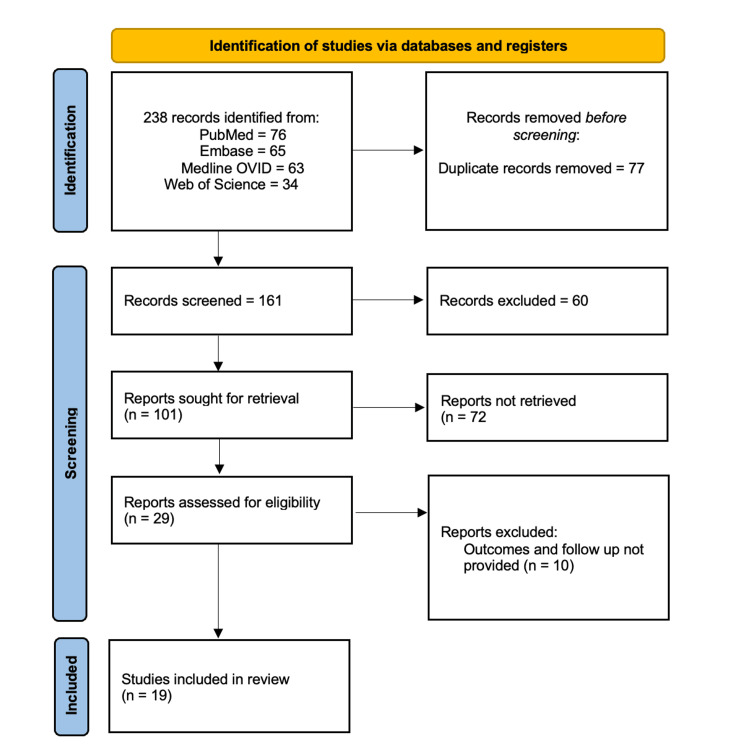 Figure 1
Peer Reviews
No public reviews on file for this paper yet. If you reviewed it on a platform where reviews are public (OpenReview, ICLR, NeurIPS, ICML), you can paste yours below so the community can read it here.
Videos
No videos yet. Explain this paper in a talk, walkthrough, or lecture? Add one.
Taxonomy
TopicsGlioma Diagnosis and Treatment · Cancer Research and Treatments · Photodynamic Therapy Research Studies