Chromosome-level genome assembly of Cornus officinalis reveals the evolution of loganin biosynthesis
Xiang Zhang, Jiangbo Xie, Jiadong Wu, Haoyu Zhang, Zhelun Jin, Qing Liu, Deqiang Zhang

TL;DR
This study provides a high-quality genome for Cornus officinalis, revealing the genetic basis for loganin production, a compound with anticancer potential.
Contribution
The paper identifies key enzymes and gene clusters involved in loganin biosynthesis and demonstrates de novo production in a model plant.
Findings
A chromosome-level genome assembly of C. officinalis was created, showing transposable element expansion as a cause of genome size.
Unique gene clusters and enzymes involved in loganin biosynthesis were identified and characterized.
Successful de novo biosynthesis of loganin derivatives was achieved in Nicotiana benthamiana.
Abstract
Cornus officinalis is a traditional medicinal plant known for producing loganin, a bioactive iridoid glycoside with potential anticancer properties. However, the absence of a high-quality reference genome has limited insights into its biosynthetic pathways. Here, we present a chromosome-level genome assembly of C. officinalis with a size of 2.85 Gb. Comparative genomic analysis revealed that the genome expansion and longer gene structures, relative to other Cornales species, are primarily due to a recent expansion of transposable elements. In this study, we identified unique biosynthetic gene clusters coding multiple core enzymes, including loganin acid O-methyltransferase (LAMT), secologanin synthase (SLS), and cytochrome P450, all of which catalyze sequential steps leading to loganin formation. LAMT enzymes from C. officinalis capable of catalyzing the C-9 hydroxylation of loganin…
Genes, proteins, chemicals, diseases, species, mutations and cell lines named across the full text — each resolved to its canonical identifier and authoritative record.
Click any figure to enlarge with its caption.
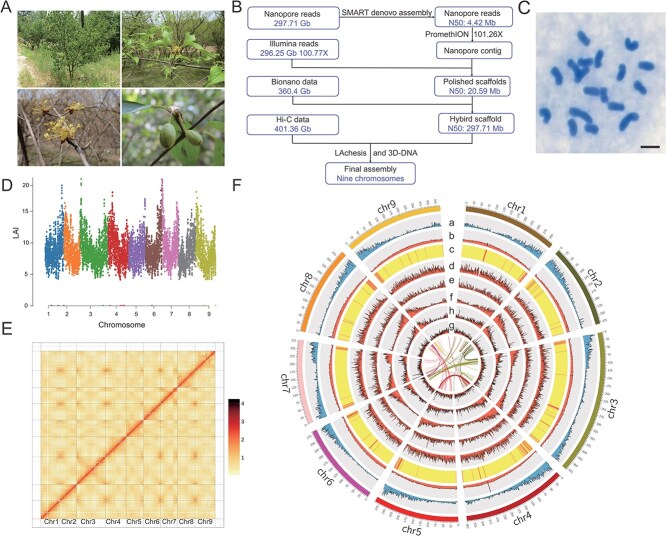 Figure 1
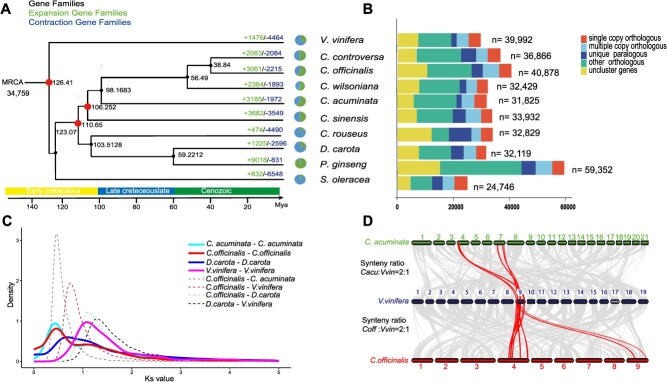 Figure 2
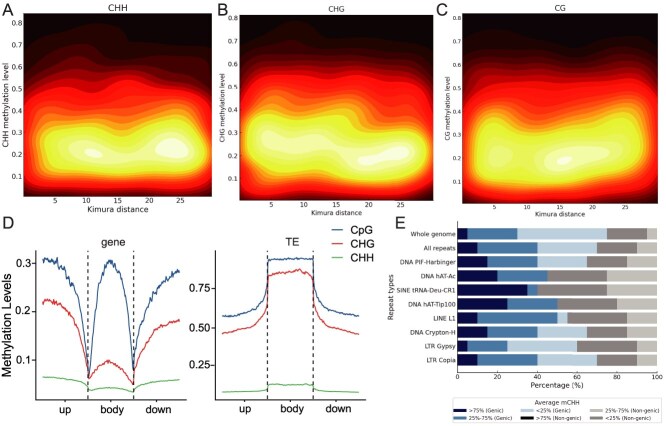 Figure 3
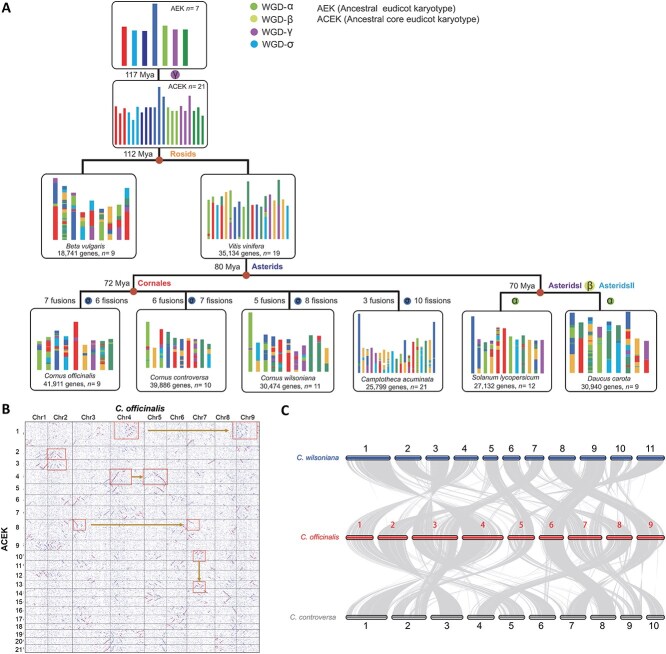 Figure 4
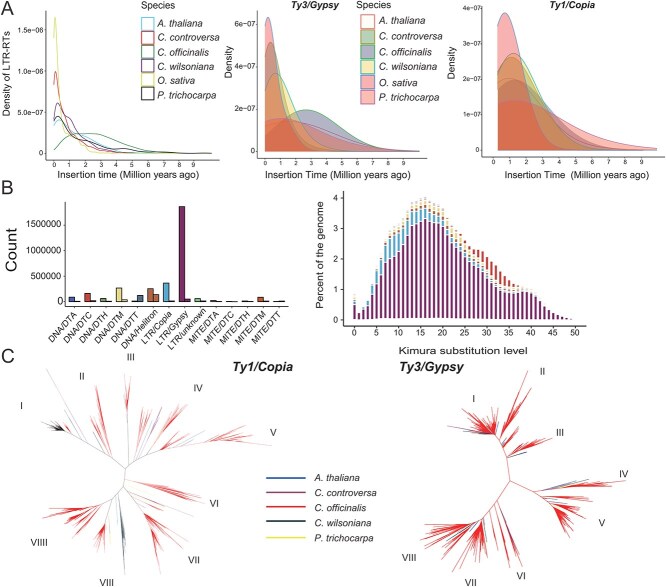 Figure 5
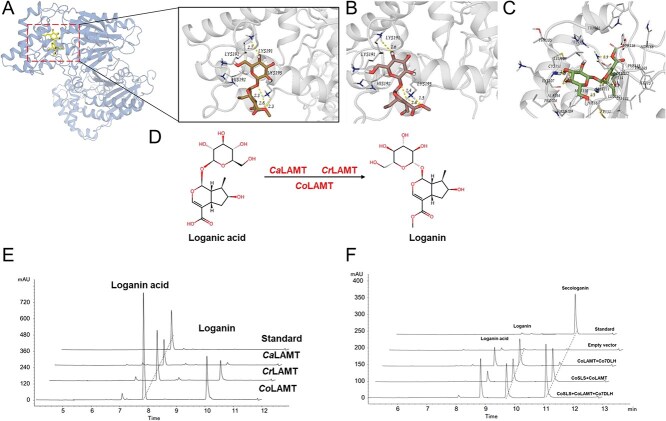 Figure 6
Peer Reviews
No public reviews on file for this paper yet. If you reviewed it on a platform where reviews are public (OpenReview, ICLR, NeurIPS, ICML), you can paste yours below so the community can read it here.
Videos
No videos yet. Explain this paper in a talk, walkthrough, or lecture? Add one.
Taxonomy
TopicsPlant Gene Expression Analysis · Plant Pathogens and Fungal Diseases · Plant Diversity and Evolution