Biosynthesis of Silver Nanoparticles Using Black Pepper (Piper nigrum) Seed Extract and Evaluation of Their Cytotoxicity
Nylton Ferreira Maciel, Gleice VasconcelosPereira do Lago, Glauce Vasconcelos da Silva Pereira, Ingryd Nayara de Farias Ramos, Aline Costa Bastos, Igor Alexandre Rocha Barreto, Nathiel Sarges Moraes, Marcos NazarenoLauné dos Santos, João Augusto Pereira da Rocha

TL;DR
This study uses black pepper extract to create silver nanoparticles that show improved cancer-fighting properties.
Contribution
The novel use of piperine from black pepper seeds to functionalize silver nanoparticles for enhanced gastric cancer cytotoxicity.
Findings
Piperine-functionalized silver nanoparticles (Np-AgPPN) showed superior cytotoxicity against gastric cancer cells.
The nanocomposite exhibited altered physicochemical properties compared to pure piperine.
Green synthesis using black pepper extract successfully produced stable silver nanoparticles.
Abstract
The green synthesis of silver nanoparticles (AgNPs) offers an environmentally friendly alternative to conventional methods by replacing toxic chemical reagents with natural sources. These methods utilize microorganisms, such as bacteria and fungi, or natural plant extracts rich in secondary metabolites that act as reducing and stabilizing agents during nanoparticle formation. In this study, we biosynthesized AgNPs using an ethanolic extract of Piper nigrum seeds and isolated piperine (PPN), the main bioactive compound. Furthermore, we evaluated the cytotoxic properties of PPN and its interaction with AgNPs (Np‐AgPPN) in gastric cancer cells. The samples were characterized using UV–visible (UV–Vis) spectroscopy, Fourier transform infrared (FTIR), scanning electron microscopy with energy‐dispersive x‐ray spectroscopy (SEM–EDS), x‐ray diffraction (XRD), thermogravimetric (TG), and…
Genes, proteins, chemicals, diseases, species, mutations and cell lines named across the full text — each resolved to its canonical identifier and authoritative record.
Click any figure to enlarge with its caption.
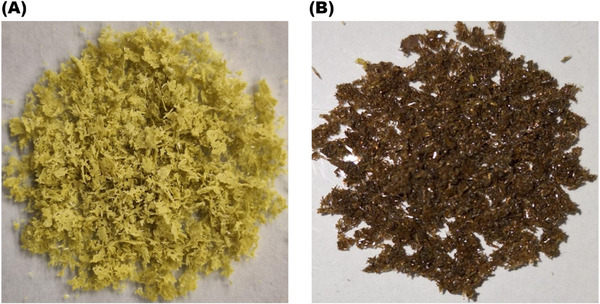 Figure 1
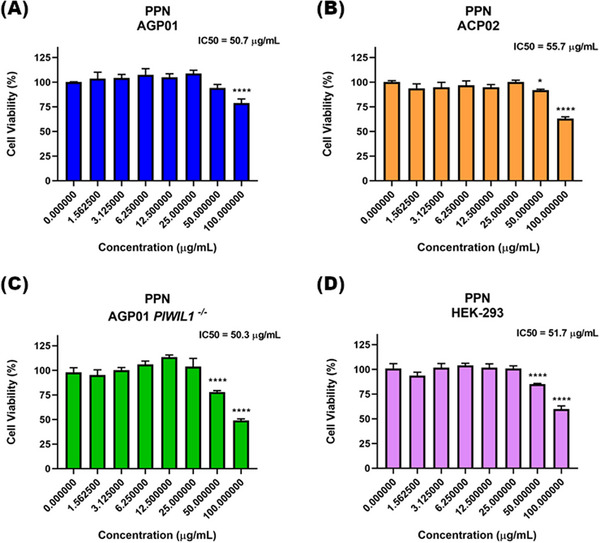 Figure 2
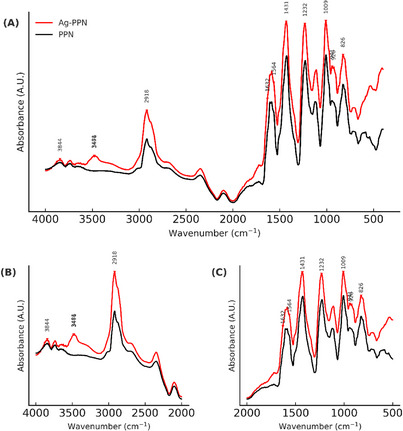 Figure 3
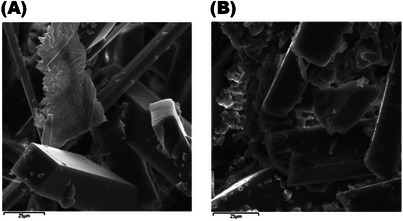 Figure 4
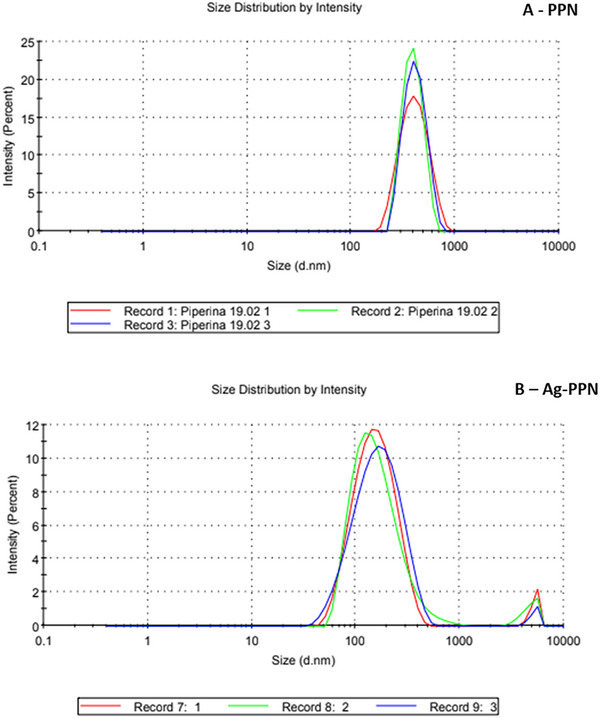 Figure 5
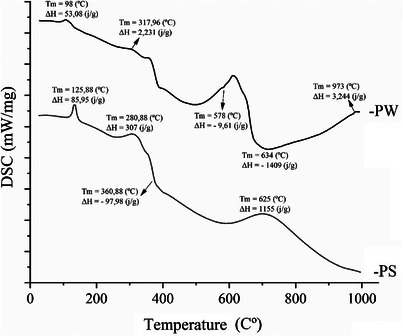 Figure 6
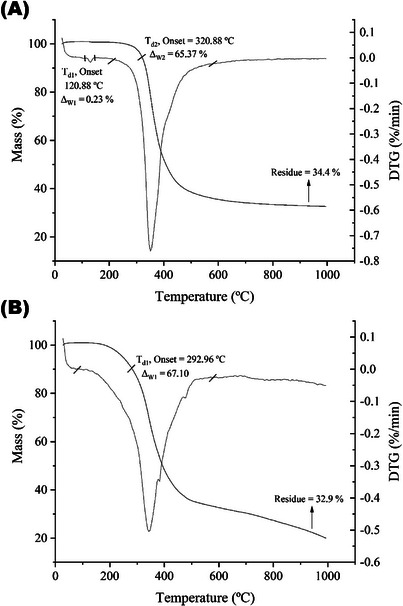 Figure 7
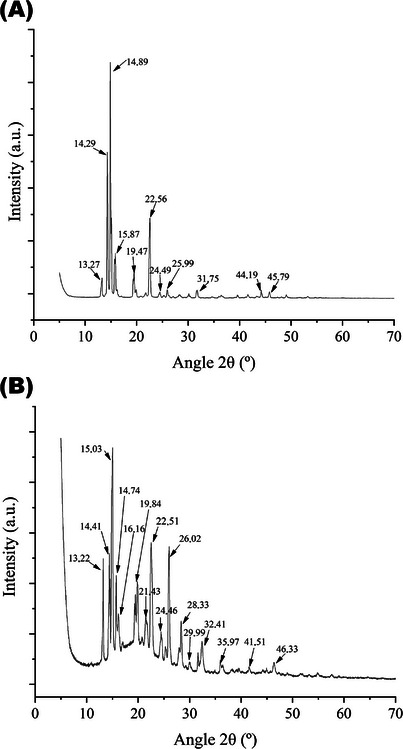 Figure 8
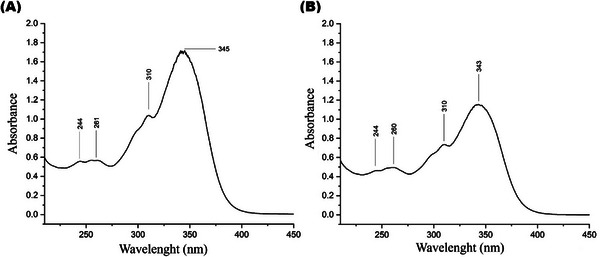 Figure 9
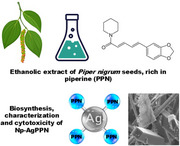 Figure 10
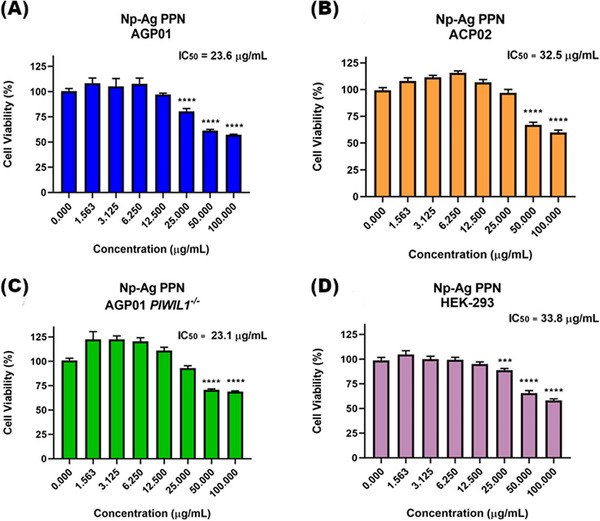 Figure 11
Peer Reviews
No public reviews on file for this paper yet. If you reviewed it on a platform where reviews are public (OpenReview, ICLR, NeurIPS, ICML), you can paste yours below so the community can read it here.
Videos
No videos yet. Explain this paper in a talk, walkthrough, or lecture? Add one.
Taxonomy
TopicsPiperaceae Chemical and Biological Studies · Nanoparticles: synthesis and applications · Phytochemicals and Medicinal Plants