Development and dosimetric evaluation of a freely deformable 6Li‐based neutron shield for boron neutron capture therapy
Naonori Hu, Ryo Kakino, Akinori Sasaki, Mai Nojiri, Kazuhiko Akita, Syuushi Yoshikawa, Yasushi Kohigashi, Yuki Yoshino, Satoshi Takeno, Teruhito Aihara, Takushi Takata, Hiroki Tanaka, Keiji Nihei, Koji Ono

TL;DR
A flexible neutron shield was developed to reduce healthy tissue exposure during boron neutron capture therapy for head and neck cancer.
Contribution
A freely deformable LiF-polyethylene neutron shield was developed and evaluated for clinical BNCT applications.
Findings
The deformable shield reduced thermal neutron flux by 50%, close to the 60% reduction of a solid block.
Clinical simulations showed up to 46.6% reduction in dose to the pharyngeal mucosa without affecting tumor coverage.
Treatment delivery times were minimally impacted, and positional perturbations caused small dose variations.
Abstract
Boron neutron capture therapy (BNCT) enables selective tumor irradiation by exploiting the high‐linear energy transfer particles generated from neutron interactions with 10B atoms. BNCT has been approved as an insurance‐covered medical treatment for recurrent head and neck cancer in Japan. Unlike photon radiotherapy, neutrons that come out of the collimator have an angular distribution. Therefore, it is necessary to keep the distance between the collimator and the patient as short as possible. However, for head and neck cancer treatments, patient anatomy often limits proximity to the collimator, creating an unwanted air gap. This ultimately increases the neutron exposure to surrounding healthy tissue. To develop a freely deformable LiF‐polyethylene neutron shield and assess its impact on neutron/gamma attenuation and clinical organ at‐risk sparing in head and neck BNCT. A freely…
Genes, proteins, chemicals, diseases, species, mutations and cell lines named across the full text — each resolved to its canonical identifier and authoritative record.
Click any figure to enlarge with its caption.
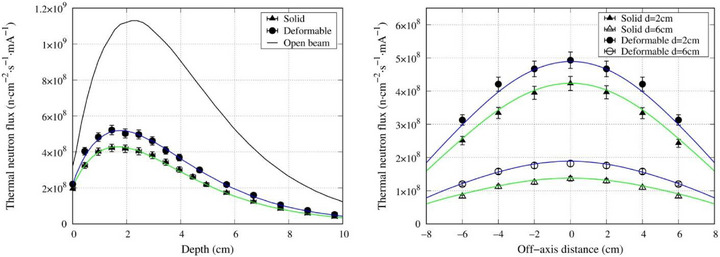 Figure 1
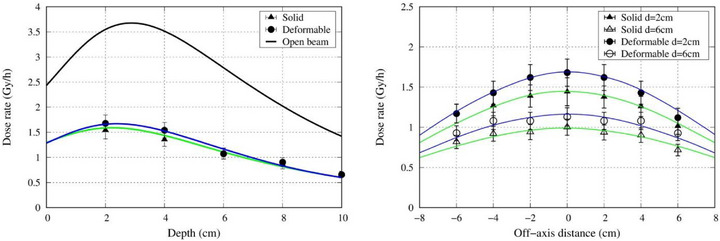 Figure 2
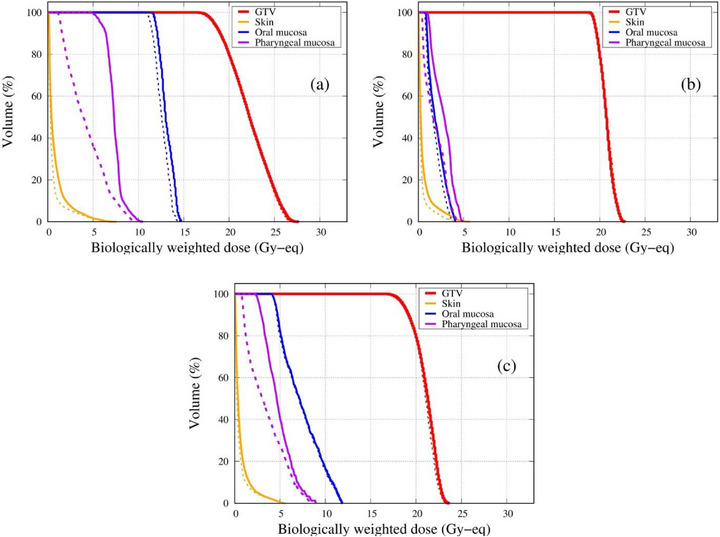 Figure 3
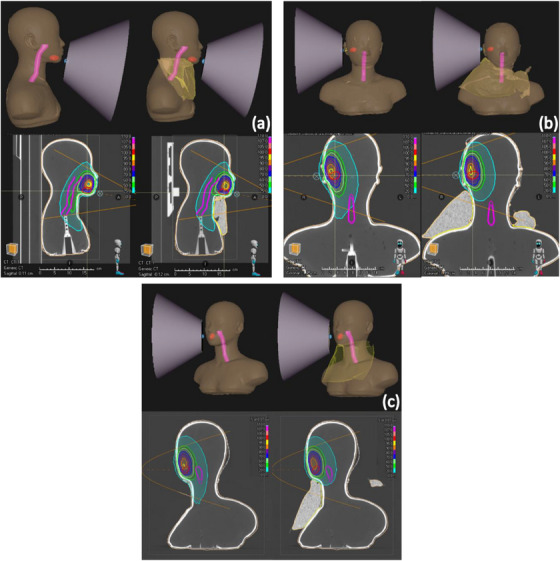 Figure 4
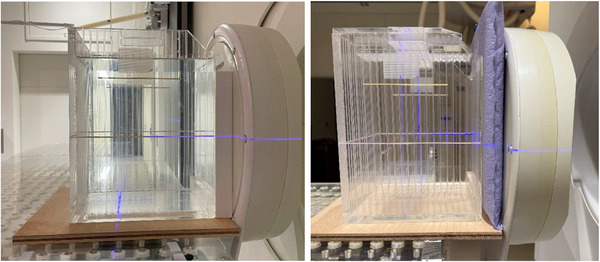 Figure 5
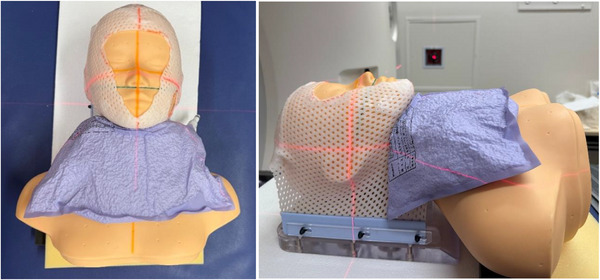 Figure 6
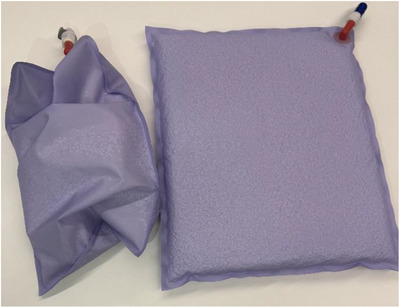 Figure 7
Peer Reviews
No public reviews on file for this paper yet. If you reviewed it on a platform where reviews are public (OpenReview, ICLR, NeurIPS, ICML), you can paste yours below so the community can read it here.
Videos
No videos yet. Explain this paper in a talk, walkthrough, or lecture? Add one.
Taxonomy
TopicsBoron Compounds in Chemistry · Radiation Shielding Materials Analysis · Radiation Therapy and Dosimetry