Chemical Profiling, In Silico and In Vitro Studies to Identify Potential CDK2 and mTOR Inhibitor From Selaginella inaequalifolia (Hook. & Grev.) Spring Ethanolic Extracts
Johnson Marimuthu Alias Antonysamy, Sivaraman Arumugam, Robin Charles Antony Arulraj, Anne Wincy Jacob Thomas, Henrique D. M. Coutinho

TL;DR
This study identifies a compound in Selaginella inaequalifolia that may inhibit cancer-related proteins and show anticancer potential.
Contribution
The discovery of a compound with potential CDK2 and mTOR inhibitory activity from Selaginella inaequalifolia is novel.
Findings
A compound in Selaginella inaequalifolia ethanolic extract inhibits CDK2 and mTOR, suggesting anticancer potential.
The extract showed low cytotoxicity in brine shrimp but strong anticancer activity in MCF-7 breast cancer cells.
27 compounds were identified, with one showing favorable drug properties and toxicity profiles.
Abstract
The current study is aimed to reveal the phytoprofile of Selaginella inaequalifolia (Hook. & Grev.) Spring using GC–MS and predict the drug properties, toxicity, biological properties of S. inaequalifolia ethanolic extracts (SiEE) using in silico methods and in vitro toxicity assays, namely, MTT and BSLB assay. A total of 27 compounds are identified from SiEE with varied physicochemical properties. Various biological properties of the identified compound are predicted based on online PASS prediction. The ADME and toxicity profile analysis identified pentadecanoic acid, 13‐methyl‐, methyl ester as a strong CDK2 and mTOR inhibitor, suggesting anticancer potential. A dose‐dependent toxicity and cytotoxicity are observed. The brine shrimp lethality assay (LC50: 274.26 mg/mL) indicated low cytotoxicity, while MCF‐7 breast cancer cell line studies (IC50: 42.49 µg/mL) showed promising…
Genes, proteins, chemicals, diseases, species, mutations and cell lines named across the full text — each resolved to its canonical identifier and authoritative record.
Click any figure to enlarge with its caption.
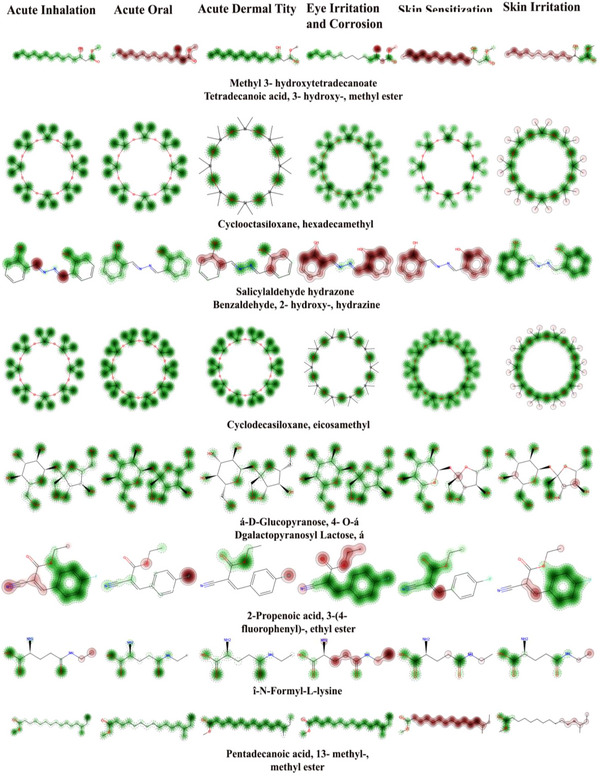 Figure 1
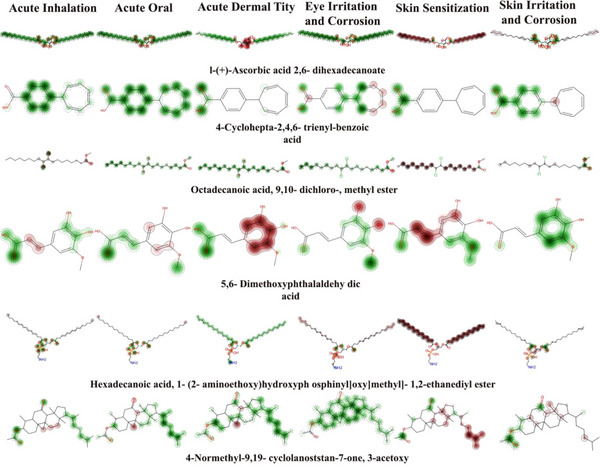 Figure 2
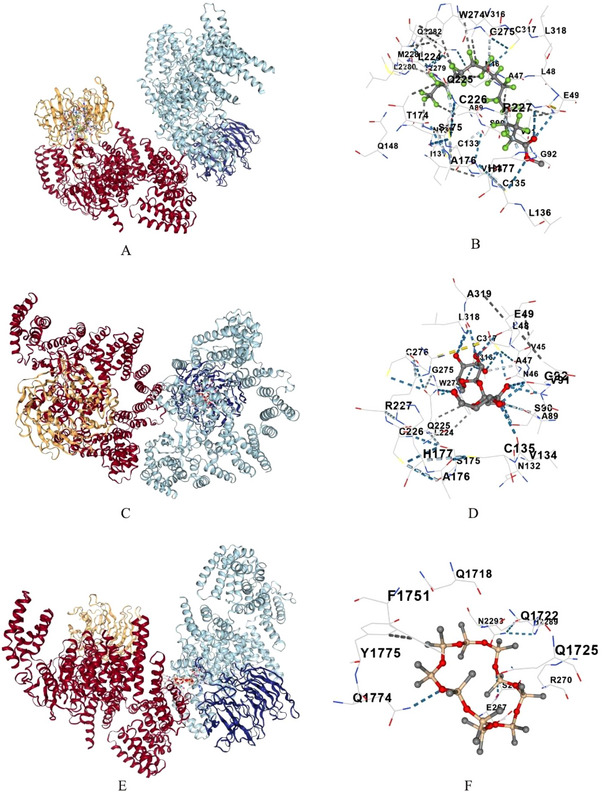 Figure 3
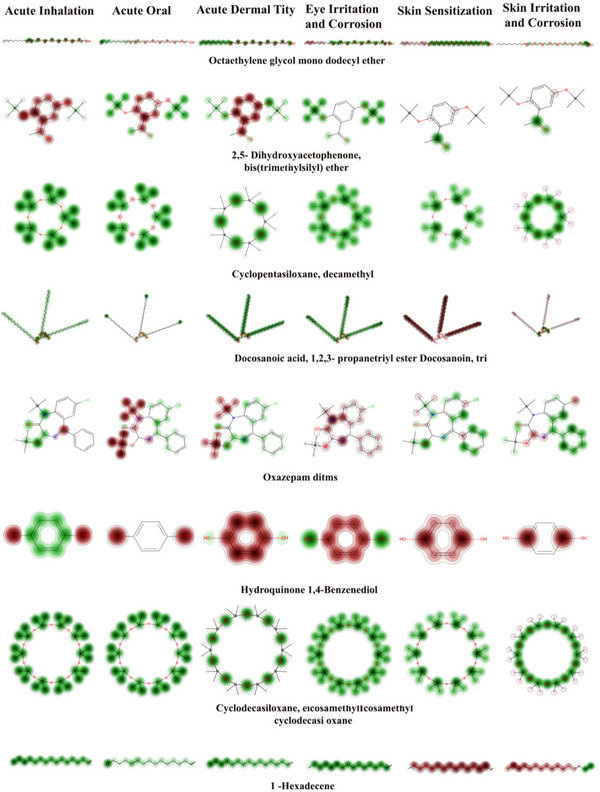 Figure 4
 Figure 5
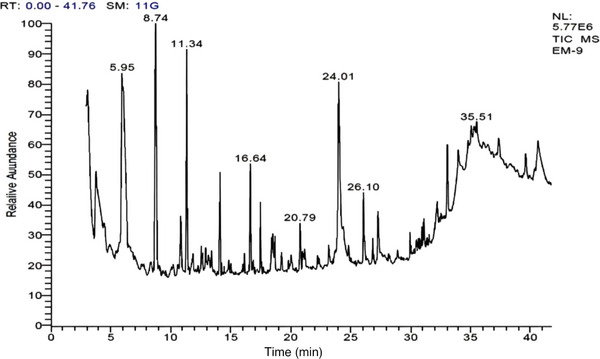 Figure 6
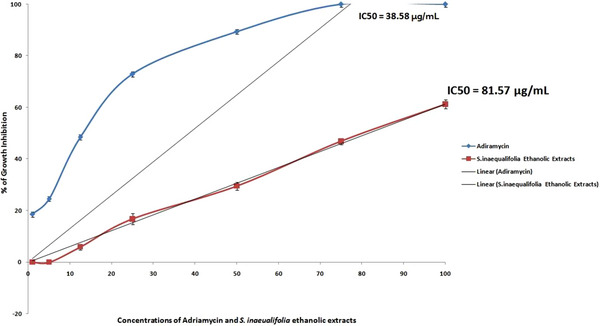 Figure 7
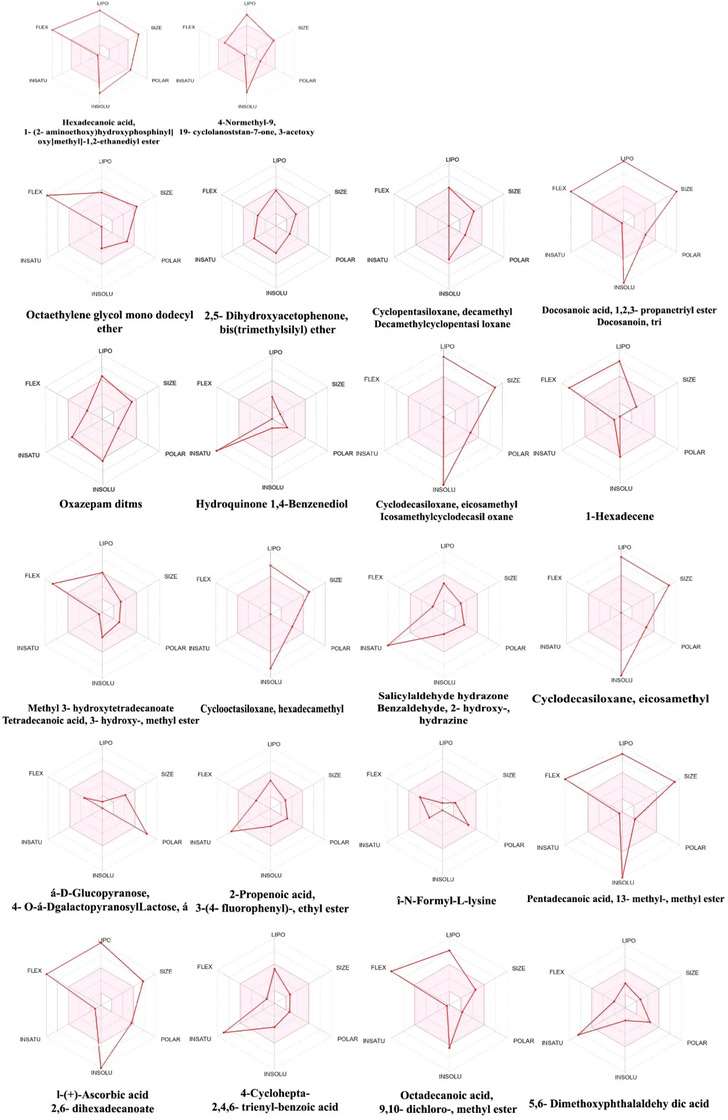 Figure 8
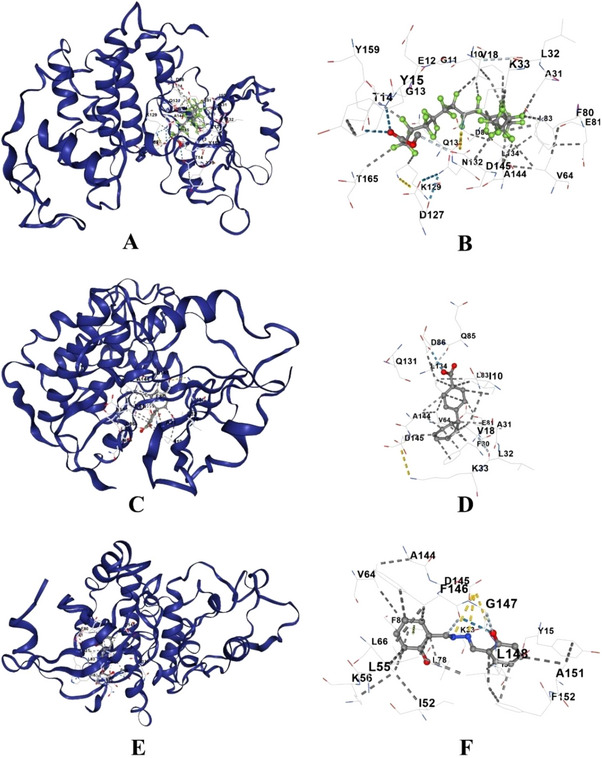 Figure 9
Peer Reviews
No public reviews on file for this paper yet. If you reviewed it on a platform where reviews are public (OpenReview, ICLR, NeurIPS, ICML), you can paste yours below so the community can read it here.
Videos
No videos yet. Explain this paper in a talk, walkthrough, or lecture? Add one.
Taxonomy
TopicsBiological Activity of Diterpenoids and Biflavonoids · Natural product bioactivities and synthesis · Natural Products and Applications