Mutant GNAS drives a pyloric metaplasia with tumor suppressive glycans in intraductal papillary mucinous neoplasia
Vincent Quoc-Huy Trinh, Katherine E. Ankenbauer, Sabrina M. Torbit, Christopher P. Taranto, Jiayue Liu, Maelle Batardiere, Bhoj Kumar, H. Carlo Maurer, Frank Revetta, Zhengyi Chen, Angela R.S. Kruse, Audra M. Judd, Celina Copeland, Jahg Wong, Olivia Ben-Levy, Brenda Jarvis

TL;DR
Mutant GNAS in pancreatic cysts promotes a less aggressive form of cancer by altering sugar molecules on cells, which could help avoid unnecessary surgeries.
Contribution
The study identifies GNASR201C as a driver of a tumor-suppressive glycan profile in IPMNs, offering new biomarkers for risk stratification.
Findings
GNASR201C amplifies a pyloric phenotype via SPDEF/CREB3L1 in IPMNs.
LacdiNAcs suppress pro-tumorigenic Lewis epitopes, reducing cancer invasion.
LacdiNAcs and 3′-sulfo-LeA/C are mutually exclusive and may serve as diagnostic markers.
Abstract
Intraductal papillary mucinous neoplasms (IPMNs) are cystic lesions and bona fide precursors of pancreatic ductal adenocarcinoma (PDAC), one of the deadliest solid tumors. Although ~90% of IPMNs are detected before PDAC forms, markers distinguishing benign from malignant disease are lacking, resulting in an abundance of unnecessary, invasive surgeries. Recent studies show that pancreatic precancer assumes a pyloric phenotype. To identify the regulators of this plasticity, cell lines, organoids, tumors from mouse models of IPMNs, and patient samples underwent multiplex immunostaining, RNA sequencing, glycosylation profiling, and computational analysis. These data revealed that GNASR201C drives an indolent phenotype in IPMNs by amplifying a differentiated, pyloric phenotype through SPDEF/CREB3L1, which is characterized by distinct glycans. Acting as a glycan rheostat, GNASR201C elevates…
Genes, proteins, chemicals, diseases, species, mutations and cell lines named across the full text — each resolved to its canonical identifier and authoritative record.
Click any figure to enlarge with its caption.
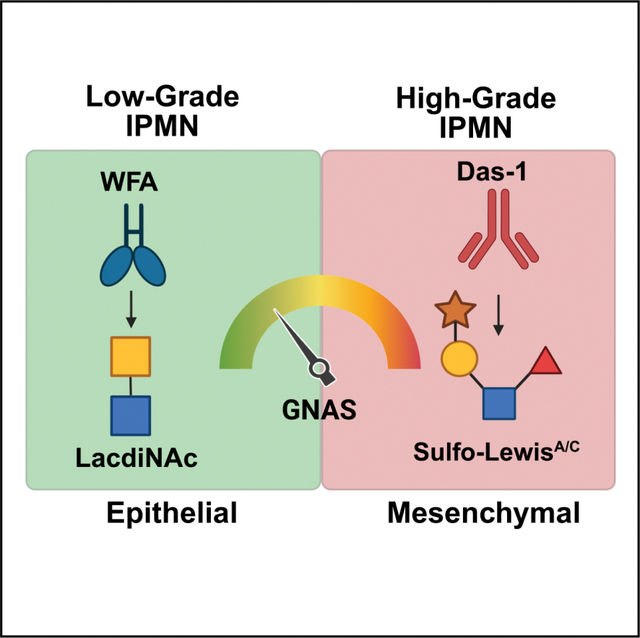 Figure 1
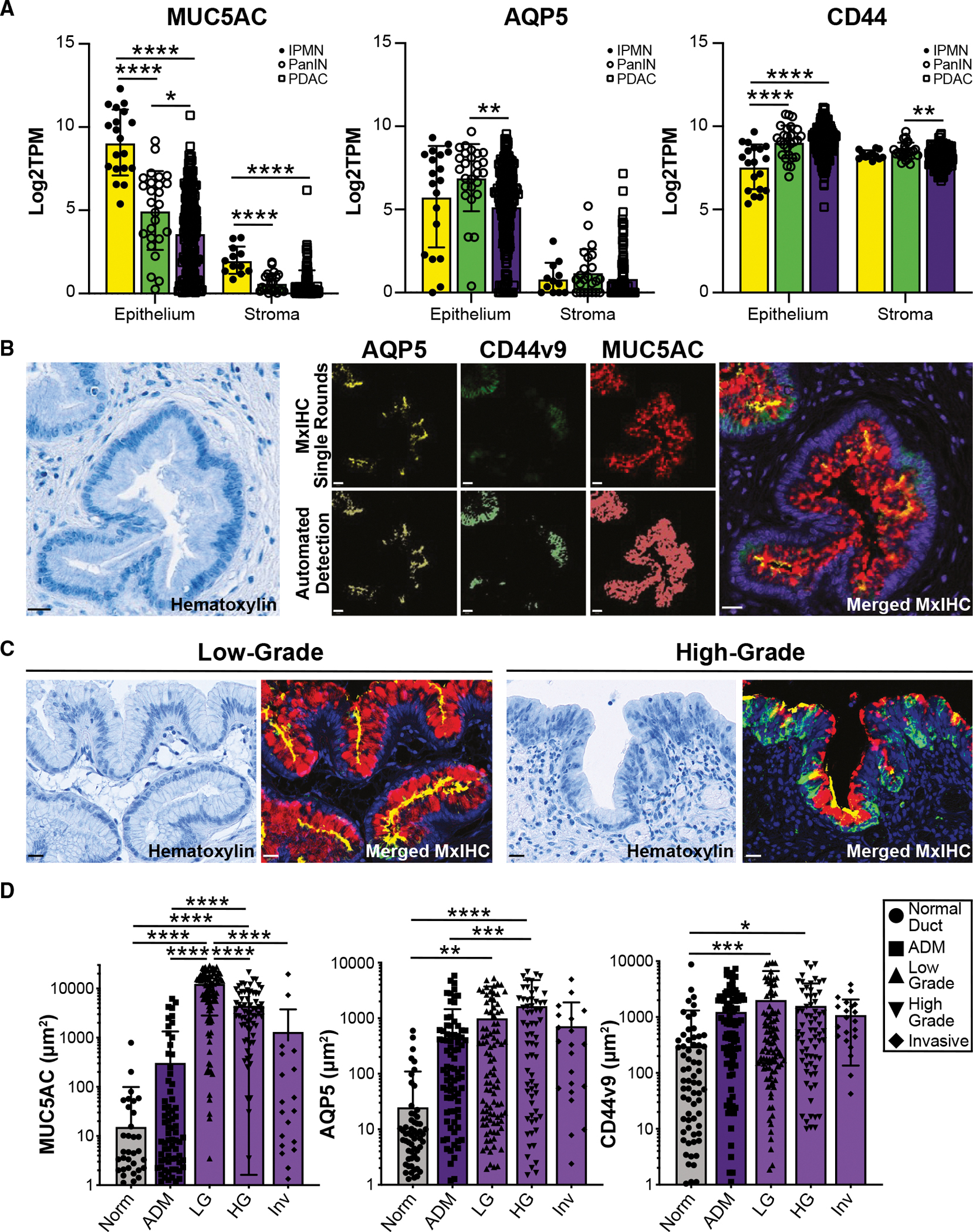 Figure 2
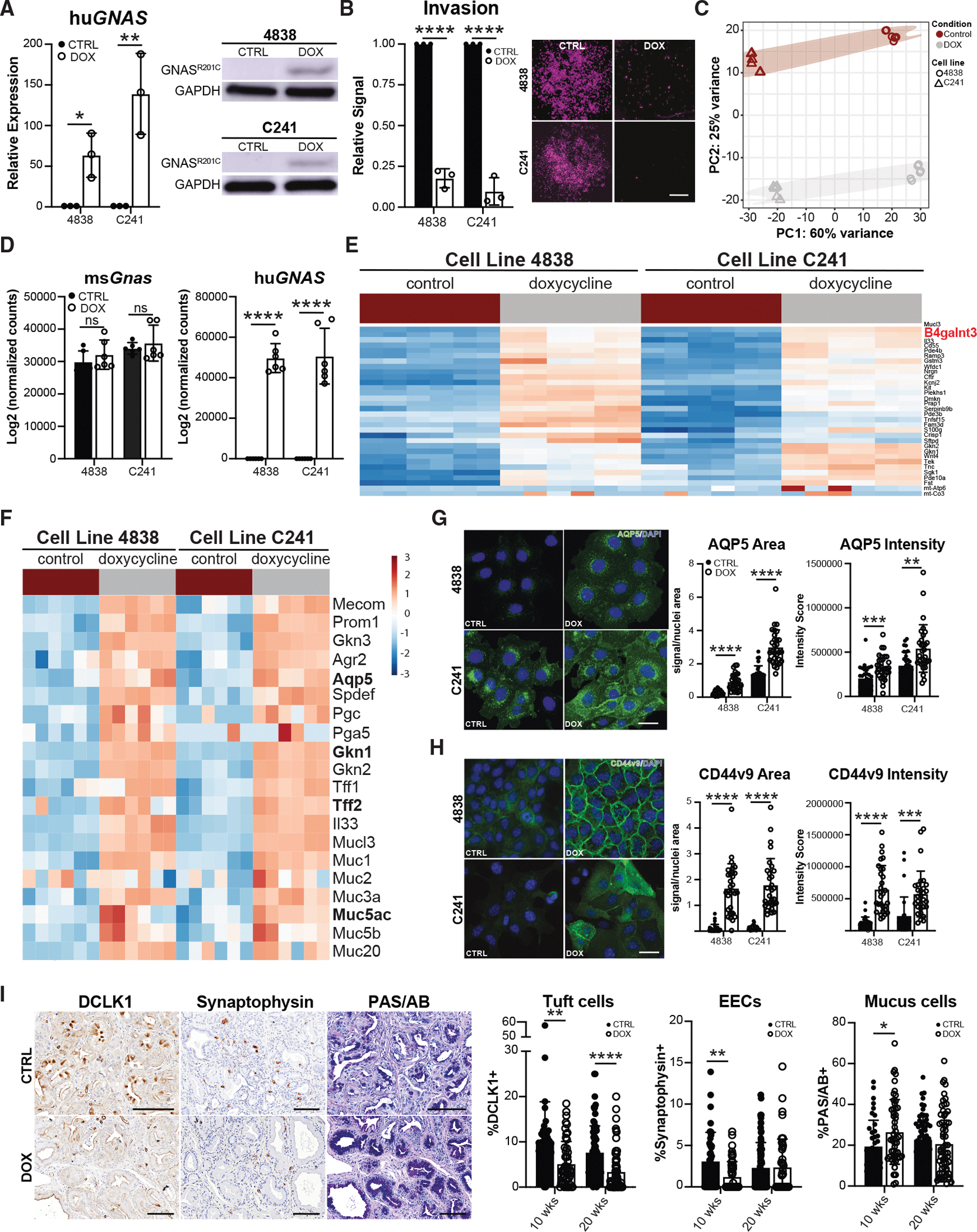 Figure 3
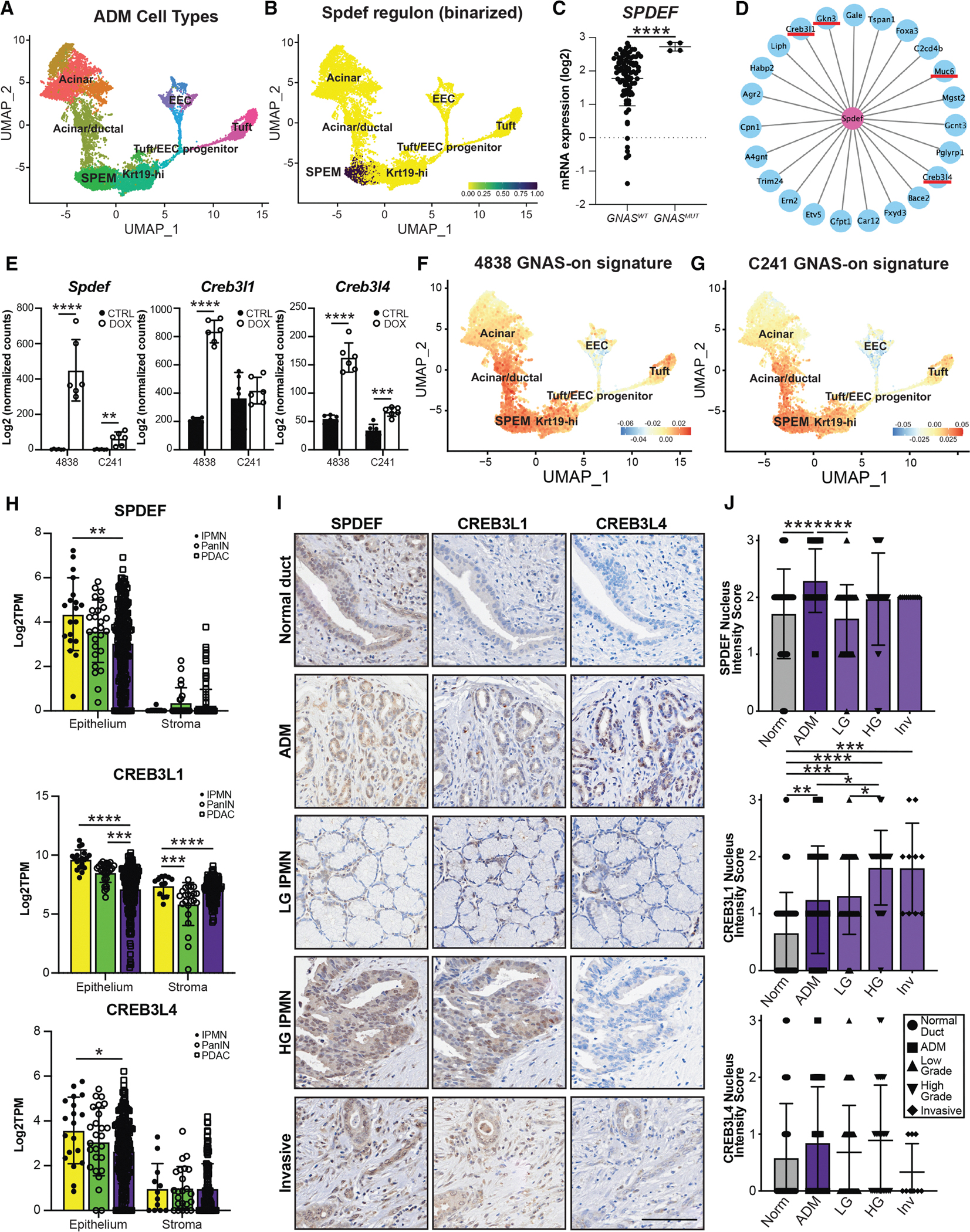 Figure 4
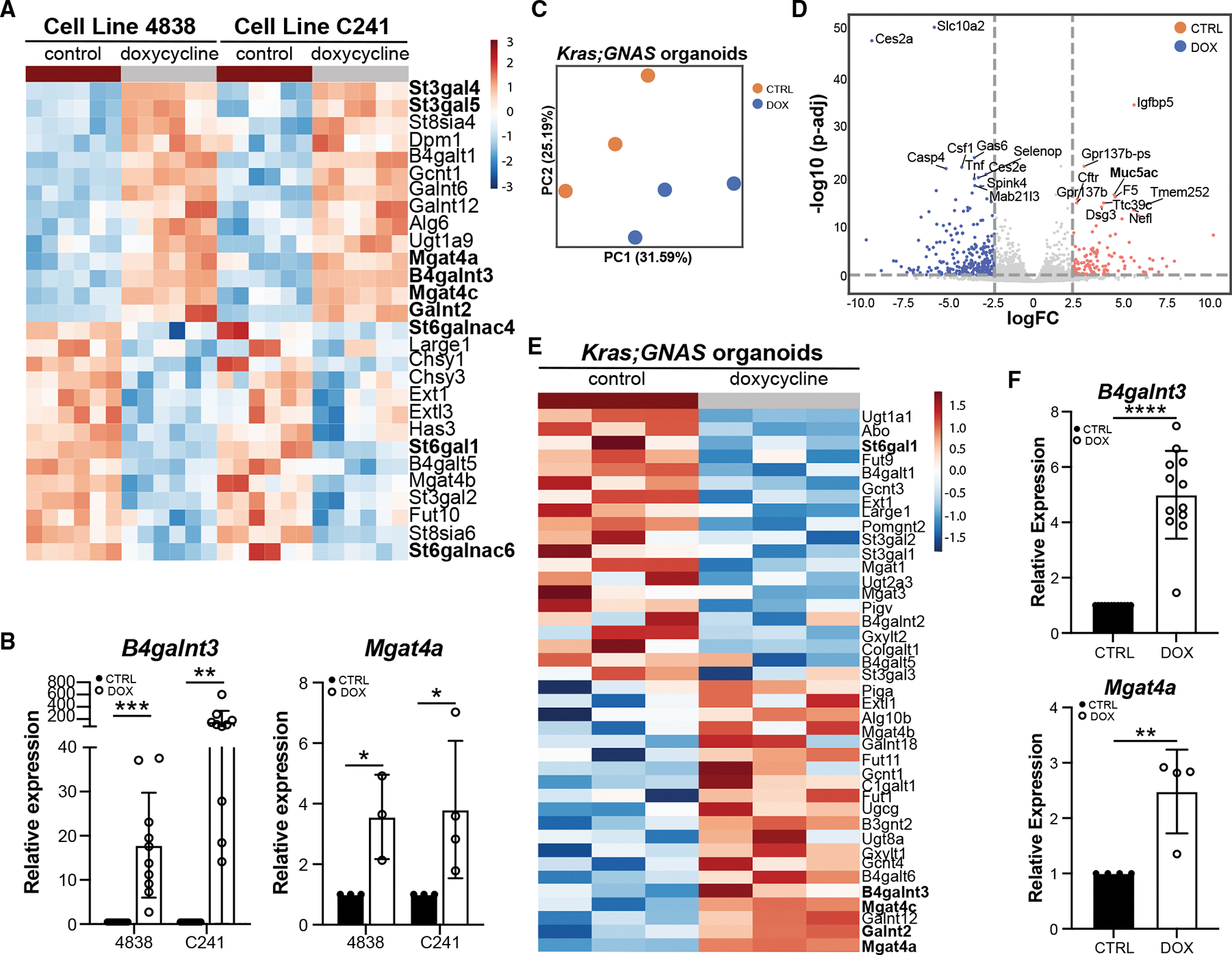 Figure 5
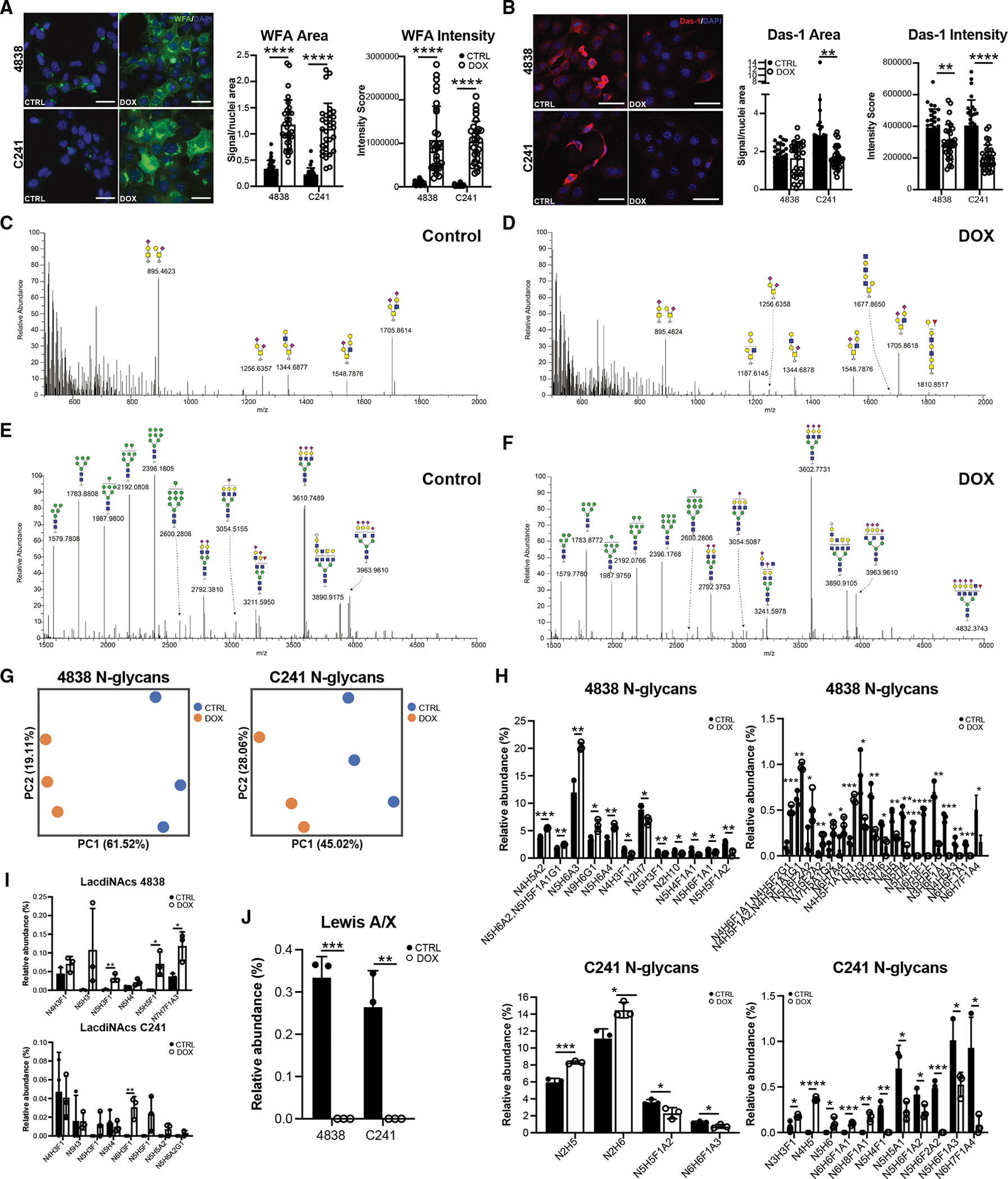 Figure 6
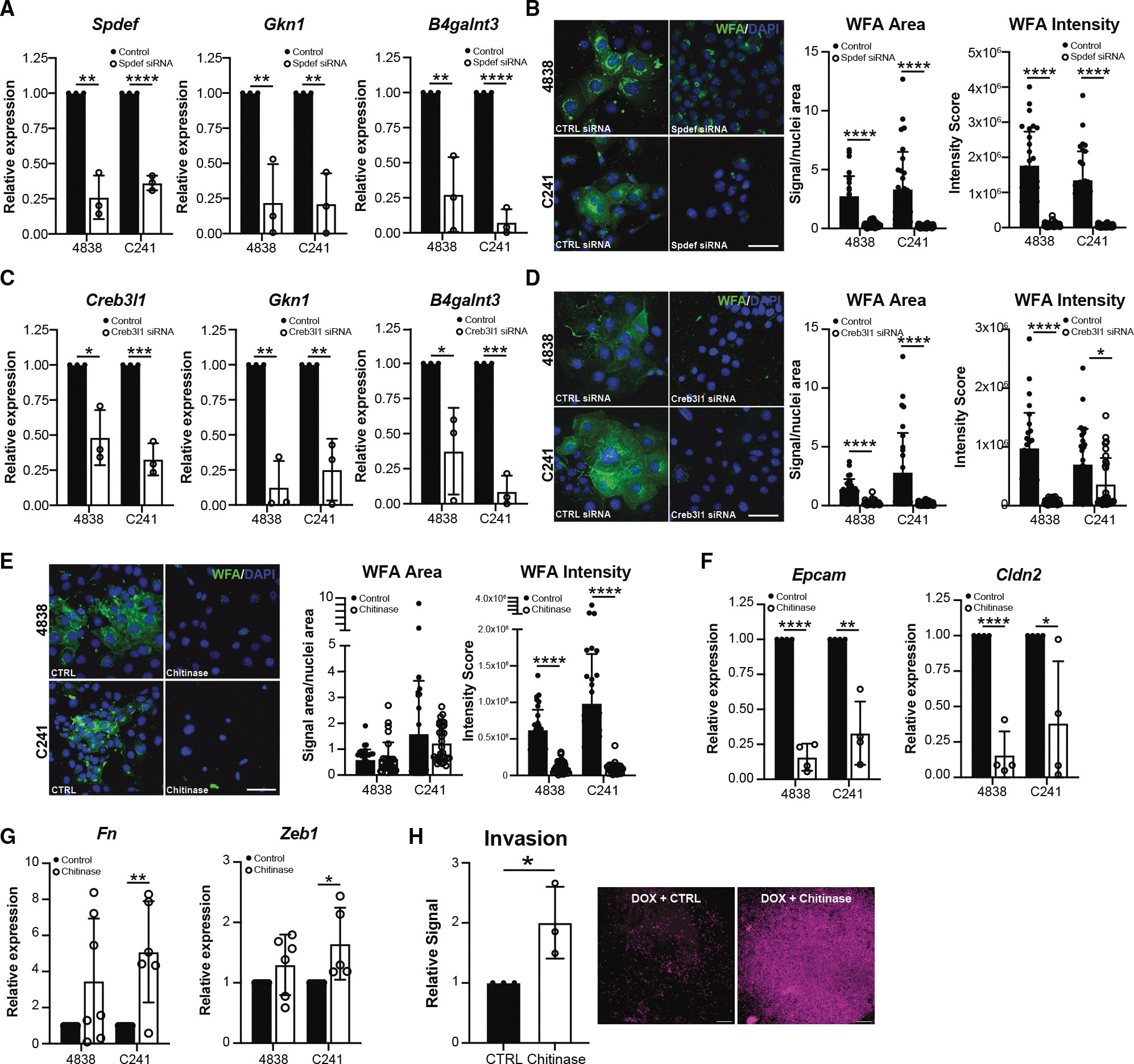 Figure 7
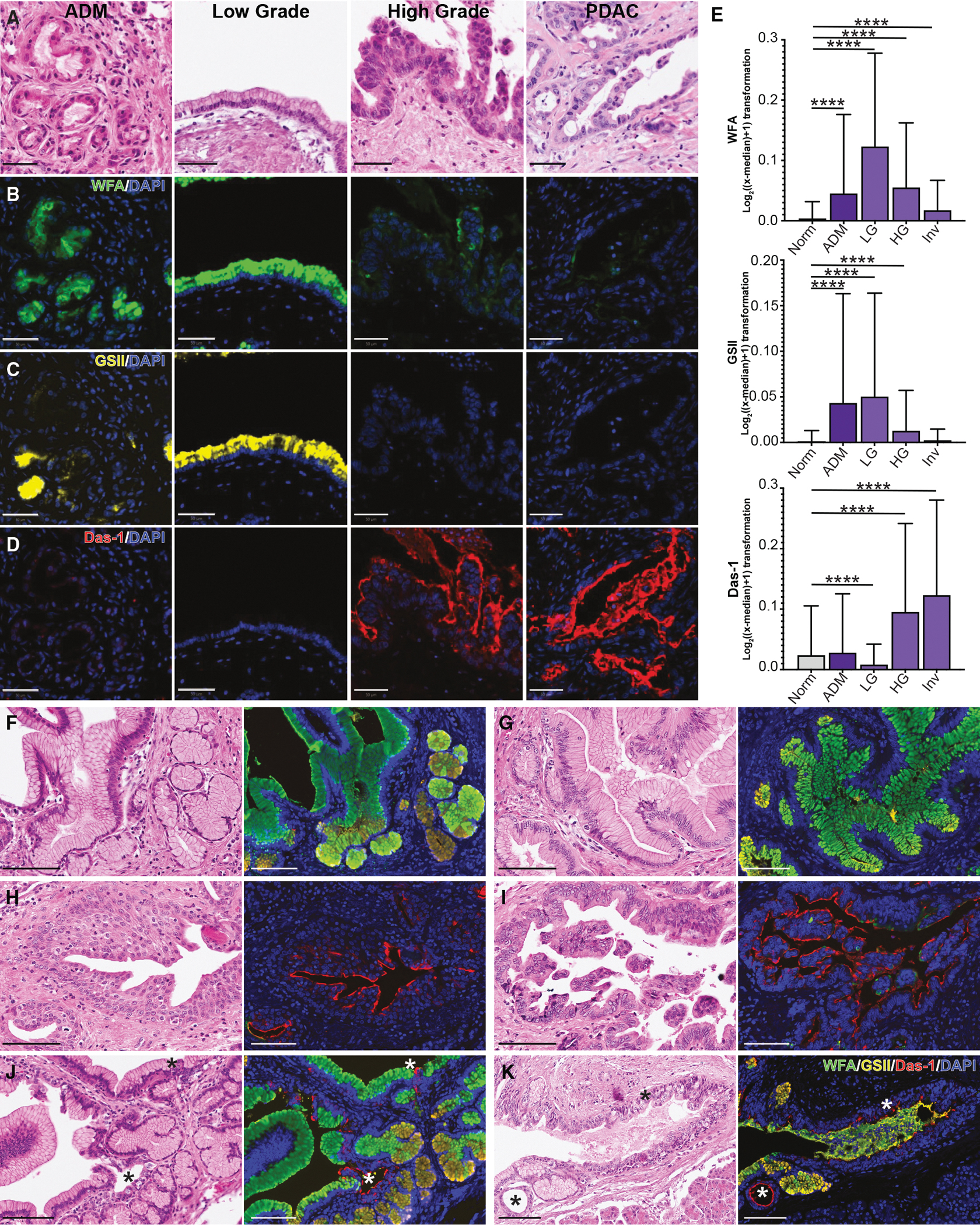 Figure 8
Peer Reviews
No public reviews on file for this paper yet. If you reviewed it on a platform where reviews are public (OpenReview, ICLR, NeurIPS, ICML), you can paste yours below so the community can read it here.
Videos
No videos yet. Explain this paper in a talk, walkthrough, or lecture? Add one.
Taxonomy
TopicsGlycosylation and Glycoproteins Research · Pancreatic and Hepatic Oncology Research · Proteoglycans and glycosaminoglycans research