Undiagnosed Sacrococcygeal Fistulas: A Case Report
Marta De Figueiredo Martins, Pedro Valério, Ana Paula Pinheiro

TL;DR
A 74-year-old man with a long-standing sacrococcygeal fistula sought treatment after symptoms worsened, highlighting the impact of delayed care due to embarrassment.
Contribution
This case emphasizes the role of patient behavior and embarrassment in delaying treatment for chronic fistulas.
Findings
The patient's long-standing sacrococcygeal fistula was undiagnosed for over fifty years due to lack of significant symptoms and embarrassment.
Antibiotic therapy was initiated, but a non-invasive approach was chosen after a targeted workup proved non-definitive.
The patient's decision to avoid surgery highlights the importance of autonomy in medical decision-making.
Abstract
The clinical presentation of fistulas can include persistent drainage, pain or swelling. In the perianal, gluteal and sacrococcygeal areas, differential diagnosis may include perianal fistula, malignancy, inflammatory bowel disease or pilonidal disease. Lack of treatment can lead to disease progression. Patient appraisal of symptoms plays an important role in clinical outcomes, a role possibly shared with the shame of exposing symptoms. A behavior of avoidance and withholding of information can directly impact clinical outcomes by not seeking medical help and delays in treatment. This case describes a 74-year-old man who, during a routine visit, reports complaints of purulent drainage in the sacrococcygeal region. This complaint was more than fifty years old and had been undervalued until now, according to the patient, because it lacked significant symptoms and the embarrassment of…
Genes, proteins, chemicals, diseases, species, mutations and cell lines named across the full text — each resolved to its canonical identifier and authoritative record.
Click any figure to enlarge with its caption.
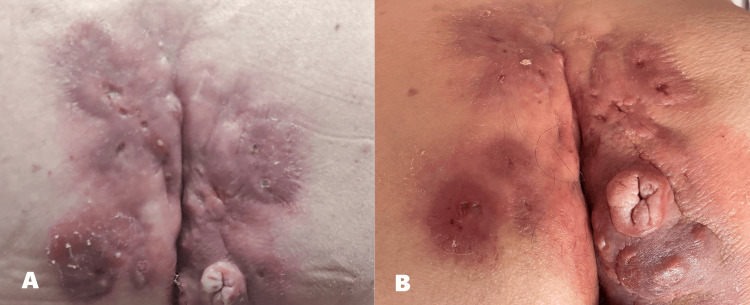 Figure 1
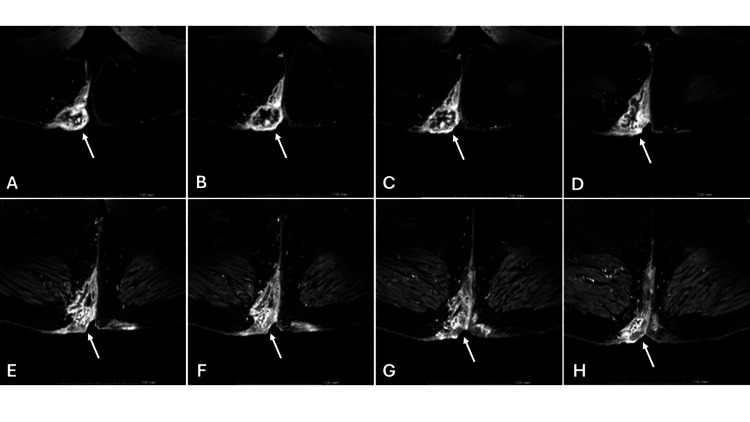 Figure 2
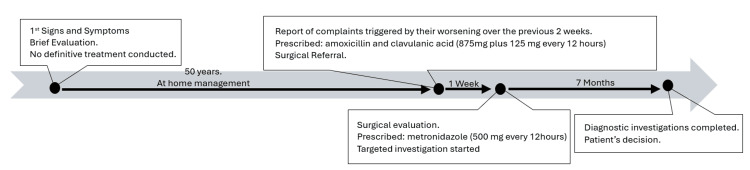 Figure 3
Peer Reviews
No public reviews on file for this paper yet. If you reviewed it on a platform where reviews are public (OpenReview, ICLR, NeurIPS, ICML), you can paste yours below so the community can read it here.
Videos
No videos yet. Explain this paper in a talk, walkthrough, or lecture? Add one.
Taxonomy
TopicsAnorectal Disease Treatments and Outcomes · Diverticular Disease and Complications · Hidradenitis Suppurativa and Treatments