An AI-assisted designed supramolecularly engineered nanoplatform reverses pigmentation by triggering an ineffective compensatory melanin production program
Tianqi Liu, Liang Chen, Xiaoyu Zhao, Min Xie, Ling Xie, Mi Wang, Zhenyuan Wang, Jiaheng Zhang

TL;DR
A new nanoplatform, designed with AI help, improves the delivery of a natural compound and reverses skin pigmentation by triggering ineffective melanin production.
Contribution
An AI-assisted strategy for creating a dual-assembly nanosystem that enhances drug delivery and reveals a novel compensatory melanin production mechanism.
Findings
DHBTC increased baicalin solubility 608-fold and improved transdermal delivery.
DHBTC reverses hyperpigmentation by accelerating melanosome degradation and reducing inflammation.
The nanoplatform triggers a compensatory but ineffective melanogenesis response in melanocytes.
Abstract
The clinical applications of natural compounds are limited by their inherent physicochemical properties. This study reports a hierarchical supramolecular engineering strategy for constructing a dual-assembly nanosystem for the treatment of skin hyperpigmentation. Using an AI-assisted computational screening model, tranexamic acid was identified as a suitable molecular partner of the hydrophobic and active, baicalin. Subsequent dual assembly processes yielded a stable hybrid nanoplatform (DHBTC) that enhanced the solubility and delivery efficiency of baicalin. Single-cell transcriptomics revealed an unexpected mechanism of "functional inhibition"; despite the depigmenting efficacy of DHBTC, the melanogenesis-related gene network in melanocytes was upregulated. This was identified as compensatory transcriptional feedback triggered by drug-induced autophagy. DHBTC functionally inhibits…
Genes, proteins, chemicals, diseases, species, mutations and cell lines named across the full text — each resolved to its canonical identifier and authoritative record.
Click any figure to enlarge with its caption.
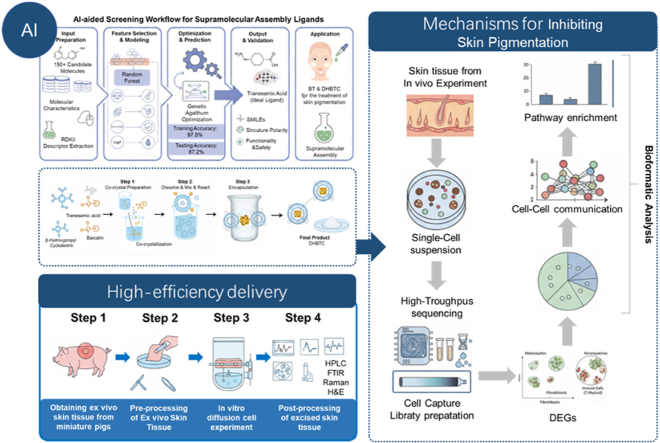 Figure 1
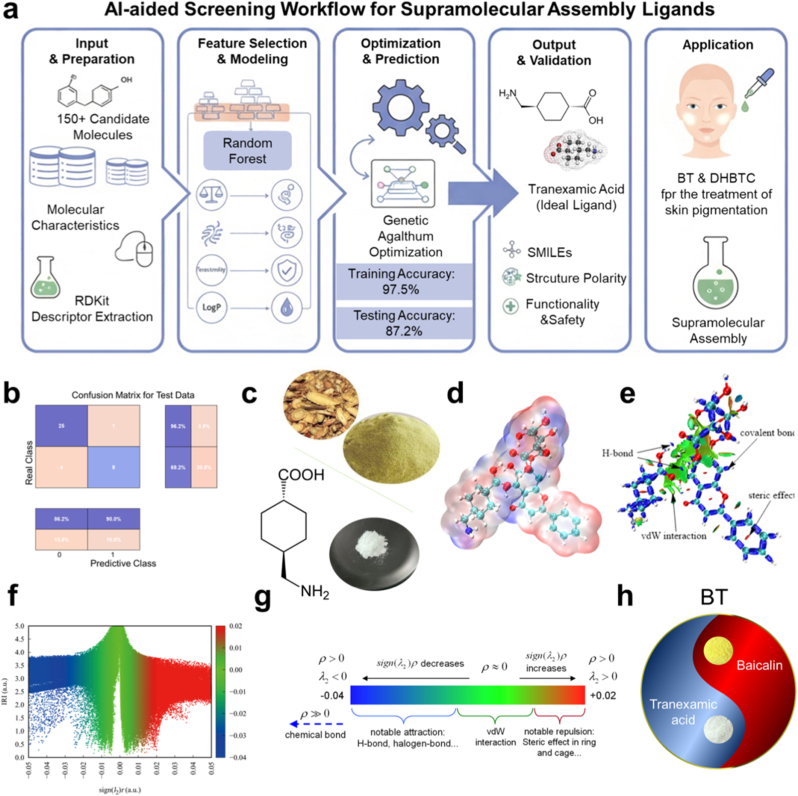 Figure 2
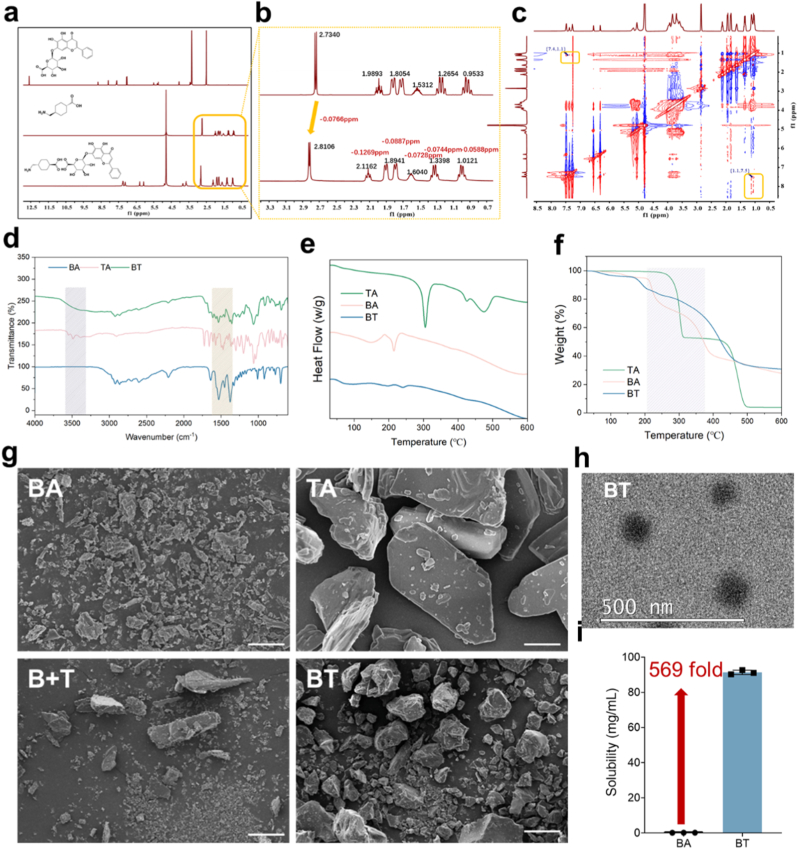 Figure 3
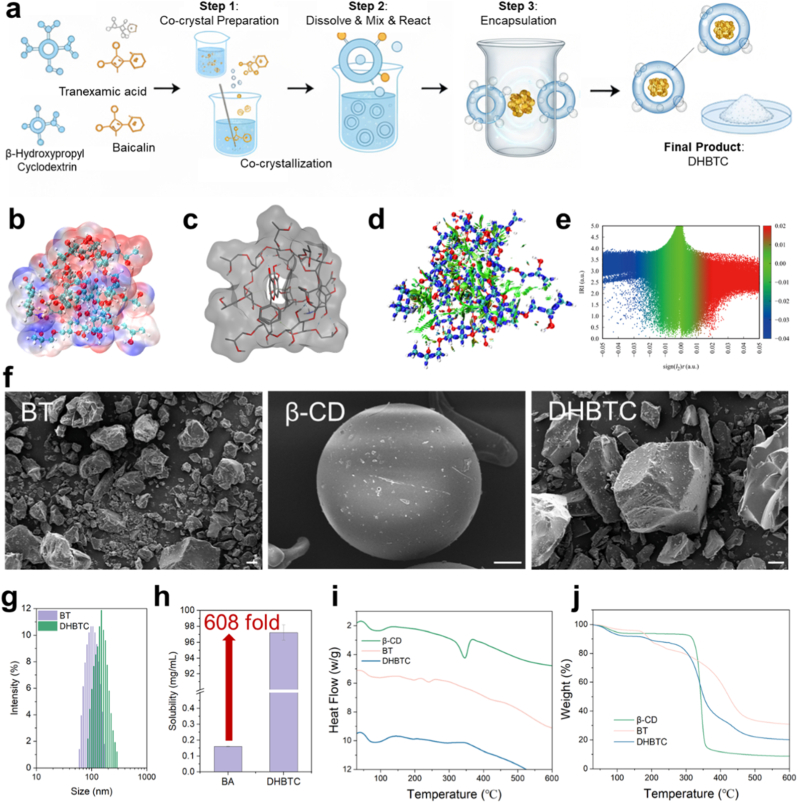 Figure 4
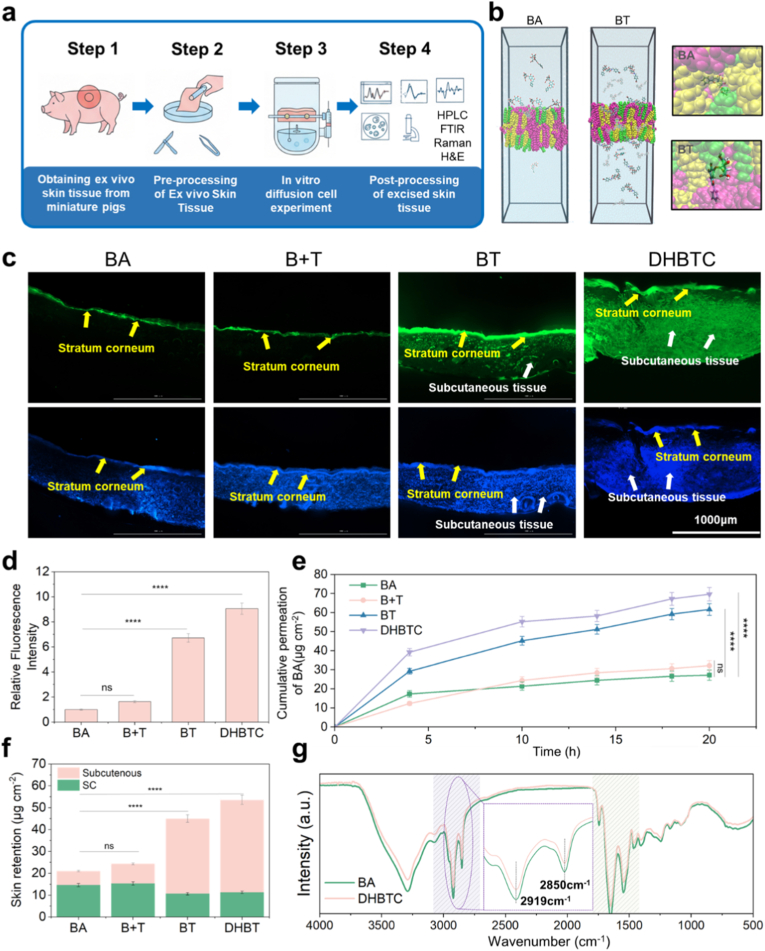 Figure 5
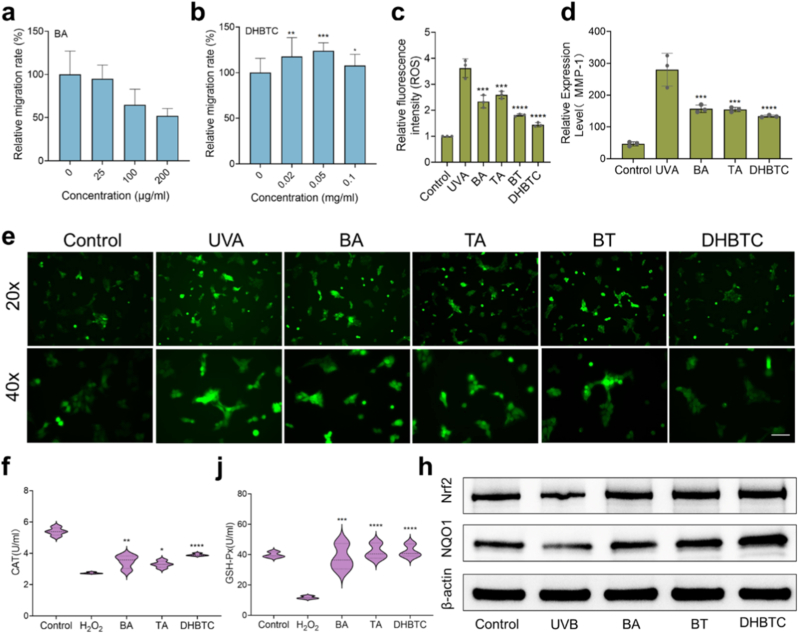 Figure 6
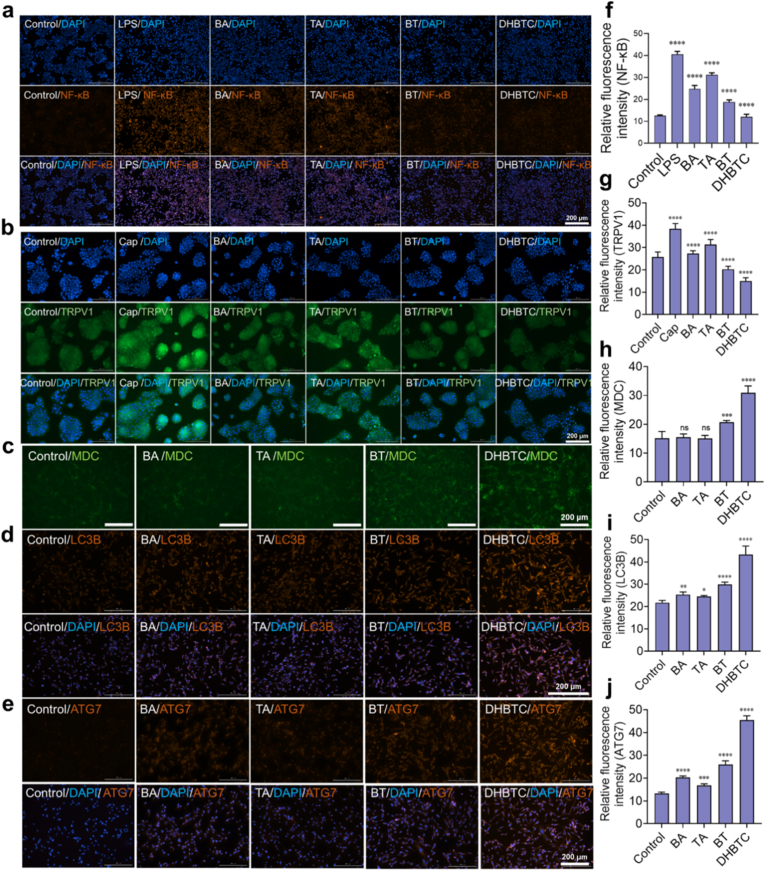 Figure 7
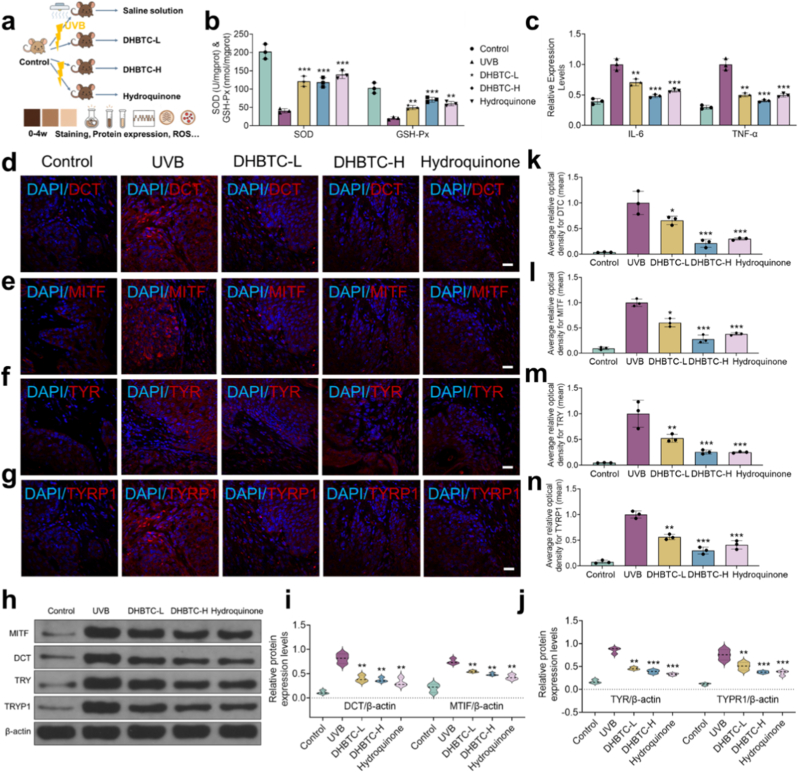 Figure 8
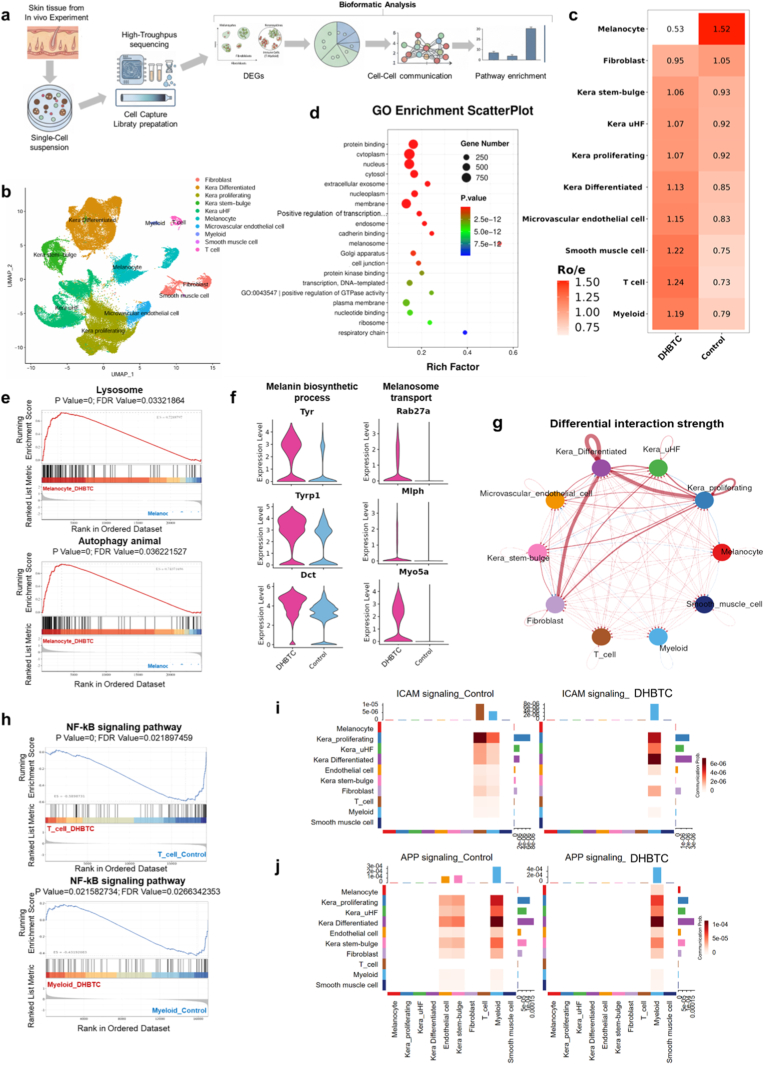 Figure 9
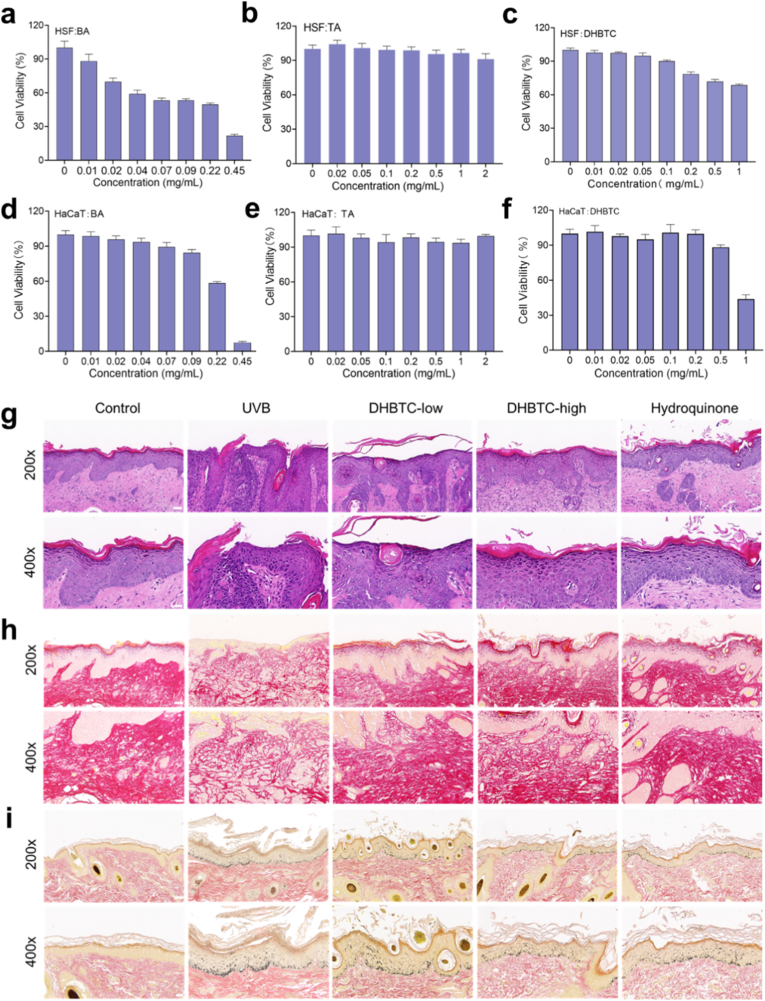 Figure 10
Peer Reviews
No public reviews on file for this paper yet. If you reviewed it on a platform where reviews are public (OpenReview, ICLR, NeurIPS, ICML), you can paste yours below so the community can read it here.
Videos
No videos yet. Explain this paper in a talk, walkthrough, or lecture? Add one.
Taxonomy
Topicsmelanin and skin pigmentation · Flavonoids in Medical Research · Glycosylation and Glycoproteins Research