Effects of a transformer-based AI-based application to support incontinence-associated dermatitis and pressure injury assessment, nursing care and documentation: Controlled pilot intervention study
Hannah Pinnekamp, Vanessa Priester, Johanna Steidle, Khalid Majjouti, Alexander Brehmer, Michaela Tapp-Herrenbrück, Michael Aleithe, Jens Kleesiek, Bernadette Hosters, Uli Fischer

TL;DR
This study tested an AI app to help nurses assess and manage wounds like pressure injuries and incontinence-related skin issues, finding it improved guideline adherence but not workload.
Contribution
The first controlled pilot study of a transformer-based AI app for nursing wound assessment and documentation in pressure injury and incontinence-associated dermatitis care.
Findings
The AI app increased guideline adherence and documentation time but did not reduce nursing task load.
AI predictions showed high accuracy in wound type identification but lower accuracy in wound category classification.
Nurse qualification and wound severity were significant predictors of care duration.
Abstract
Artificial intelligence (AI) is playing an increasingly important role in nursing care, including wound management. Differentiating pressure injuries from incontinence-associated dermatitis is clinically challenging, often leading to misclassification. Although AI-based wound assessment is advancing, few models specifically address incontinence-associated dermatitis, and clinical evidence remains limited. The KIADEKU project developed and piloted a transformer-based AI app to support care for these wounds. The aim of this pilot intervention study was to assess the impact of the AI-based app on duration of wound assessment, dressing changes, documentation, nursing staff task load, and guideline adherence. Secondary aims included evaluating the AI’s accuracy and app usability compared to standard systems. This monocentric, non-randomized controlled study was conducted in two sequential…
Genes, proteins, chemicals, diseases, species, mutations and cell lines named across the full text — each resolved to its canonical identifier and authoritative record.
Click any figure to enlarge with its caption.
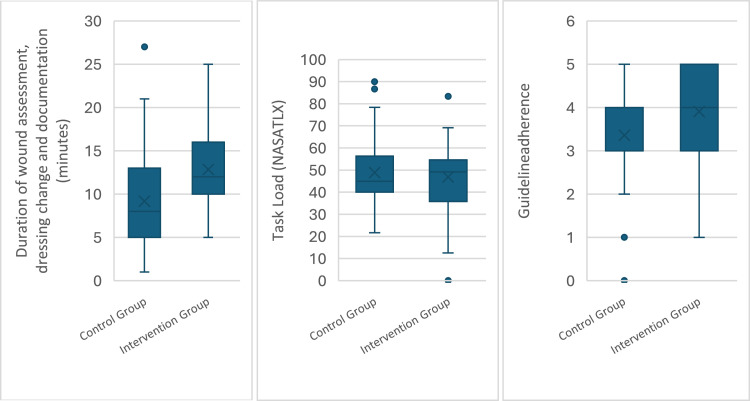 Figure 1
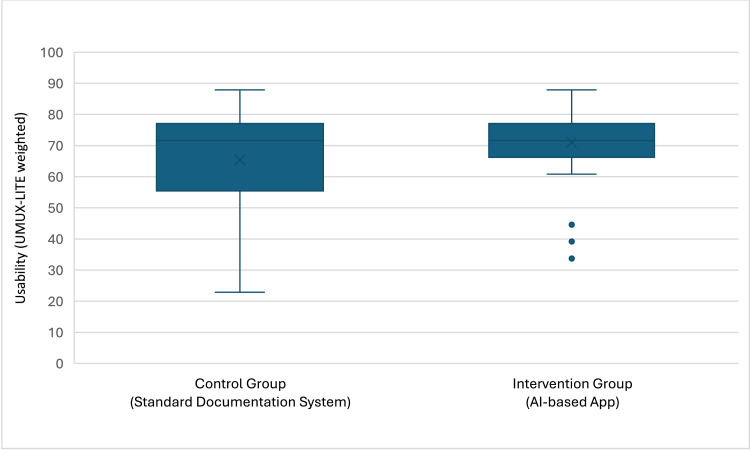 Figure 2
Peer Reviews
No public reviews on file for this paper yet. If you reviewed it on a platform where reviews are public (OpenReview, ICLR, NeurIPS, ICML), you can paste yours below so the community can read it here.
Videos
No videos yet. Explain this paper in a talk, walkthrough, or lecture? Add one.
Taxonomy
TopicsPressure Ulcer Prevention and Management · Pelvic floor disorders treatments · Stoma care and complications