Invasive Right Anomalous Coronary Arteries Assessment: Intravascular Ultrasound and Adenosine vs Dobutamine Fractional Flow Reserve
Anselm W. Stark, Adriana Ferroni, René L. Mathey-de-l’Endroit, Ryota Kakizaki, Marius R. Bigler, Flavio Giuseppe Biccirè, Marc Ilic, Isaac Shiri, Andreas Haeberlin, Matthias Siepe, Stephan Windecker, Lorenz Räber, Christoph Gräni

TL;DR
This study compares methods to assess blood flow in a rare heart condition, finding that adenosine-based FFR and IVUS can help reduce the need for more complex testing.
Contribution
The study introduces a potential alternative to complex dobutamine FFR testing for assessing right anomalous coronary arteries.
Findings
FFRAdenosine reliably ruled in hemodynamically relevant R-AAOCA with 100% specificity and positive predictive value.
IVUS-MLA effectively ruled out hemodynamically relevant R-AAOCA with 100% sensitivity and negative predictive value.
One-quarter of patients with R-AAOCA had hemodynamically relevant disease.
Abstract
In the right anomalous aortic origin of a coronary artery (R-AAOCA), invasive fractional flow reserve during dobutamine (FFRDobutamine) allows to assess dynamic interarterial/intramural compression that may lead to ischemia. However, FFRDobutamine requires expertise and is procedurally complex. Therefore, a simpler alternative is needed, but it remains uncertain whether routine intravascular ultrasound (IVUS) and standard FFR during adenosine (FFRAdenosine) can reliably determine hemodynamic relevance. This study aimed to compare the diagnostic accuracy of FFRAdenosine and IVUS-based minimal lumen area (IVUS-MLA) against the reference standard of FFRDobutamine for identifying hemodynamically relevant R-AAOCA. Consecutive patients of a single center were prospectively enrolled over 5 years (June 2020-June 2025) with R-AAOCA and interarterial/intramural course. All patients underwent…
Genes, proteins, chemicals, diseases, species, mutations and cell lines named across the full text — each resolved to its canonical identifier and authoritative record.
Click any figure to enlarge with its caption.
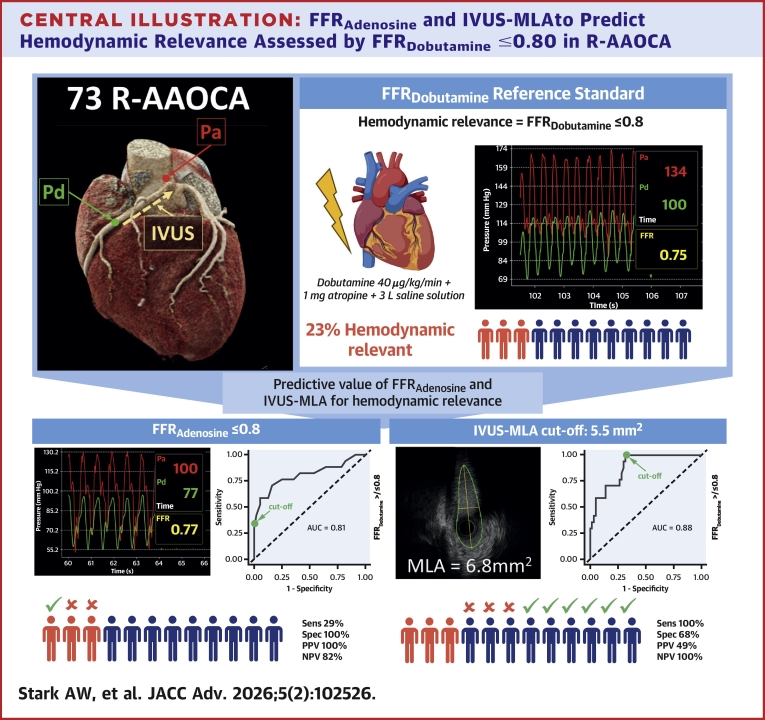 Figure 1
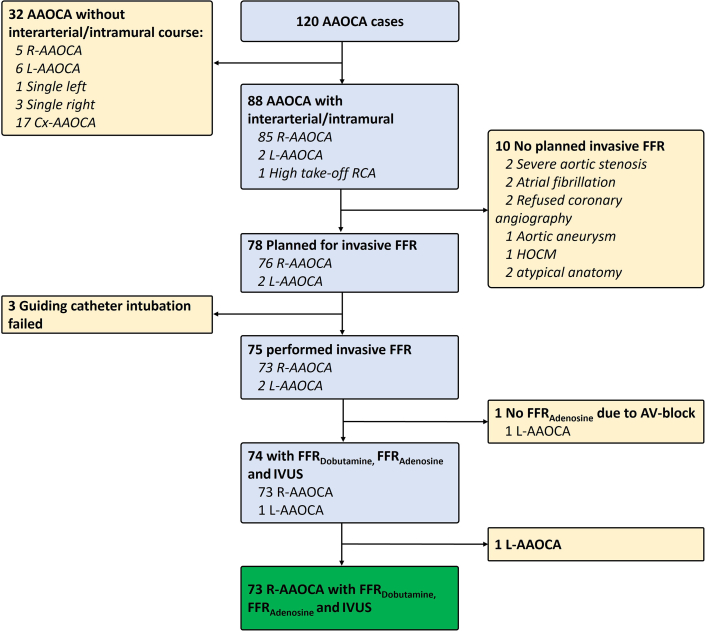 Figure 2
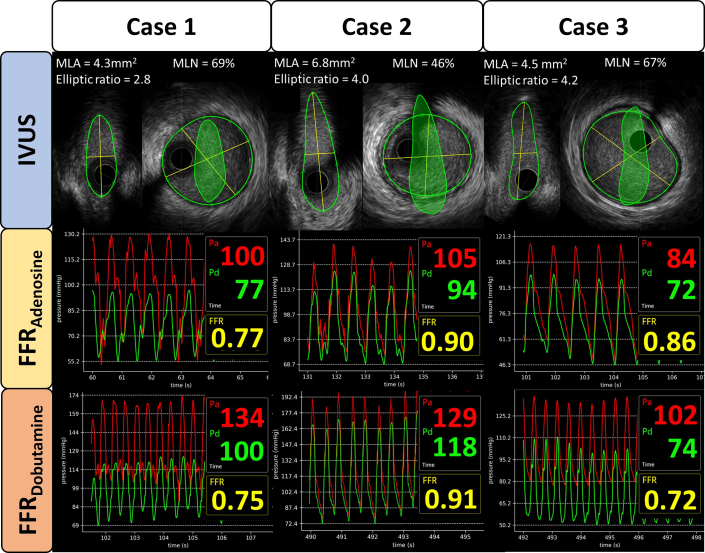 Figure 3
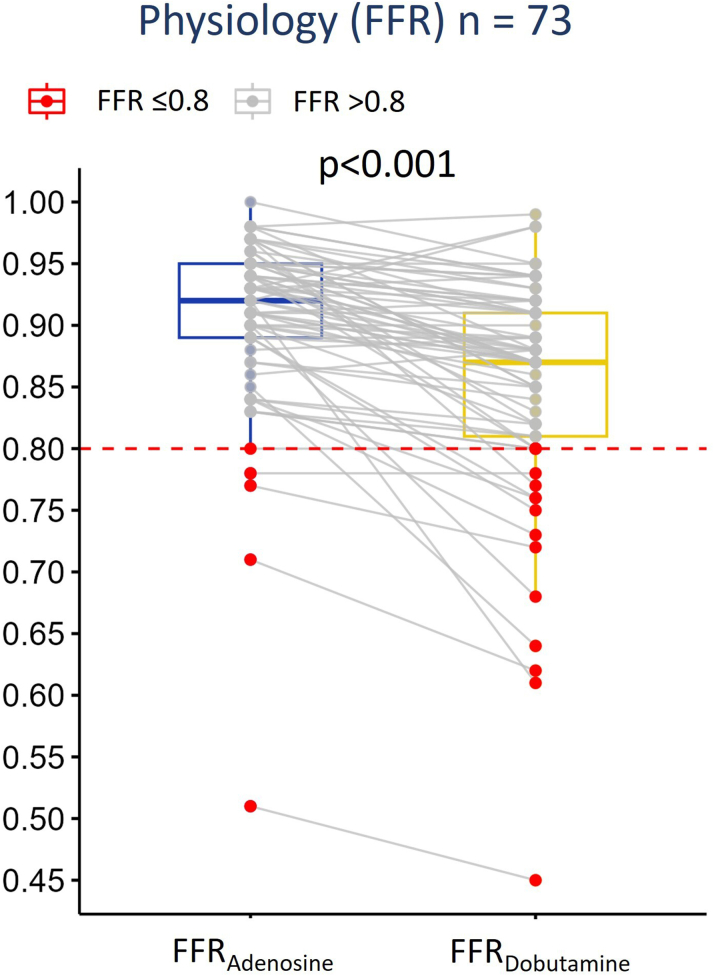 Figure 4
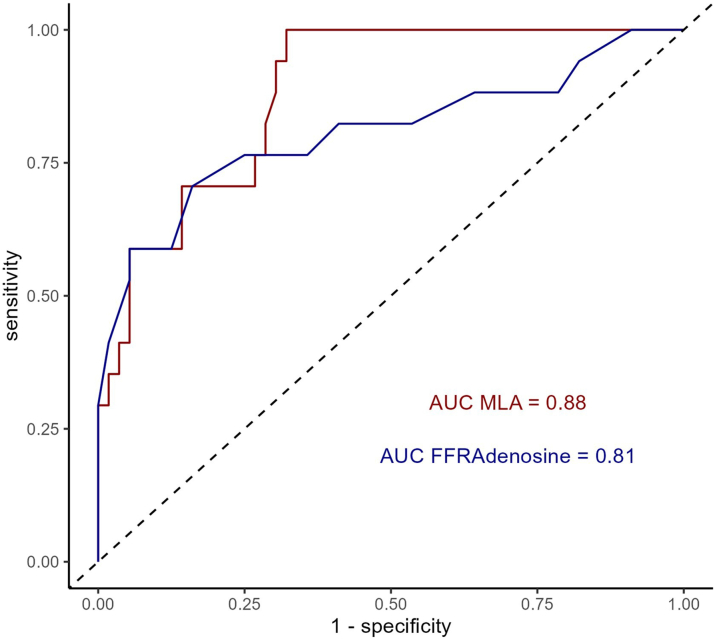 Figure 5
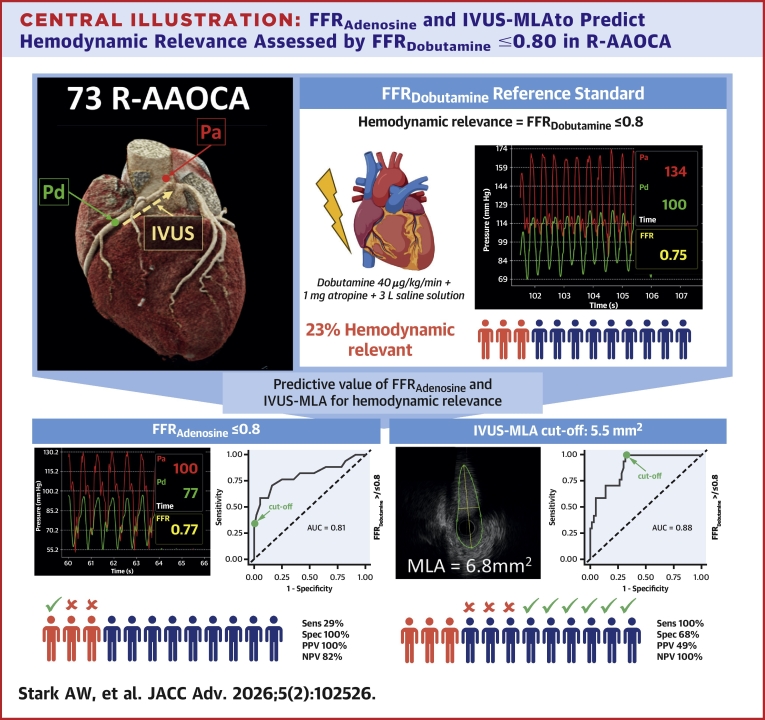 Figure 6
Peer Reviews
No public reviews on file for this paper yet. If you reviewed it on a platform where reviews are public (OpenReview, ICLR, NeurIPS, ICML), you can paste yours below so the community can read it here.
Videos
No videos yet. Explain this paper in a talk, walkthrough, or lecture? Add one.
Taxonomy
TopicsCoronary Artery Anomalies · Coronary Interventions and Diagnostics · Cardiovascular Issues in Pregnancy