Epithelial Gab1 Restricts Sepsis‐Induced Intestinal Injury by Orchestrating TNF/NF‐κB Axis
Wei Jin, Yanchuang Wu, Xiaoqing Cheng, Yu Pan, Lifeng He, Yun Xu, Jiaqi Xu, Xue Zhang

TL;DR
Gab1 protects intestinal cells from dying during sepsis by controlling inflammation and maintaining gut barrier function.
Contribution
Gab1's protective role in sepsis is revealed through its regulation of apoptosis and NF-κB signaling in intestinal epithelial cells.
Findings
Gab1 deficiency in intestinal epithelial cells increases susceptibility to sepsis and apoptosis.
Gab1 activates NF-κB to regulate apoptotic genes and sustain intestinal homeostasis.
Restoring Gab1 may offer therapeutic strategies for sepsis management.
Abstract
A series of intestine‐related alterations have been considered a key factor in triggering sepsis, with increased apoptosis of intestinal epithelial cells (IECs) notably contributing to this process. Compromised gut barrier due to IEC apoptosis promotes bacterial translocation and inflammatory responses, which in turn escalates to further IEC death and barrier defects. Nevertheless, the precise mechanisms that safeguard IECs from apoptosis and interrupt this vicious cycle are yet to be elucidated. Here, we report that Grb2‐associated binder 1 (Gab1) expression is diminished in the intestines of both septic patients and established sepsis models. Epithelial Gab1 deficiency rendered mice susceptible to lipopolysaccharide (LPS)‐induced sepsis by sensitizing IECs to apoptosis, thereby contributing to systemic inflammation and markedly exacerbating septic lethality. Mechanistically, Gab1…
Genes, proteins, chemicals, diseases, species, mutations and cell lines named across the full text — each resolved to its canonical identifier and authoritative record.
Click any figure to enlarge with its caption.
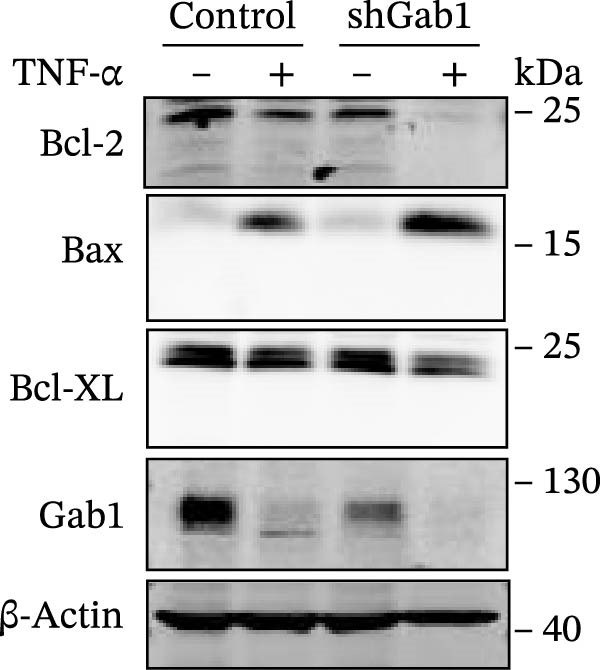 Figure 1
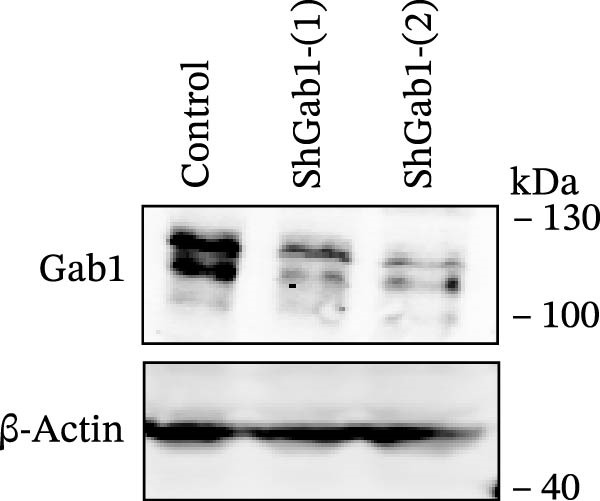 Figure 2
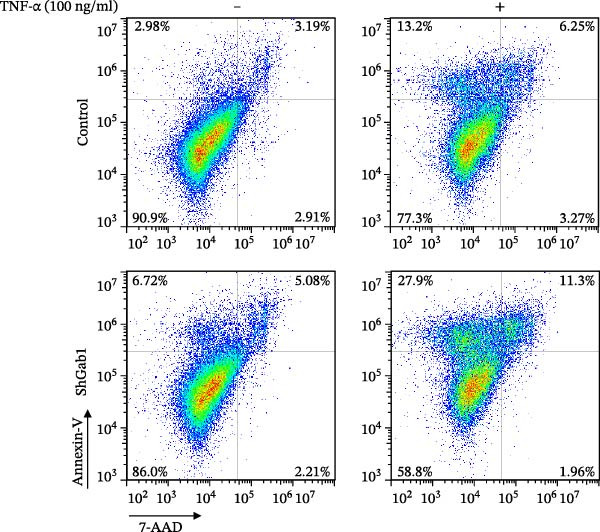 Figure 3
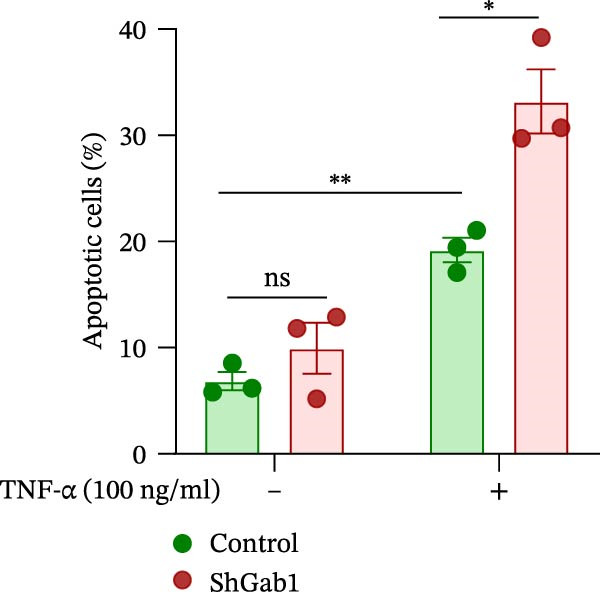 Figure 4
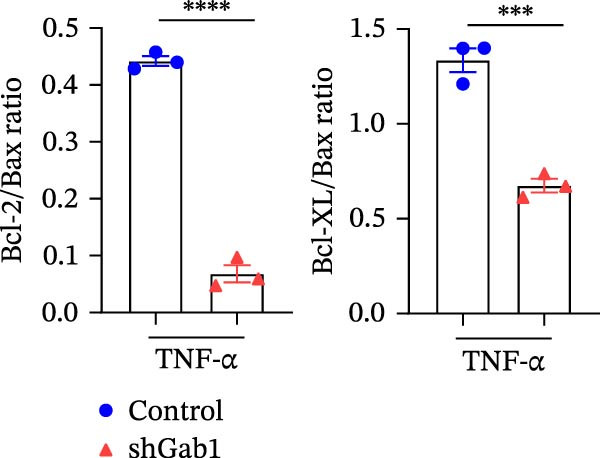 Figure 5
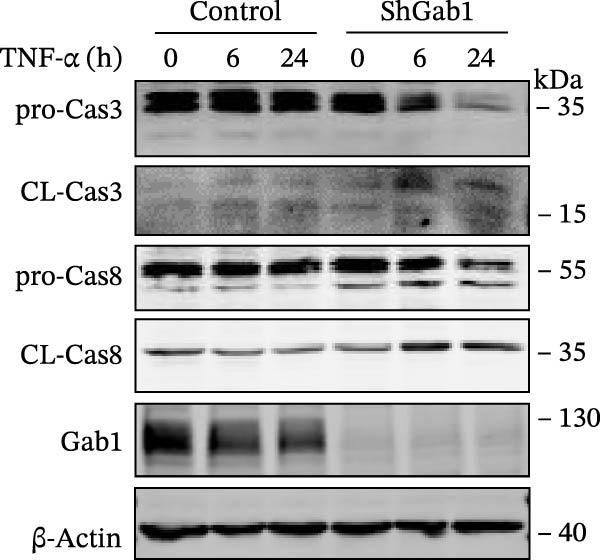 Figure 6
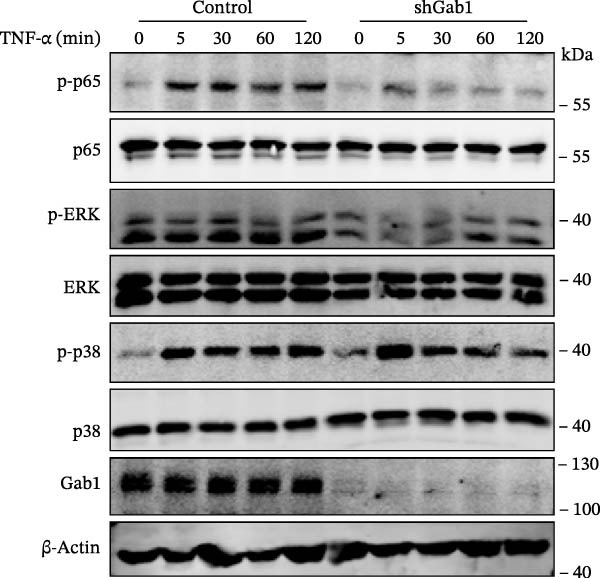 Figure 7
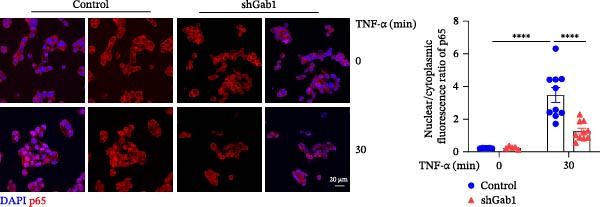 Figure 8
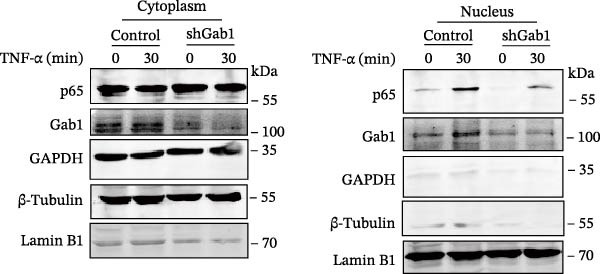 Figure 9
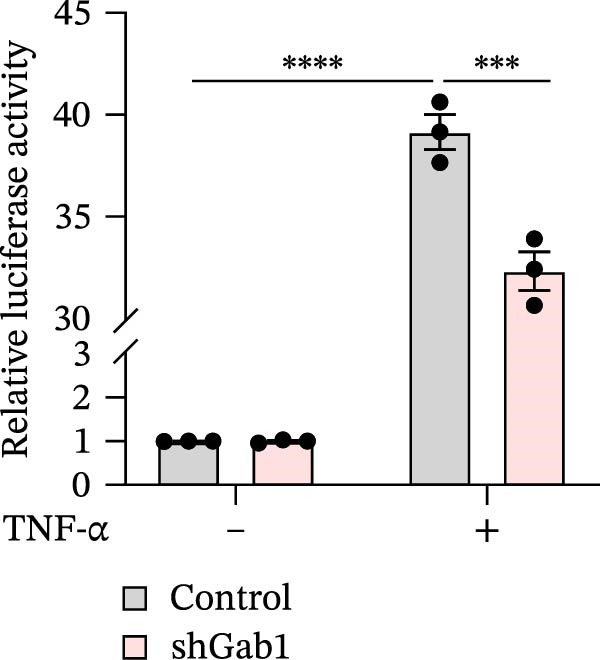 Figure 10
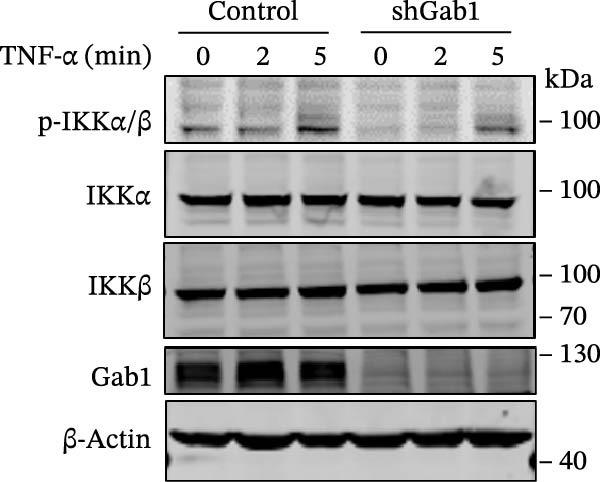 Figure 11
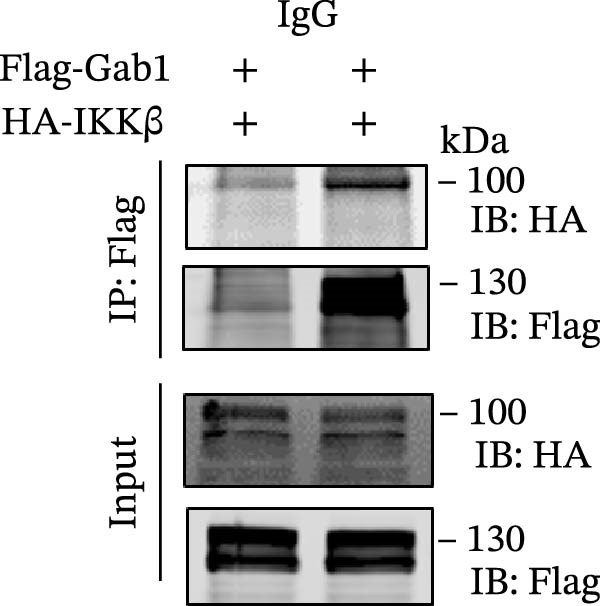 Figure 12
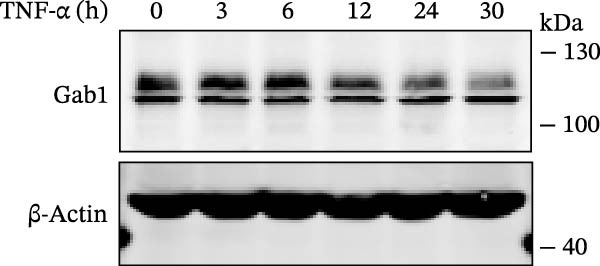 Figure 13
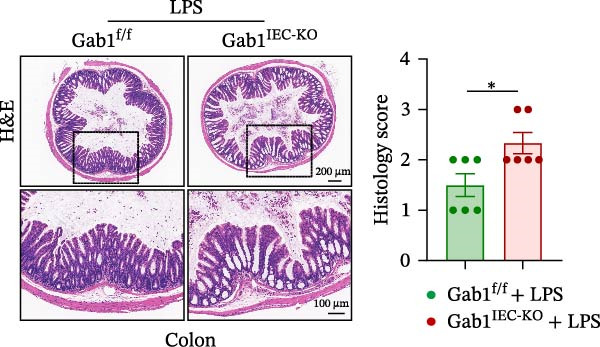 Figure 14
 Figure 15
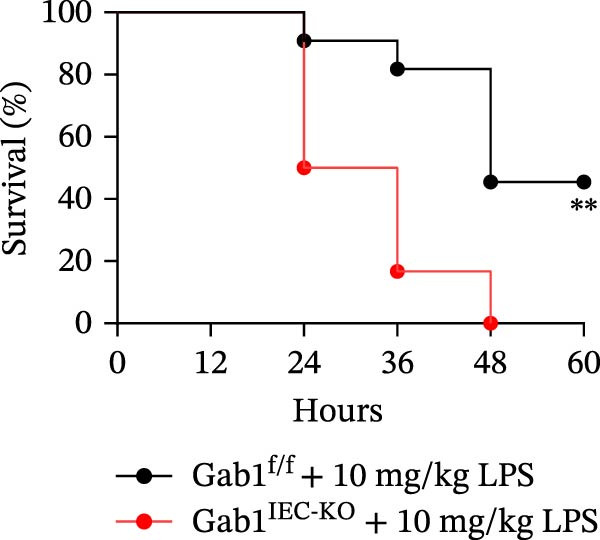 Figure 16
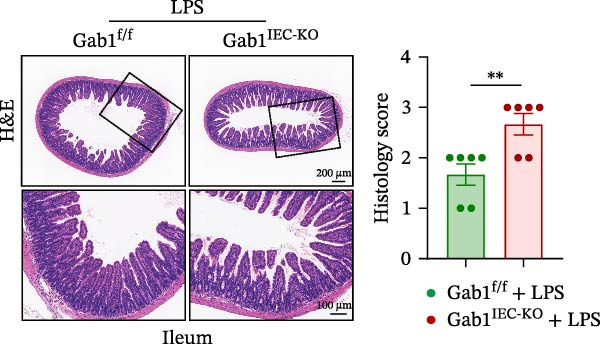 Figure 17
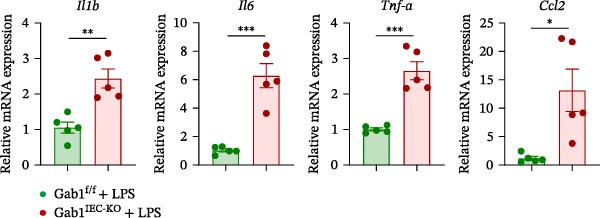 Figure 18
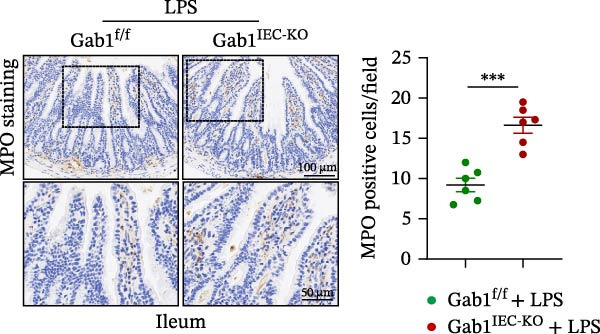 Figure 19
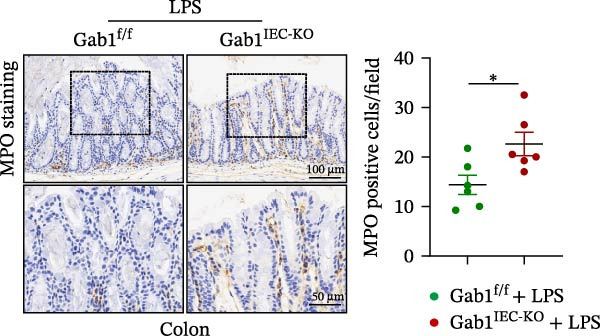 Figure 20
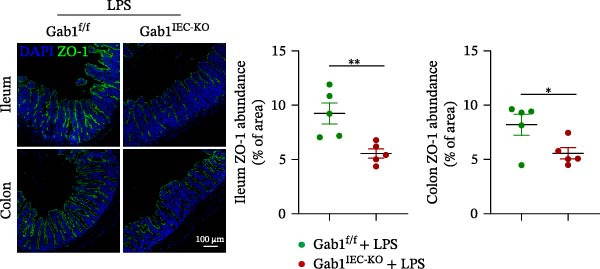 Figure 21
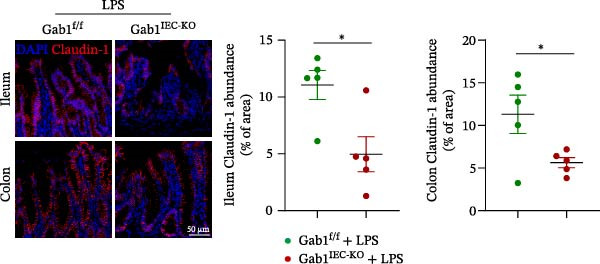 Figure 22
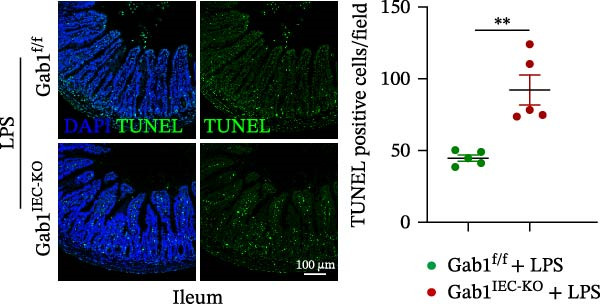 Figure 23
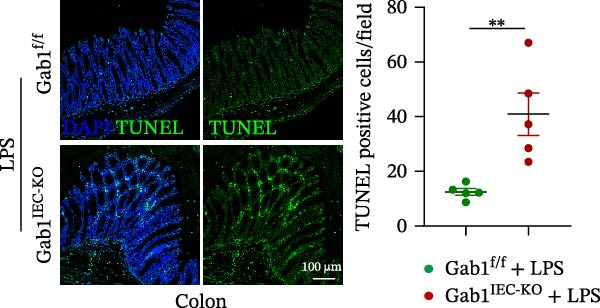 Figure 24
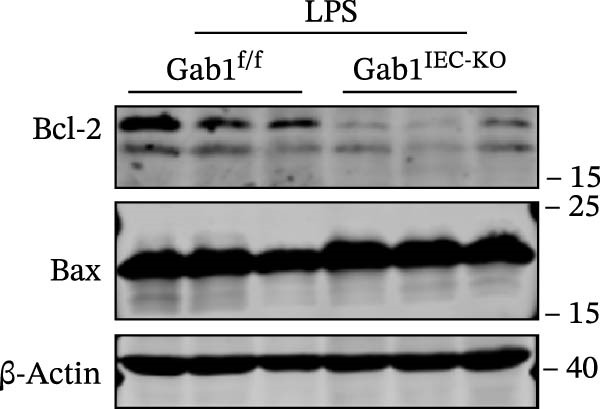 Figure 25
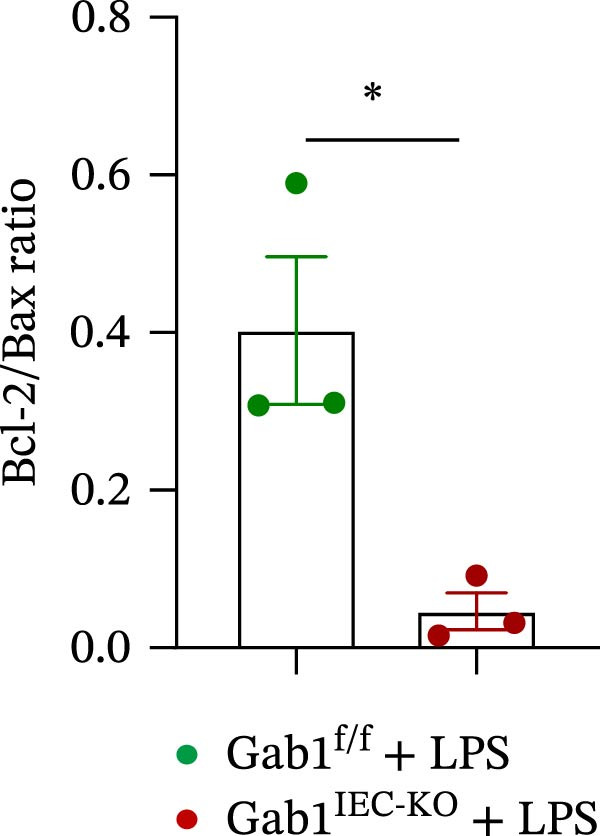 Figure 26
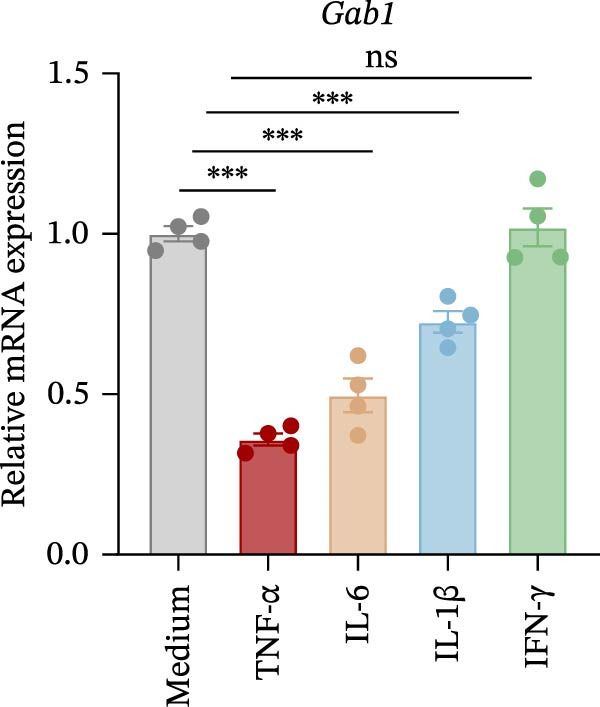 Figure 27
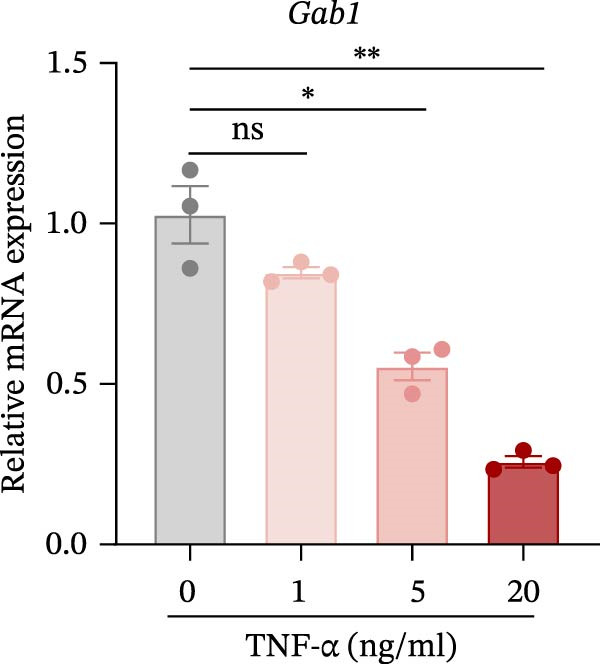 Figure 28
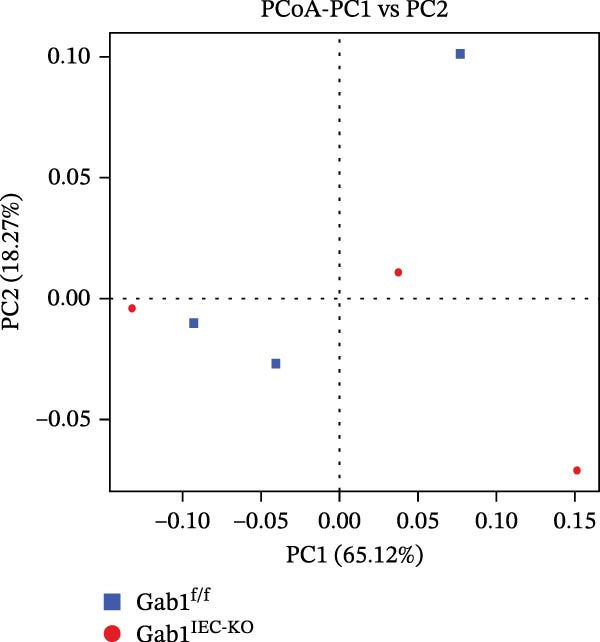 Figure 29
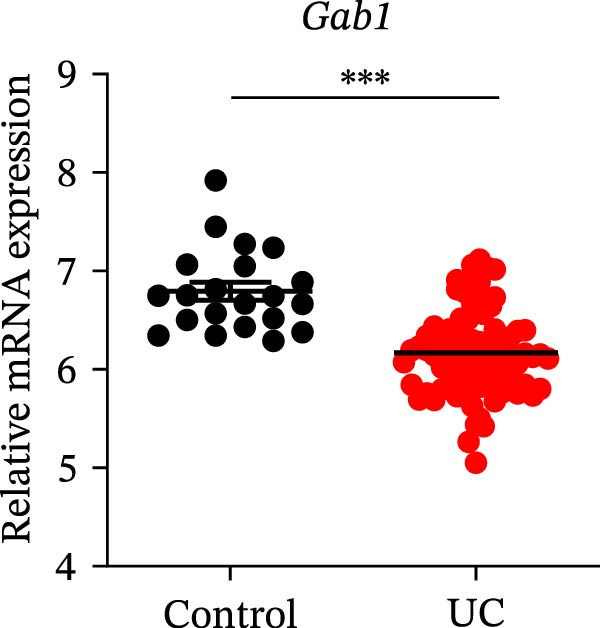 Figure 30
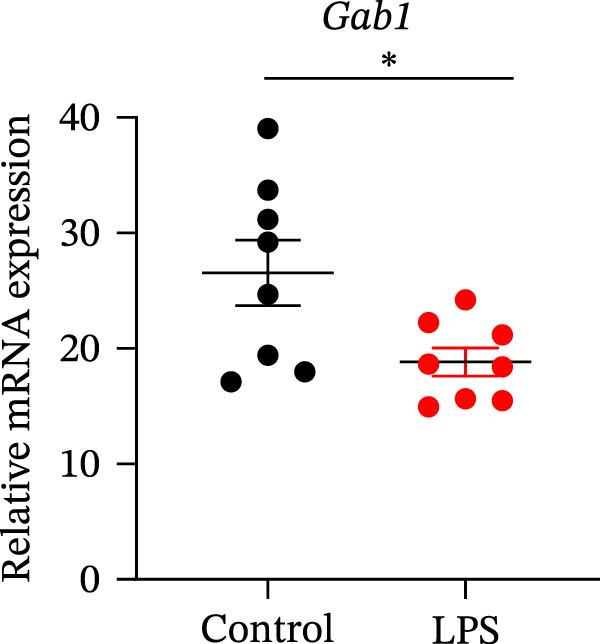 Figure 31
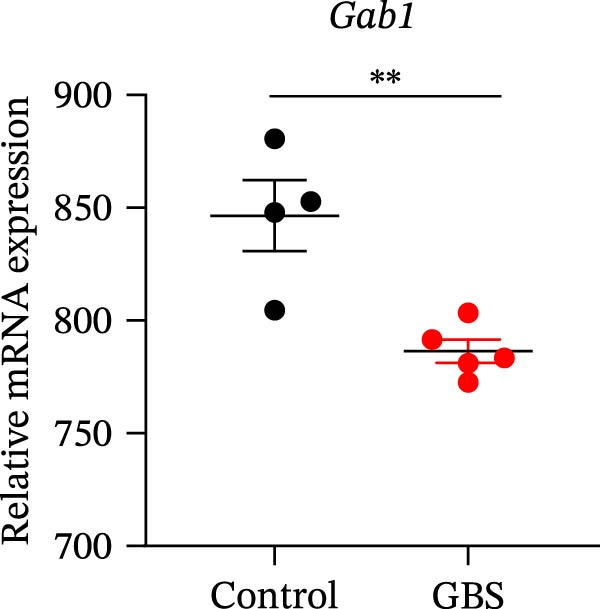 Figure 32
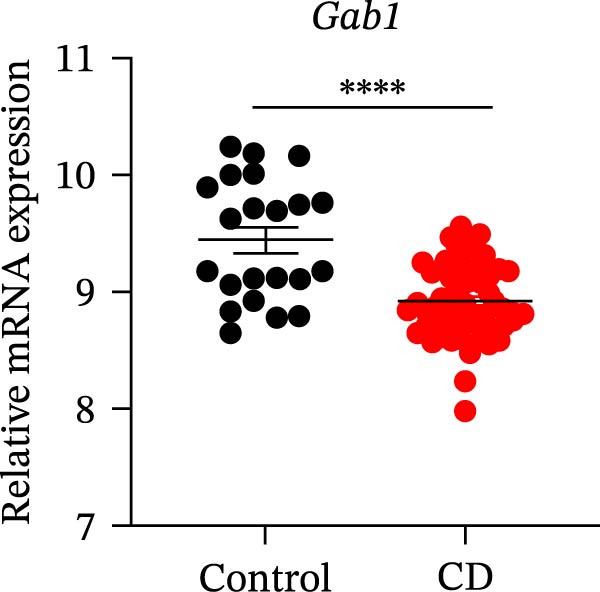 Figure 33
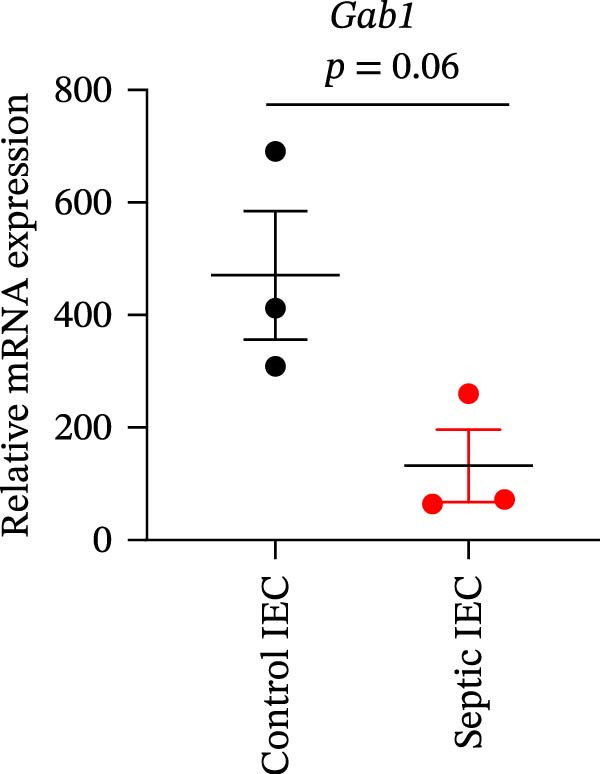 Figure 34
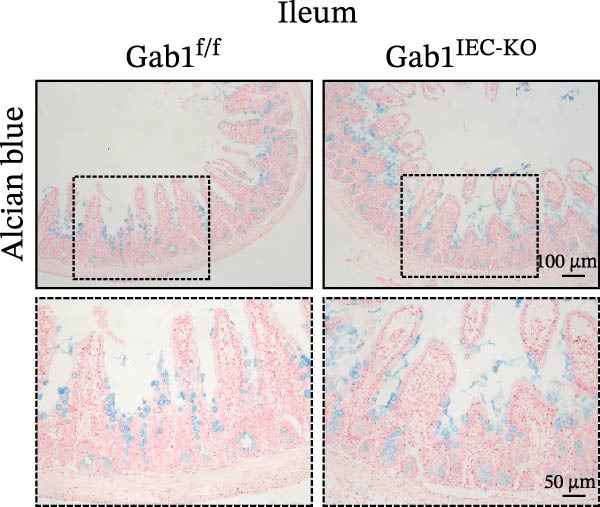 Figure 35
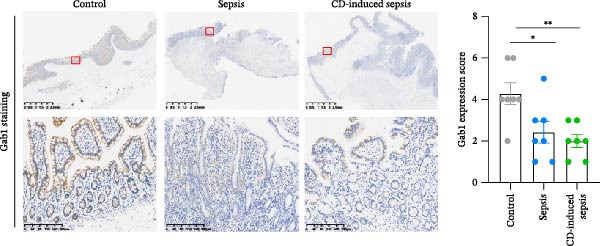 Figure 36
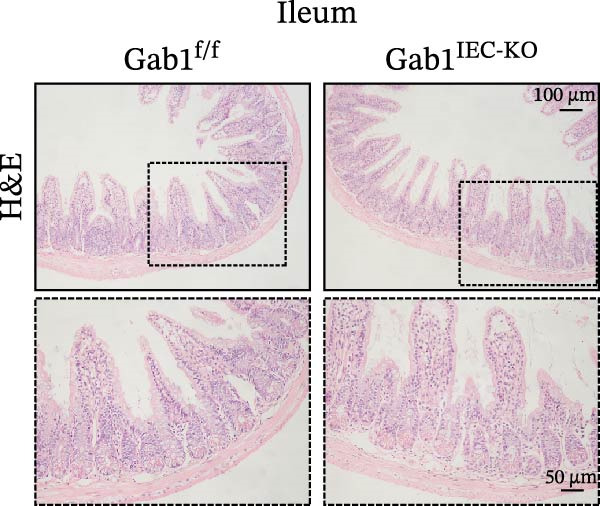 Figure 37
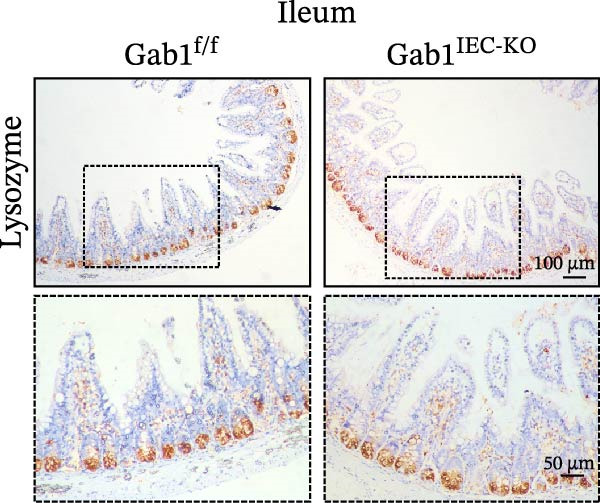 Figure 38
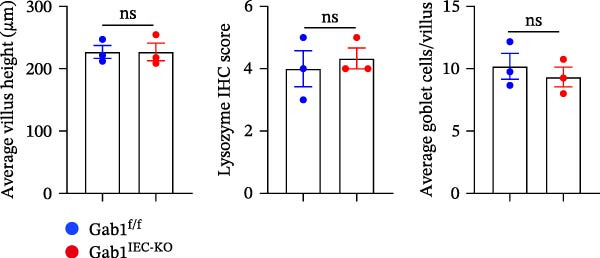 Figure 39
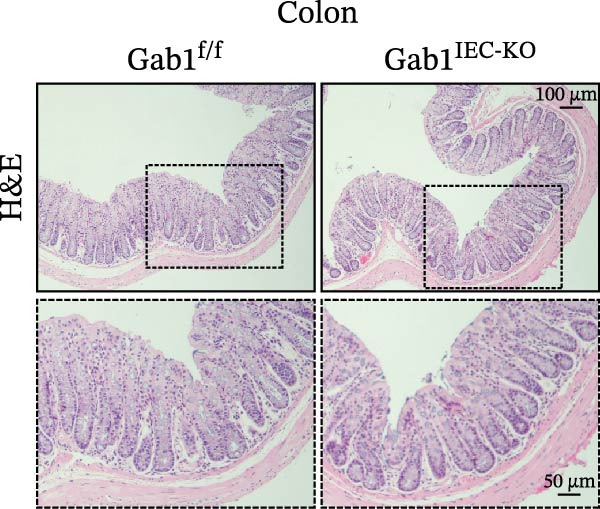 Figure 40
 Figure 41
 Figure 42
 Figure 43
 Figure 44
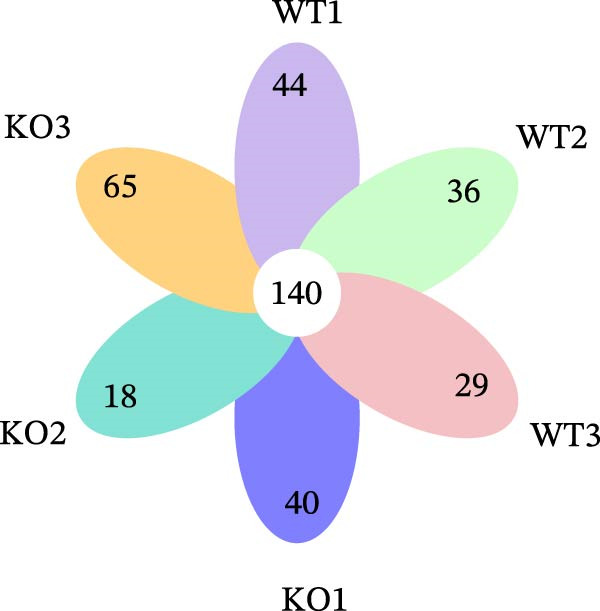 Figure 45
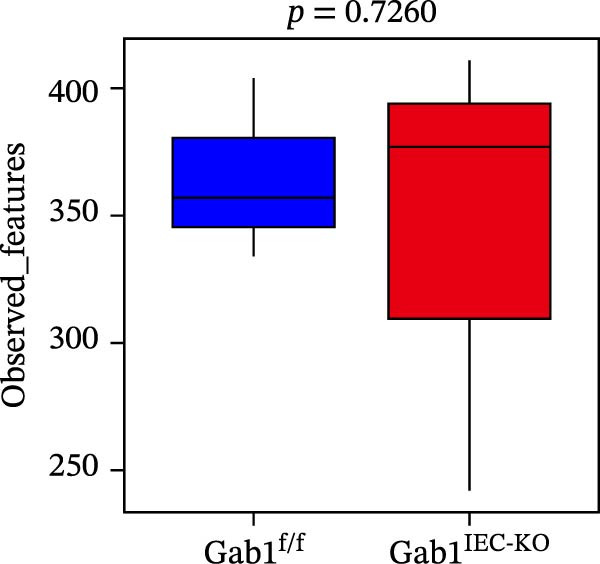 Figure 46
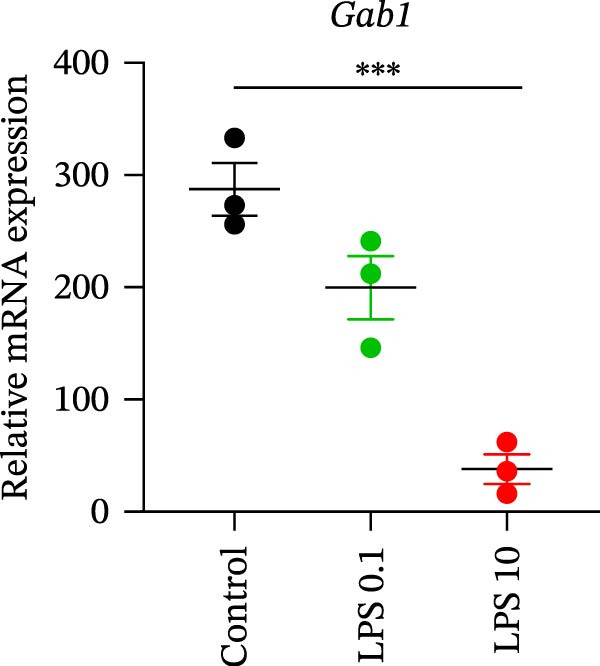 Figure 47
Peer Reviews
No public reviews on file for this paper yet. If you reviewed it on a platform where reviews are public (OpenReview, ICLR, NeurIPS, ICML), you can paste yours below so the community can read it here.
Videos
No videos yet. Explain this paper in a talk, walkthrough, or lecture? Add one.
Taxonomy
TopicsNF-κB Signaling Pathways · Immune Response and Inflammation · Protein Tyrosine Phosphatases