Rational Design of Novel Inhibitors: Integrating 3D‐QSAR and Molecular Dynamics
Neda Shakour, Aida Fayyaz, Farzin Hadizadeh, Saghi Sepehri

TL;DR
This paper introduces a computational strategy combining 3D-QSAR and molecular dynamics to design new triazole-based urease inhibitors for Helicobacter pylori.
Contribution
The study's novelty lies in integrating 3D-QSAR, CoMFA, CoMSIA, and MD simulations for rational drug design of urease inhibitors.
Findings
Pharmacophore models identified ZINC84668437, ZINC84669798, and ZINC244633273 as promising triazole-based urease inhibitors.
Molecular dynamics simulations confirmed the stability of ligand-urease complexes.
The integrated computational workflow provides a predictive framework for inhibitor design.
Abstract
This study presents an integrated computational framework that combines three‐dimensional quantitative structure–activity relationship (3D‐QSAR) modeling with molecular dynamics (MD) simulations to advance the rational design of triazole‐based urease inhibitors. Given the role of urease as a central virulence factor in Helicobacter pylori and its increasing relevance in antibiotic‐resistant infections, effective predictive methodologies are essential for early‐stage inhibitor development. A dataset of 54 triazole derivatives was examined using comparative molecular field analysis (CoMFA) and comparative molecular similarity indices analysis (CoMSIA), generating statistically robust and predictive models that elucidate the steric, hydrophobic, and hydrogen‐bonding features underlying inhibitory potency. These insights, supported by molecular docking and structure–activity relationship…
Genes, proteins, chemicals, diseases, species, mutations and cell lines named across the full text — each resolved to its canonical identifier and authoritative record.
Click any figure to enlarge with its caption.
 Figure 1
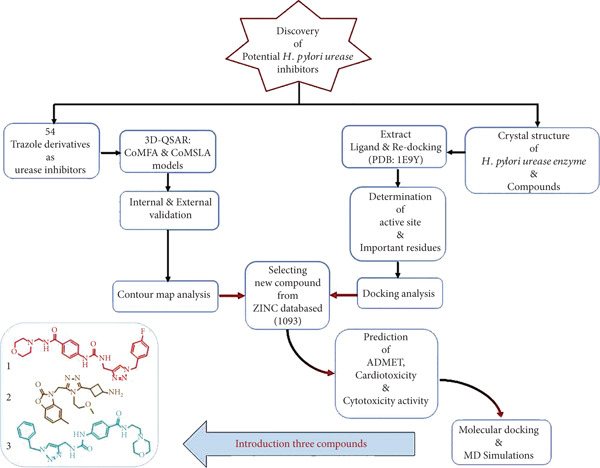 Figure 2
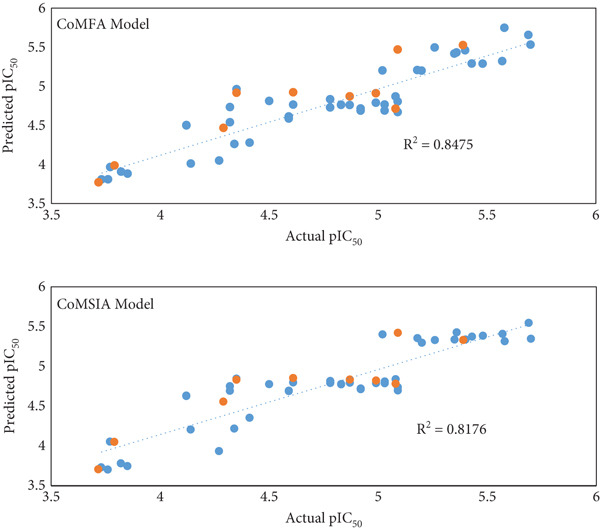 Figure 3
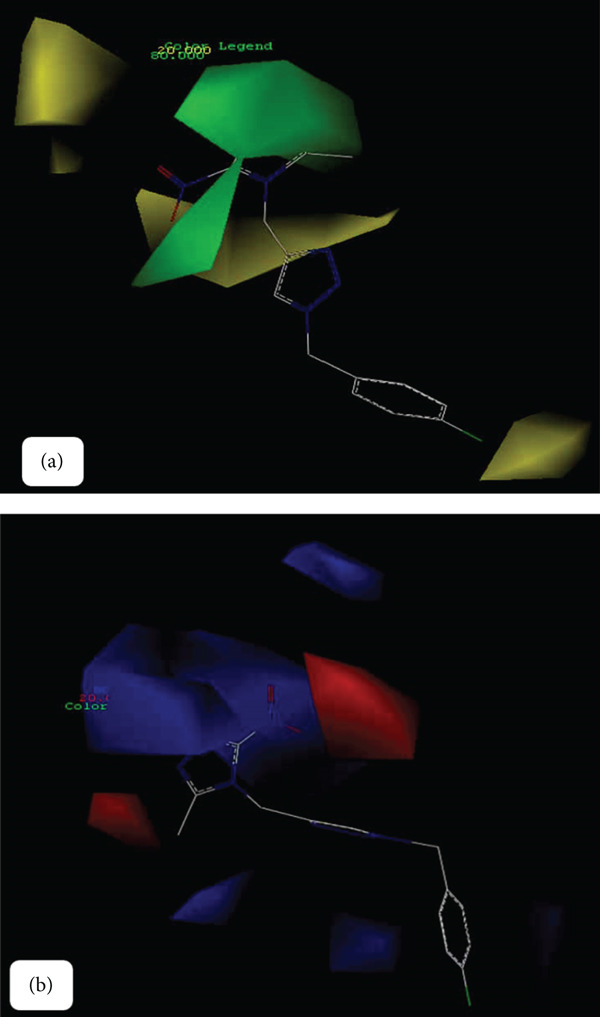 Figure 4
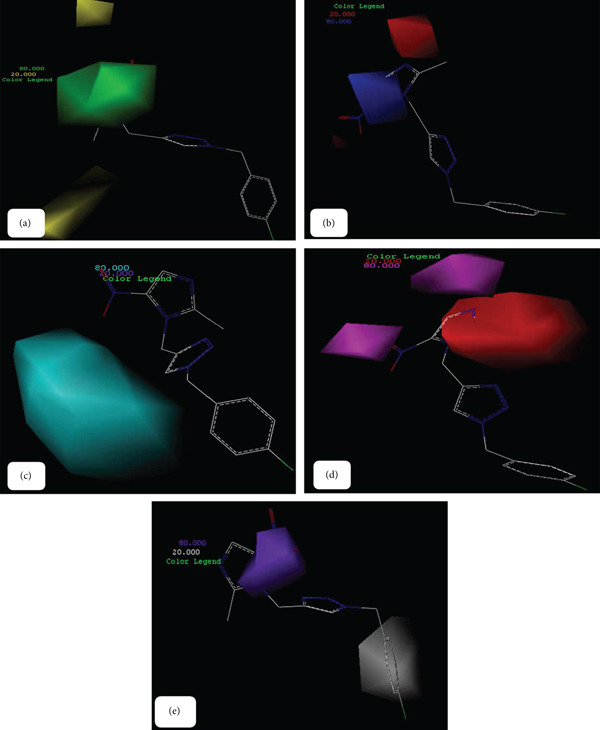 Figure 5
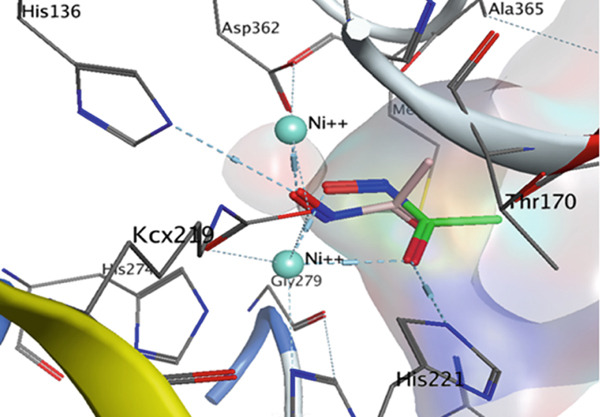 Figure 6
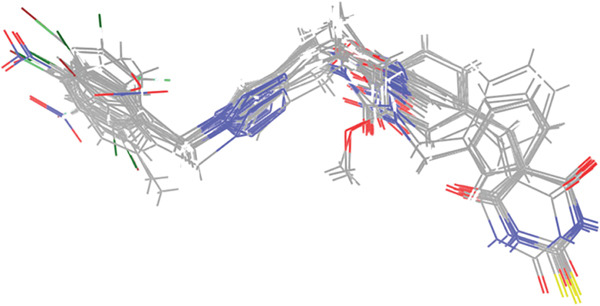 Figure 7
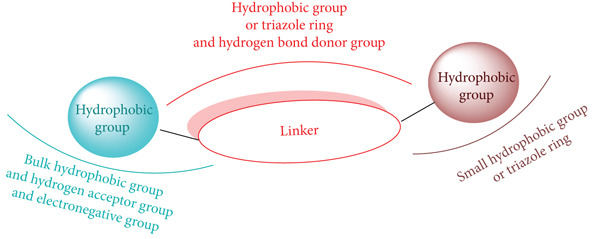 Figure 8
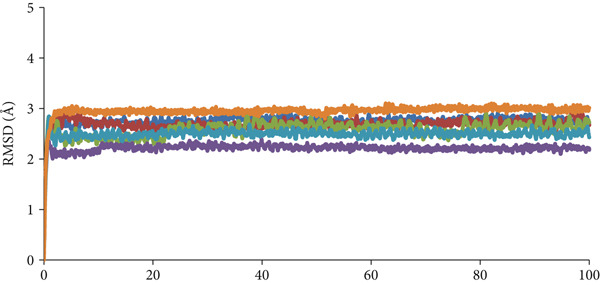 Figure 9
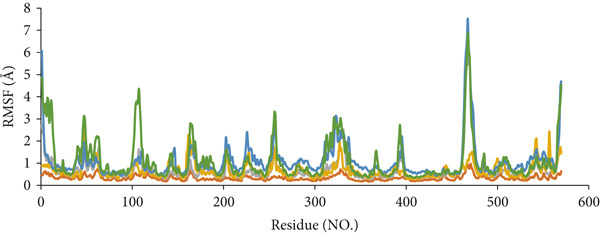 Figure 10
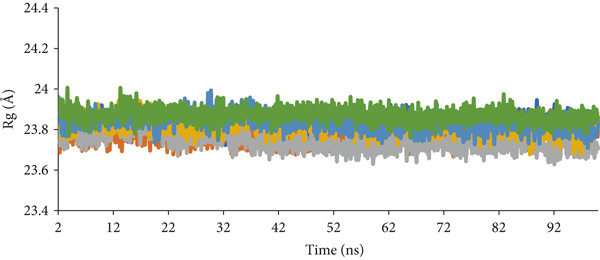 Figure 11
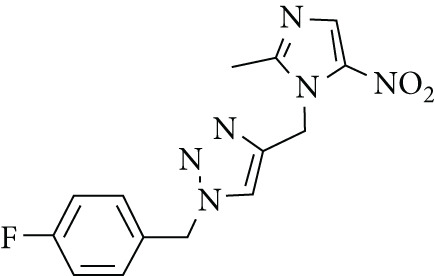 Figure 12
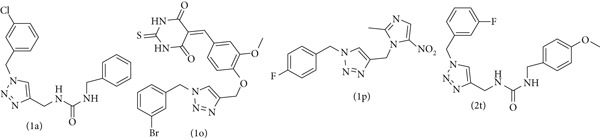 Figure 13
Peer Reviews
No public reviews on file for this paper yet. If you reviewed it on a platform where reviews are public (OpenReview, ICLR, NeurIPS, ICML), you can paste yours below so the community can read it here.
Videos
No videos yet. Explain this paper in a talk, walkthrough, or lecture? Add one.
Taxonomy
TopicsMicrobial Applications in Construction Materials · Computational Drug Discovery Methods · Helicobacter pylori-related gastroenterology studies