Automated Segmentation and Analysis of Histopathological Breast Cancer Images for Enhanced IDC Diagnosis and Assessment Using MobileNetV2+U‐Net With Label Propagation
Vijaylaxmi Inamdar, S. G. Shaila

TL;DR
This paper introduces an automated method for analyzing breast cancer histopathology images using a deep learning model to improve diagnosis accuracy and efficiency.
Contribution
A lightweight hybrid deep learning framework combining MobileNetV2, U-Net, and label propagation for precise IDC segmentation.
Findings
The model achieved high performance metrics (precision, Dice, F1, AUC) on BACH and BreakHis datasets.
It outperformed state-of-the-art models like DeepLabV3, Mask R-CNN, and Swin-UNet.
Cross-dataset validation confirmed robustness to domain shifts with a Dice of 92.10% and AUC of 93.70%.
Abstract
Breast cancer remains the most common cancer type among women, with invasive ductal carcinoma (IDC) responsible for almost 80% of cases. The exact histopathological segmentation of IDC is the premise of diagnosis, but manual observation of hematoxylin and eosin (H&E) stained slides is very time‐consuming and results in interobserver variability. This work presents an automated IDC segmentation method with a lightweight hybrid deep learning framework by integrating U‐Net with a MobileNetV2 encoder and a label propagation refinement module. This hybrid model leverages MobileNetV2′s efficient depth‐wise‐separable convolutions for feature extraction, U‐Net′s encoder–decoder precision for boundary localization, and the label propagation step enhances spatial smoothness and anatomical consistency. Experiments are conducted on the BACH 2018 and BreakHis datasets at multiple magnification…
Genes, proteins, chemicals, diseases, species, mutations and cell lines named across the full text — each resolved to its canonical identifier and authoritative record.
Click any figure to enlarge with its caption.
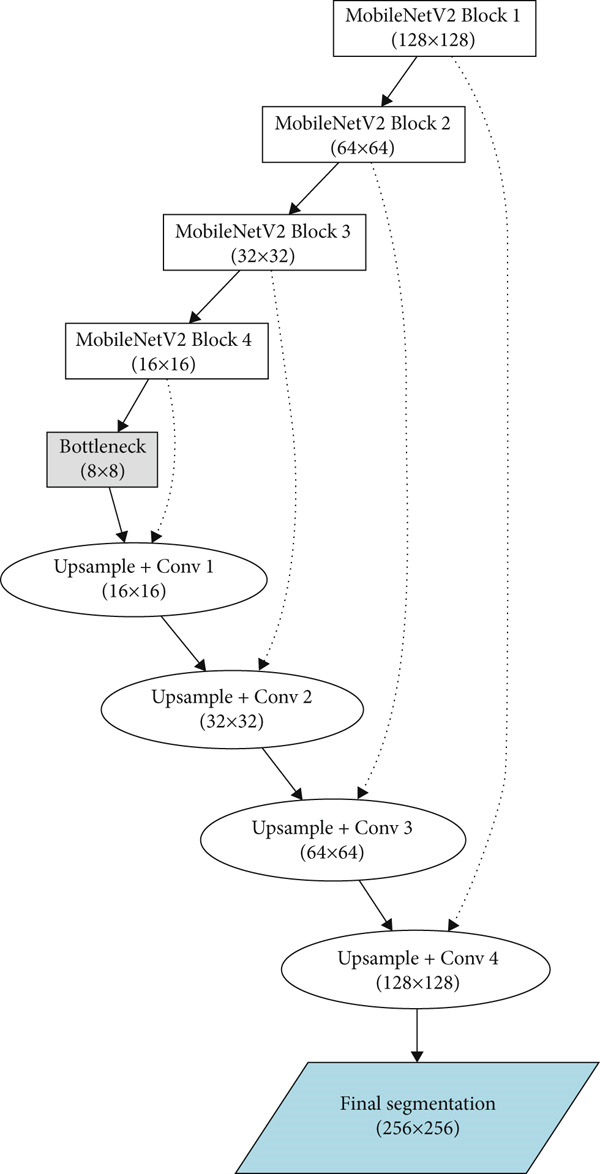 Figure 1
 Figure 2
 Figure 3
 Figure 4
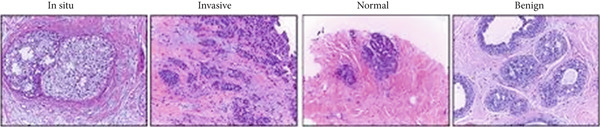 Figure 5
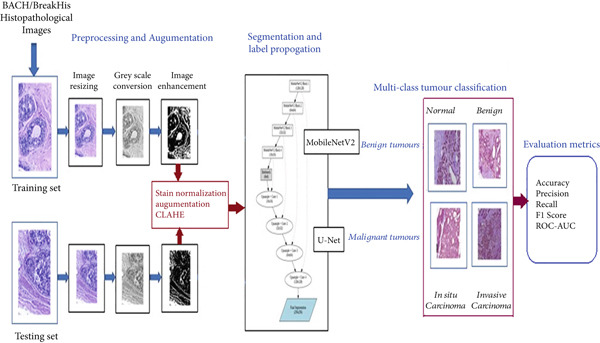 Figure 6
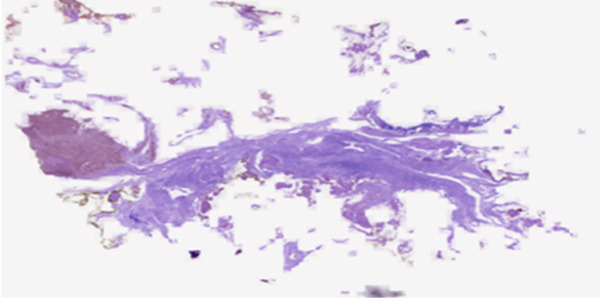 Figure 7
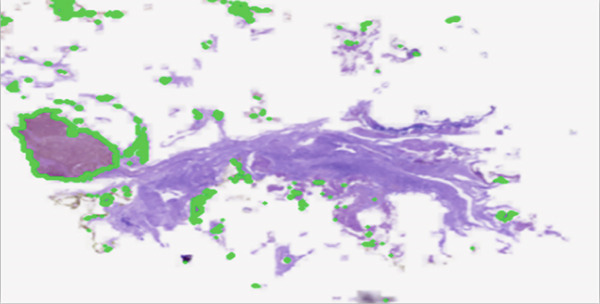 Figure 8
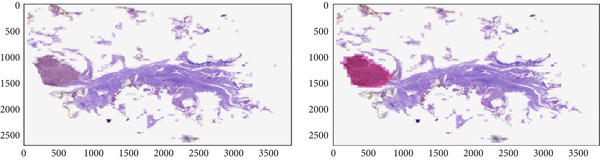 Figure 9
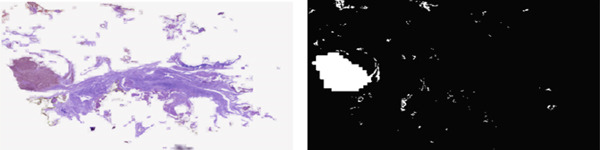 Figure 10
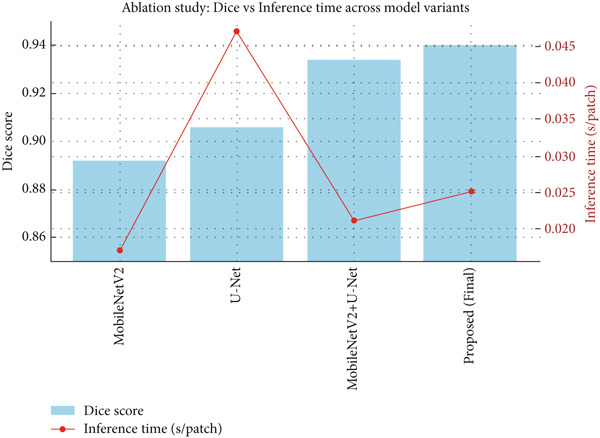 Figure 11
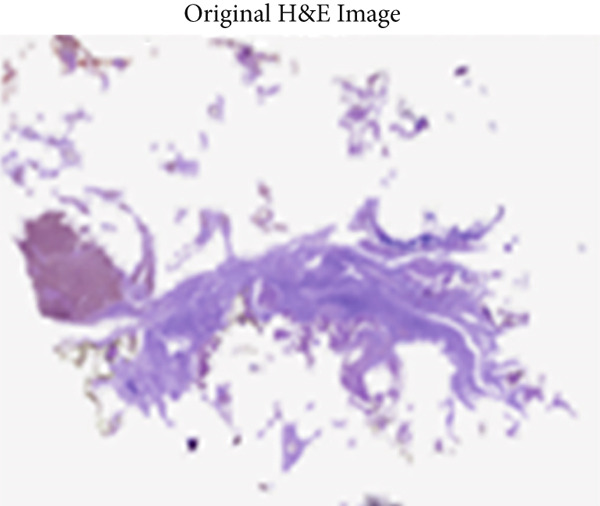 Figure 12
 Figure 13
 Figure 14
 Figure 15
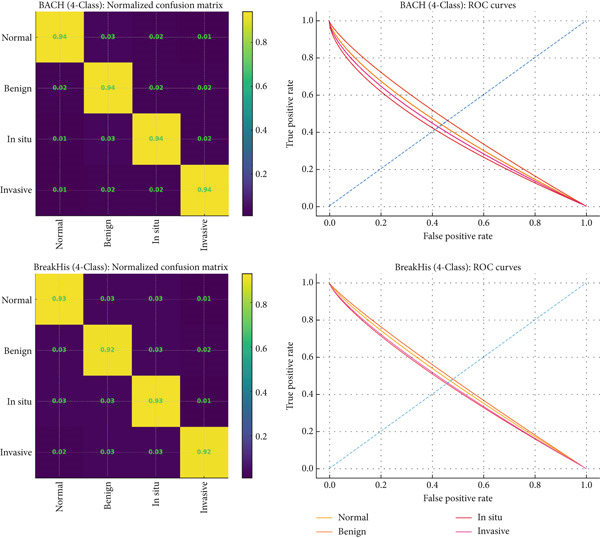 Figure 16
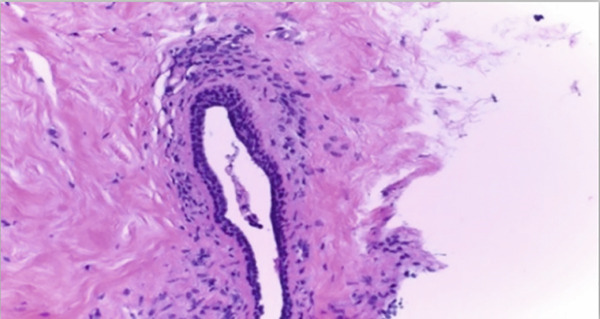 Figure 17
Peer Reviews
No public reviews on file for this paper yet. If you reviewed it on a platform where reviews are public (OpenReview, ICLR, NeurIPS, ICML), you can paste yours below so the community can read it here.
Videos
No videos yet. Explain this paper in a talk, walkthrough, or lecture? Add one.
Taxonomy
TopicsAI in cancer detection · Advanced Neural Network Applications · Digital Imaging for Blood Diseases