Aging-associated immune signature as a predictor of mortality in end-stage renal disease: results from the longitudinal iESRD study
Kai-Hsiang Shu, TienYu Owen Yang, Graham Pawelec, Feng-Jung Yang, Wan-Chuan Tsai, Yu-Sen Peng, Shih-Ping Hsu, Yi-Fang Chuang, Yen-Ling Chiu

TL;DR
This study found that immune aging patterns predict mortality in patients with end-stage kidney disease, independent of their actual age.
Contribution
The study identifies a specific immune aging signature (PC3) that independently predicts mortality in hemodialysis patients.
Findings
Deceased patients showed more advanced immune aging features compared to survivors.
PC3, marked by loss of naïve T cells and increased effector memory T cells and non-classical monocytes, was strongly linked to higher mortality risk.
Immune aging patterns retained prognostic value even after adjusting for chronological age.
Abstract
Accelerated immune aging has been implicated in patients with end-stage kidney disease, but a detailed examination of immune profiles correlated with long-term outcomes for these individuals has never been performed. Therefore, we conducted a prospective observational study (“Immunity in end-stage renal disease”, iESRD) to investigate the effects of immune aging on mortality among these patients. An exploratory panel of immune cell subsets was analyzed by flow cytometry at baseline (neutrophils, CD3-negative lymphocytes, CD4 and CD8 T cell differentiation stages, and three subsets of monocytes). Immune cell distribution patterns were identified through data-driven principal component analysis (PCA). A total of 409 hemodialysis patients (mean age 61.7 years, range 29.5–89.1) were enrolled and followed for three years, during which 75 deaths occurred. Compared with survivors, deceased…
Genes, proteins, chemicals, diseases, species, mutations and cell lines named across the full text — each resolved to its canonical identifier and authoritative record.
Click any figure to enlarge with its caption.
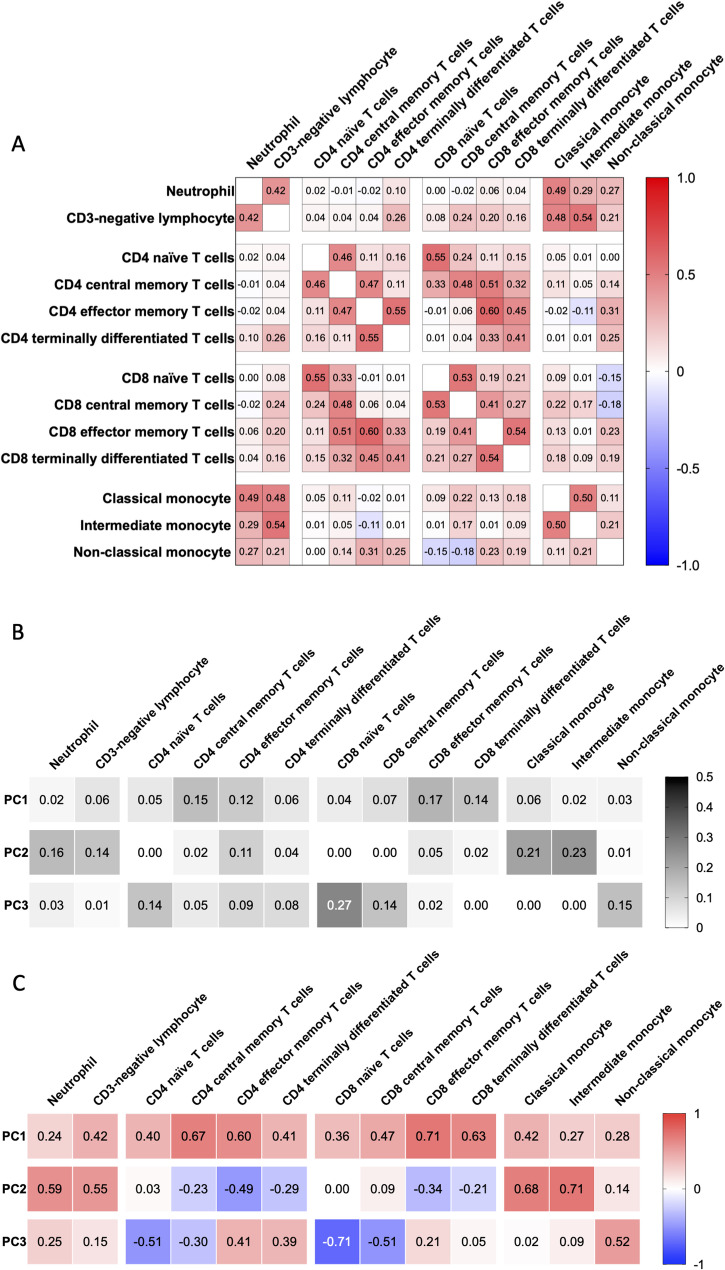 Figure 1
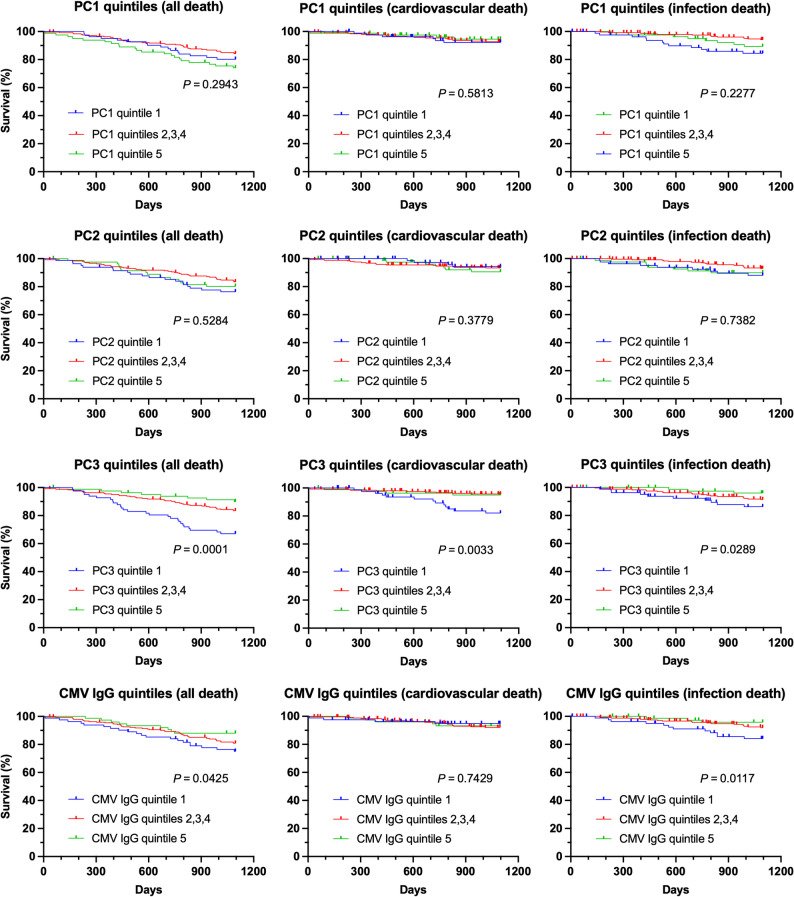 Figure 2
Peer Reviews
No public reviews on file for this paper yet. If you reviewed it on a platform where reviews are public (OpenReview, ICLR, NeurIPS, ICML), you can paste yours below so the community can read it here.
Videos
No videos yet. Explain this paper in a talk, walkthrough, or lecture? Add one.
Taxonomy
TopicsDialysis and Renal Disease Management · Single-cell and spatial transcriptomics · Chronic Kidney Disease and Diabetes