A mouse model of classical trigeminal neuralgia via intradural compression of the trigeminal nerve
Mostafa W. Abdulrahim, Yanxia Chen, Sumil K. Nair, Qian Xu, Yaowu Zhang, Oishika Das, Ryan Gensler, James Feghali, A. Karim Ahmed, Christopher M. Jackson, Judy Huang, Youssef G. Comair, Chetan Bettegowda, Xinzhong Dong, Risheng Xu

TL;DR
A new mouse model of trigeminal neuralgia replicates human anatomy and symptoms, offering a platform for studying pain mechanisms and testing therapies.
Contribution
A novel mouse model of classical trigeminal neuralgia with intradural nerve root compression and translational behavioral and mechanistic features.
Findings
The model shows orofacial neuropathic pain behaviors, including increased facial wiping and reduced reward interaction.
Carbamazepine reduced pain behaviors, aligning with clinical treatment responses.
TG showed heightened calcium activity, altered electrophysiology, and neuroinflammation markers like CD45+ cells and CGRP.
Abstract
Trigeminal neuralgia (TN) is a debilitating orofacial pain condition that adversely affects quality of life. Although heterogeneous, the most common form of TN is classical TN, characterized by paroxysmal bouts of pain in response to otherwise innocuous stimuli. It is believed that classical TN results from neurovascular compression of the trigeminal nerve. However, the underlying pathophysiology of TN is not well understood, thus limiting the development of targeted therapies. Current animal models lack translational relevance, particularly in their inability to replicate intradural nerve root compression, a core anatomic component of TN. We developed a TN mouse model that achieves intradural nerve root compression via a retro-orbital approach confirmed by anatomic dissection and magnetic resonance imaging. To assess behavioral outcomes, we measured orofacial pain through facial…
Genes, proteins, chemicals, diseases, species, mutations and cell lines named across the full text — each resolved to its canonical identifier and authoritative record.
Click any figure to enlarge with its caption.
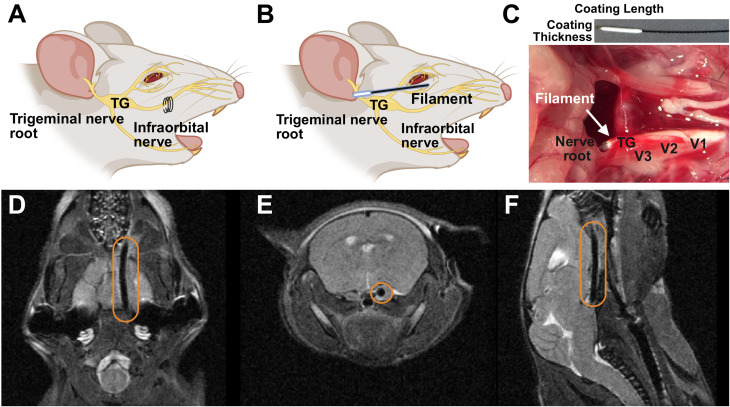 Figure 1
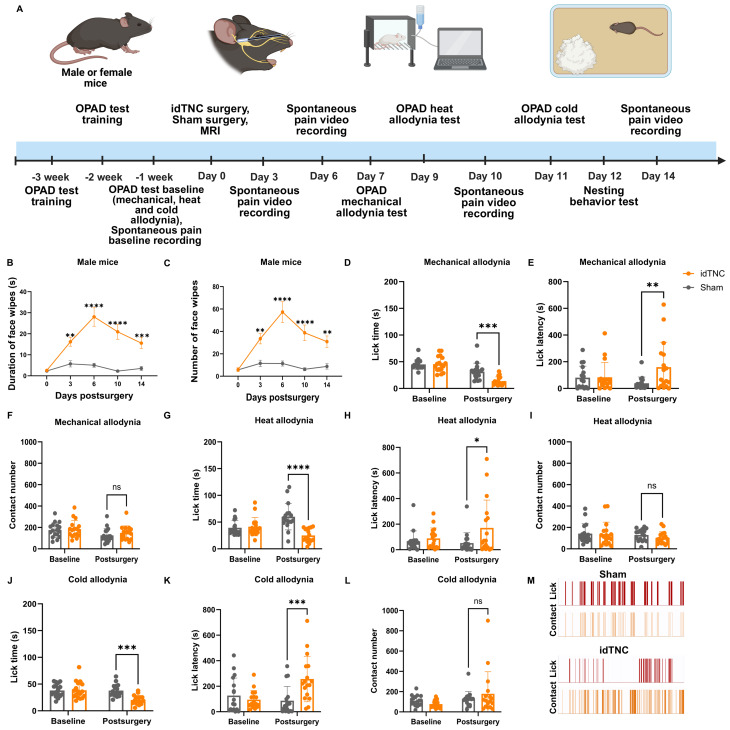 Figure 2
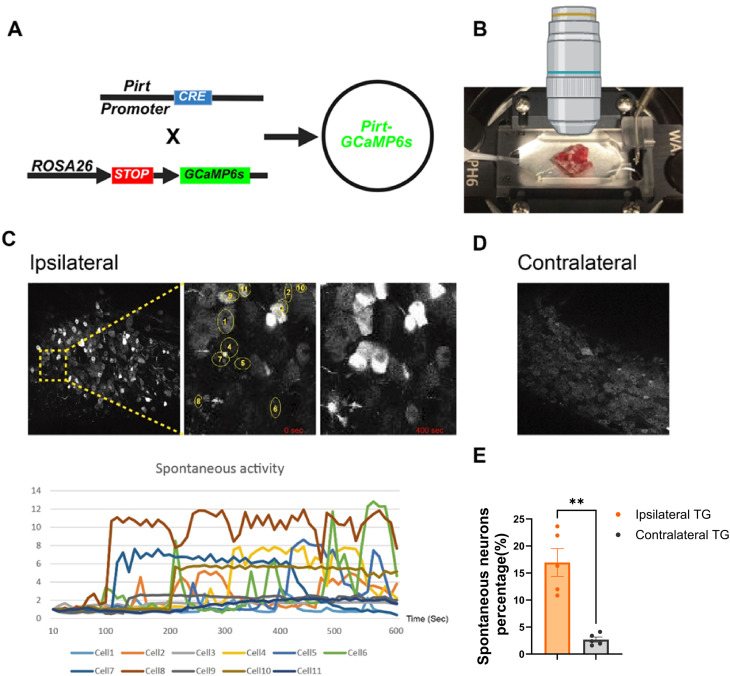 Figure 3
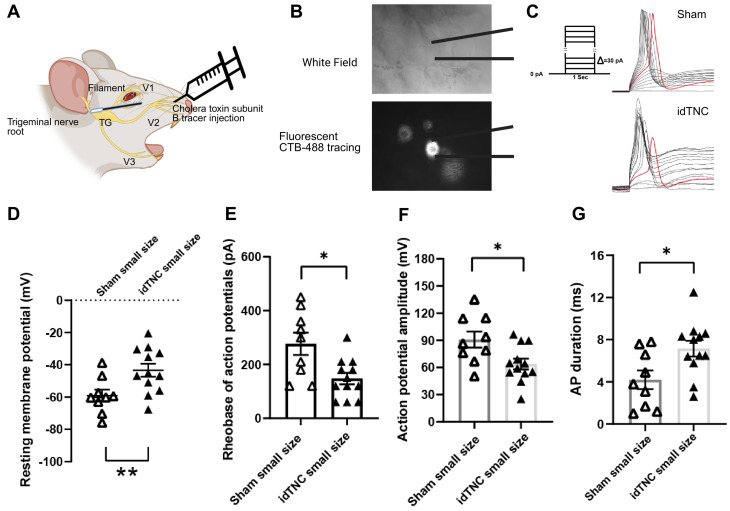 Figure 4
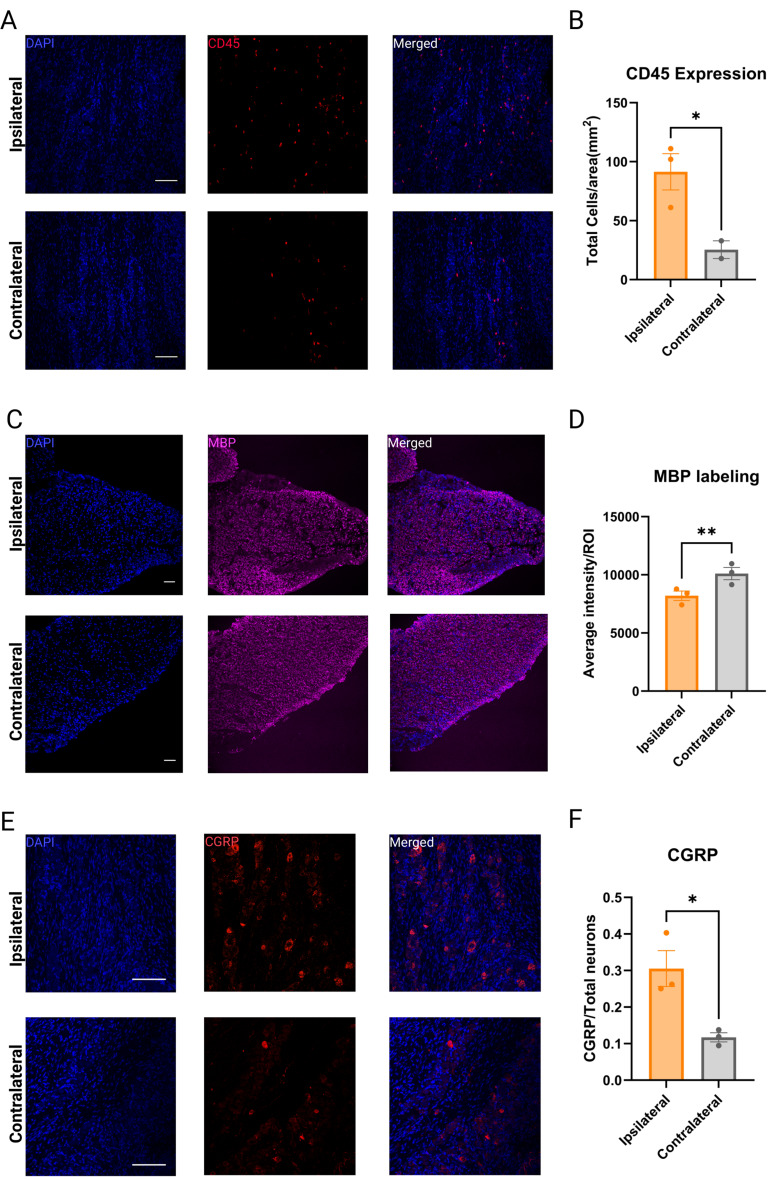 Figure 5
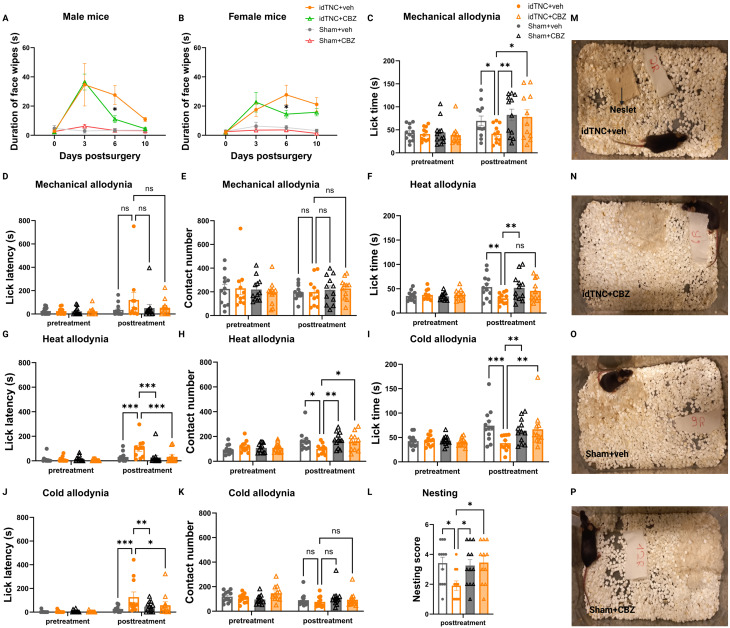 Figure 6
Peer Reviews
No public reviews on file for this paper yet. If you reviewed it on a platform where reviews are public (OpenReview, ICLR, NeurIPS, ICML), you can paste yours below so the community can read it here.
Videos
No videos yet. Explain this paper in a talk, walkthrough, or lecture? Add one.
Taxonomy
TopicsTrigeminal Neuralgia and Treatments · Pain Mechanisms and Treatments · Migraine and Headache Studies