Tibial periosteal distraction for ischemic leg ulcers: animal and clinical cohort study
Peilin Zhou, Wenqiang Wang, Yi You, Nian Zhou, Taifeng Zhang, Jiangtao Yang, Xiang Chen, Linghui Tang, Meng Gan, Wei Xu, Wengao Wu, Boyang Liu, Huiyan Liu, Xiaochong Zou, Yongzhen Liu, Xiao Peng, Lu Wei, Xingyu Chen, Feng Yang, Yueyue Zhu, Ruibin Feng, Xiaoping Yu, Junliang Ye

TL;DR
Tibial periosteal distraction improves healing and reduces amputation risk in ischemic leg ulcers, based on animal and clinical studies.
Contribution
Demonstrates tibial periosteal distraction as a novel, effective treatment for ischemic leg ulcers with clinical and animal evidence.
Findings
TPD accelerated wound healing in animals compared to control and TSD groups.
TPD improved ulcer healing rates and reduced major amputation and recurrence in clinical patients.
TPD increased serum VEGF levels and enhanced tissue perfusion in animal models.
Abstract
Ischemic leg ulcers (ILU) represent a severe manifestation of chronic limb-threatening ischemia (CLTI), characterized by high recurrence and amputation rates. This study evaluated the efficacy and safety of tibial periosteal distraction (TPD) for treating ILU through a combination of animal experiments and clinical trials. Nine Beagle dogs were randomly allocated into TPD group, tibial soft tissue distraction (TSD) group, and control group. Standardized 15-mm circular wounds were created on the foot, followed by periosteal distraction at a rate of 0.5 mm/day for 11 days. Parameters assessed included wound healing rates, serum VEGF levels, histopathological changes, and CT angiography/perfusion parameters. A multicenter retrospective cohort study was conducted from June 2019 to January 2024, enrolling 103 ILU patients treated with TPD compared with 127 patients receiving conventional…
Genes, proteins, chemicals, diseases, species, mutations and cell lines named across the full text — each resolved to its canonical identifier and authoritative record.
Click any figure to enlarge with its caption.
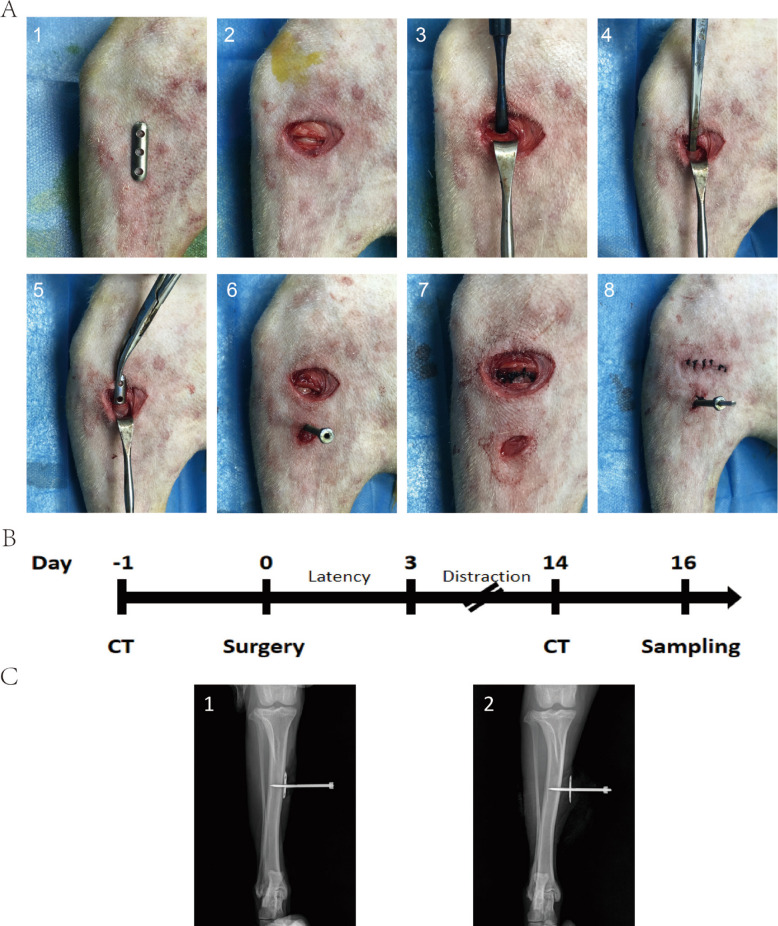 Figure 1
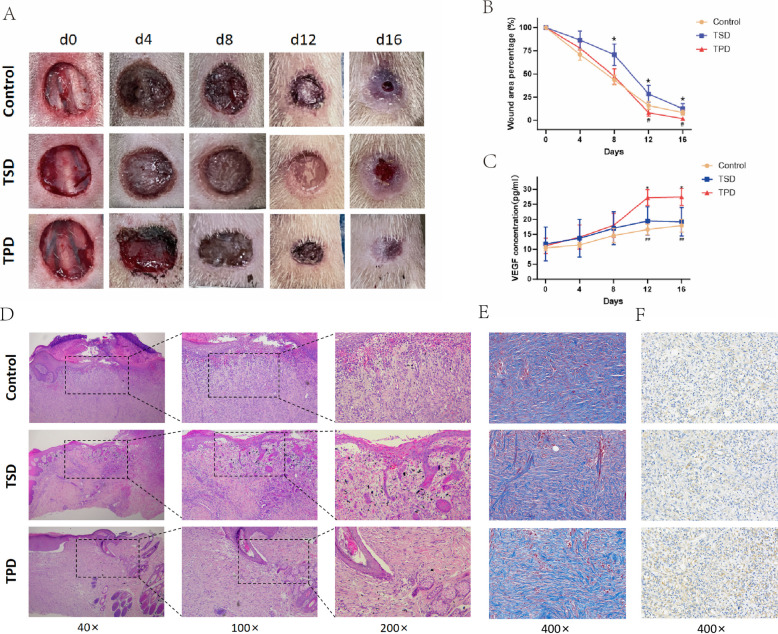 Figure 2
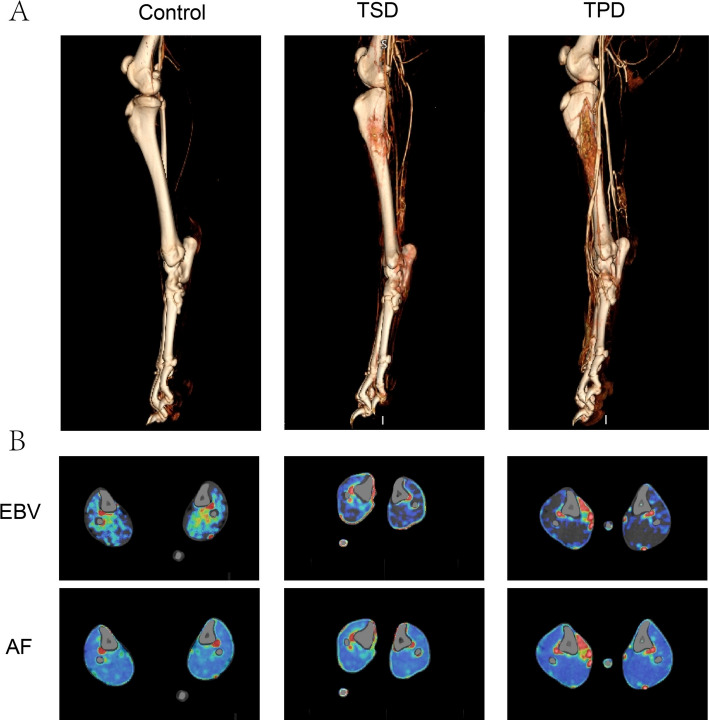 Figure 3
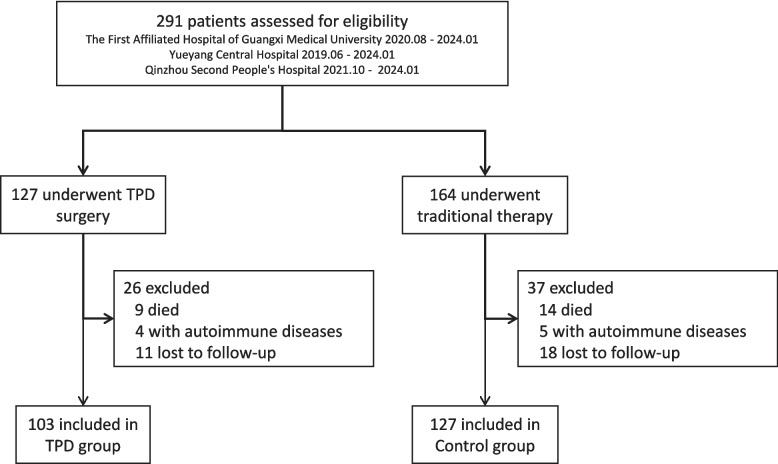 Figure 4
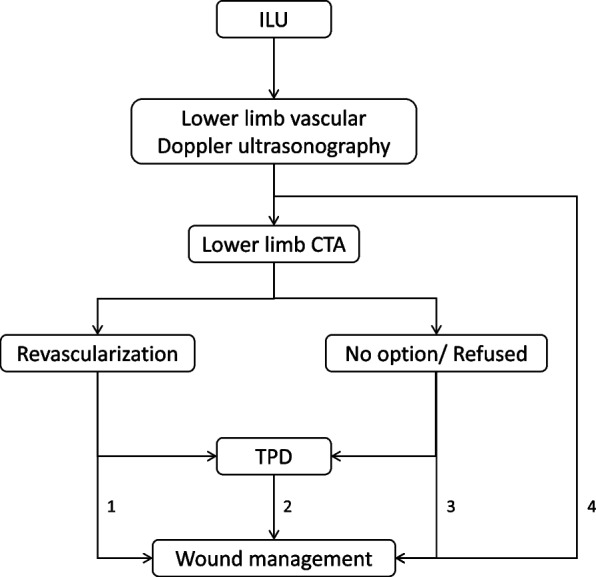 Figure 5
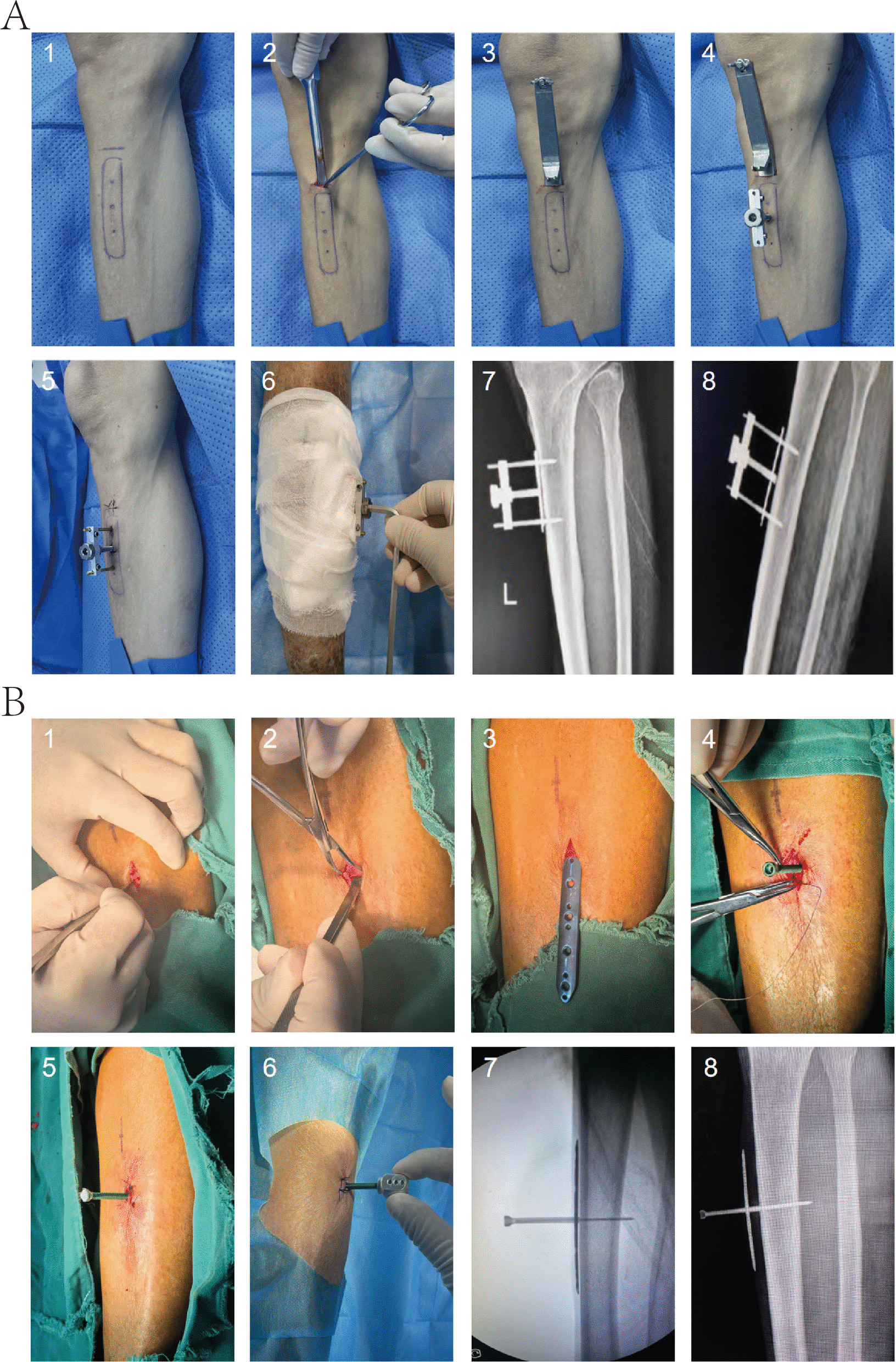 Figure 6
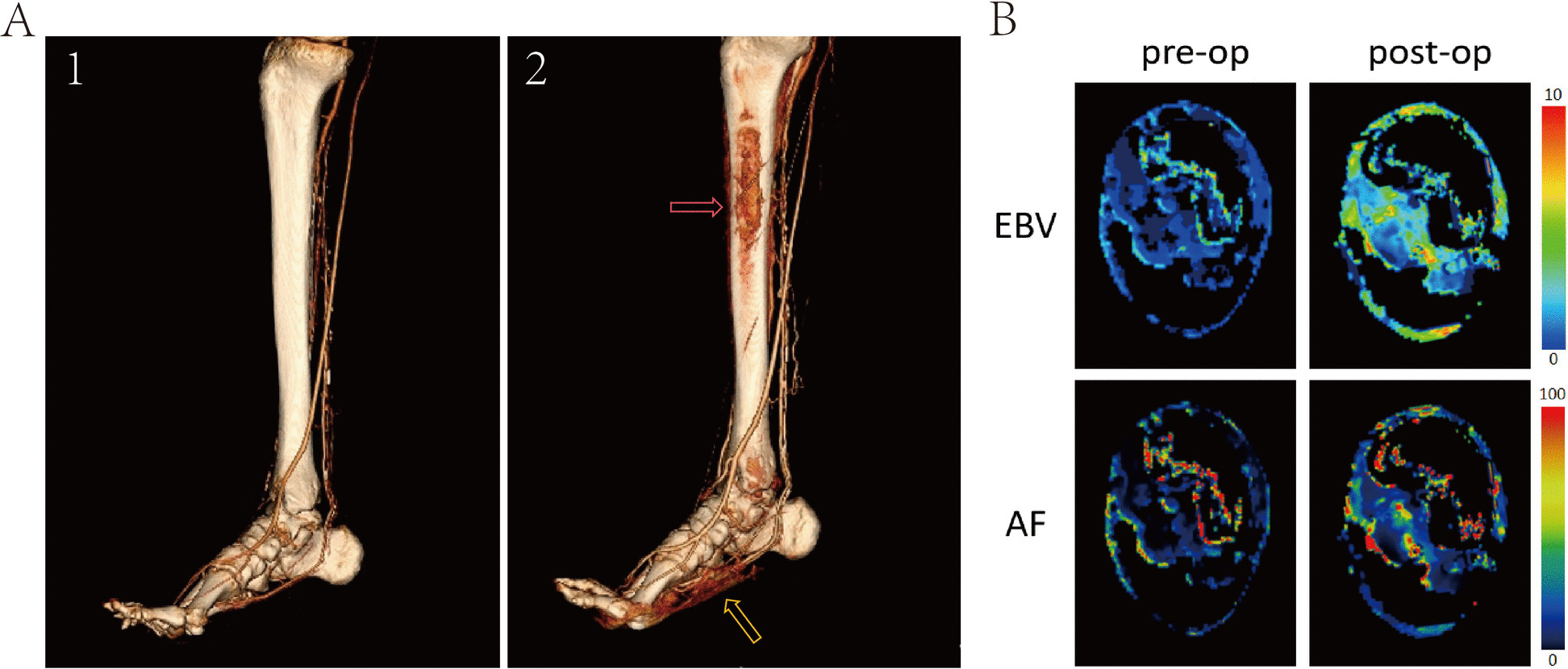 Figure 7
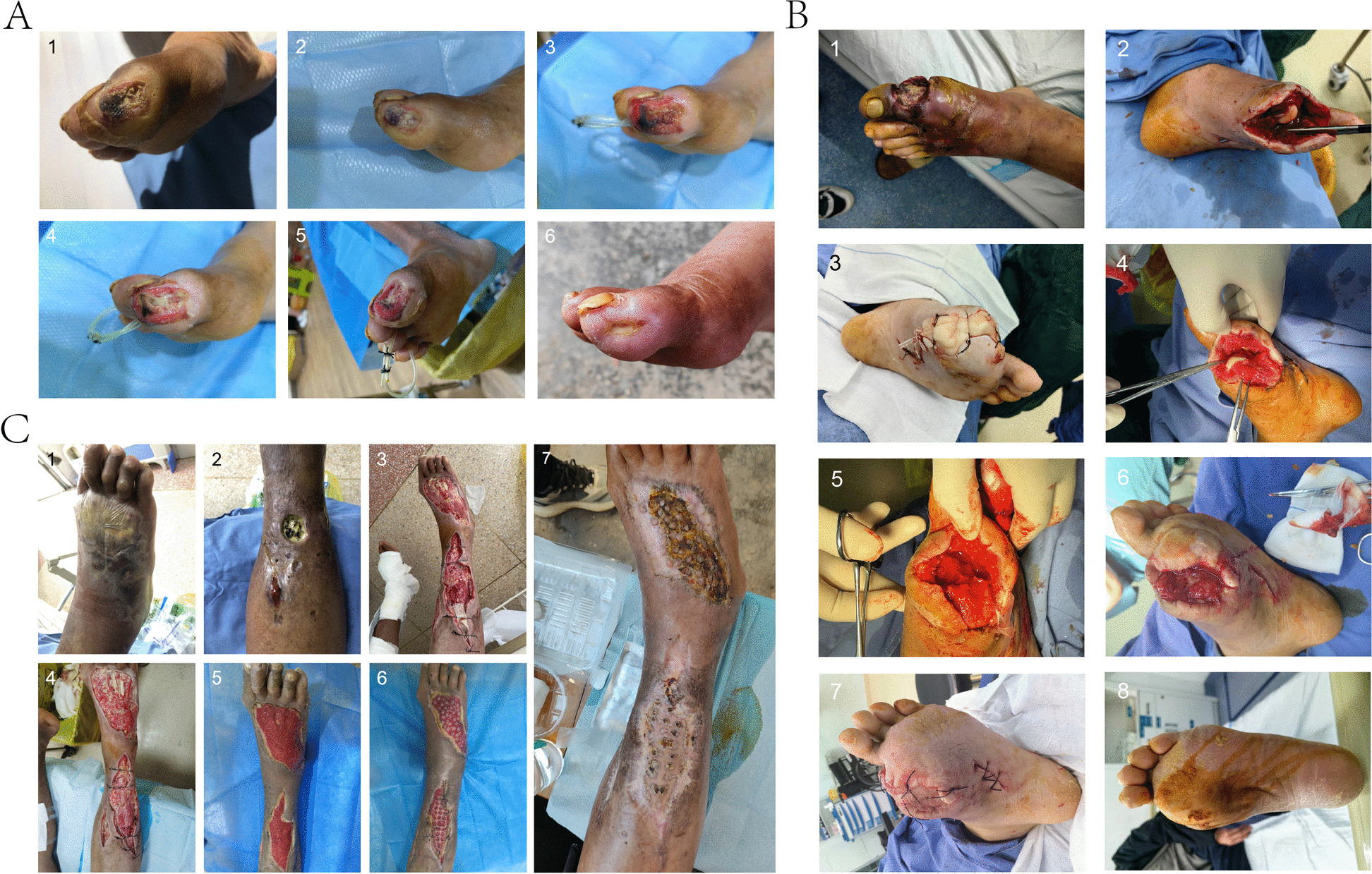 Figure 8
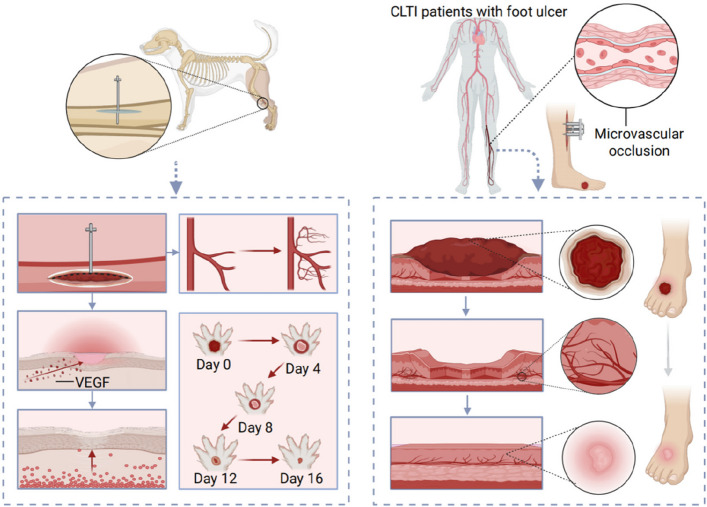 Figure 9
Peer Reviews
No public reviews on file for this paper yet. If you reviewed it on a platform where reviews are public (OpenReview, ICLR, NeurIPS, ICML), you can paste yours below so the community can read it here.
Videos
No videos yet. Explain this paper in a talk, walkthrough, or lecture? Add one.
Taxonomy
TopicsBone fractures and treatments · Reconstructive Surgery and Microvascular Techniques · Diabetic Foot Ulcer Assessment and Management