Immunomodulatory effects of eubiotic and dysbiotic multi-species biofilms on oral keratinocytes
Madeleine Blomqvist, Martina Bardino Mørch, Bijar Ghafouri, Karin Wåhlén, Oonagh Shannon, Julia R. Davies

TL;DR
This study shows how healthy and unhealthy oral biofilms affect keratinocytes and immune cells, contributing to periodontal disease.
Contribution
The study introduces a co-culture model to investigate host responses to eubiotic and dysbiotic oral biofilms.
Findings
Dysbiotic biofilms showed higher proteolytic activity, likely due to Porphyromonas gingivalis.
Keratinocytes responded more pro-inflammatorily to dysbiotic biofilms, releasing cytokines like MIP-3a and IL-8.
Both biofilm types activated monocytes and neutrophils, with dysbiotic biofilms having a stronger effect on monocytes.
Abstract
Elucidating host‒microbe interactions is essential for understanding oral health and disease. In periodontitis, the host inflammatory response to accumulated plaque shifts eubiotic biofilm communities toward dysbiosis, with enrichment of proteolytic bacterial species. The first line of host defence in the subgingival niche involves oral keratinocytes, which communicate with immune cells in the mucosa. Host responses to individual bacterial species have been widely characterized, but in this study, we used a co-culture model to better understand how changes in the multispecies biofilm phenotype affect keratinocyte effector function as well as the effects on inflammatory cells. Biofilms representative of eubiotic (HA) or dysbiotic (DA) bacterial communities were developed on nitro-cellulose membranes over 7 days and then co-cultured with oral keratinocytes for 6 h. Biofilm proteolytic…
Genes, proteins, chemicals, diseases, species, mutations and cell lines named across the full text — each resolved to its canonical identifier and authoritative record.
Click any figure to enlarge with its caption.
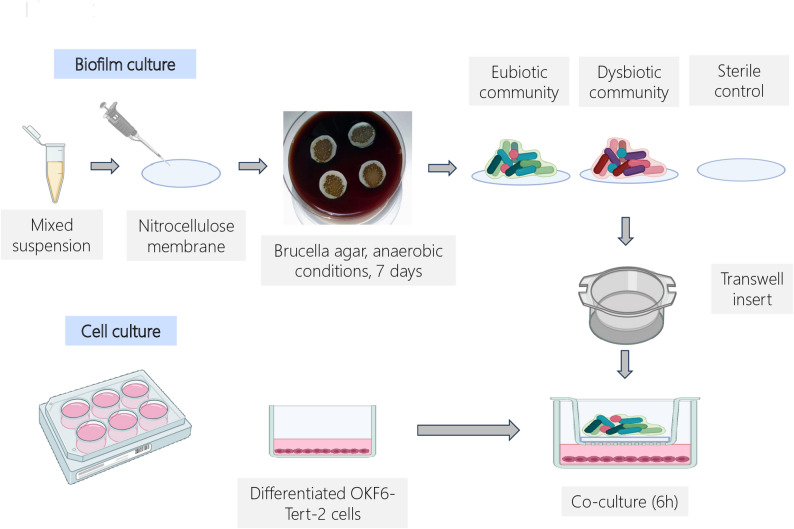 Figure 1
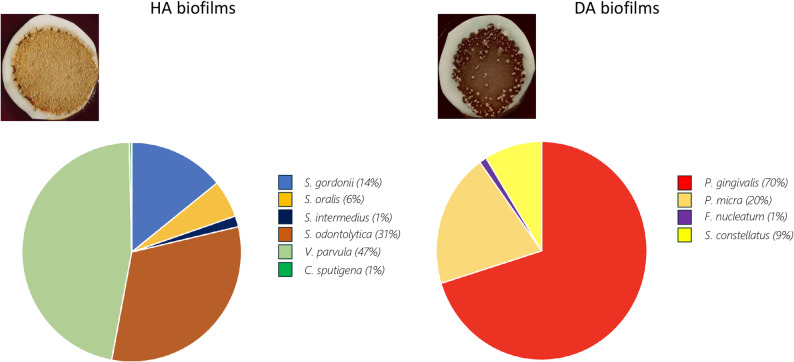 Figure 2
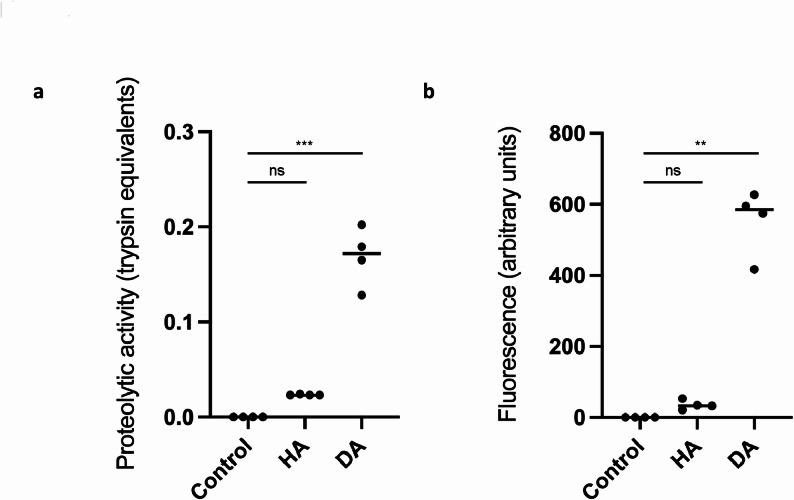 Figure 3
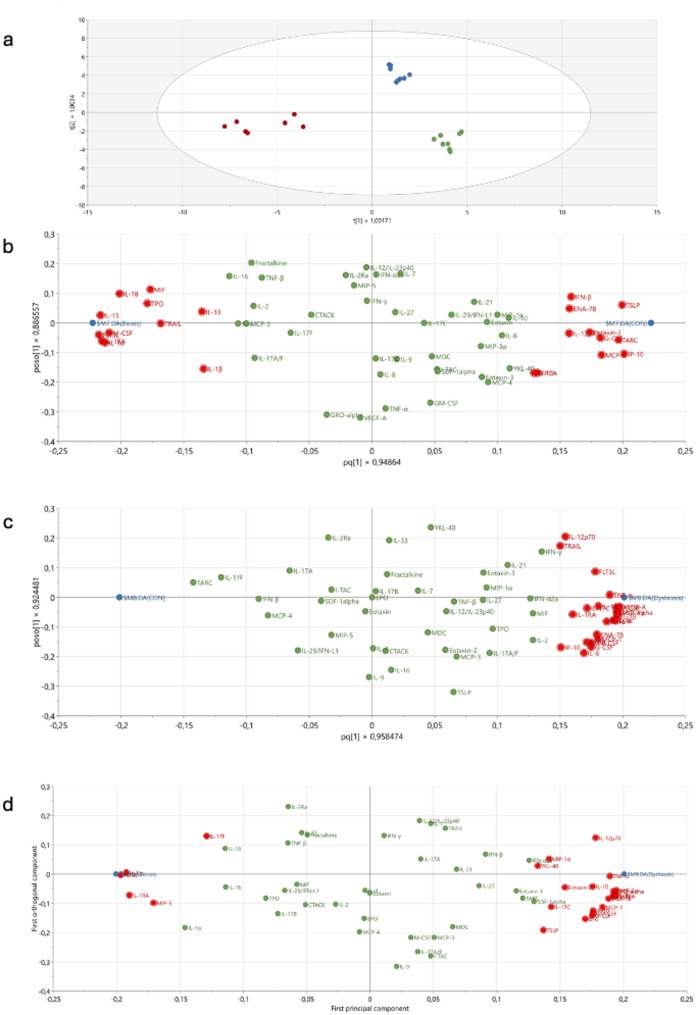 Figure 4
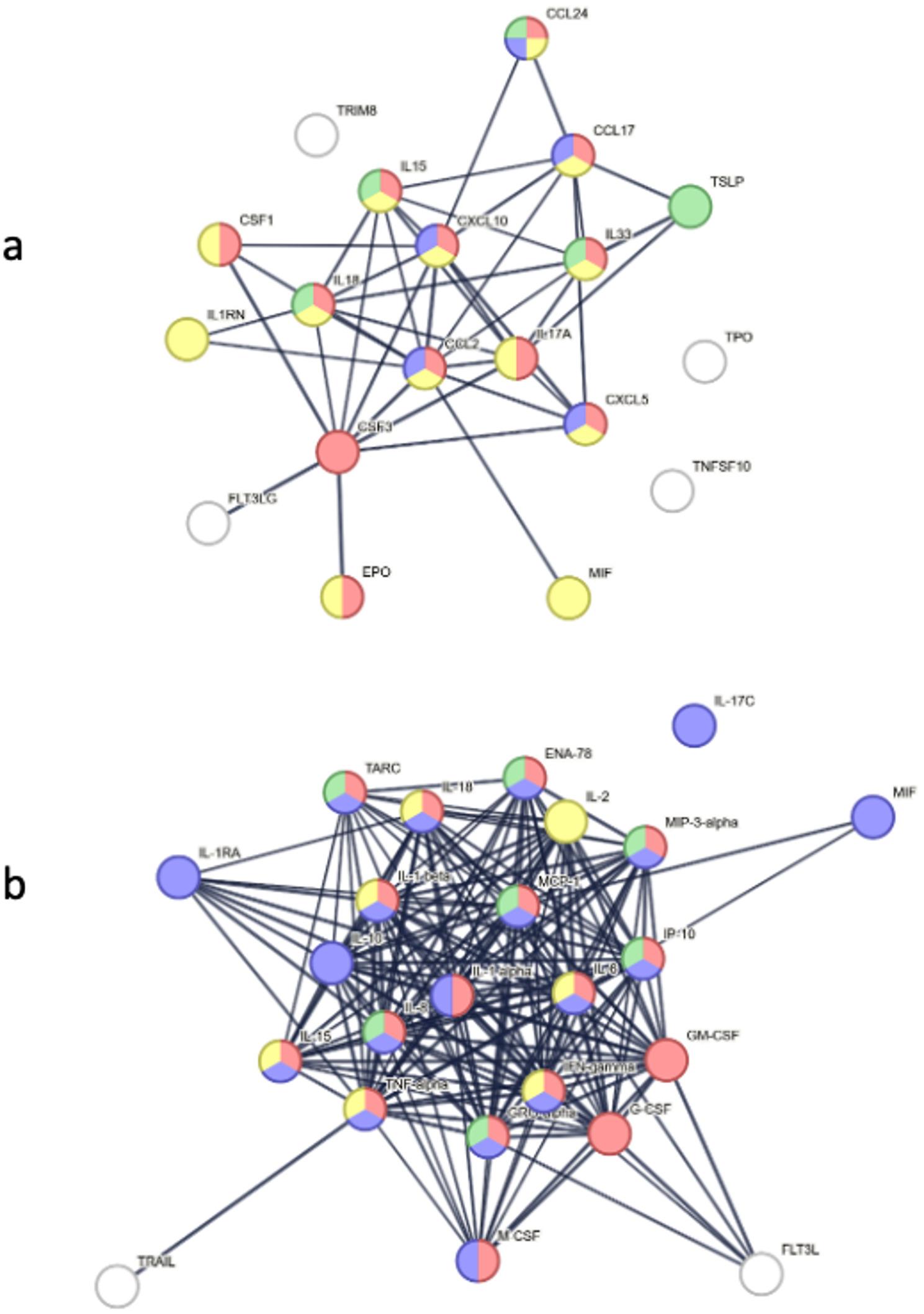 Figure 5
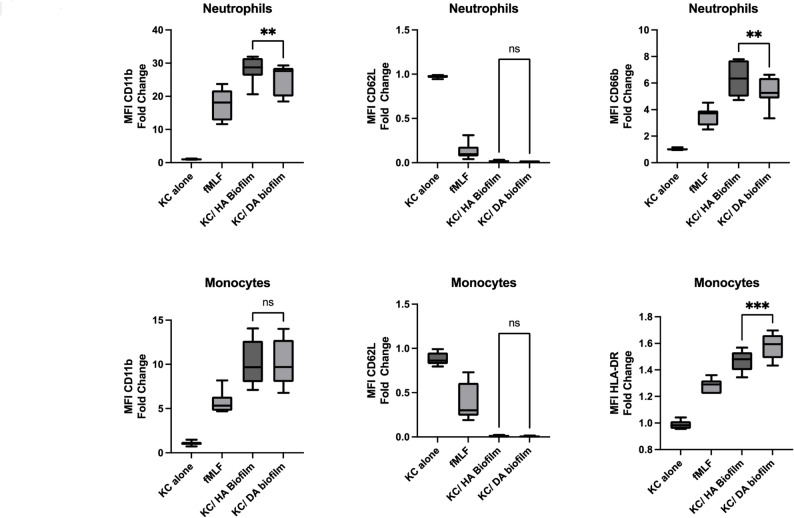 Figure 6
Peer Reviews
No public reviews on file for this paper yet. If you reviewed it on a platform where reviews are public (OpenReview, ICLR, NeurIPS, ICML), you can paste yours below so the community can read it here.
Videos
No videos yet. Explain this paper in a talk, walkthrough, or lecture? Add one.
Taxonomy
TopicsOral microbiology and periodontitis research · Bacterial biofilms and quorum sensing · Gut microbiota and health