On the juice? Trypanosoma cruzi vectorial-oral outbreak investigation in a semi-arid rural area of Brazil
Gilmar Ribeiro, Juliana Ribeiro Trabuco Frota, Nathália Paixão de Sousa Silva, Bárbara Meneses Oliveira Barbosa, Luana Sampaio Rios, Luís Cláudio Gualberto da Silva, Renato Freitas de Araújo, Felicidade Mota Pereira, Cristiane Medeiros Moraes de Carvalho, Niamh Ellen Tiernan

TL;DR
This study investigates an outbreak of Chagas disease in Brazil, linking it to the consumption of acerola juice contaminated with the parasite Trypanosoma cruzi.
Contribution
The study confirms vectorial-oral transmission of T. cruzi via contaminated acerola juice in a semi-arid rural area of Brazil.
Findings
Four out of five family members tested positive for acute Chagas disease after consuming acerola juice.
TcI haplotypes in parasites from triatomines and a human case suggest vector/oral transmission.
The study highlights the need for improved surveillance and prevention in Chagas disease-prone areas.
Abstract
Oral transmission of Chagas disease has been registered in rural and periurban areas of South America. In Brazil, outbreaks have involved food, sugar cane juice, water, or soup contaminated with infected triatomines or their feces. Here, we report an investigation into an acute Chagas disease outbreak in a rural area of the municipality of Serrolândia, in the semi-arid region of Bahia, Brazil. We conducted a descriptive study based on primary care information, epidemiological evaluation, entomological surveillance, and molecular analysis. The investigation began after the death of a 12-year-old child. The study population included triatomines, animals (one opossum, three cats, and two dogs), and a human family of five individuals. We performed serological diagnosis of family members, Trypanosoma cruzi molecular detection and genotyping in collected samples, and triatomine blood meal…
Genes, proteins, chemicals, diseases, species, mutations and cell lines named across the full text — each resolved to its canonical identifier and authoritative record.
Click any figure to enlarge with its caption.
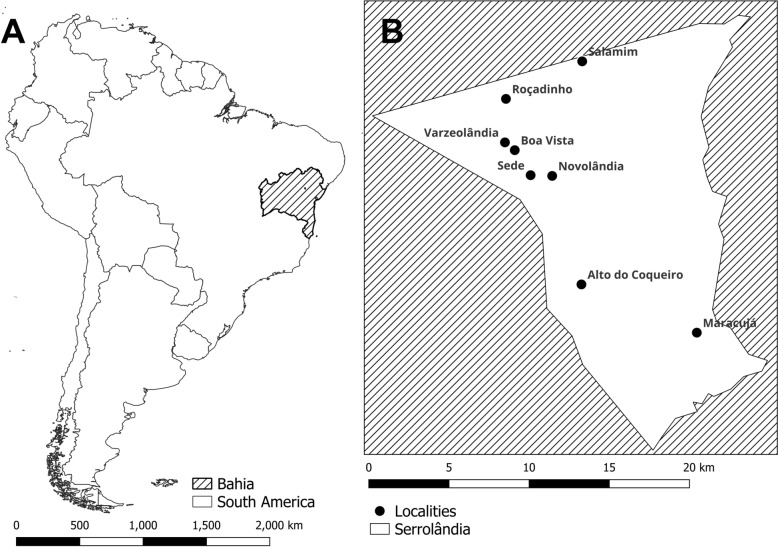 Figure 1
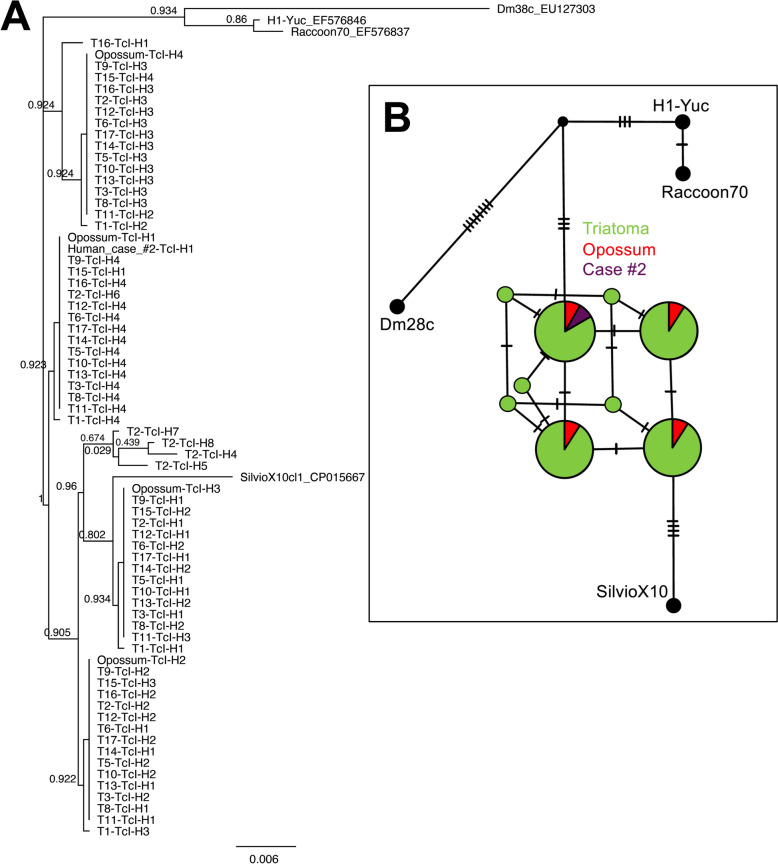 Figure 2
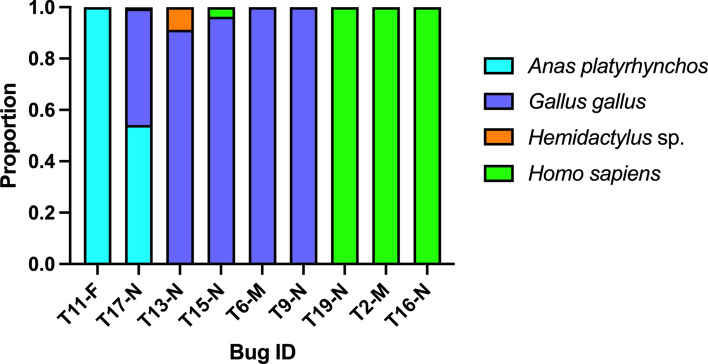 Figure 3
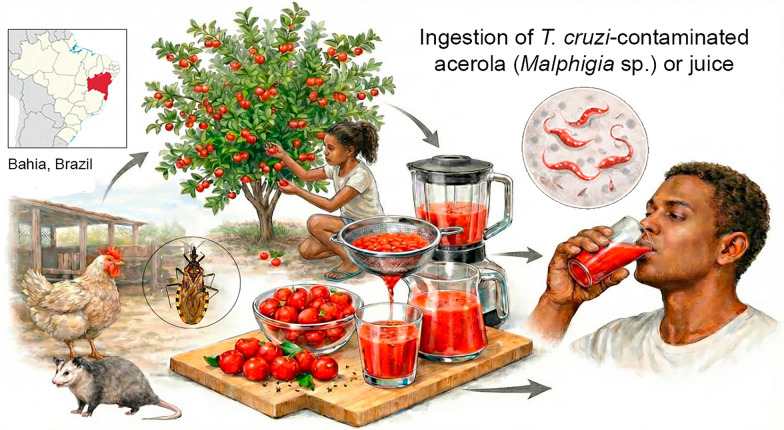 Figure 4
Peer Reviews
No public reviews on file for this paper yet. If you reviewed it on a platform where reviews are public (OpenReview, ICLR, NeurIPS, ICML), you can paste yours below so the community can read it here.
Videos
No videos yet. Explain this paper in a talk, walkthrough, or lecture? Add one.
Taxonomy
TopicsTrypanosoma species research and implications · Research on Leishmaniasis Studies · Biochemical and Molecular Research