Prognostic value of LPAR1 expression and methylation in low-grade gliomas: a meta-analysis of TCGA and CGGA datasets and functional validation
Hongmin Chen, Wenyi Liang, Zhang Li, Chenbin Bian, Hongbin Wang, Song Luo, You Xin, Wang Feng, Liang Liang

TL;DR
This study shows that low LPAR1 expression or high methylation is linked to better survival in low-grade gliomas and affects tumor immunity and cell behavior.
Contribution
The study identifies LPAR1 methylation and expression as novel prognostic markers and explores their functional role in glioma progression and immune regulation.
Findings
High LPAR1 methylation is associated with better overall and progression-free survival in low-grade gliomas.
Low LPAR1 expression correlates with age, histological type, and IDH mutation status in glioma patients.
LPAR1 overexpression promotes tumor cell proliferation and migration, while its knockdown has the opposite effect.
Abstract
Lysophosphatidic acid receptor 1 (LPAR1) mediates various biological behaviors in physiological and pathological processes. This study aims to comprehensively evaluate the prognostic value of LPAR1 expression and methylation in LGG, and explore their functional effects on tumor progression and immune regulation. The GEO database was used to analyze LPAR1 expression in tumors and normal tissues. The TCGA-LGG and CGGA datasets were used to analyze the expression, methylation, immunity and prognostic significance of LGG. Immune cells and immune pathways were detected by flow cytometry, ELISA and western blot analysis. The role of LPAR1 in LGG was validated by RT-PCR, TUNEL assay, CCK-8 assay, flow cytometry, wound healing assay and transwell assay. We included 627 patients who contained complete information required for analysis in the TCGA-LGG and CGGA datasets. Methylation of the LPAR1…
Genes, proteins, chemicals, diseases, species, mutations and cell lines named across the full text — each resolved to its canonical identifier and authoritative record.
Click any figure to enlarge with its caption.
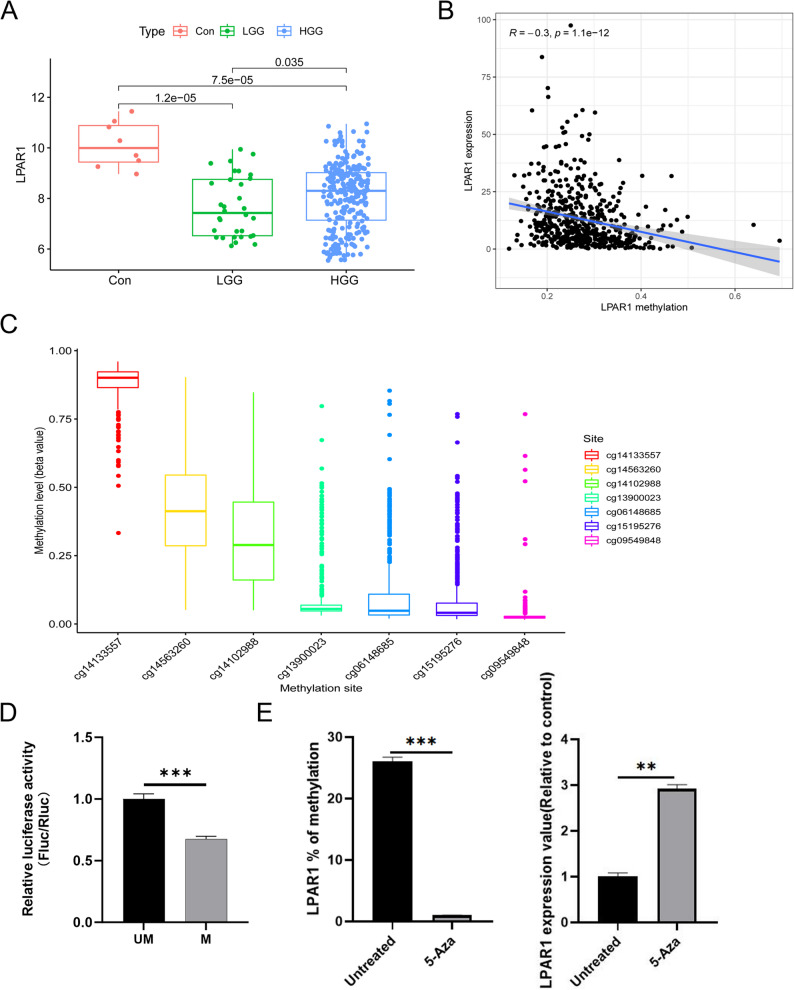 Figure 1
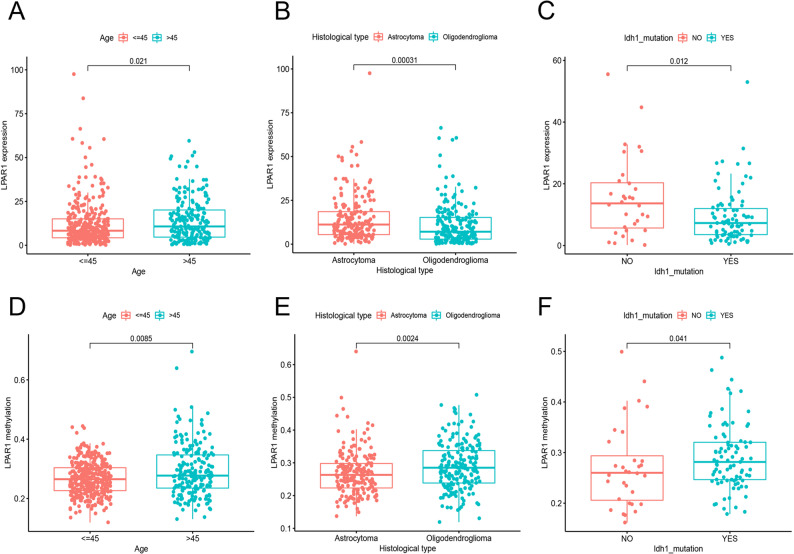 Figure 2
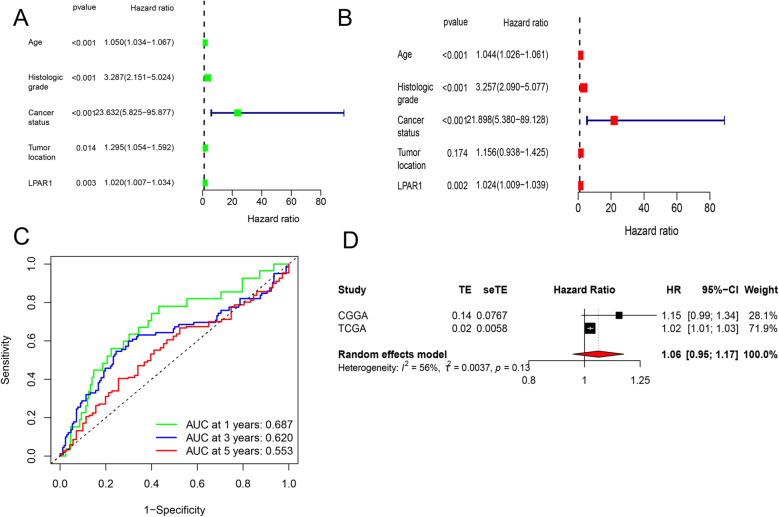 Figure 3
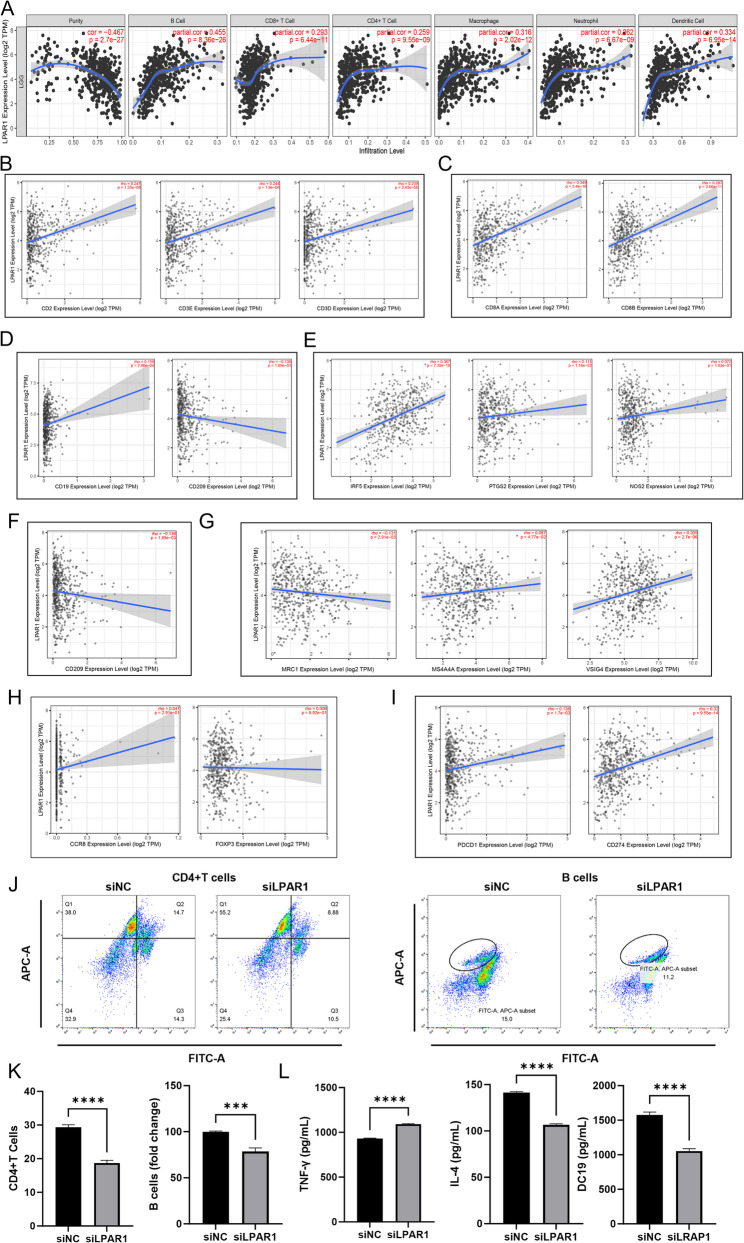 Figure 4
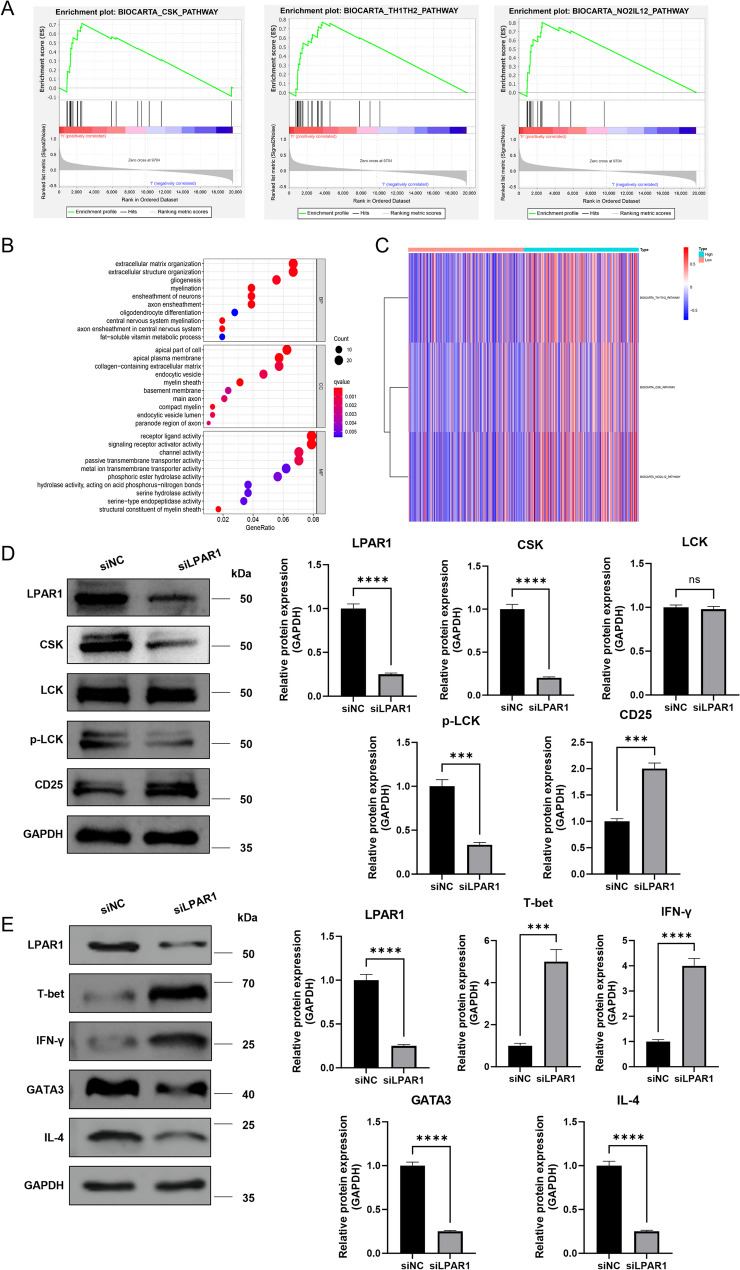 Figure 5
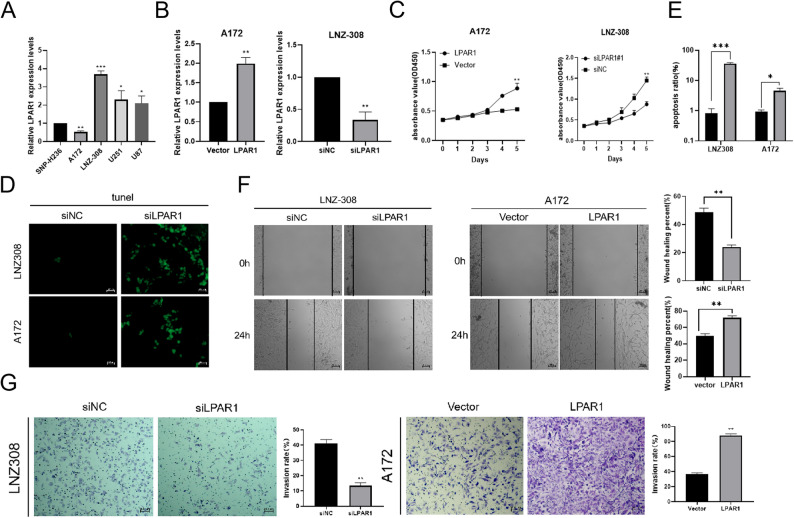 Figure 6
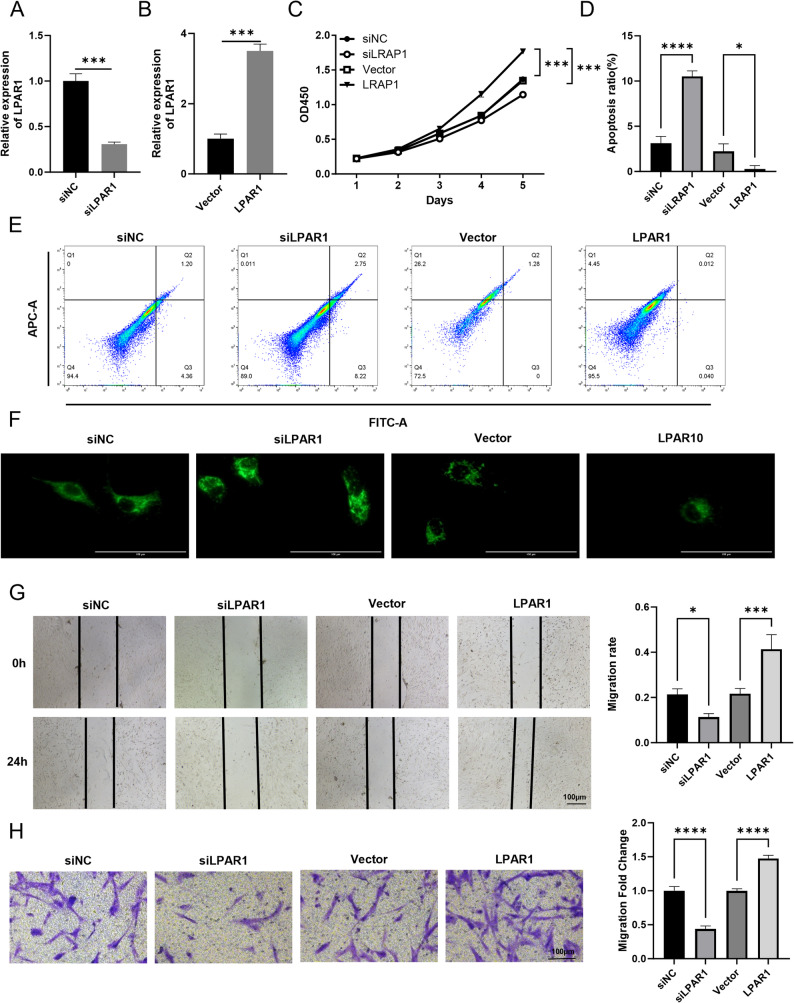 Figure 7
Peer Reviews
No public reviews on file for this paper yet. If you reviewed it on a platform where reviews are public (OpenReview, ICLR, NeurIPS, ICML), you can paste yours below so the community can read it here.
Videos
No videos yet. Explain this paper in a talk, walkthrough, or lecture? Add one.
Taxonomy
TopicsSphingolipid Metabolism and Signaling · Immune cells in cancer · Peroxisome Proliferator-Activated Receptors