Role of chromosome ends in meiotic stability, recombination and wheat evolution in the context of breeding
A. Gálvez-Galván, M. Aguilar, P. Prieto

TL;DR
This study explores how telomeres and subtelomeres in wheat influence meiosis and evolution, revealing their role as dynamic genomic barcodes for chromosome pairing and genetic diversity.
Contribution
The study identifies subtelomeric regions as hotspots for instability and genetic improvement, revealing their role in meiotic pairing and wheat evolution.
Findings
Telomeric regions show significant variability and structural complexity, influenced by genetic background and chromosomal context.
Subtelomeres act as hotspots for instability and chromatin remodelling, with uneven distribution of G-quadruplex structures.
Subtelomeric regions are key for genetic improvement, containing rapidly evolving sequences and transposable elements affecting meiotic pairing.
Abstract
Wheat is one of the most important crops worldwide, and understanding its genome organisation is crucial for geneticists and breeders. In this study, we examined the dynamic roles of telomeric and subtelomeric regions in wheat, focusing on their influence on homologous chromosome pairing during meiosis, the process that produces gametes. We analysed various Triticum species and modern cultivars, uncovering a complex “barcode” at chromosome ends that rules homologous recognition. Phylogenetic analysis of the ZIP4-5B gene highlighted the evolutionary relationships among wheat species, emphasising the contribution of wild relatives to genetic diversity, especially in terminal chromosomal regions. Our findings suggest that telomeric regions, although traditionally seen as conserved, display significant variability and structural complexity influenced by genetic background and chromosomal…
Genes, proteins, chemicals, diseases, species, mutations and cell lines named across the full text — each resolved to its canonical identifier and authoritative record.
Click any figure to enlarge with its caption.
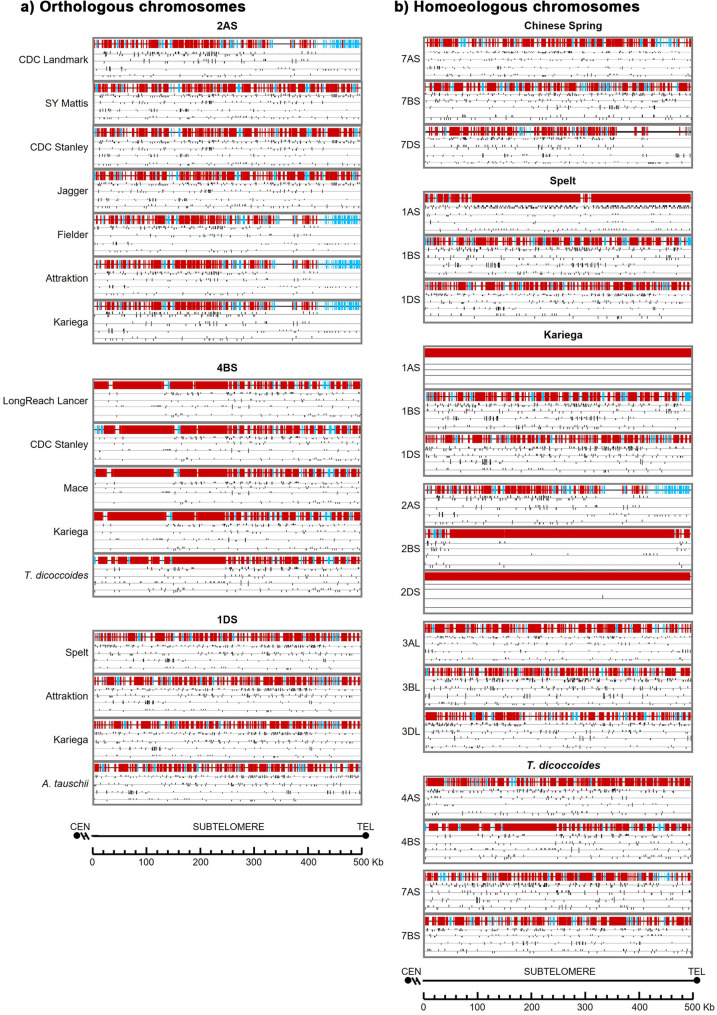 Figure 10
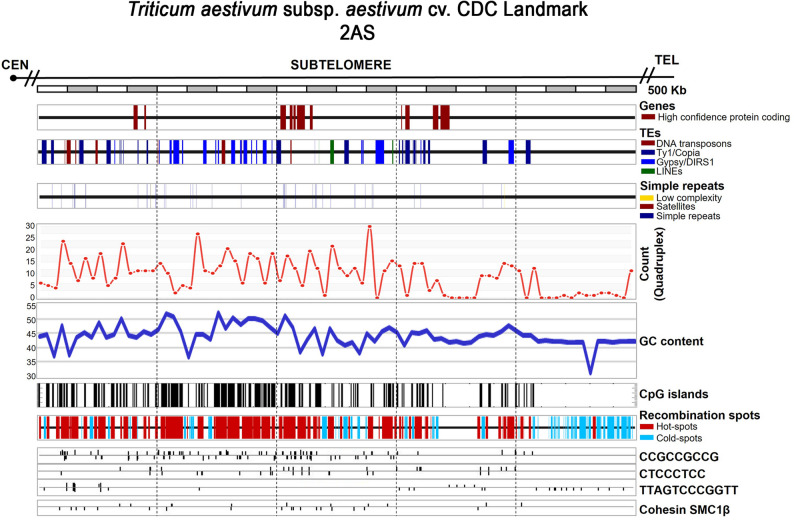 Figure 11
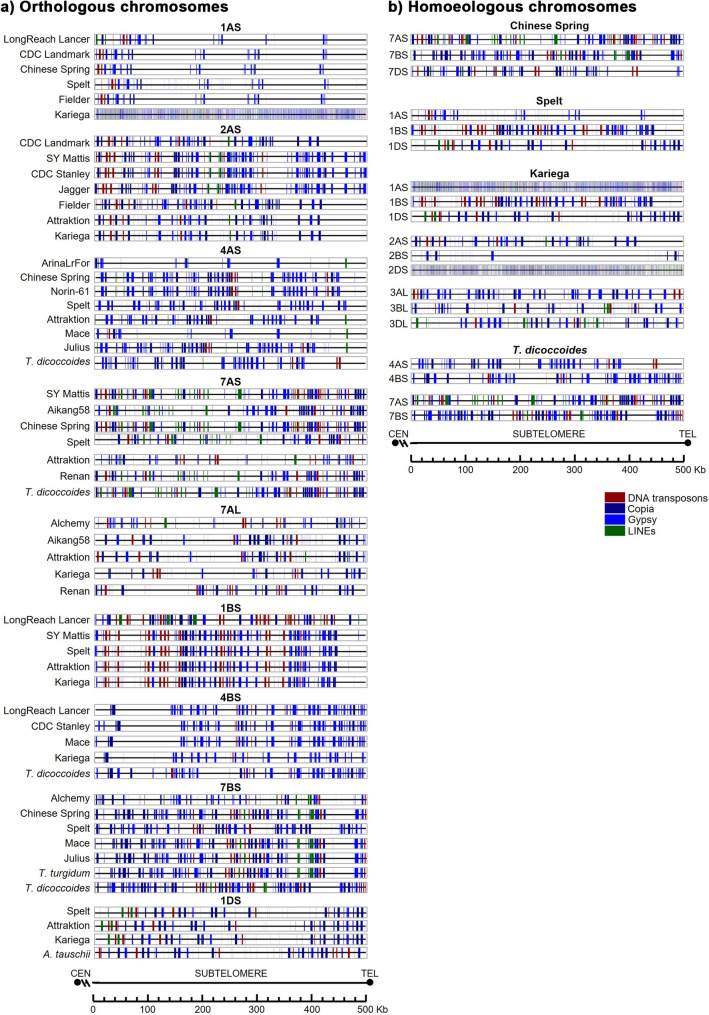 Figure 12
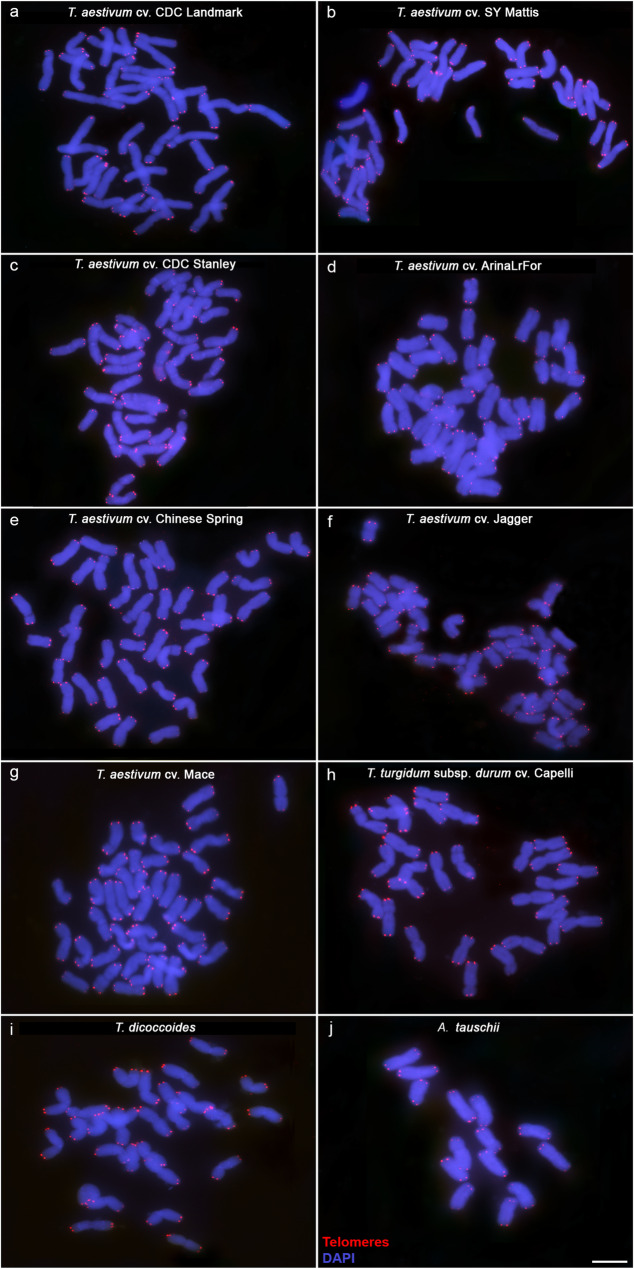 Figure 1
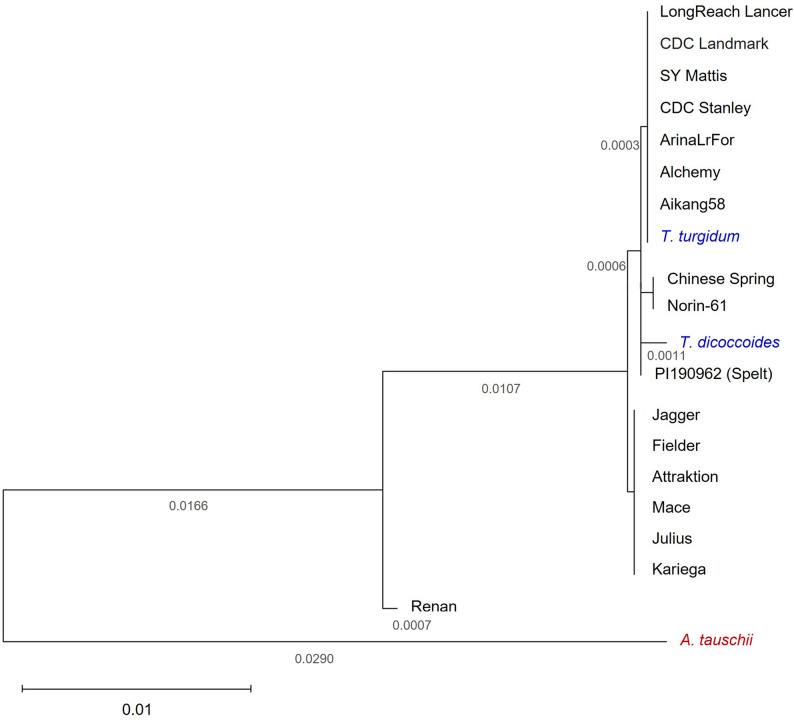 Figure 2
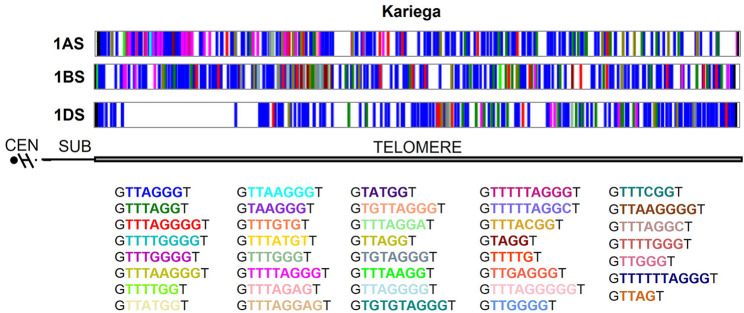 Figure 3
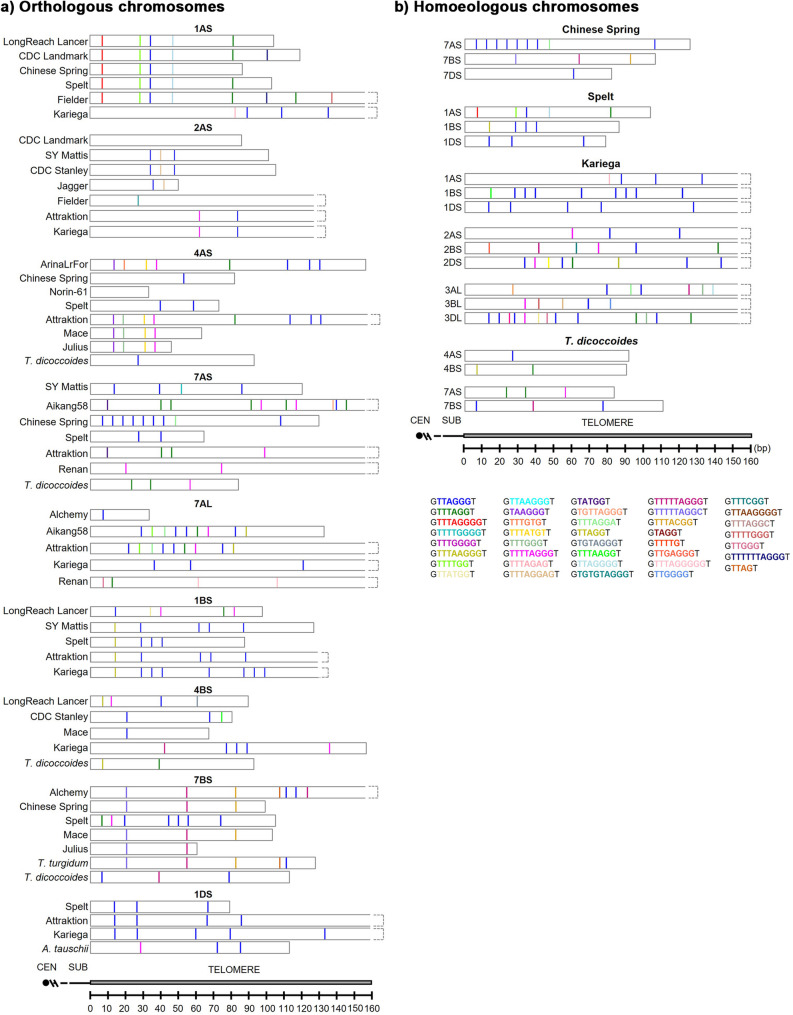 Figure 4
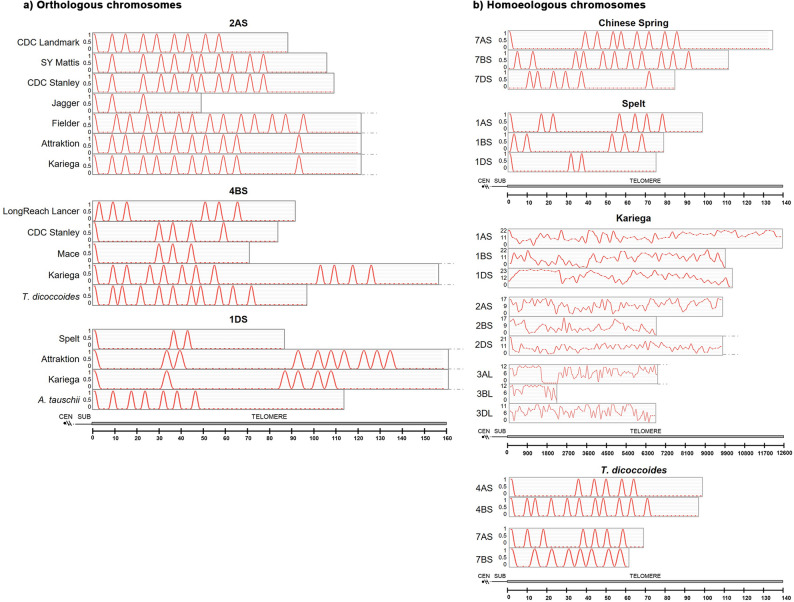 Figure 5
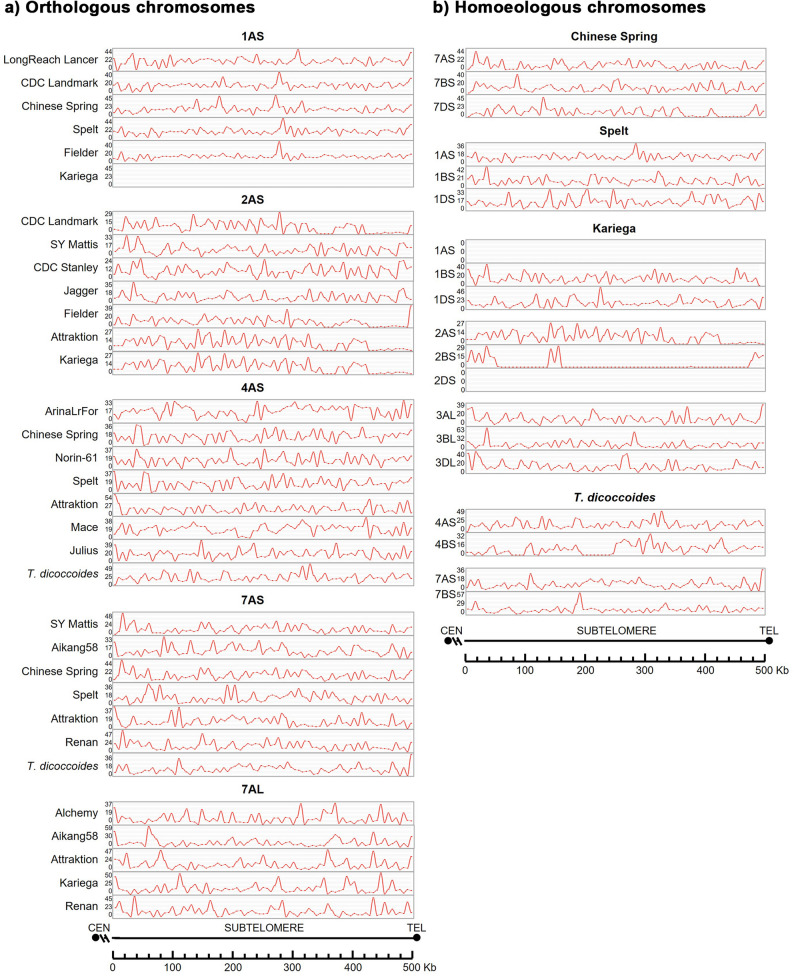 Figure 6
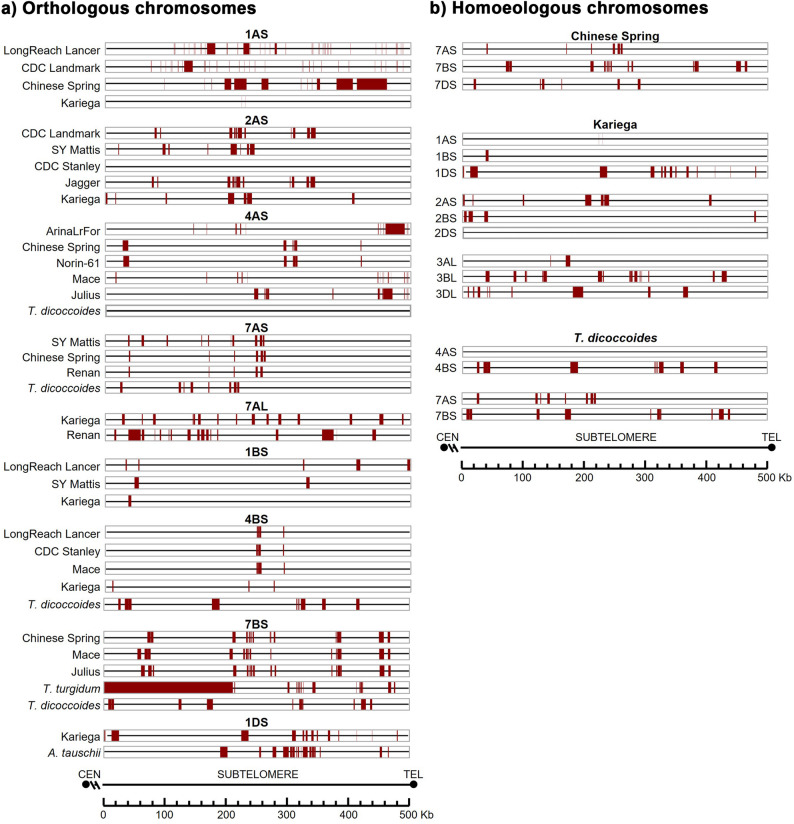 Figure 7
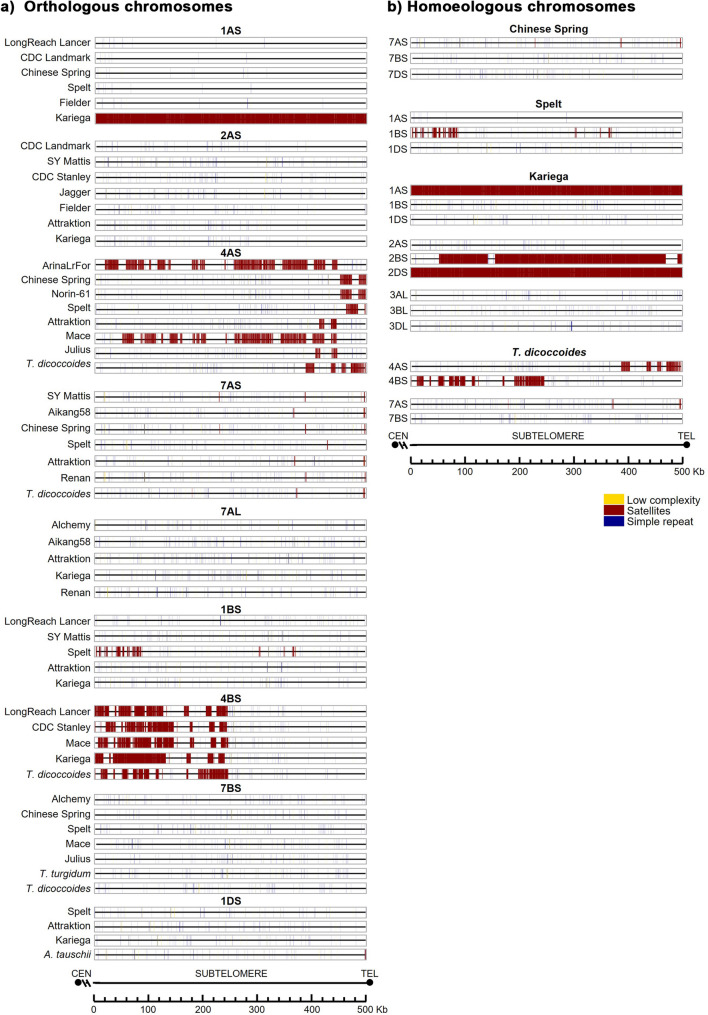 Figure 8
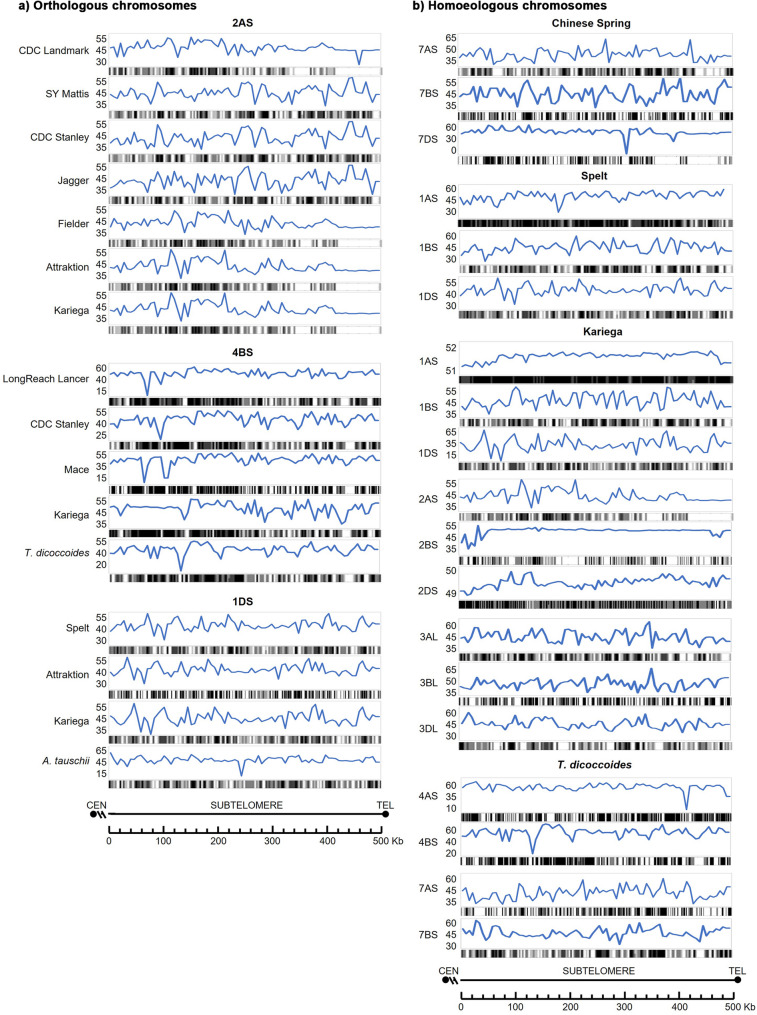 Figure 9
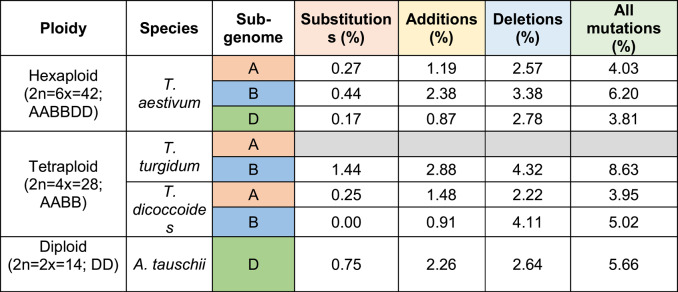 Figure 13
Peer Reviews
No public reviews on file for this paper yet. If you reviewed it on a platform where reviews are public (OpenReview, ICLR, NeurIPS, ICML), you can paste yours below so the community can read it here.
Videos
No videos yet. Explain this paper in a talk, walkthrough, or lecture? Add one.
Taxonomy
TopicsChromosomal and Genetic Variations · Genomic variations and chromosomal abnormalities · Genetic Mapping and Diversity in Plants and Animals