Reprogramme the E. coli metabolism by engineering a functional carbon-fixation pathway
Yu Chen, Adam Burke, Vincent Chriscoli, Mengru Yang, Ping Chang, Tianpei Li, Buke Zhang, Royston Goodacre, Lu-Ning Liu

TL;DR
Scientists engineered E. coli to use atmospheric CO₂ through a carbon-fixation pathway, boosting sugar production and altering metabolism.
Contribution
A functional carbon-fixation pathway was successfully engineered in E. coli, enabling CO₂ utilization and metabolic changes.
Findings
E. coli engineered with the CBB cycle used atmospheric CO₂ and increased ribose and xylitol levels significantly.
Metabolomic analysis showed major changes in central carbon and amino acid metabolism after pathway engineering.
The engineered system provides a platform for evaluating carbon-fixation modules and metabolic bottlenecks.
Abstract
Rising atmospheric CO₂ levels and their impact on climate change have intensified the need for innovative carbon capture and fixation strategies. The Calvin-Benson-Bassham (CBB) cycle, a central metabolic pathway in all photoautotrophic organisms and many autotrophic bacteria, plays a pivotal role in global carbon assimilation but is limited by the low catalytic efficiency of Rubisco. Here, we engineered a complete, functional CBB cycle in Escherichia coli, by heterologously expressing up to 13 genes encoding phosphoribulokinase, α-carboxysomes, and inorganic carbon pumps. This bioengineering approach allowed E. coli to utilize atmospheric CO2 and led to increased levels of sugars such as ribose (4.94-fold) and xylitol (8.94-fold). Detailed metabolomic profiling of central carbon metabolism using gas chromatography-mass spectrometry (GC-MS) demonstrated that installation of the CBB…
Genes, proteins, chemicals, diseases, species, mutations and cell lines named across the full text — each resolved to its canonical identifier and authoritative record.
Click any figure to enlarge with its caption.
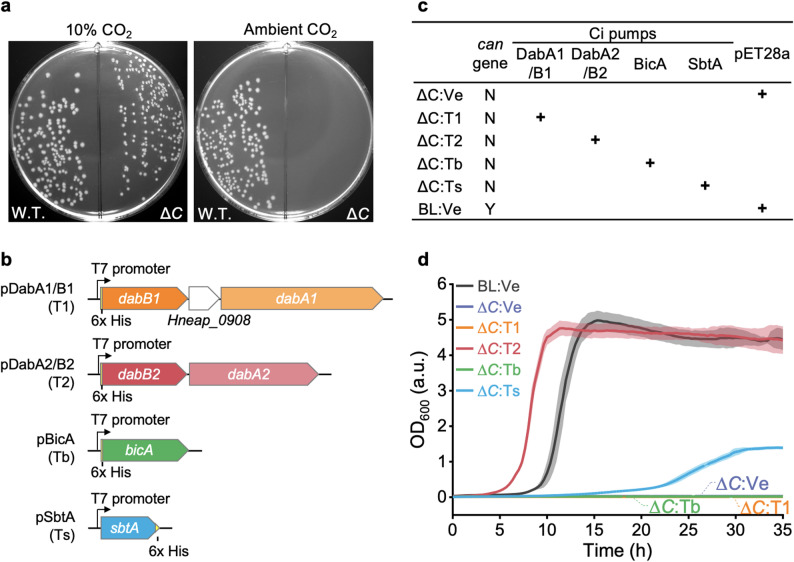 Figure 1
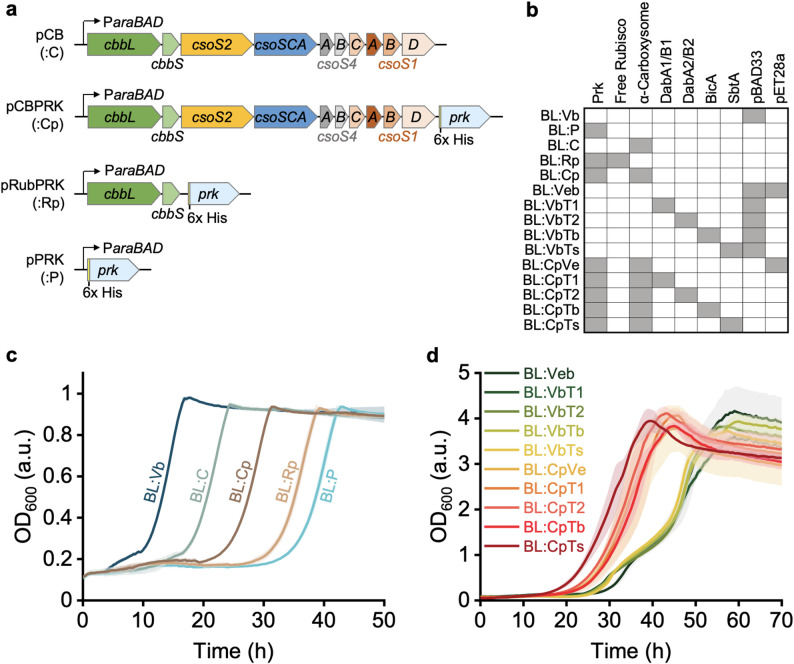 Figure 2
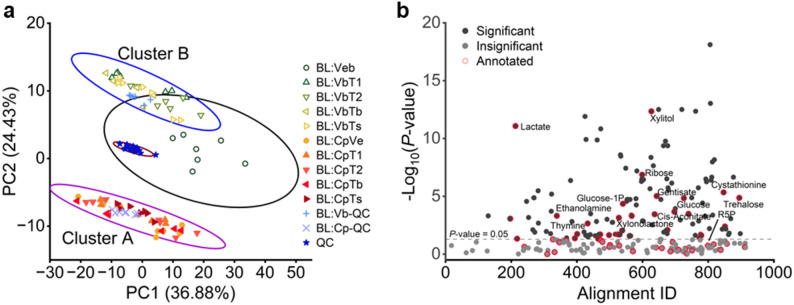 Figure 3
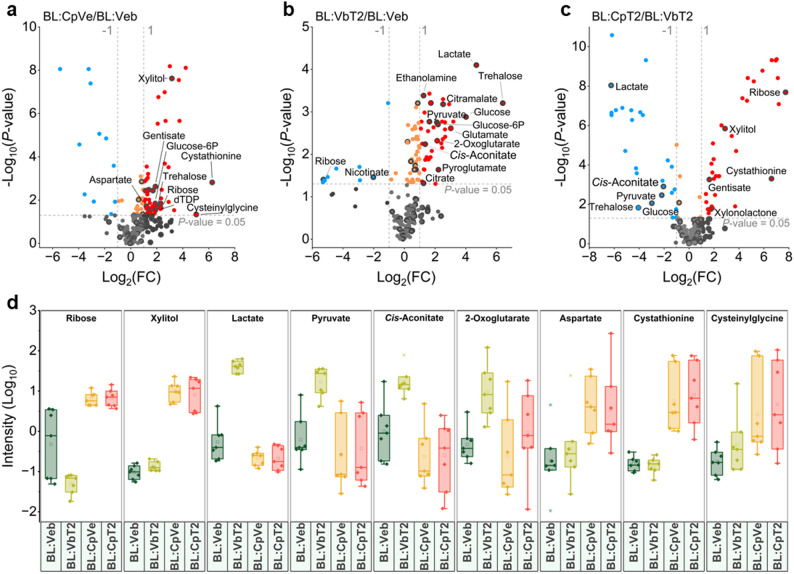 Figure 4
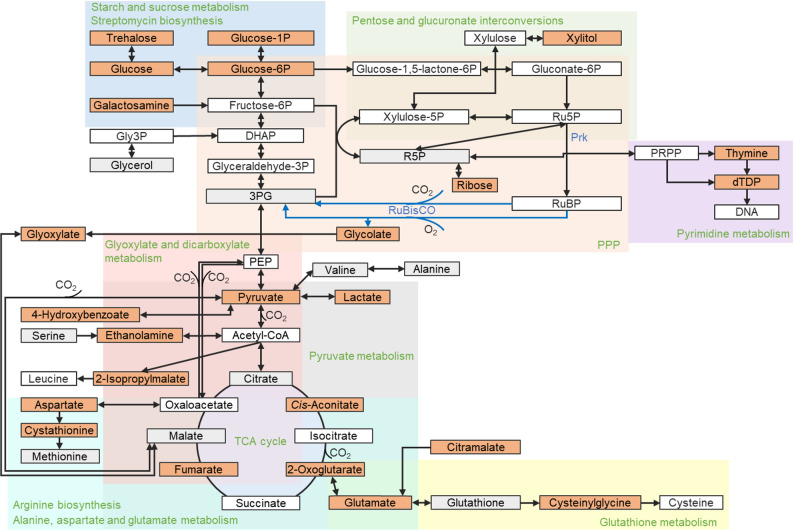 Figure 5
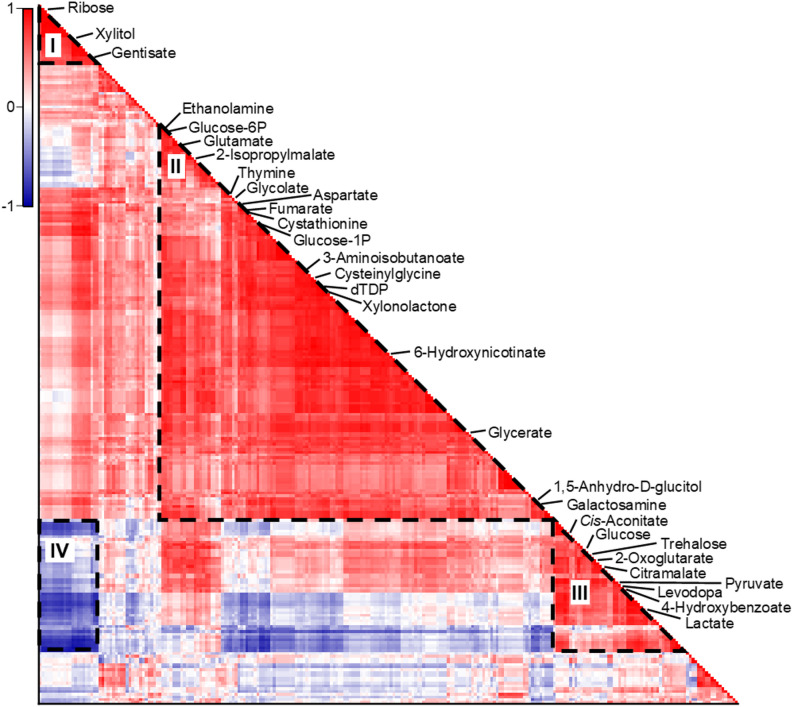 Figure 6
Peer Reviews
No public reviews on file for this paper yet. If you reviewed it on a platform where reviews are public (OpenReview, ICLR, NeurIPS, ICML), you can paste yours below so the community can read it here.
Videos
No videos yet. Explain this paper in a talk, walkthrough, or lecture? Add one.
Taxonomy
TopicsMicrobial Metabolic Engineering and Bioproduction · Microbial metabolism and enzyme function · Photosynthetic Processes and Mechanisms