Phosphatidylcholine with C26:0 moiety, a precursor of a diagnostic marker for X-ALD, is synthesized by LPLAT10/LPEAT2
Kotaro Hama, Yuko Fujiwara, Koko Imai, Yoshio Kusakabe, Yasuhiro Hayashi, Shigeo Takashima, Shohei Azuma, Masaru Kondo, Atsushi Yamashita, Ryo Takita, Nobuyuki Shimozawa, Kazuaki Yokoyama

TL;DR
This study identifies LPLAT10 as the enzyme responsible for producing a key diagnostic marker for X-ALD, a genetic disorder affecting myelin and adrenal function.
Contribution
The study reveals LPLAT10's role in synthesizing C26:0-LPC, a diagnostic marker for X-ALD, and its mechanism of action.
Findings
LPLAT10/LPEAT2 synthesizes PC with C26:0 moiety by transferring C26:0-CoA into 2-acyl-LPC.
LPLAT10 deficiency reduces C26:0-LPC levels in X-ALD patient fibroblasts.
C26:0 FFA-d4 is preferentially incorporated into sphingolipids when LPLAT10 is absent.
Abstract
X-linked adrenoleukodystrophy (X-ALD) is a congenital metabolic disorder characterized mainly by inflammatory demyelination and adrenal insufficiency. Newborn screening using hexacosanoyl lysophosphatidylcholine (C26:0-LPC) in dried blood spots as a diagnostic marker can successfully identify potential patients with X-ALD and prevent disease onset. C26:0-LPC accumulates in patients with X-ALD, although the machinery synthesizing it has remained unclear. In this study, we focused on phosphatidylcholine (PC) with C26:0 moiety as a precursor of C26:0-LPC. We identified that lysophospholipid (LPL) acyltransferase 10 (LPLAT10)/LPCAT4/LPEAT2/AGPAT7 (1-acylglycerol-3-phosphate O-acyltransferase 7) is the responsible LPL acyltransferase that produces PC with C26:0 moiety by transferring C26:0-CoA into 2-acyl-LPC. We also found that LPLAT10 deficiency decreased the amount of C26:0-LPC in…
Genes, proteins, chemicals, diseases, species, mutations and cell lines named across the full text — each resolved to its canonical identifier and authoritative record.
Click any figure to enlarge with its caption.
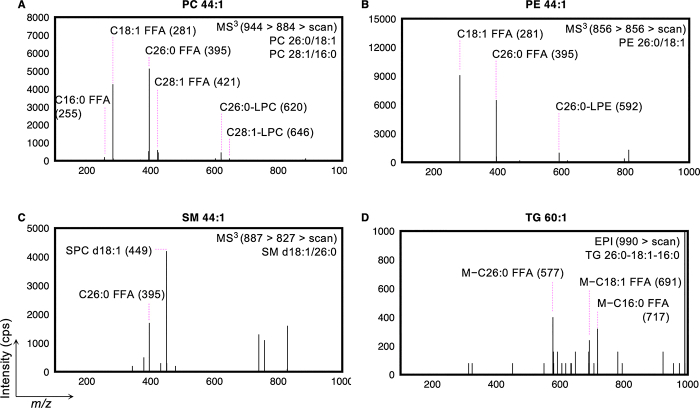 Figure 1
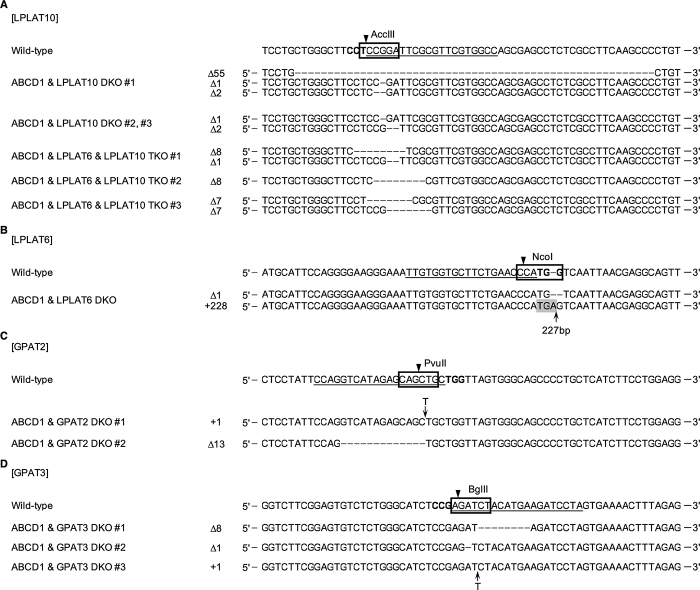 Figure 2
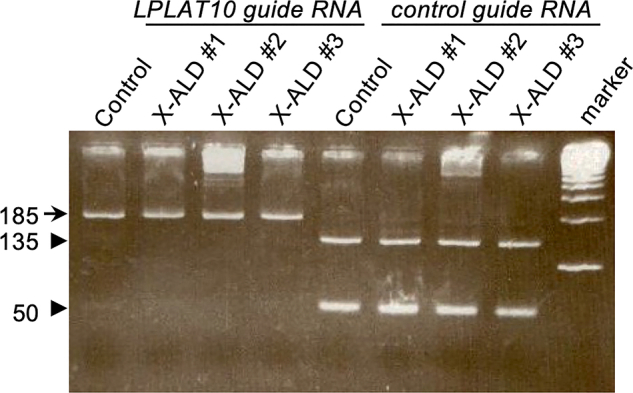 Figure 3
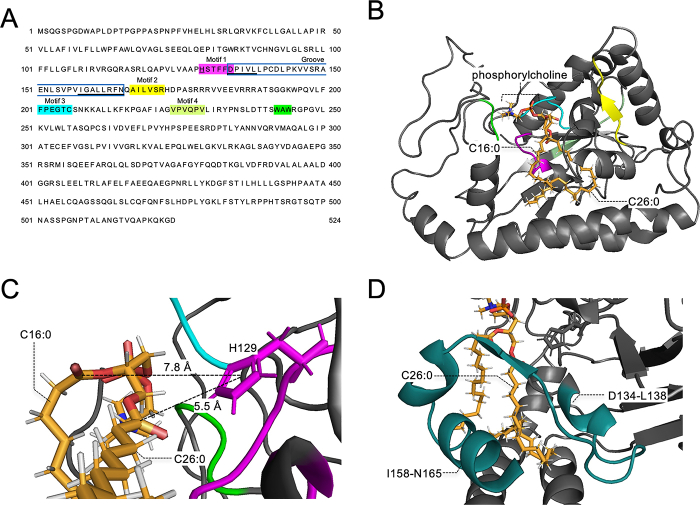 Figure 4
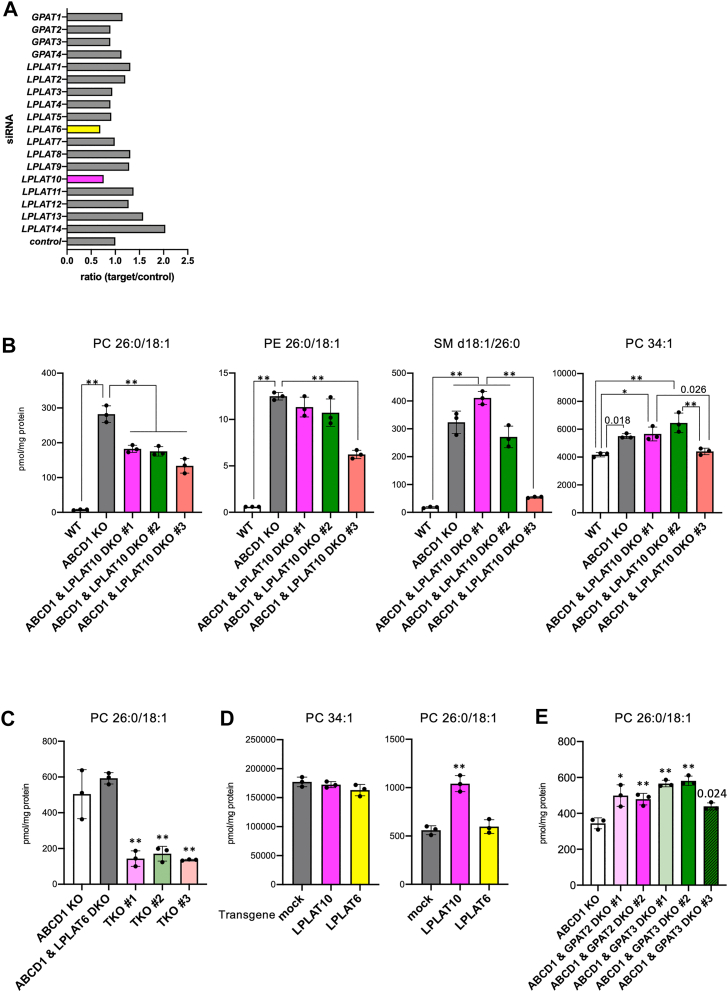 Figure 5
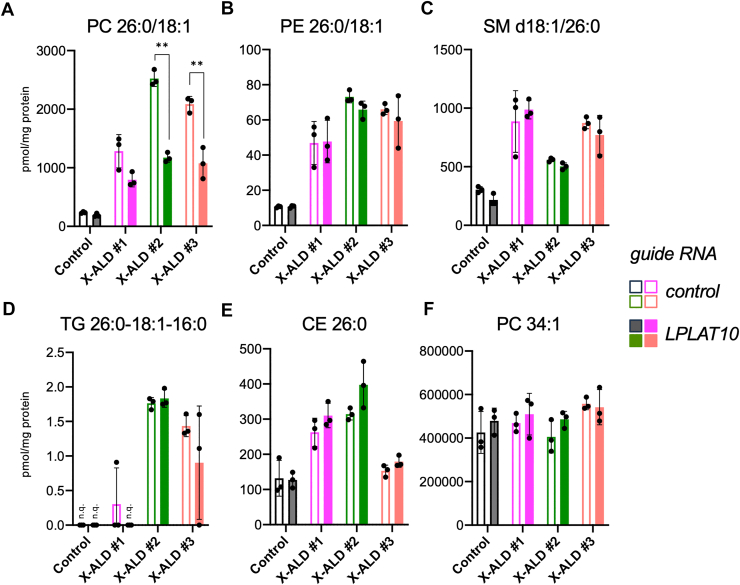 Figure 6
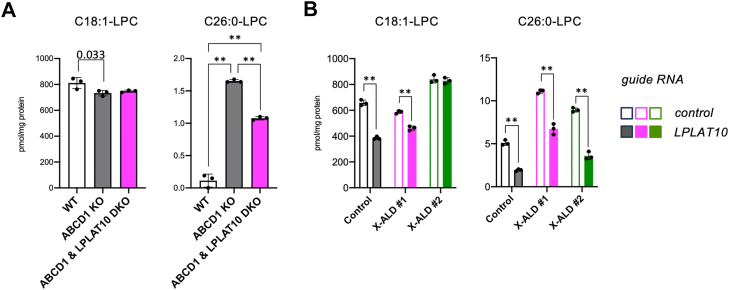 Figure 7
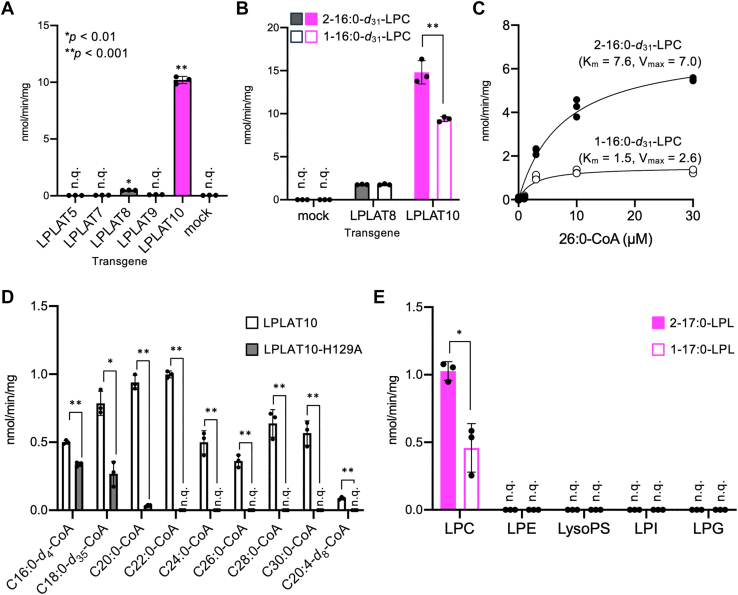 Figure 8
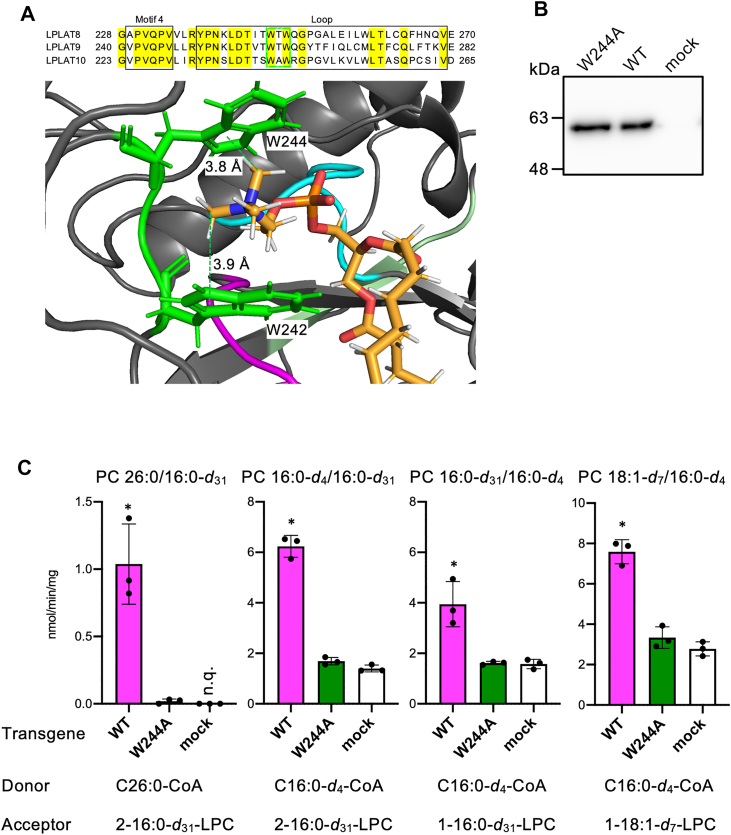 Figure 9
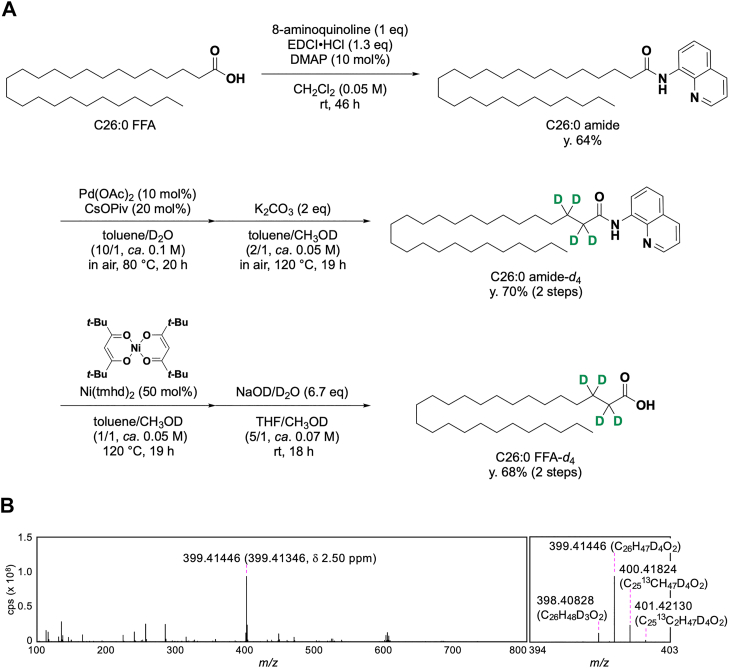 Figure 10
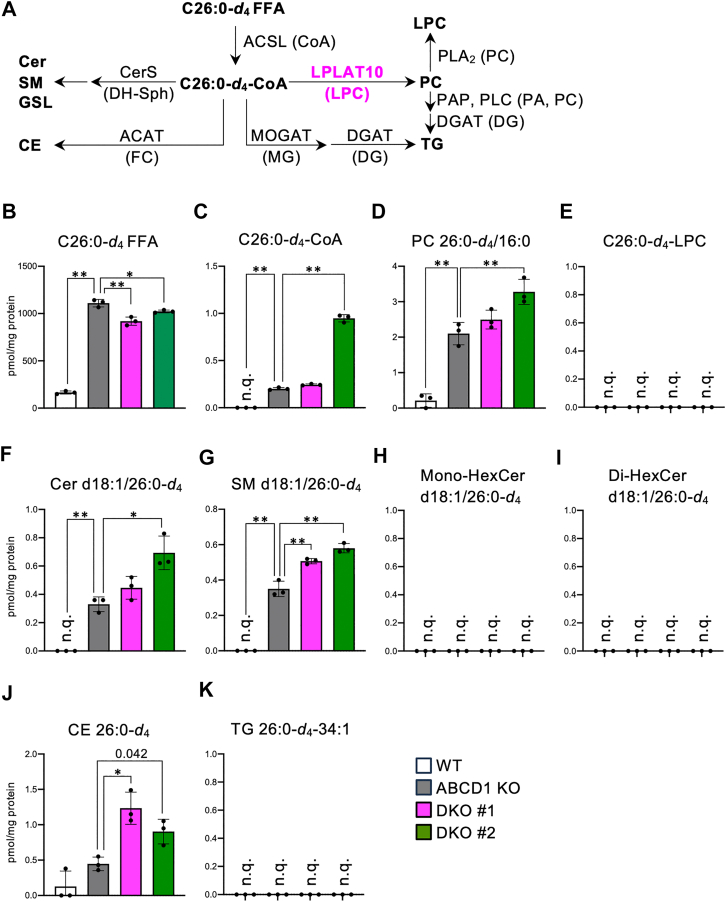 Figure 11
Peer Reviews
No public reviews on file for this paper yet. If you reviewed it on a platform where reviews are public (OpenReview, ICLR, NeurIPS, ICML), you can paste yours below so the community can read it here.
Videos
No videos yet. Explain this paper in a talk, walkthrough, or lecture? Add one.
Taxonomy
TopicsPeroxisome Proliferator-Activated Receptors · Fatty Acid Research and Health · Lipid metabolism and biosynthesis